Hélène Havard Photography: A World Between Memory and Place
Zoë Marin
Written by Zoë Marin in Beyond the Frame Photography

Hélène Havard Photography: A World Between Memory and Place

Hélène Havard’s photography has been shaped by movement. Born and raised in France, she later lived in England and Canada before settling in French Polynesia, where she has been based for more than a decade. Each place has become part of a visual journey concerned less with geography than with the ways our surroundings influence memory, identity, and perception.

Photography has also taken different forms throughout her career. Alongside her artistic practice, Havard runs a wedding photography business in French Polynesia with her husband. That work keeps her connected to real people and real moments, while her fine-art photography gives her space to explore atmosphere, imagination, and the quieter stories hidden within places.
A Personal Way of Seeing

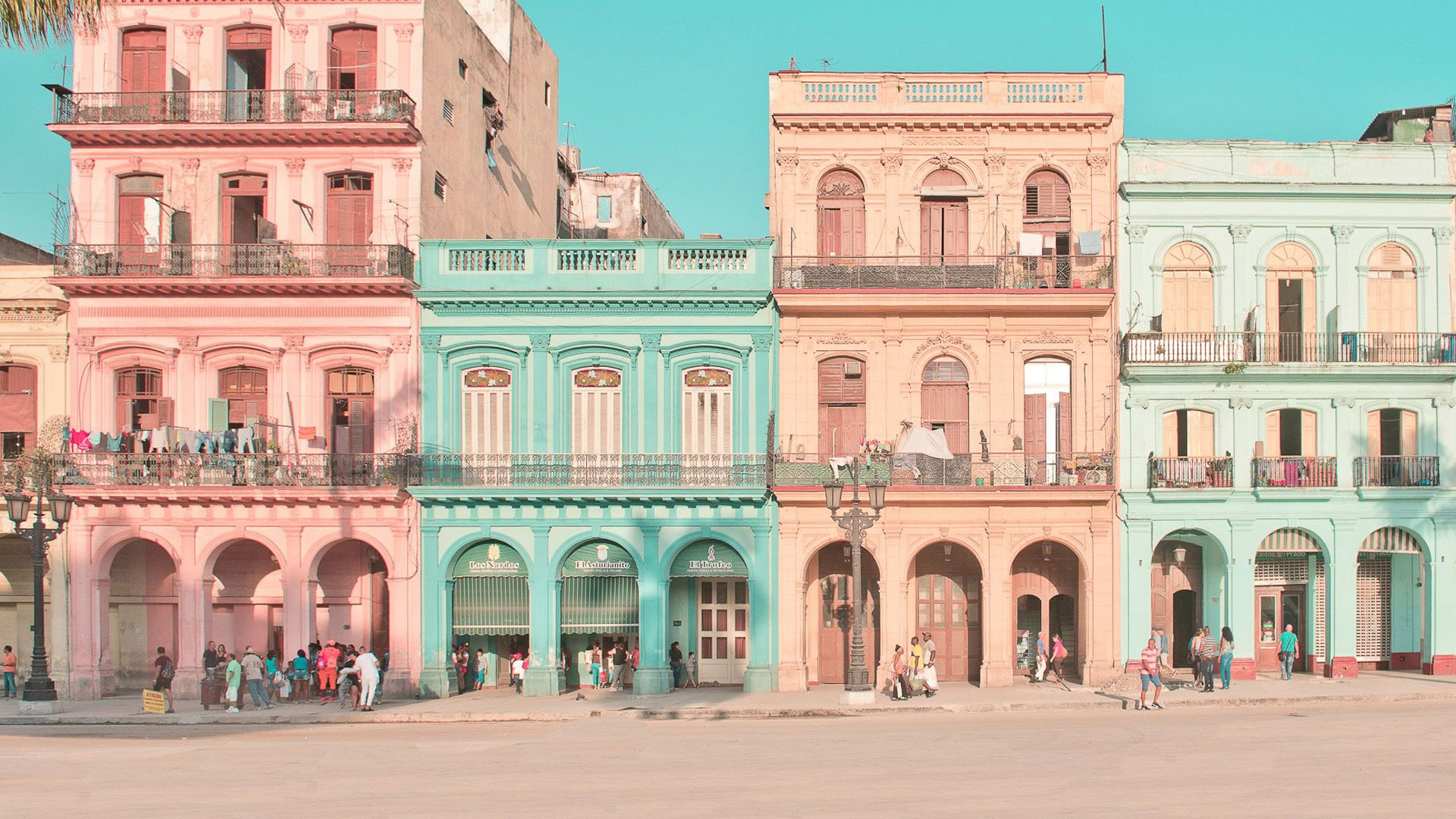
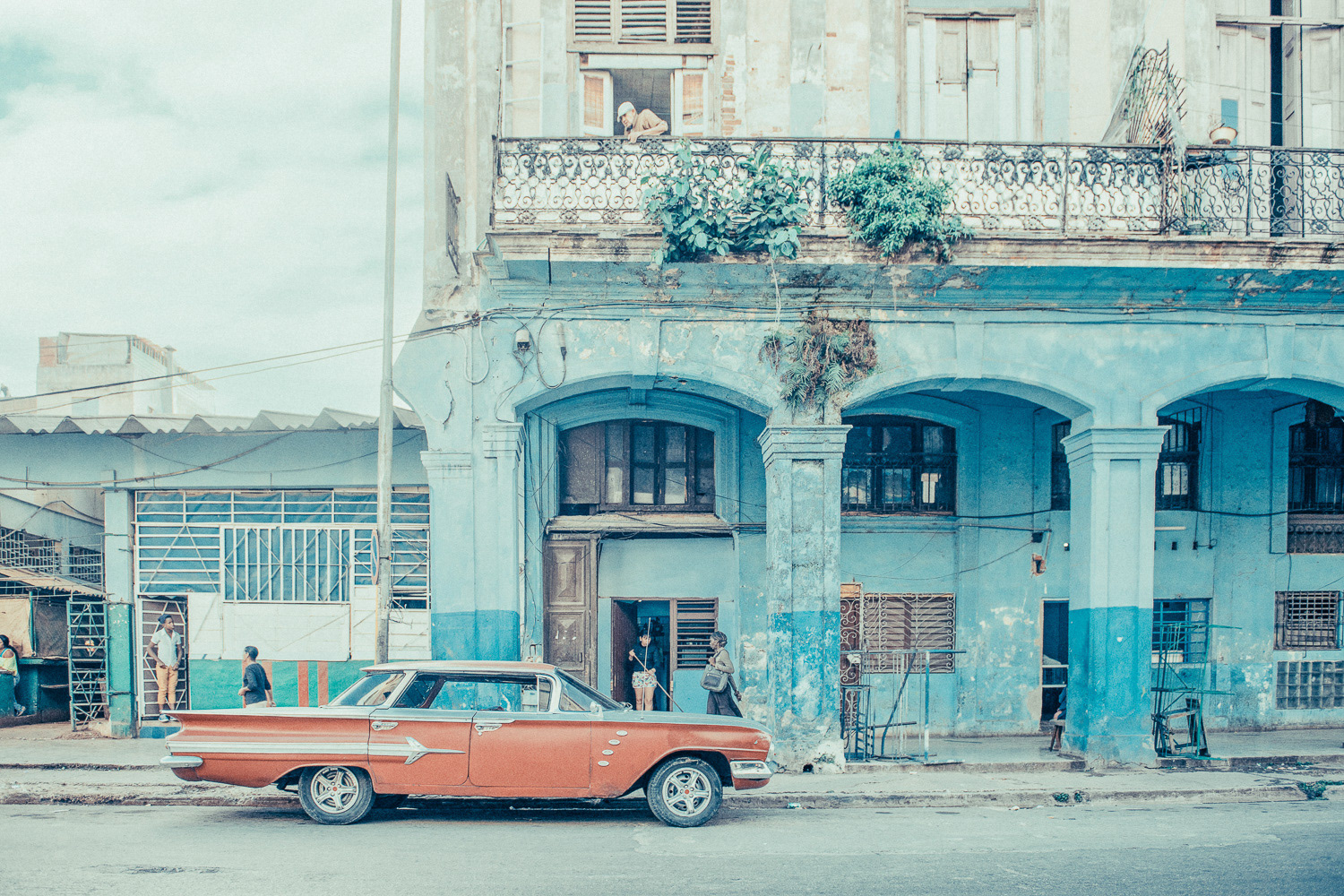
Havard does not approach photography as a straightforward record of reality. When she photographs a place, she captures what catches her attention, what she feels, and what stays with her. Her photographs of Cuba, for example, became personal memories of a complicated and vibrant country rather than an attempt to create a definitive portrait of it.

That distinction runs through much of her work. She is interested in what exists beneath the obvious image of a destination: the traces of people, the passage of time, and the tension between presence and disappearance. A landscape does not simply provide a backdrop. It becomes a kind of witness, holding fragments of what has happened there.

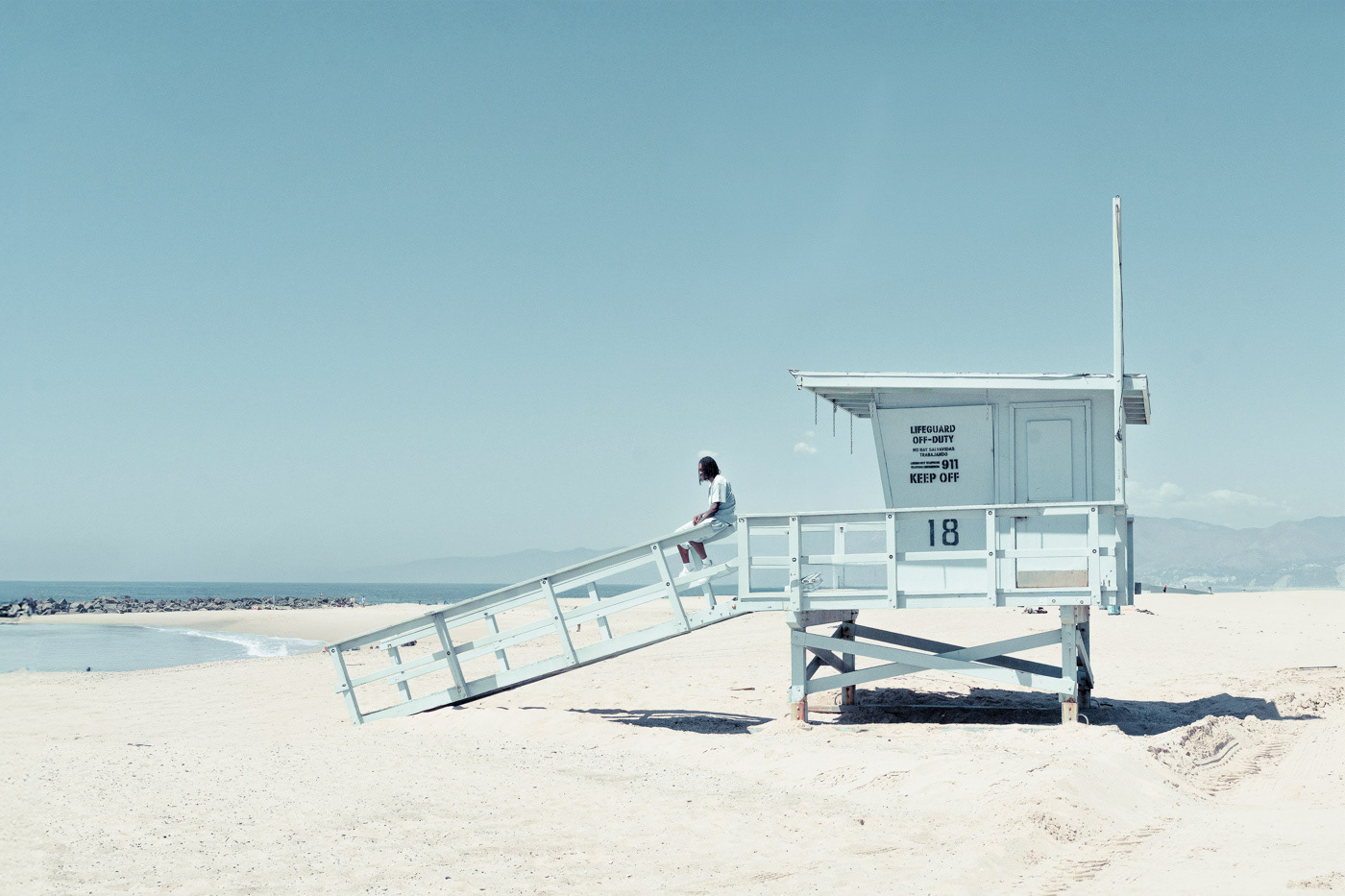
Hélène Havard. Sleepy Paradise
Hélène Havard. The Quiet Season
Life in French Polynesia

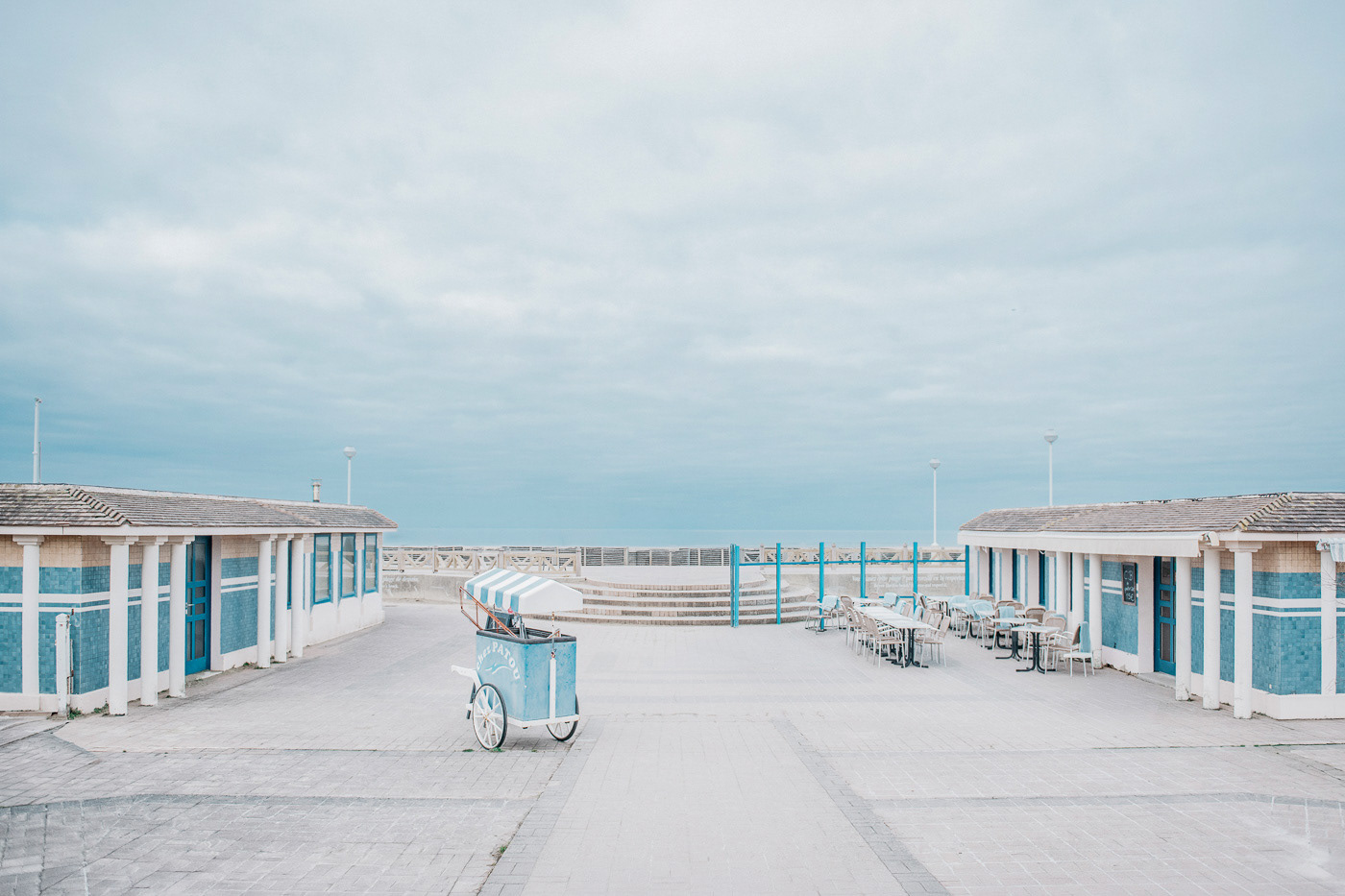
Living in French Polynesia has had a profound effect on Havard’s visual language. The ocean, light, islands, and enormous horizons are not merely picturesque subjects for her. They have become emotional spaces through which she explores her own changing relationship with the environment.

That relationship is never entirely static. Havard describes continuing to discover French Polynesia even after many years there, as changing light, weather, people, and personal experience continually alter the way she sees it. Her Pacific-focused series, including The Quiet Season, Pacific Insomnia, and Out of Time, reflect this fascination with places that can feel both intensely present and strangely suspended.

The World Between Places

Travel is another recurring element of Havard’s career, but she approaches it without the urgency of collecting destinations. She prefers to wander, observe, and wait. Sometimes she photographs immediately; sometimes she needs several days before she understands what has caught her attention.

This slower approach has produced series such as Pacifica, which explores the distance between an imagined California and the place Havard actually encountered. Her titles often emerge only after the photographs have been made, when she begins to understand the feeling or rhythm connecting them. For her, a title should open another door rather than explain the image.

Hélène Havard. Pacifica
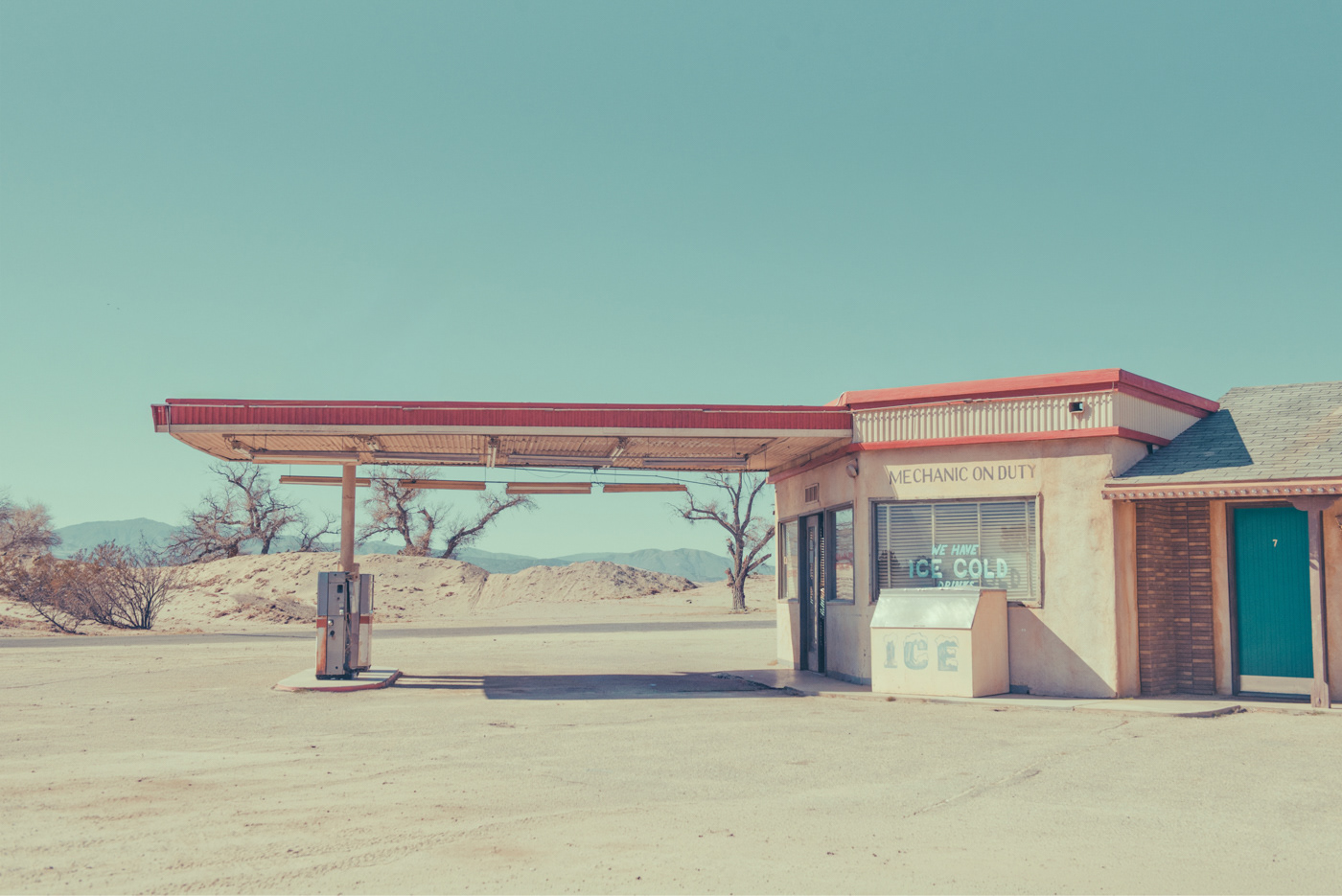
Hélène Havard. End of the Road
A Dreamlike Visual Language

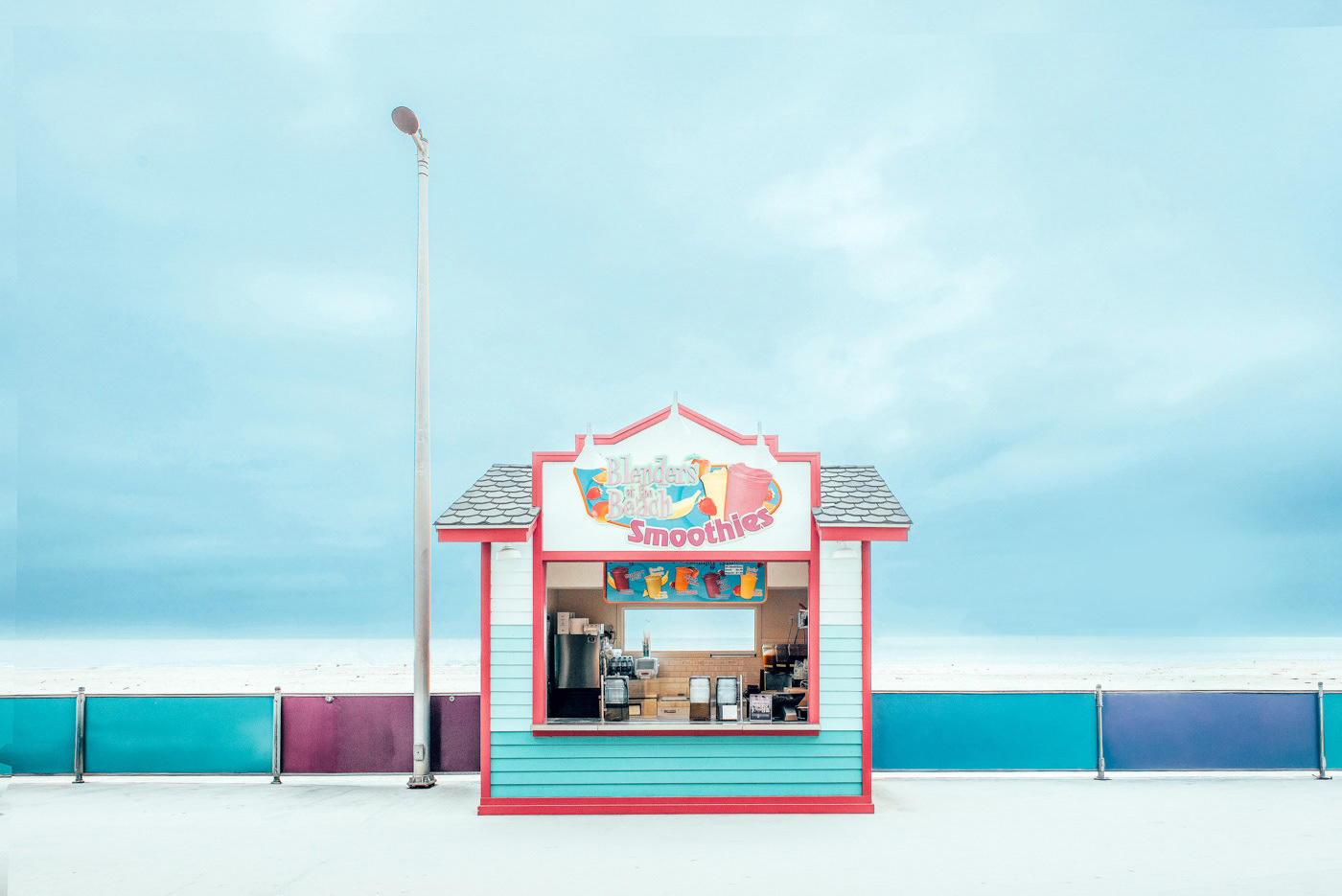
Colour has become one of the most recognisable elements of Havard’s photography. Her soft, muted pastel tones give her images a vintage and dreamlike quality, allowing the present to feel almost like a recollection. She describes this palette as a way of transporting viewers into a gentler, more serene version of the world.

Cinema, painting, and photographers including James Nachtwey, Robert Doisneau, and Alex Webb have also influenced her way of seeing. Yet Havard’s images remain distinctly her own, particularly in their treatment of people and atmosphere. She is drawn to subjects who seem to remain within their own world, even when they are aware of the camera.

That interest in atmosphere comes together in End of the Road, where Havard turns her attention to the diners, motels, service stations, and landscapes of the American West. These roadside locations already carry a powerful cultural mythology, but her photographs move beyond simple nostalgia. Muted colours and quiet compositions turn them into spaces of solitude, waiting, and memory.

Across her career, the subjects may change, but the underlying question remains remarkably consistent: what happens between people and the places they inhabit? From Cuba and the Pacific to California’s desert highways, Havard photographs that relationship rather than simply the destination. Her images leave us with something less tangible than a travel record: a feeling of having briefly entered someone else’s memory.

Hélène Havard. Manufactured Dream
Scroll