Stan Douglas: Tales of Empire at McMichael
Zoë Marin
Written by Zoë Marin in Beyond the Frame Photography

Stan Douglas: Tales of Empire at McMichael

Stan Douglas is the kind of artist whose work quietly rearranges how you think about history, memory and the long shadows of empire. Born in Vancouver in 1960, he has spent more than four decades making photographs and films that unsettle comfortable narratives, probing moments at the edges of collective memory and inviting us to witness not what was but what might have been seen differently. His practice moves between documentary impulse and imaginative restaging, often blending fact and fiction to open up the spaces between what we think we know and what we feel.

Douglas’ photographs are not snapshots; they are carefully composed scenes — cinematic, dense and reflective — that foreground overlooked or contested histories. His work examines the traces of colonialism, the machinery of empire, and the ways visual representation has shaped and misshaped our understanding of cultural contact and conflict. In his process, historical research becomes material for photographic creation, situating his images not as records of the past, but as occasions to reconsider how that past shapes the present.
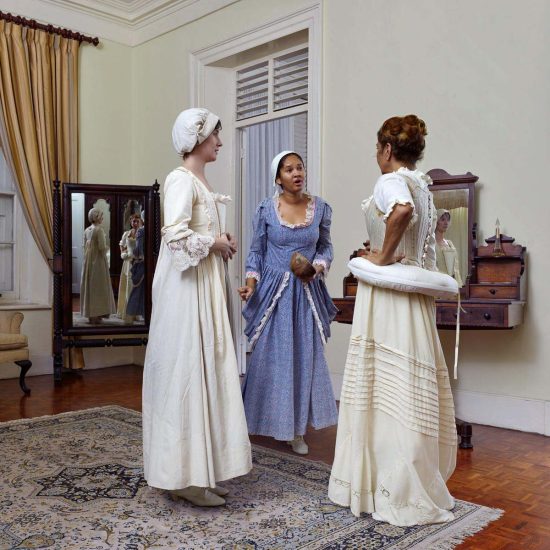
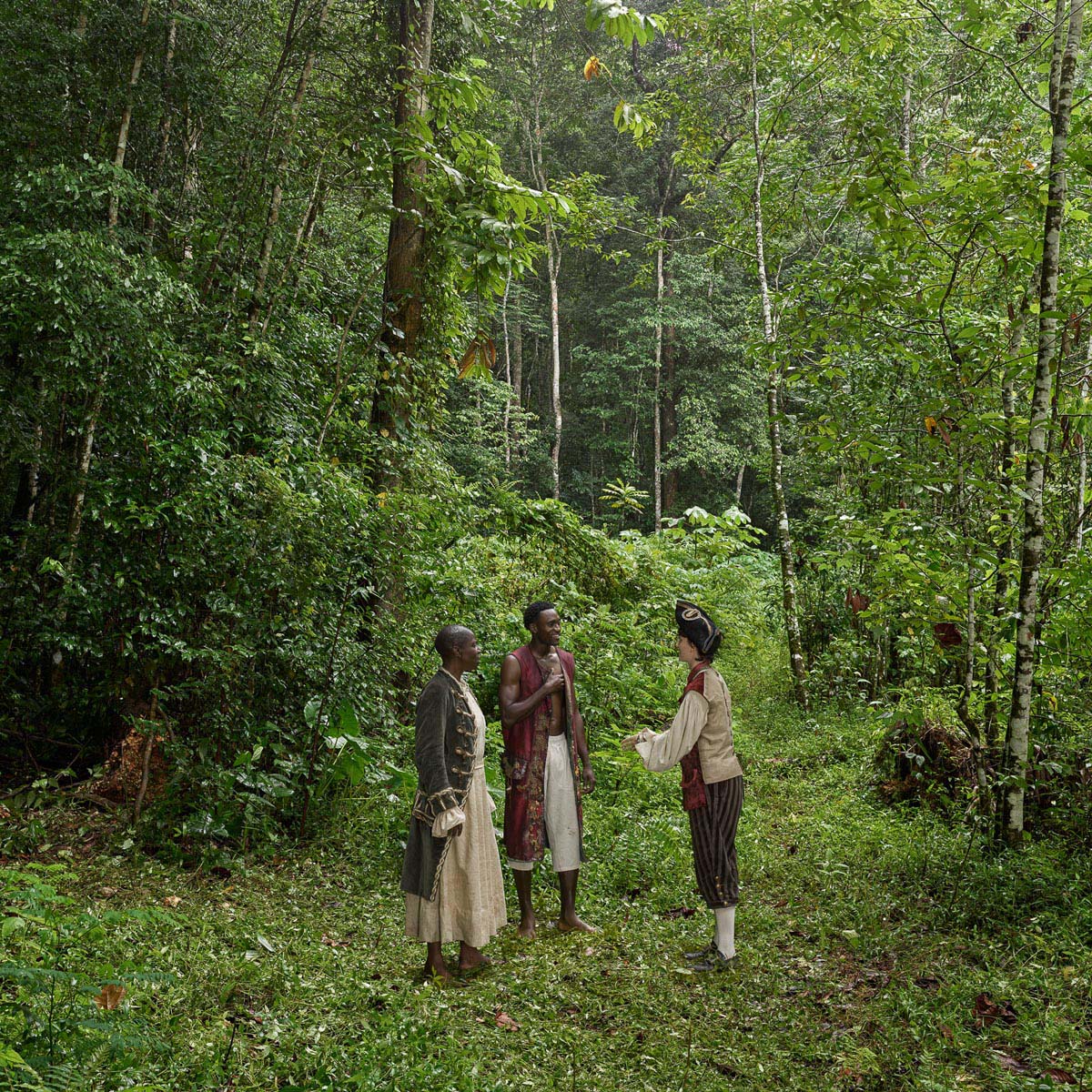
Stan Douglas, Act I, Scene XIV: In Which Polly, with the Help of Damaris, Convinces Mrs. Ducat to Punish Her Husband by Granting Her Freedom
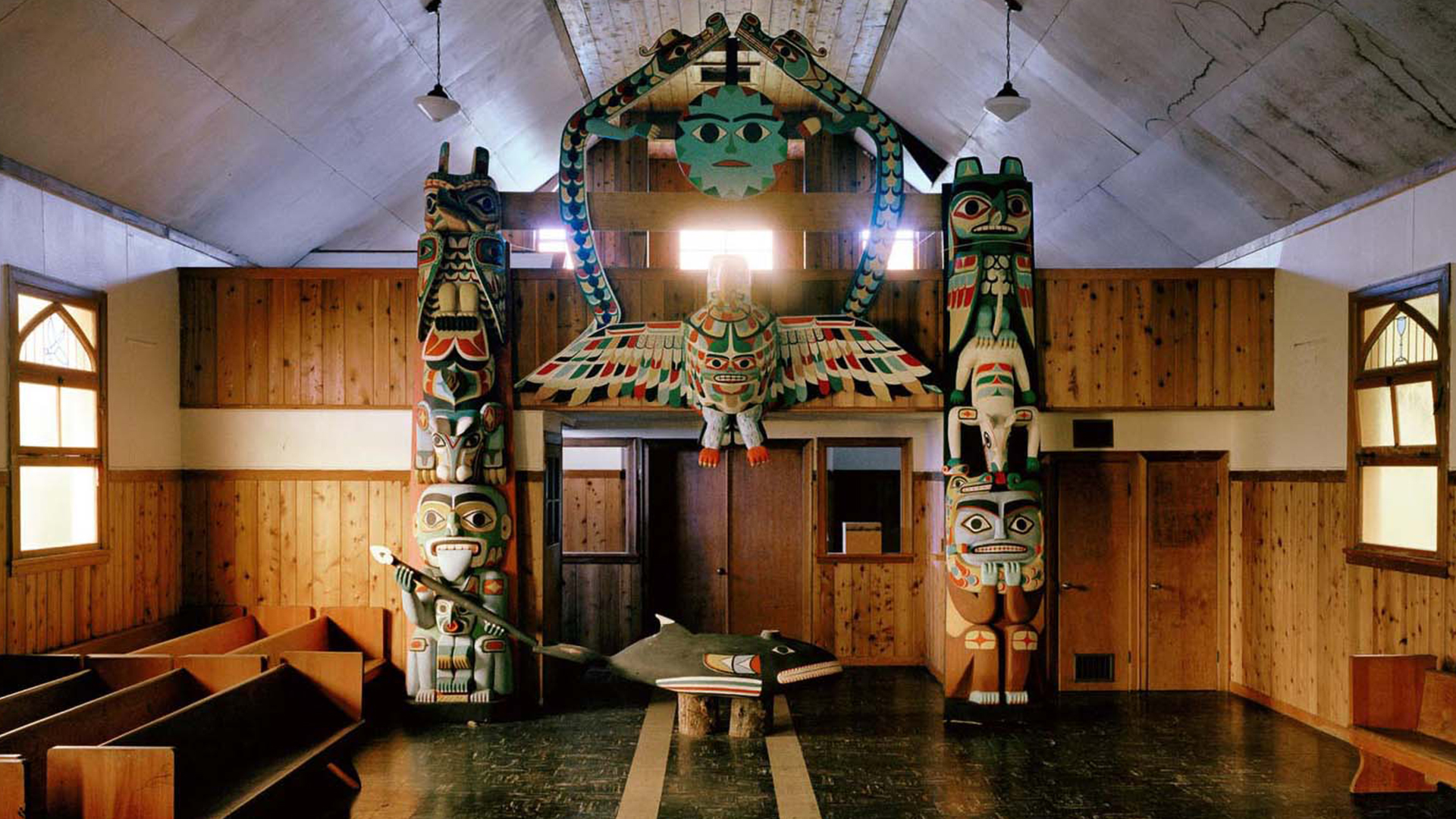
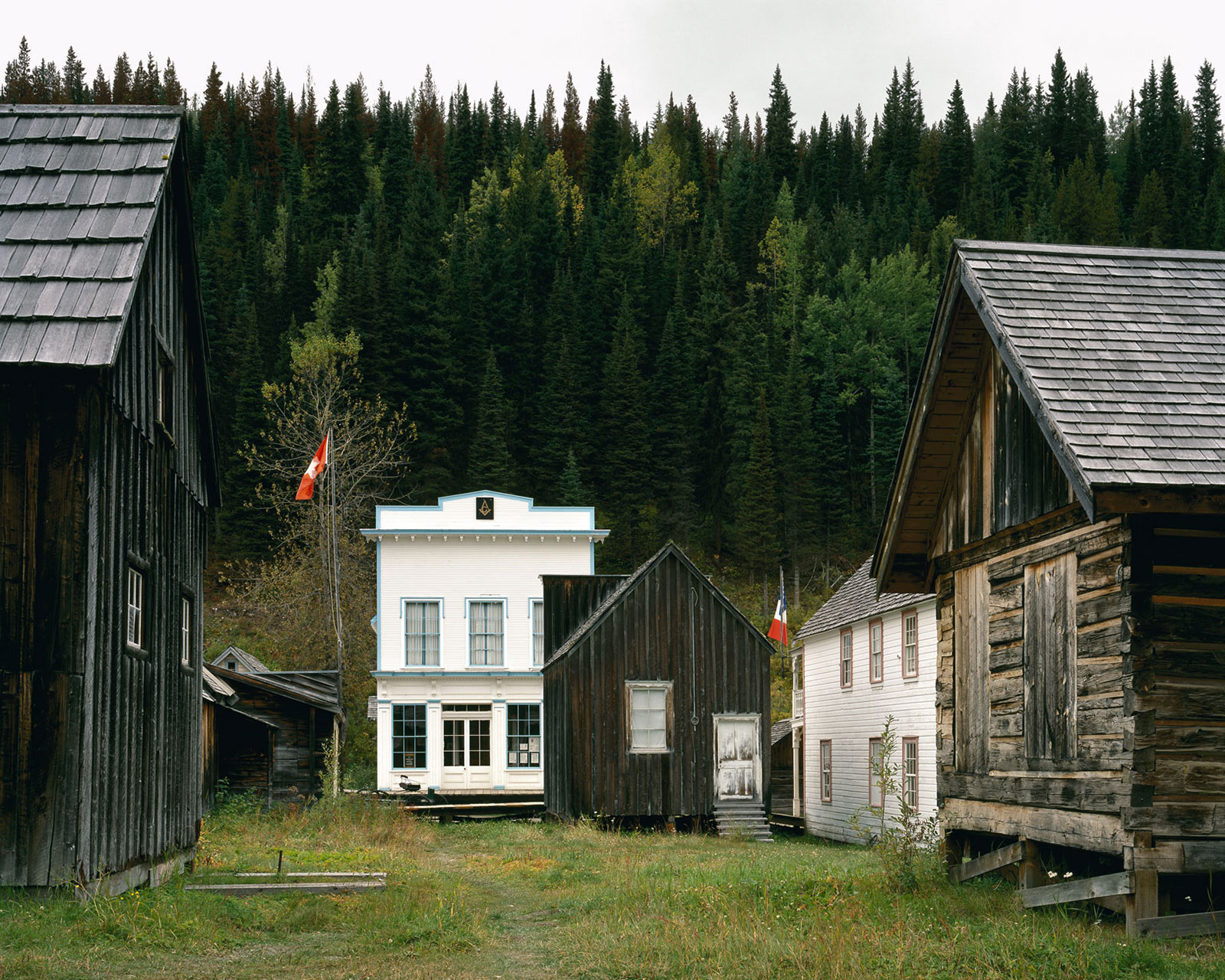
Stan Douglas, Masonic Lodge, Barkerville

At the McMichael Canadian Art Collection in Kleinburg, Ontario, Stan Douglas: Tales of Empire brings together five major photographic series that span a lifetime of this inquiry. The exhibition presents a focused survey of Douglas’ work — a rare occasion to encounter these bodies of work side by side and to feel the tensions that animate them.

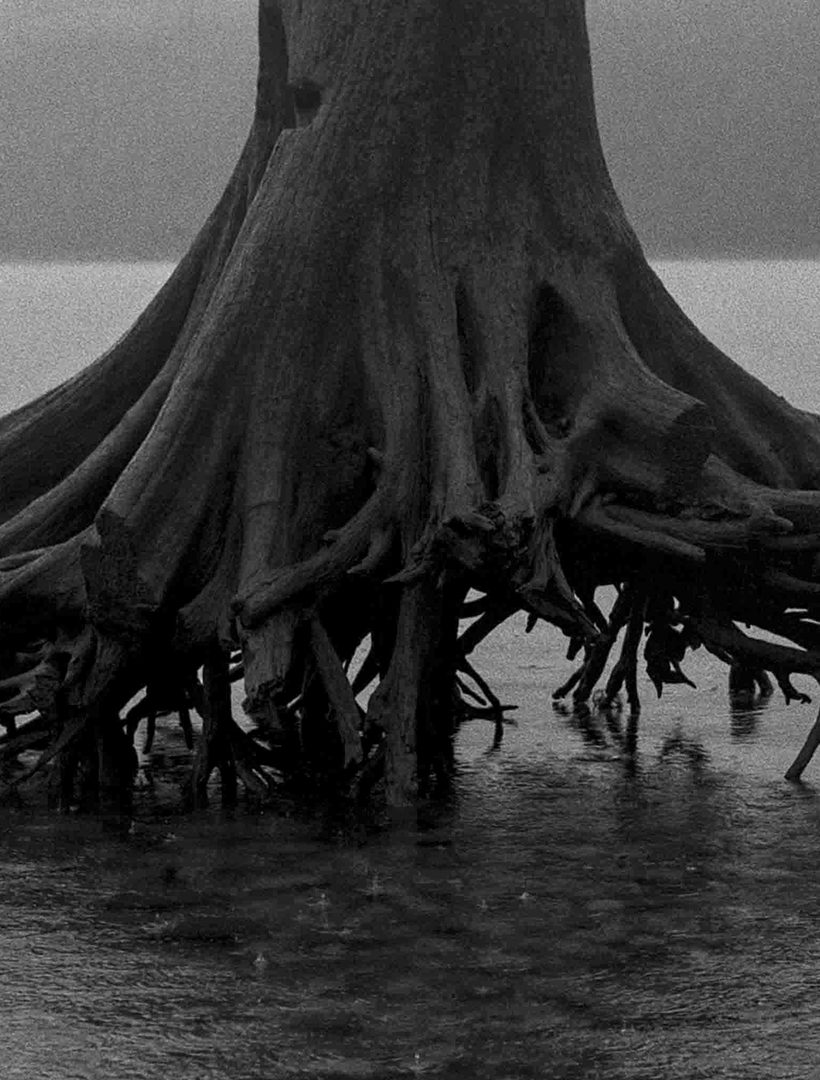
The exhibition moves through a constellation of historical and geographic contexts. One series revisits the northwest coast of Vancouver Island, tracing the long presences and displacements of Indigenous communities against the landscape, inviting dialogue with historical paintings in the gallery. Another, shot in Cuba, reveals the architectural palimpsest left by successive waves of colonial and political influence. And in the interior landscapes of British Columbia, Douglas finds evidence of extraction and environmental transformation tied to settler expansion.

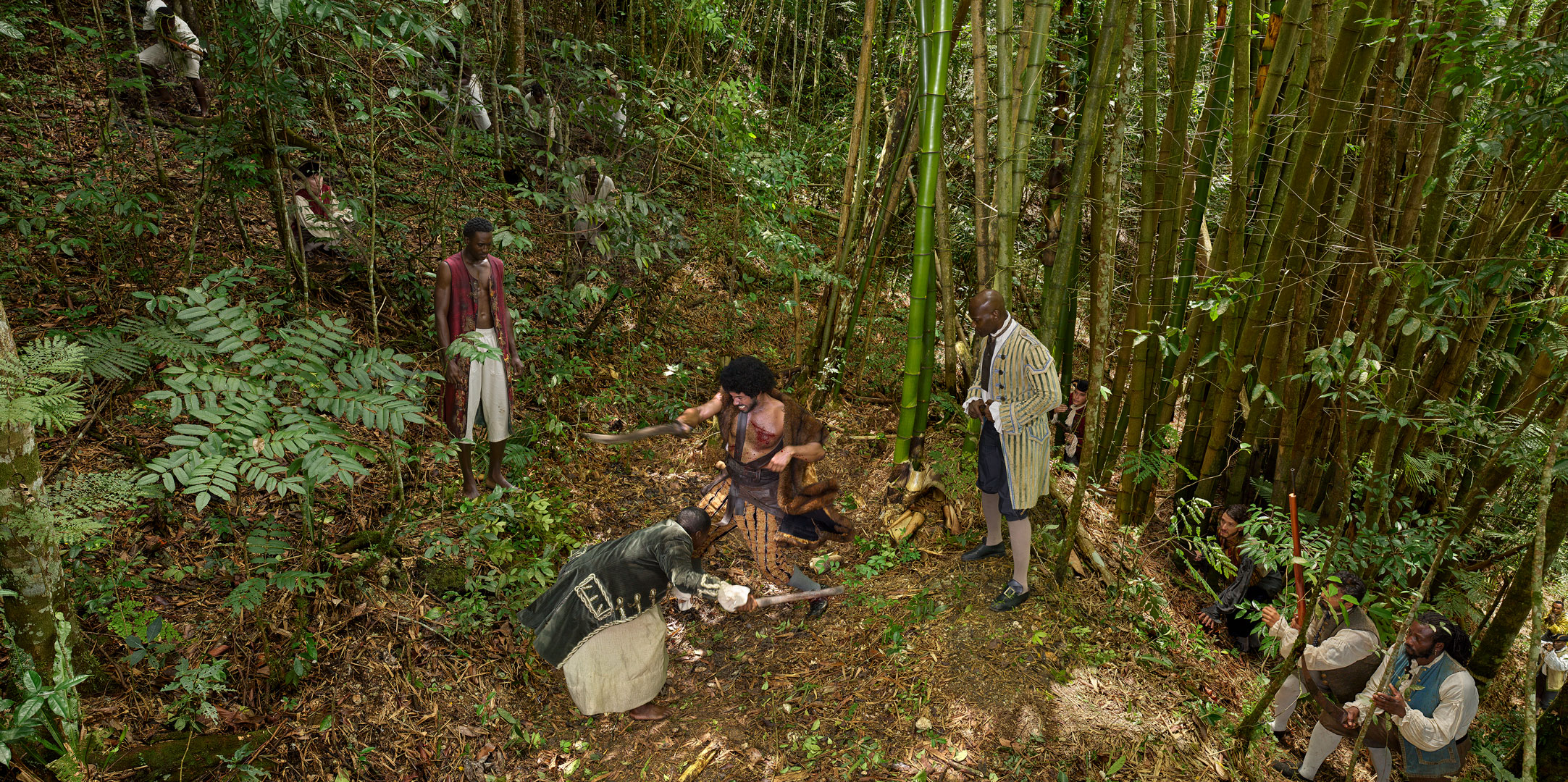
Perhaps the most pointed of the works on view is The Enemy of All Mankind, a theatrical set of photographs inspired by an 18th-century satirical play. Here, costumed figures confront histories of greed, exploitation and colonial ambition with a kind of staged rhetoric that feels at once baroque and urgent. Across this sequence, Douglas pushes against the distance between historical documentation and the imaginative staging of narrative, insisting that the past is never quite settled or closed.

What gives Tales of Empire its power is not just the scale of the work or the breadth of contexts it covers, but the way Douglas invites viewers to slow down with each image. These photographs demand time — time to see how a landscape holds the memory of displacement, how a façade carries the imprint of political intervention, how a staged costume or gesture can point to systemic forces that outlast the moment of seeing.

In a world that often seeks tidy explanations and singular narratives, Douglas’ work reminds us that history is layered, contested and unresolved. His images do not offer answers; they offer space — space to notice, to question, to feel the complexity of what human histories have wrought upon land and life.

Stan Douglas, Act III, Scene XII: In Which Polly Reveals Herself to be a Woman Amid Discourse on Love with Pohetohee and Cawwawkee

For those drawn to these inquiries — to the tension between what is recorded and what is remembered — McMichael’s presentation offers a profound opportunity. Stan Douglas: Tales of Empire remains on view through March 22, 2026. For visiting details, see the exhibition website.

Stan Douglas, Act III, Scene VII: In which the pirate Morano (aka Captain Macheath) challenges, and is vanquished by, the Maroon Queen Pohetohee
Scroll