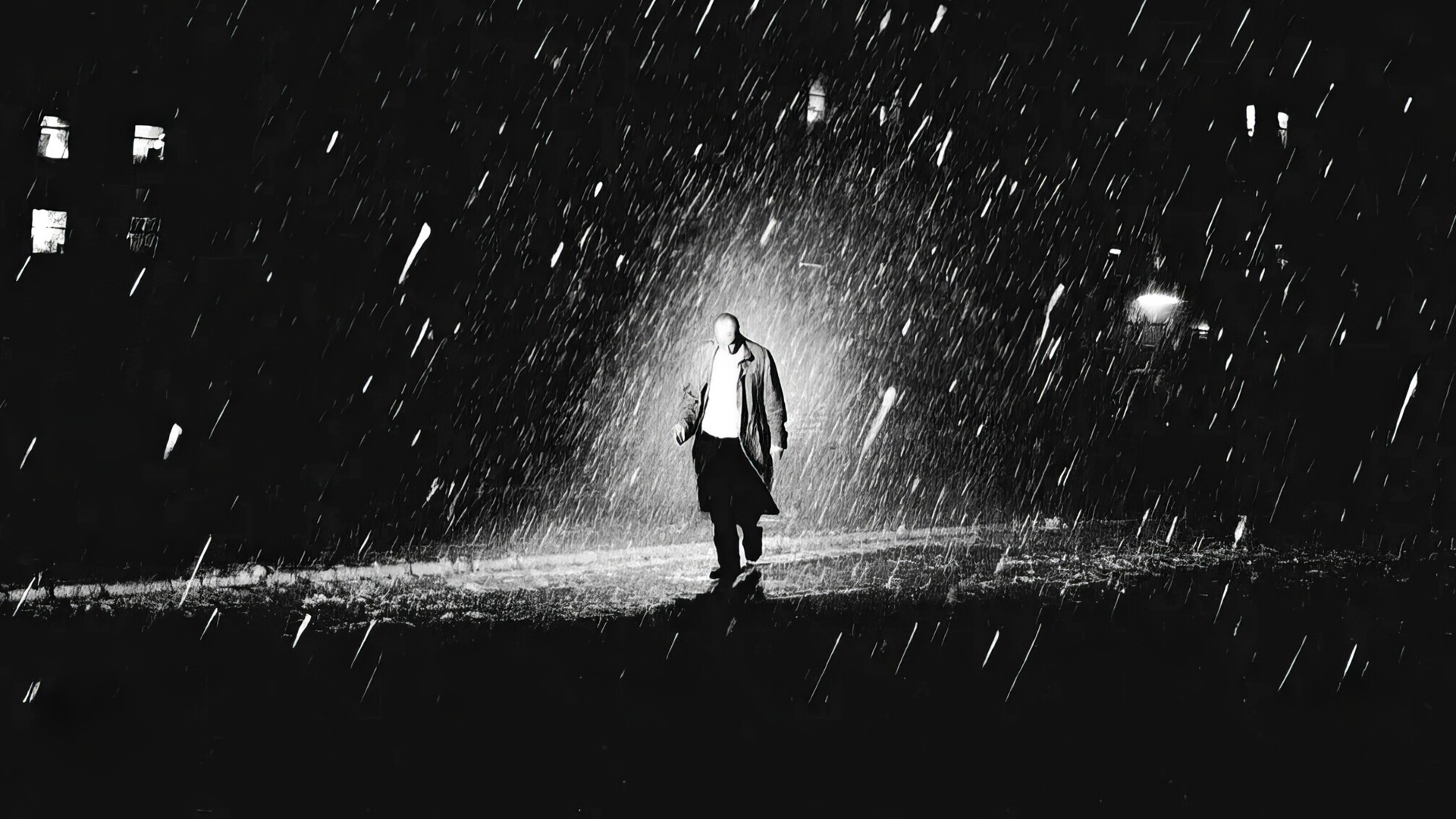
Between Shadow and Silence: Kevin Nkrumah’s Photographic World
Zoë Marin
Written by Zoë Marin in Beyond the Frame Photography

Between Shadow and Silence: Kevin Nkrumah’s Photographic World

Some photographers chase spectacle; others listen for subtler things. Kevin Nkrumah belongs to the second group. Working primarily in black and white, he creates images where light and shadow feel less like visual elements and more like a form of language — one capable of carrying emotion without explanation. His photographs unfold slowly, asking for patience rather than instant impact, and reward viewers who are willing to linger with them.

Nkrumah’s work moves between street photography and visual experimentation, blending documentary moments with digital processes that sometimes include carefully integrated AI-generated textures. The result is a layered visual world that sits somewhere between observation and interpretation. Real streets and real people remain at the core of the images, but subtle manipulations introduce a dreamlike atmosphere that gently shifts the viewer away from straightforward realism.
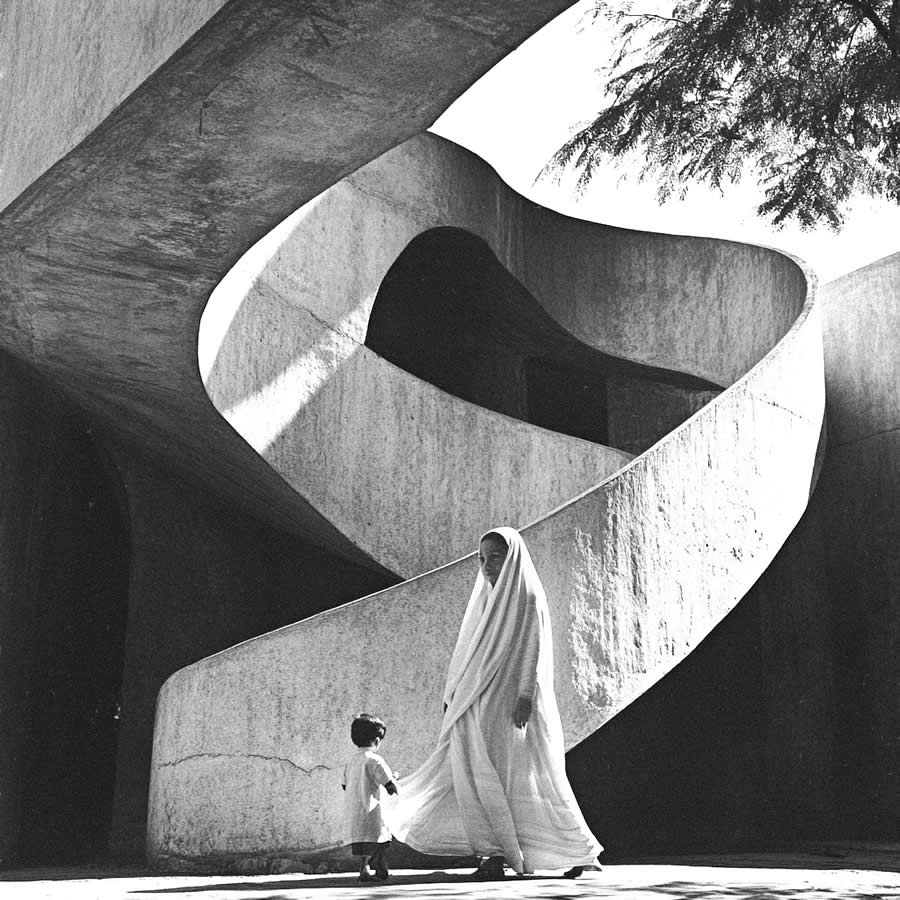
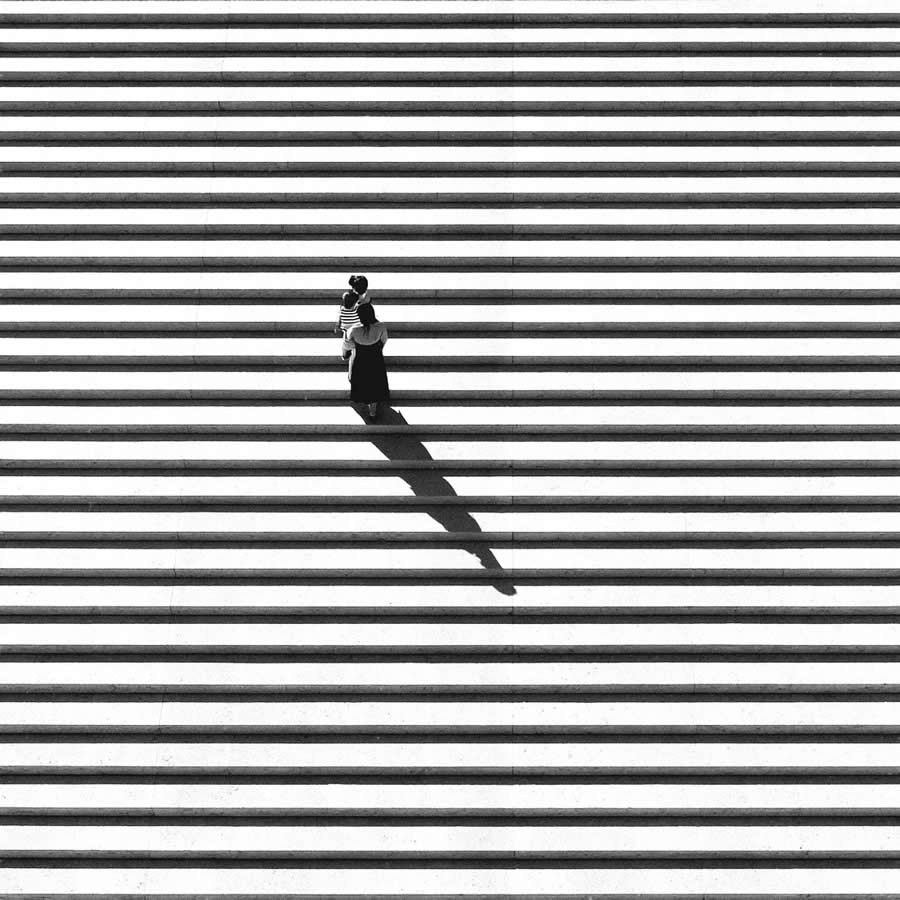
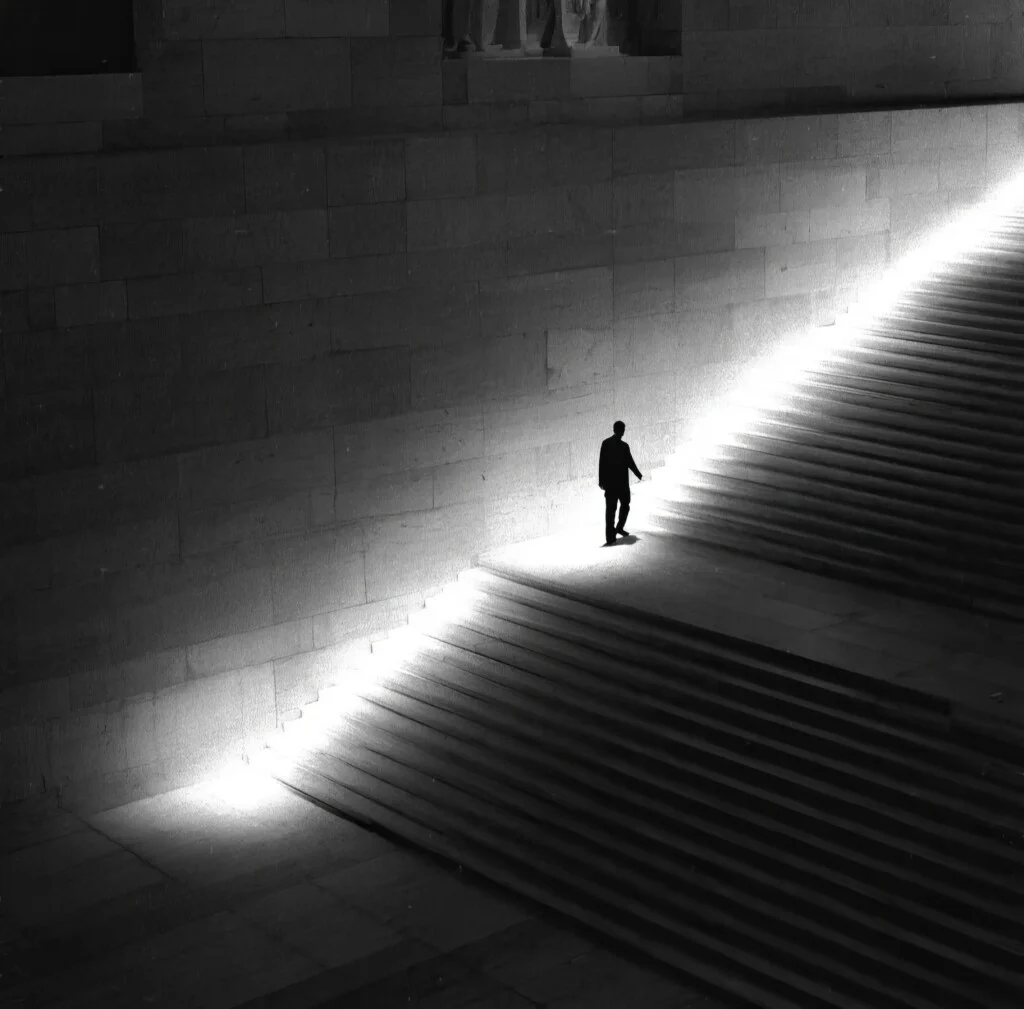
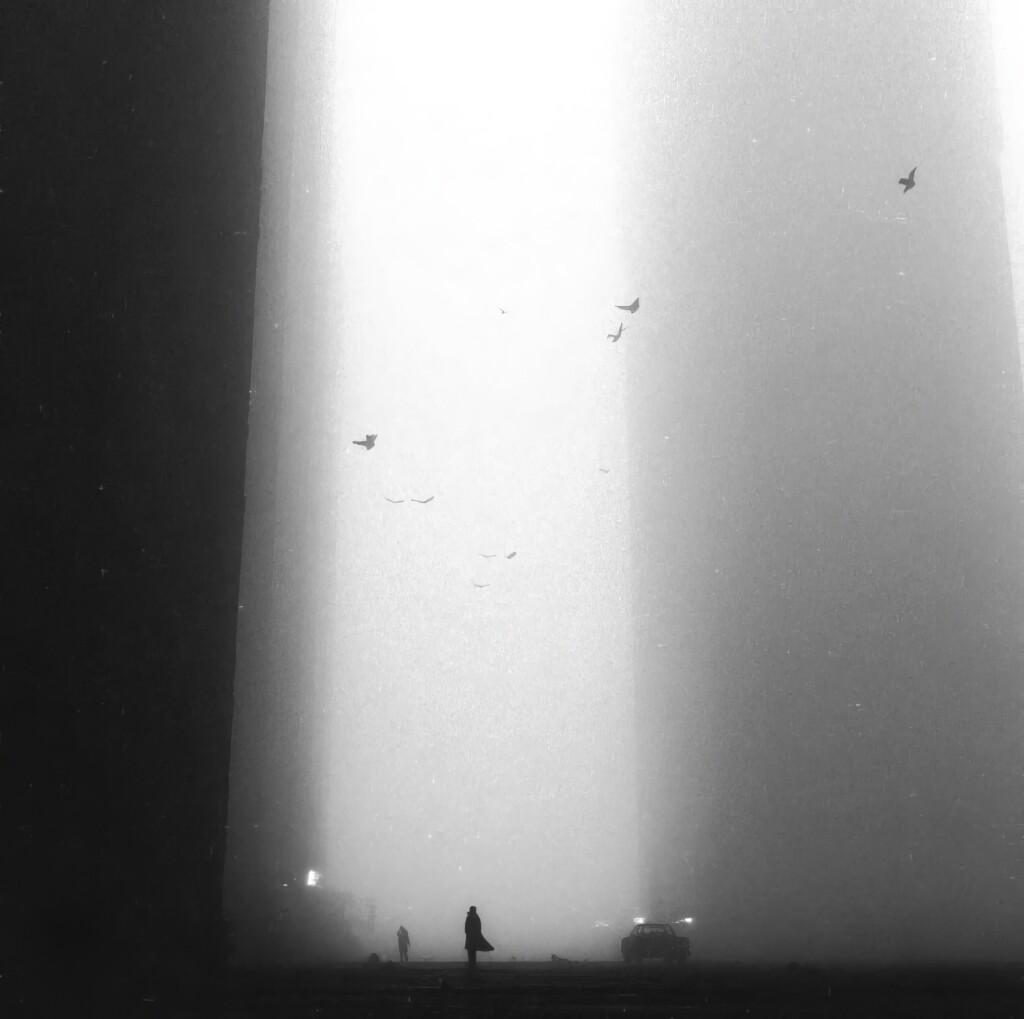
His commitment to monochrome is central to this approach. By removing colour, Nkrumah clears space for structure and atmosphere to take precedence. Light becomes the guiding force of each composition — carving silhouettes from darkness, tracing reflections across wet pavement, or isolating a solitary figure within a quiet urban landscape. In these photographs, shadows are never empty; they hold weight and presence, forming the necessary counterpoint that allows illumination to speak.

The series The Language of Light exemplifies this sensibility. Rather than presenting photography as documentation, the work treats light as a narrative voice — revealing small transformations that often pass unnoticed in everyday life. A street corner at dawn, a reflection after rain, a passing figure caught in a narrow beam of brightness: these moments become visual meditations on perception itself.

What resonates most deeply in Nkrumah’s photographs is their stillness. Even when rooted in busy urban environments, the images carry a quiet, almost spiritual calm. Solitude appears not as isolation but as presence — a state of awareness where ordinary spaces begin to feel suspended in time. His pictures do not insist on meaning; instead, they open a space where meaning can gradually emerge.

This sensitivity to the overlooked is what gives Nkrumah’s work its emotional pull. He returns repeatedly to the idea that visual poetry can be found in the smallest shifts of light or atmosphere. A silhouette crossing a street, the glow of early morning, or the geometry of shadow against a wall becomes an invitation to see more attentively. The photographs encourage a slower rhythm of looking, one that reveals how even the most familiar places contain unexpected depth.

Rooted in the streets but shaped by imagination, Nkrumah’s images dissolve the boundary between reality and interpretation. Each photograph feels like a quiet translation — a way of turning fleeting moments into something more lasting and reflective. In a time when photography often aims for immediacy and visual overload, his work offers something rarer: a patient exploration of light as both subject and metaphor.

To explore more of Kevin Nkrumah’s quietly powerful images, visit his website and spend some time with the full breadth of his work. Moving between stillness and atmosphere, his photographs reveal new details the longer you look — an invitation to slow down and see differently.

Scroll