Photography Through Familiar Things
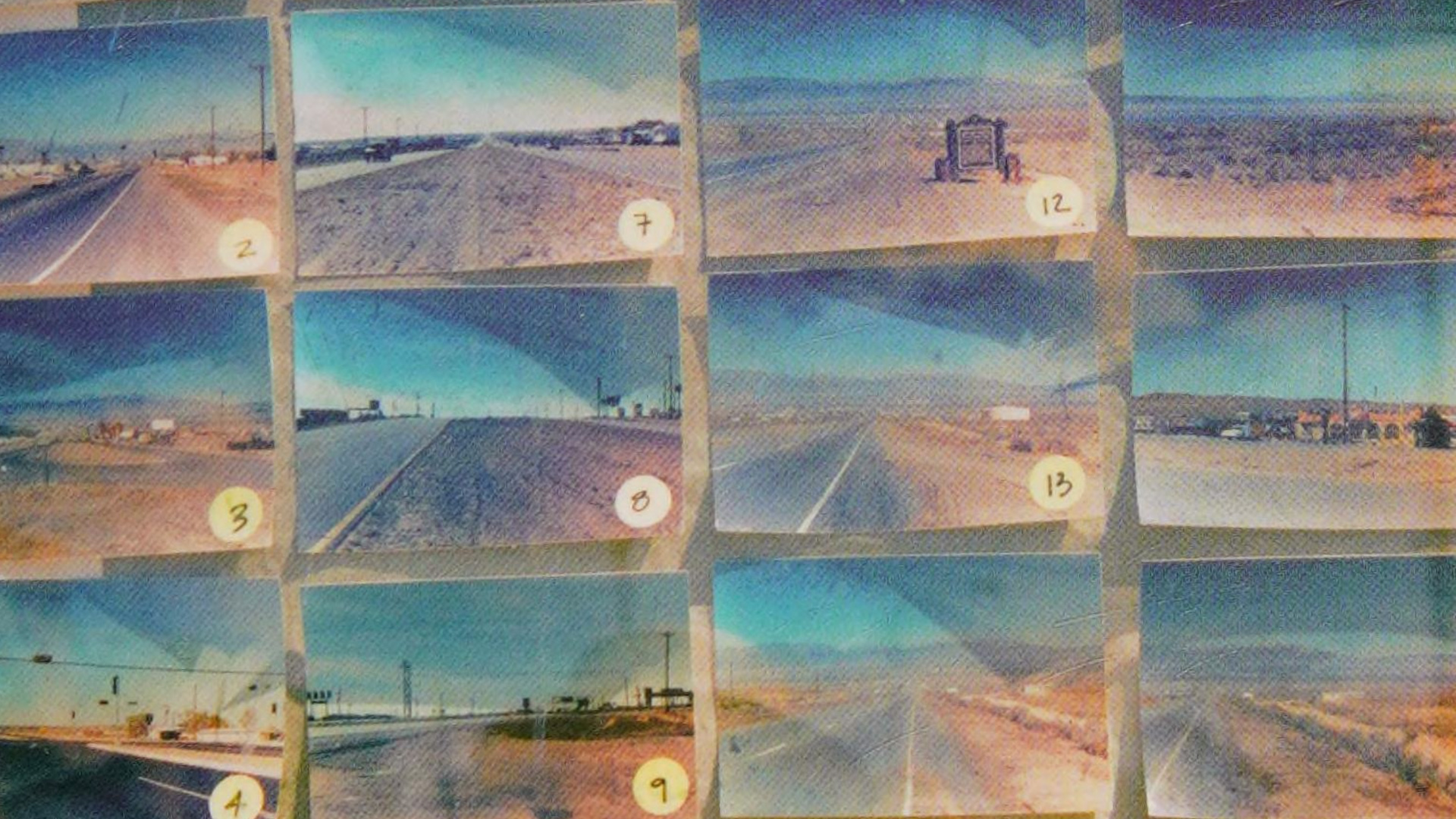
The subjects Dyer chooses can seem almost comically ordinary. Blind people, hats, roads, benches, fences, doors, barbershops and gas stations become recurring motifs. Yet the repetition is precisely the point. Why do so many photographers return to the same things? And what happens when different artists look at them?
A blind beggar photographed by one artist can suddenly connect to an accordion player photographed decades later. A hat in a Depression-era image leads somewhere unexpected. A photograph of one photographer can echo the work of another. Dyer’s fascination lies in these coincidences, and his writing moves freely from one connection to the next.
That wandering quality is part of the book’s charm. A discussion of Paul Strand can lead to Alfred Stieglitz, Georgia O’Keeffe and Edward Weston before eventually arriving somewhere seemingly unrelated. Literature, philosophy and personal anecdotes enter the conversation, too. Borges is an especially important touchstone, reflecting Dyer’s fascination with the possibility of connecting things that exist simultaneously and across time.
Looking at Photography Differently
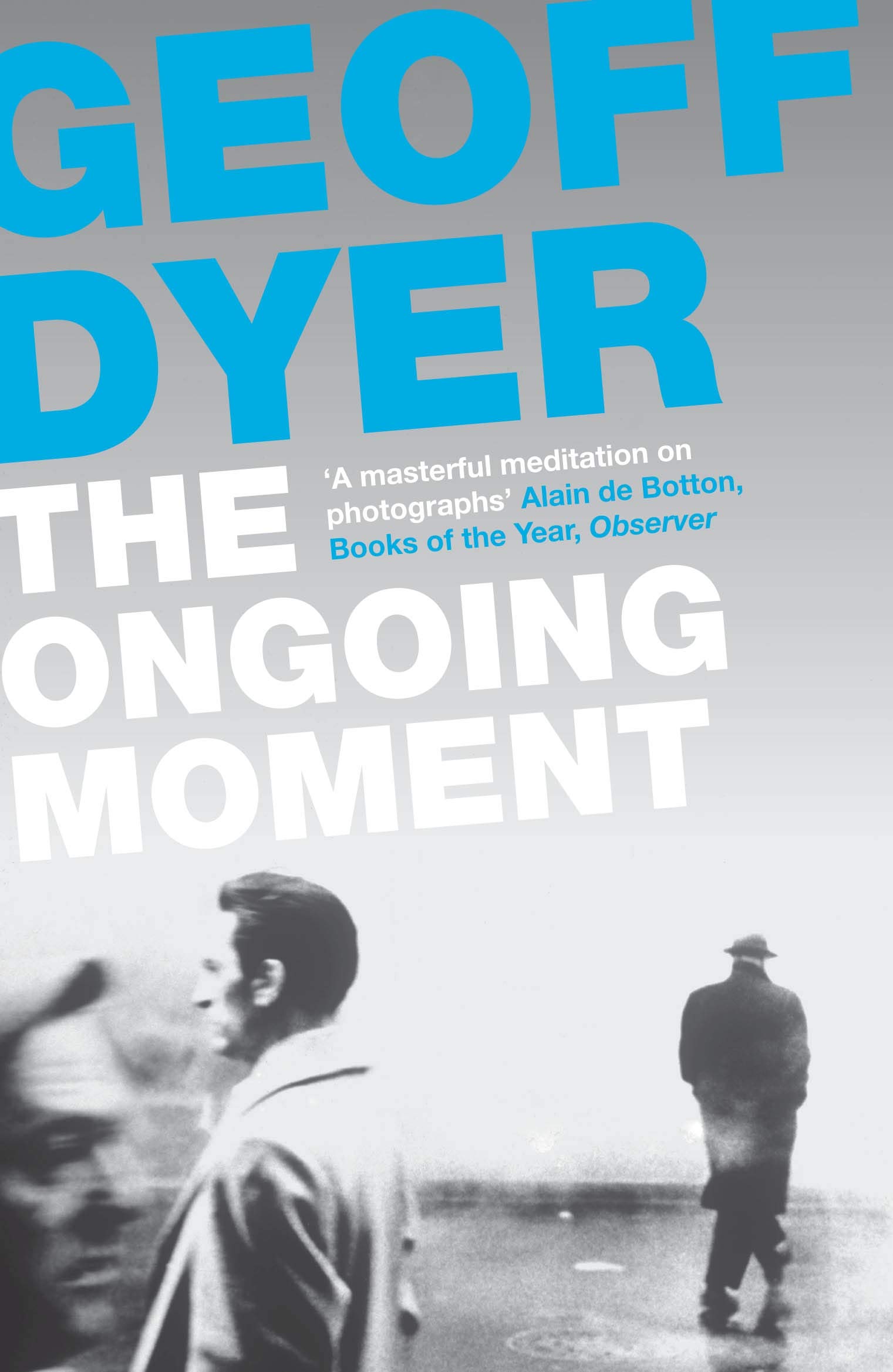
The Ongoing Moment doesn’t promise a manual for understanding photography. Instead, it encourages readers to look more closely. Dyer’s greatest talent is spotting tiny details and following them until they reveal something larger about an image, an artist or even the medium itself.
The result is a book that can be opened almost anywhere and still draw you in. Its subjects may be ordinary, but Dyer’s connections rarely are. By the end, familiar photographs can feel newly strange, as if we’ve been taught to see them all over again.