
What if the creatures hiding under your bed were actually the ones trying to protect you? That’s the unsettling question behind MONSTERS, an AI-generated short film that has been moving audiences across social media with a surprisingly powerful message.
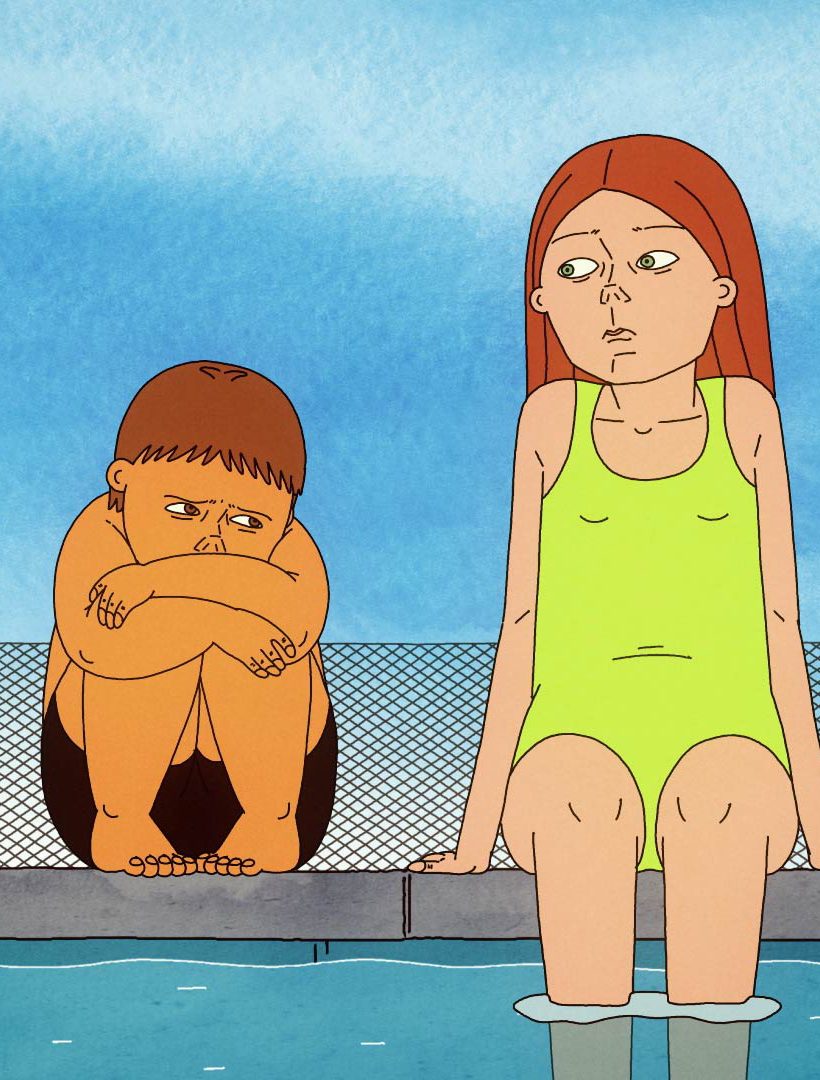
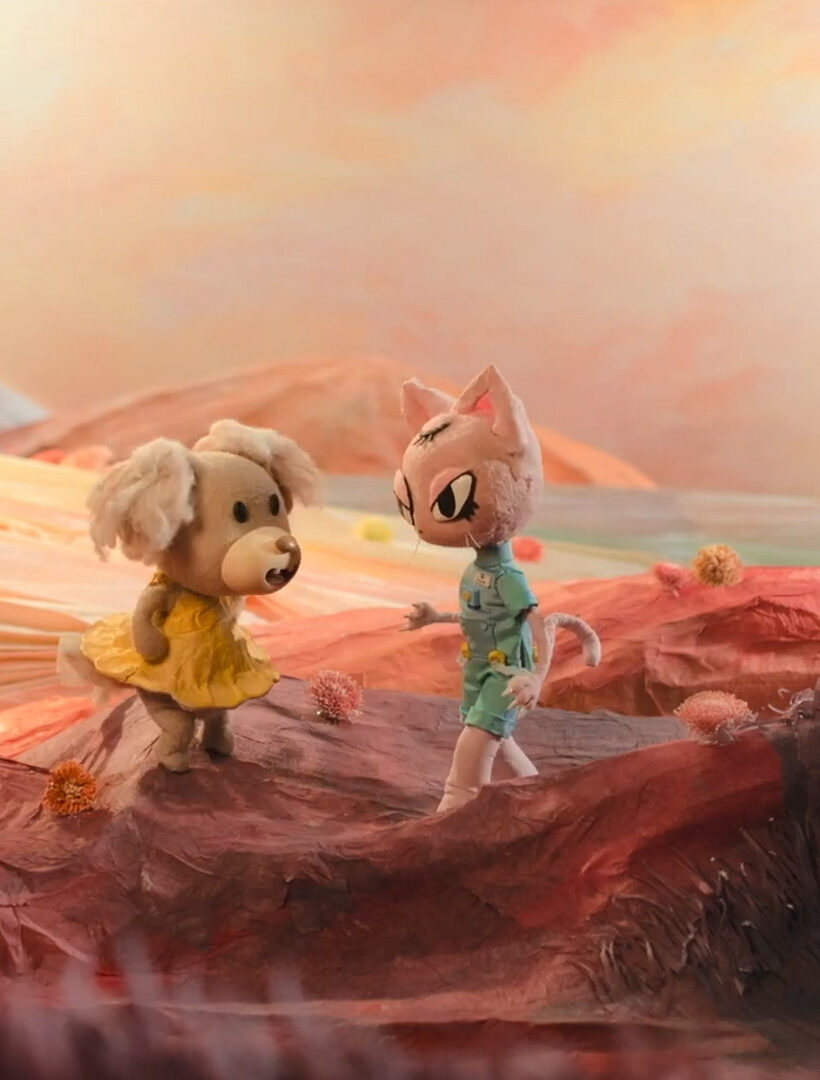
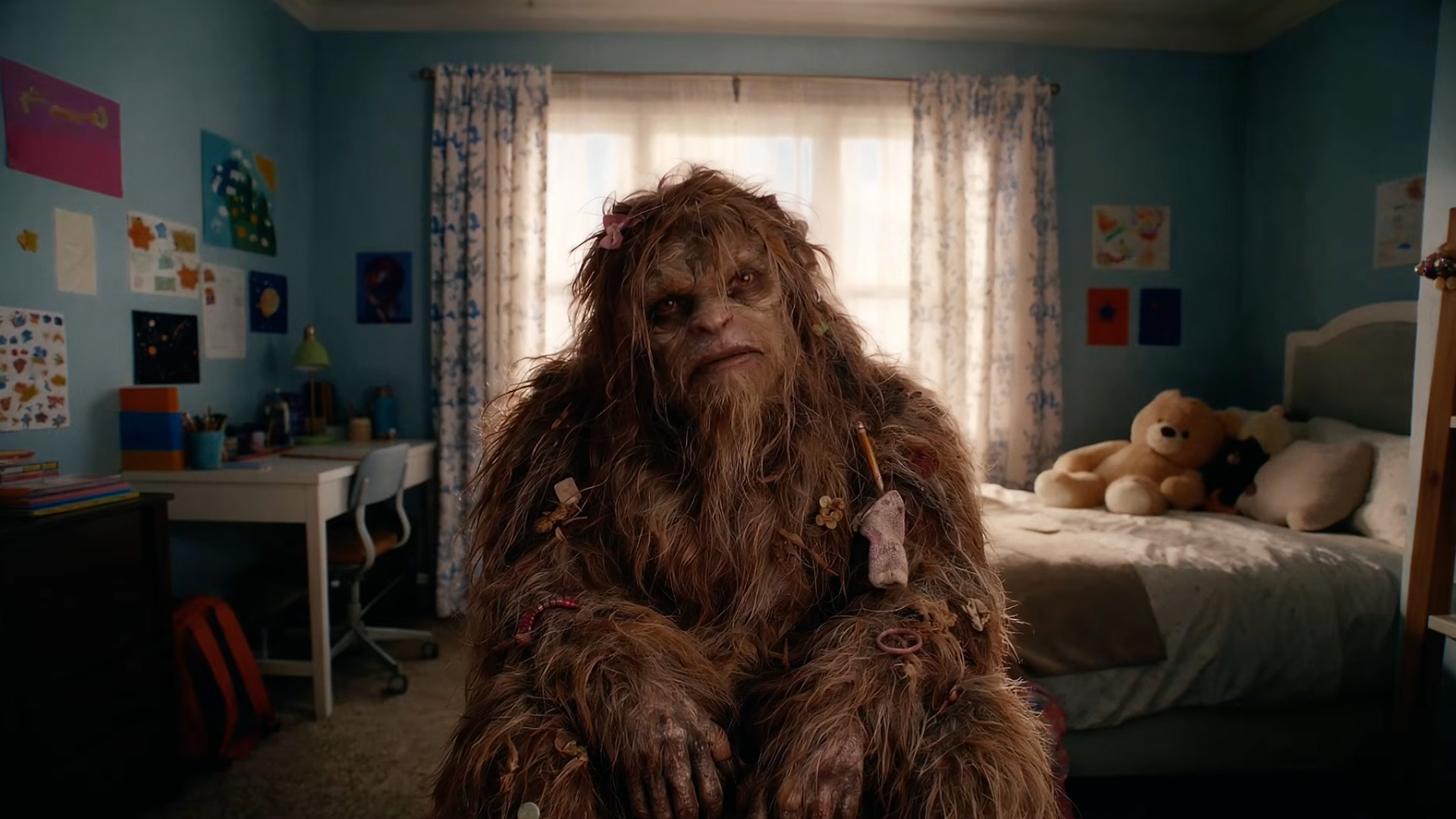
Directed by Simon Meyer of PROMPTR, the three-minute film takes an unusual approach to storytelling. It introduces three familiar childhood nightmares: Pip, Morris and Gus, creatures responsible for hiding behind curtains, inside wardrobes and under beds. But lately, their job hasn’t been going very well. A little girl named Mila simply isn’t afraid of them anymore.
Curious about the change, the monsters investigate. What they discover is something far more frightening than anything lurking in a dark bedroom.
When the Real Monsters Come Out
During their investigation, the creatures witness an unsettling scene involving Mila’s parents. Her mother sends her upstairs, followed by shouting, breaking objects and the sound of domestic violence. Suddenly, the monsters understand why the little girl has stopped fearing the dark.
One of them delivers a heartbreaking observation: children are supposed to be afraid of the dark, not of the day.
Created in collaboration with NO MORE, a global initiative working to end domestic and sexual violence, MONSTERS uses AI filmmaking to bring attention to an issue affecting millions of children. A UNICEF report published in November 2025 revealed that one in four children worldwide lived with a mother who had experienced intimate partner violence in the previous year.
The film has attracted millions of views and emotional reactions, although its use of AI has also sparked debate. Still, its central message has clearly reached people, including viewers who recognised parts of their own childhoods in Mila’s story.
Produced using Kling AI 4.0, MONSTERS is a reminder that technology can be more than a visual playground. Sometimes, it can help tell stories that deserve to be heard.