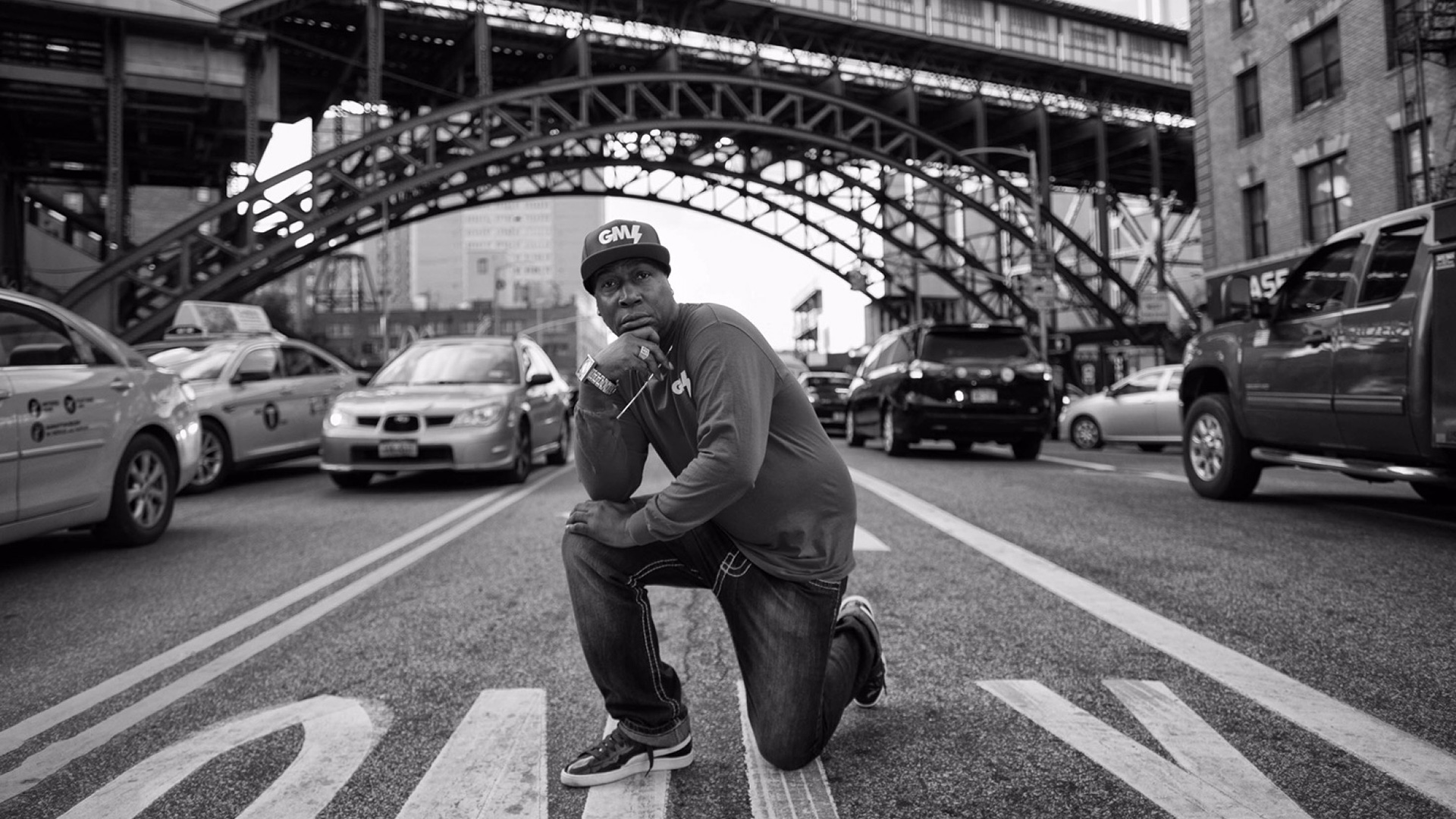
Grandmaster Flash and the Science of Hip-Hop
Lila Monroe
Written by Lila Monroe in From the Shelf Book Review Music

Grandmaster Flash and the Science of Hip-Hop

Hip-hop didn’t begin with a record deal, a recording studio or a chart-topping rapper. It started with DJs, turntables, neighborhood parties and a whole lot of experimentation. At the center of that story was a young kid from the Bronx named Joseph Saddler, better known to the world as Grandmaster Flash.

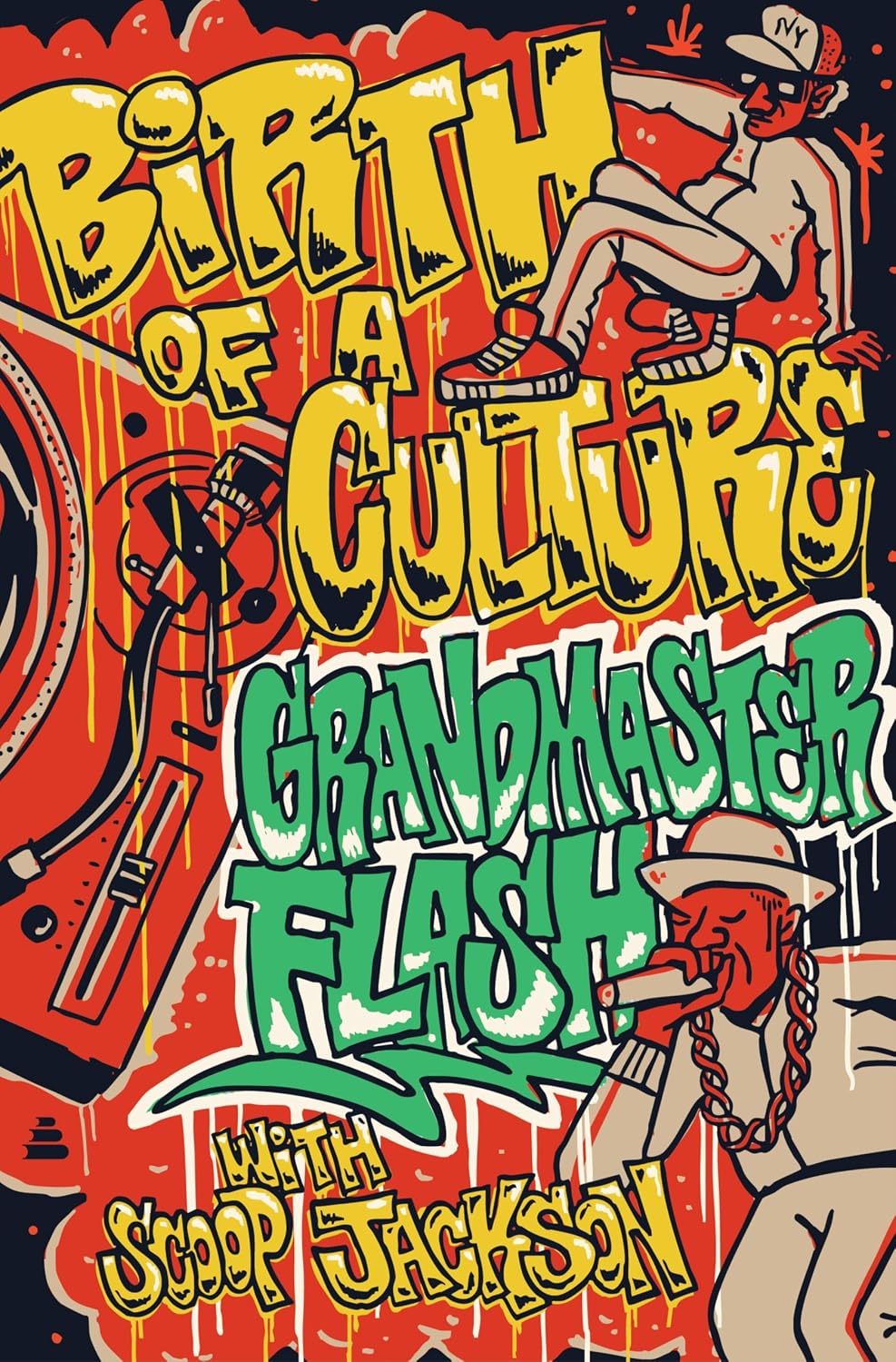
More than five decades later, Flash is going back to where it all began. In Birth of a Culture, written alongside journalist Robert “Scoop” Jackson, he revisits the people, sounds and ideas that helped turn a local music scene into a global phenomenon.
A Kid With a Scientific Mind

Flash’s fascination with music started early. As a child, he would sneak into his father’s record collection, curious about how those black discs could produce sound. His interest in electronics soon became an obsession. He took apart household gadgets, learned how sound equipment worked and eventually built his own DJ setup.

But there was one thing he couldn’t get out of his head: drum breaks. Watching people dance at family parties, he noticed how the crowd came alive whenever the drums took over. The problem? Those moments never lasted long enough.

So he set out to change that.

Using two copies of the same record, homemade equipment and an impressive understanding of timing, Flash developed his Quik Mix Theory. The technique allowed him to extend drum breaks and seamlessly connect different records. It helped lay the groundwork for modern DJing and the creative possibilities that followed.

Hip-hop’s roots await on Amazon
A Culture Built Together

However, Birth of a Culture isn’t simply a victory lap. Flash makes room for the many people who helped shape hip-hop, including fellow pioneers Kool Herc and Afrika Bambaataa, as well as artists from later generations. Contributions from around 20 other figures help connect the dots across decades of music.

He also takes readers back to the Bronx block parties, improvised sound systems and community gatherings where the culture took shape. It’s a reminder that hip-hop wasn’t the invention of one person. It grew through shared ideas, experimentation and countless people finding their voices.

For longtime fans, there’s plenty of history to revisit. For younger readers, it’s a chance to discover just how much creativity and hard work went into something that now belongs to the world.

And who better to tell that story than one of the people who helped make it happen?

Scroll