Finding light inside difficult places
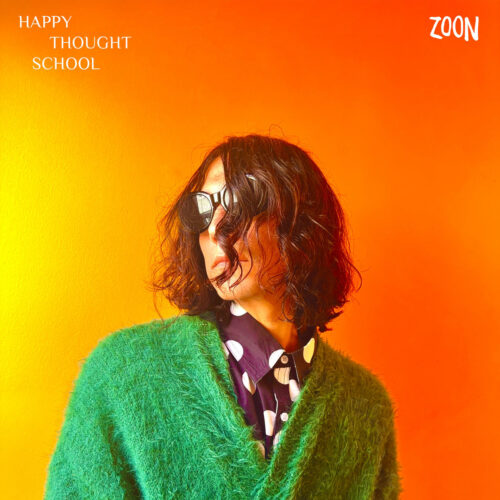
The title Happy Thought School comes from an elementary school in rural Manitoba, where they experienced racism as one of the few Indigenous students. Despite its cheerful name, the school became a symbol of isolation, while pop music offered an escape through a small portable radio during lonely afternoons. That contrast between bright melodies and painful memories shapes nearly every corner of the album.
That emotional balance is especially clear on “You Can’t See Me (This Low),” a dreamy reflection on relapse, grief, and accepting help after losing both a mentor and a cousin. Elsewhere, archival recordings of Monkman’s family, shimmering omnichord textures, and contributions from friends and collaborators turn deeply personal experiences into songs that feel remarkably open rather than closed off.
More than survival
What impressed me most about Happy Thought School is that it never asks for sympathy. Instead, it invites listeners into a space where memory, identity, and healing can exist together. The songs carry real emotional weight, but they’re also filled with irresistible melodies, glowing harmonies, and an unmistakable love for pop music that sits comfortably beside the album’s experimental instincts.
Rather than leaving the past behind, Zoon reshapes it into something new. Happy Thought School reminds us that music can’t erase painful memories, but it can change the way they echo through the present.