When Songs Won’t Stay Quiet
Hersh’s relationship with music is perhaps the book’s most fascinating thread. After a car accident, she began hearing songs in her head that she could not switch off. Chords arrived with colors, while melodies emerged through strange noises and sensations. What might sound like a gift became something more complicated, bringing insomnia, paranoia, and exhaustion alongside bursts of inspiration.
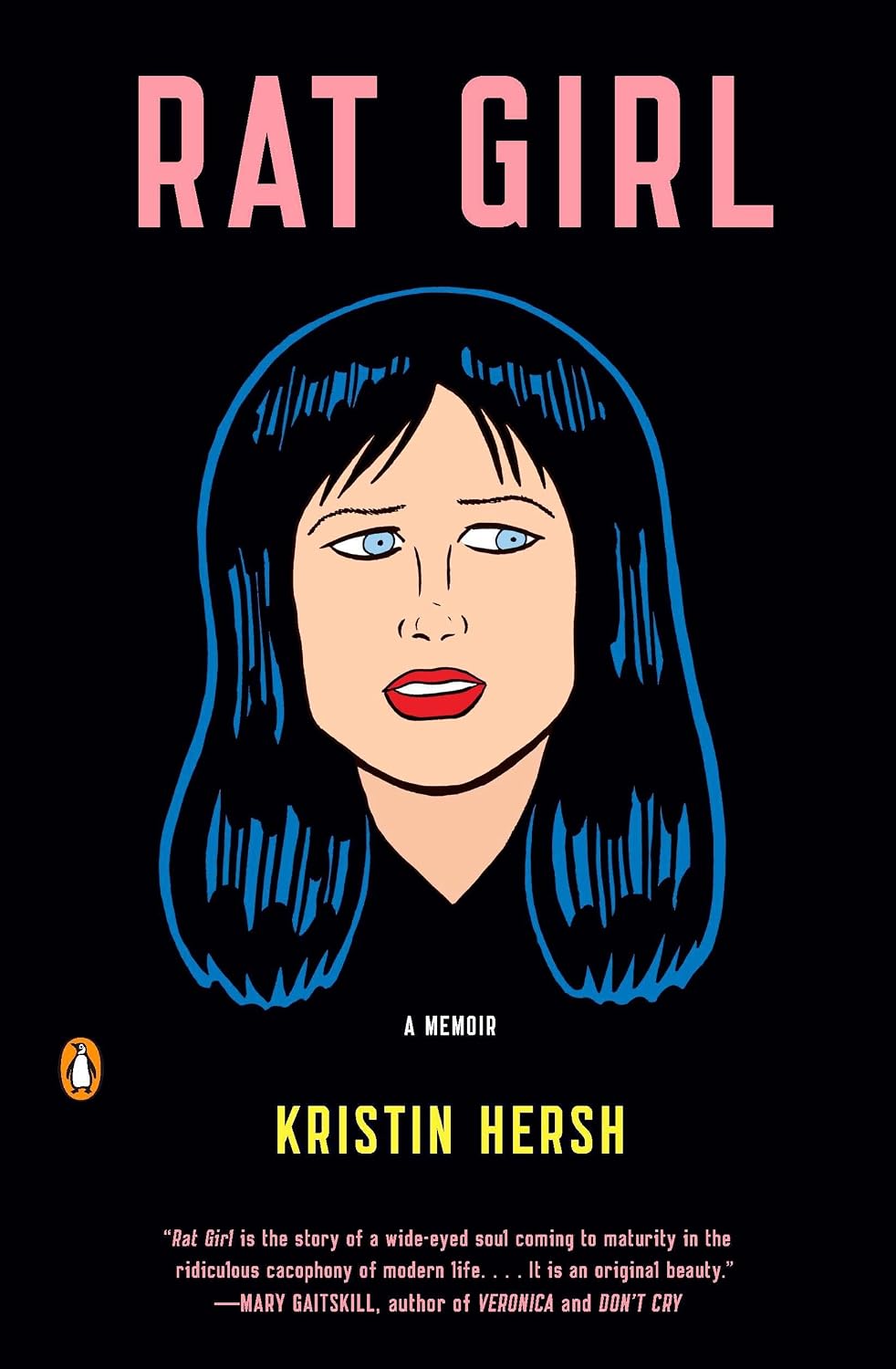
That experience gives Rat Girl an unusual perspective on creativity. Hersh does not describe songwriting as a carefully controlled craft. Instead, music often feels like a force moving through her, something she must catch before it disappears. Her own description of music as something she has “almost no control over” captures the memoir’s central tension: where does the artist end and the art begin?
A Punk Life Without the Mythology
There are plenty of memorable characters and episodes along the way. Hersh’s stepsister Tanya Donelly is part of the band’s story, while Hollywood star Betty Hutton becomes an unlikely friend and mentor. Meanwhile, Throwing Muses themselves emerge as a remarkably supportive group, taking care of one another rather than indulging in the usual rock-star mythology.
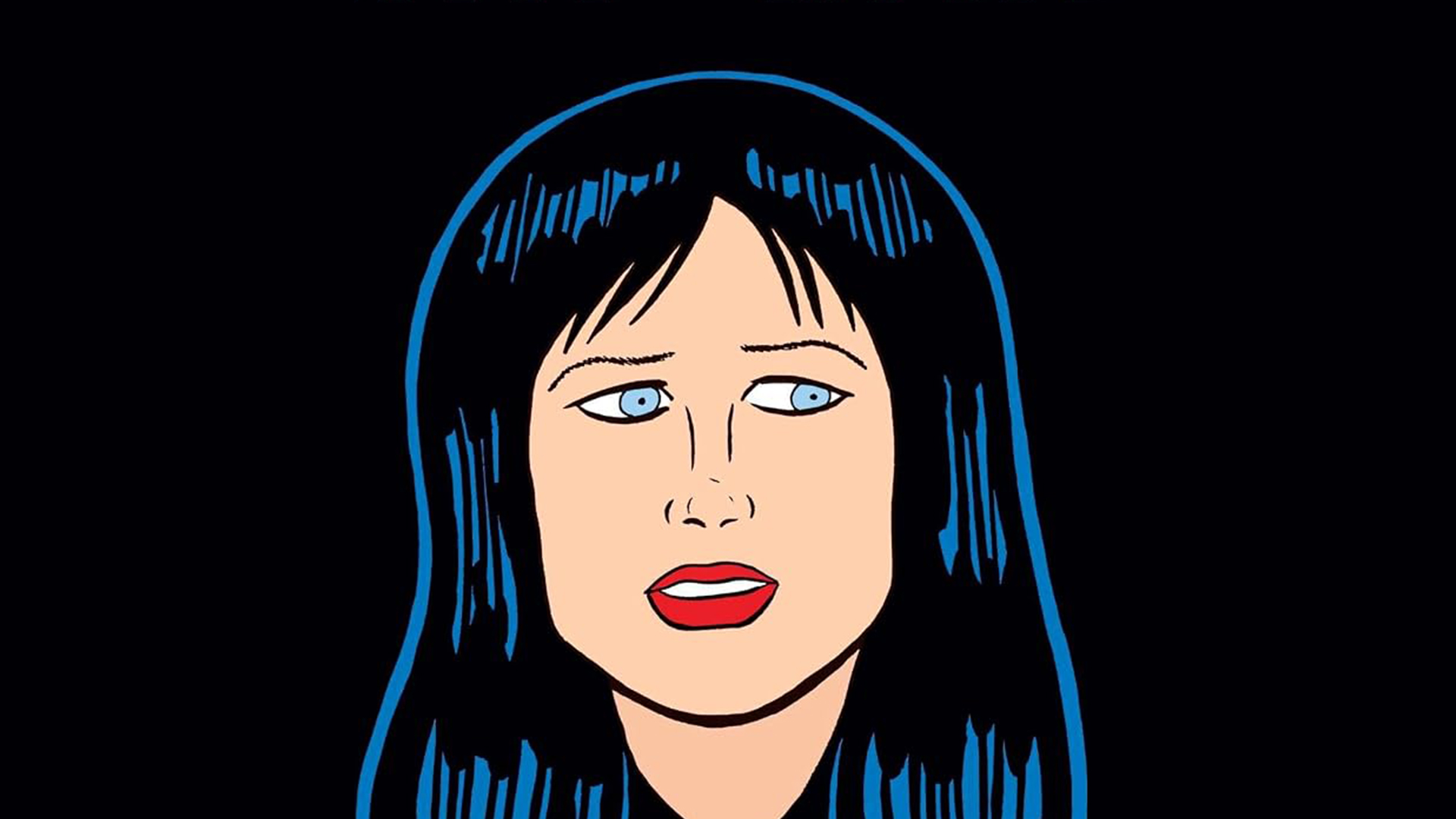
That generosity is part of what makes the memoir so affecting. Hersh writes about an unconventional adolescence filled with battered cars, punk houses, blue hair, strange friendships, pregnancy, and music. Still, beneath the chaos is a young woman trying to understand who she is and what parts of herself she can trust.
Rat Girl ends just as everything is beginning. The album is about to be completed, Hersh gives birth, and the future remains unresolved. Rather than offering a neat conclusion, she leaves us inside that uncertainty. The result is a raw, funny, beautifully strange portrait of a young artist learning to live with the noise in her head.