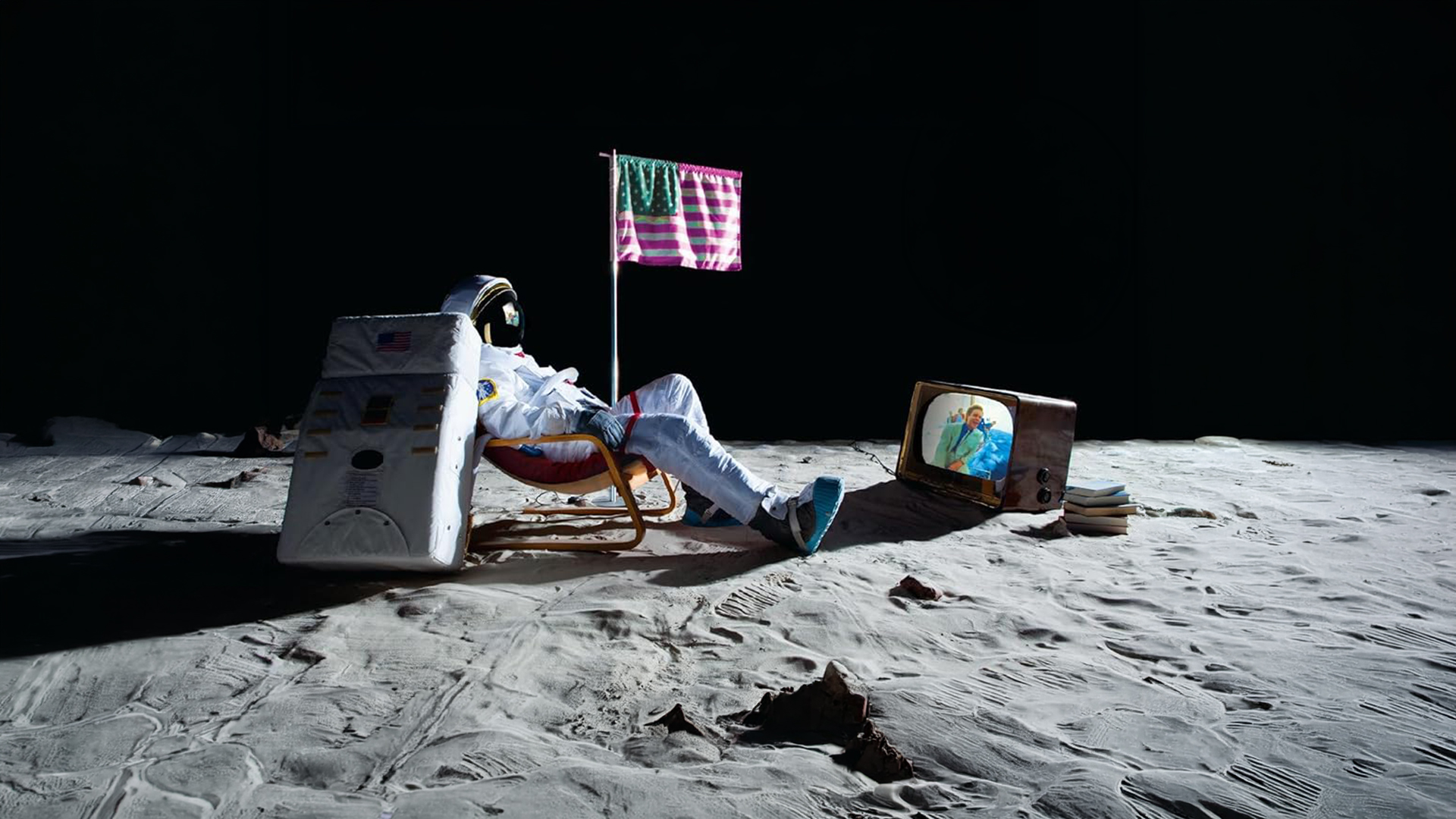
I Want My MTV: How Music Found Its Image
Lila Monroe
Written by Lila Monroe in From the Shelf Book Review Music

I Want My MTV: How Music Found Its Image

For a certain generation, MTV wasn’t just a channel—it was a ritual. Hours spent waiting for a favorite video, sitting through the strange and the forgettable just to catch something great. I Want My MTV: The Uncensored Story of the Music Video Revolution, by Craig Marks and Rob Tannenbaum, captures that experience in all its chaotic, addictive glory.

Structured as an oral history, the book brings together voices from across the industry—artists, executives, VJs—each adding their own perspective to the rise of MTV. The result feels appropriately fragmented, almost like flipping channels. It isn’t polished, and that’s exactly why it works.

At its core, the I Want My MTV book traces a shift in how music was experienced. When MTV launched in 1981, it didn’t just broadcast songs—it reshaped them. Image became inseparable from sound, and artists had to think visually as much as musically. Performers like Madonna and Michael Jackson didn’t just dominate the charts—they defined what a pop star looked like.
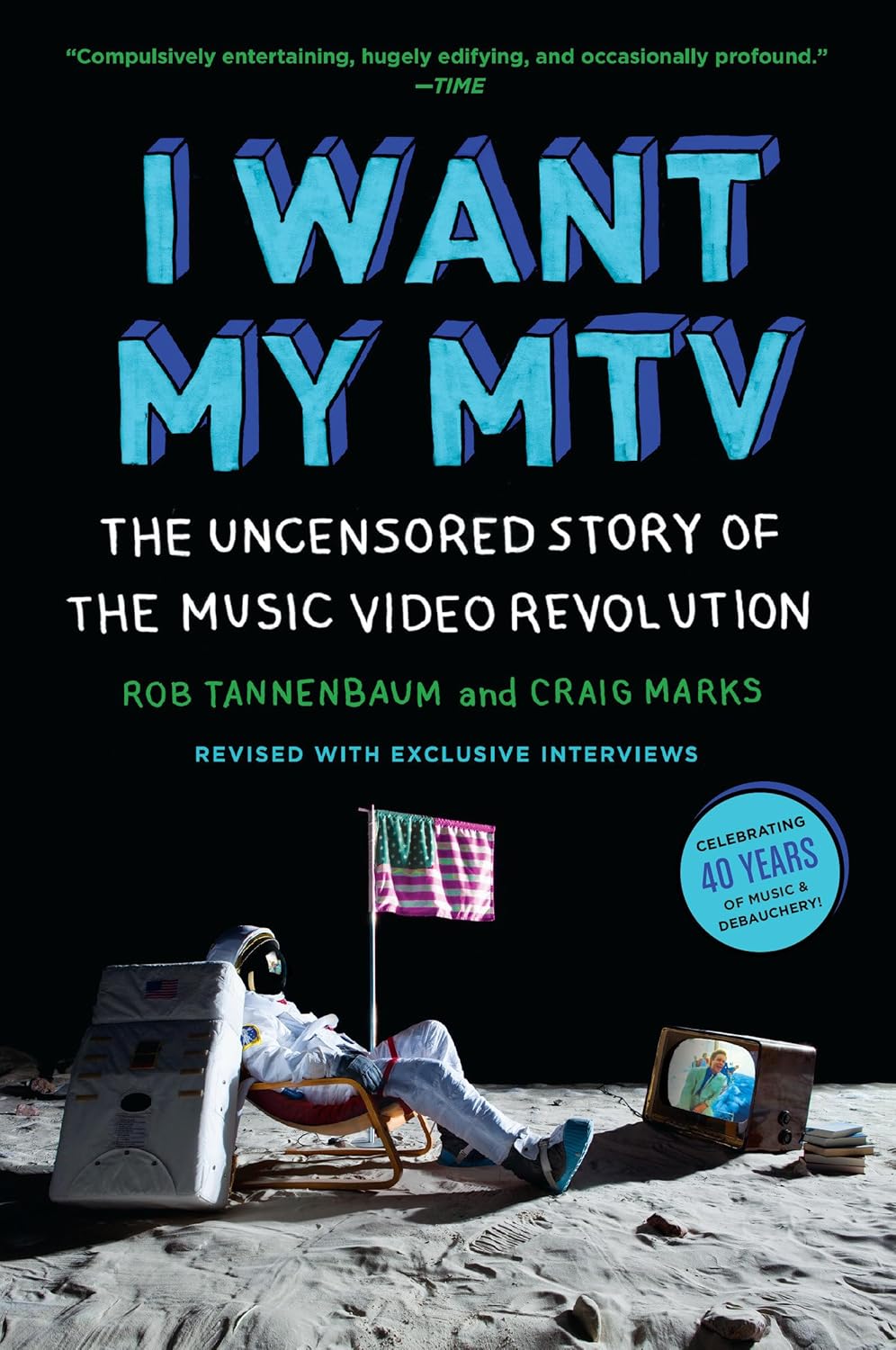
Relive the music video revolution on Amazon.
When Music Became Something You Watched

What makes the book especially engaging is its willingness to linger in the mess. Behind the iconic videos were rushed productions, strange concepts, and plenty of missteps. Some stories are hilarious, others feel like artifacts of a different time, and a few sit somewhere in between—both entertaining and slightly uncomfortable.

But beyond the excess, I Want My MTV hints at something bigger. The rapid editing, the emphasis on visuals, the constant need to hold attention—it all feels like an early version of how we experience media now. In that sense, MTV wasn’t just a trend. It was a preview.

Some of these stories may feel familiar, especially if you’ve watched your share of retrospectives. Still, hearing them directly from the people involved gives them a different kind of weight—less polished, more immediate.

Because this isn’t just a history of music television—it captures the moment that rewired how we listen, watch, and remember, and still shapes how we experience media today.

Scroll