Cig Harvey: The Scent of Colour, The Shape of Memory
Zoë Marin
Written by Zoë Marin in Beyond the Frame Creative Photography

Cig Harvey: The Scent of Colour, The Shape of Memory

There are photographers who document the world as it appears, and then there are those who ask what it feels like to be alive within it. Cig Harvey belongs firmly to the latter. Born in the UK and based in Maine, she has built a body of work that moves fluidly between still life, portraiture, and landscape — yet resists easy categorisation. Her photographs are not records; they are sensory invitations.

Colour, in Harvey’s practice, is never ornamental. It is emotional architecture. Saturated reds pulse with longing, violets hum with quiet intensity, blues stretch into tenderness. Across interviews and conversations, she returns again and again to the idea that photography can hold more than sight — that it can gesture toward scent, taste, touch, even sound. Her images often feel almost tactile, as though the air around them carries perfume or salt or heat.

Harvey often speaks about perception as something shaped as much by memory as by sight. For her, the camera does not simply record what is in front of it — it filters experience through emotion, history, and imagination. This is why her images feel heightened, almost suspended. They are less about documentation and more about sensation — about how a moment lingers long after it has passed.
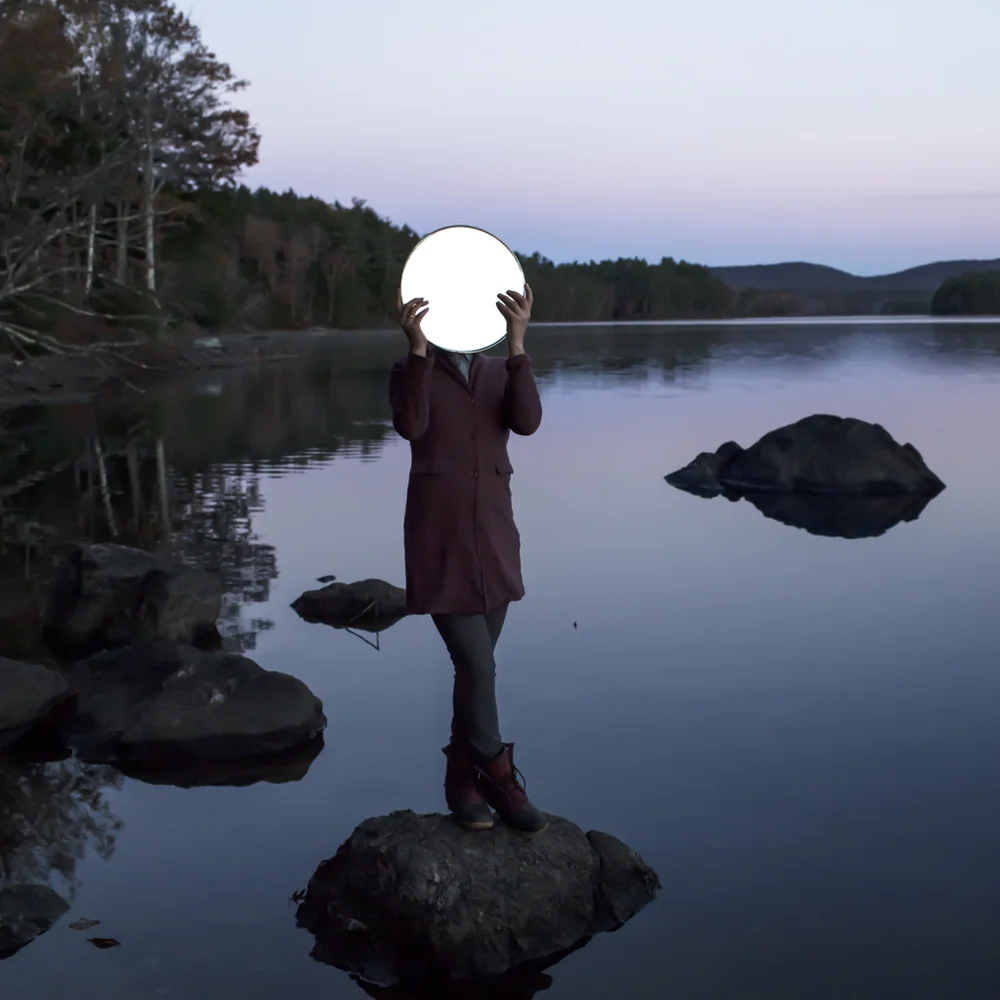
Sadie & The Mirror, by Cig Harvey
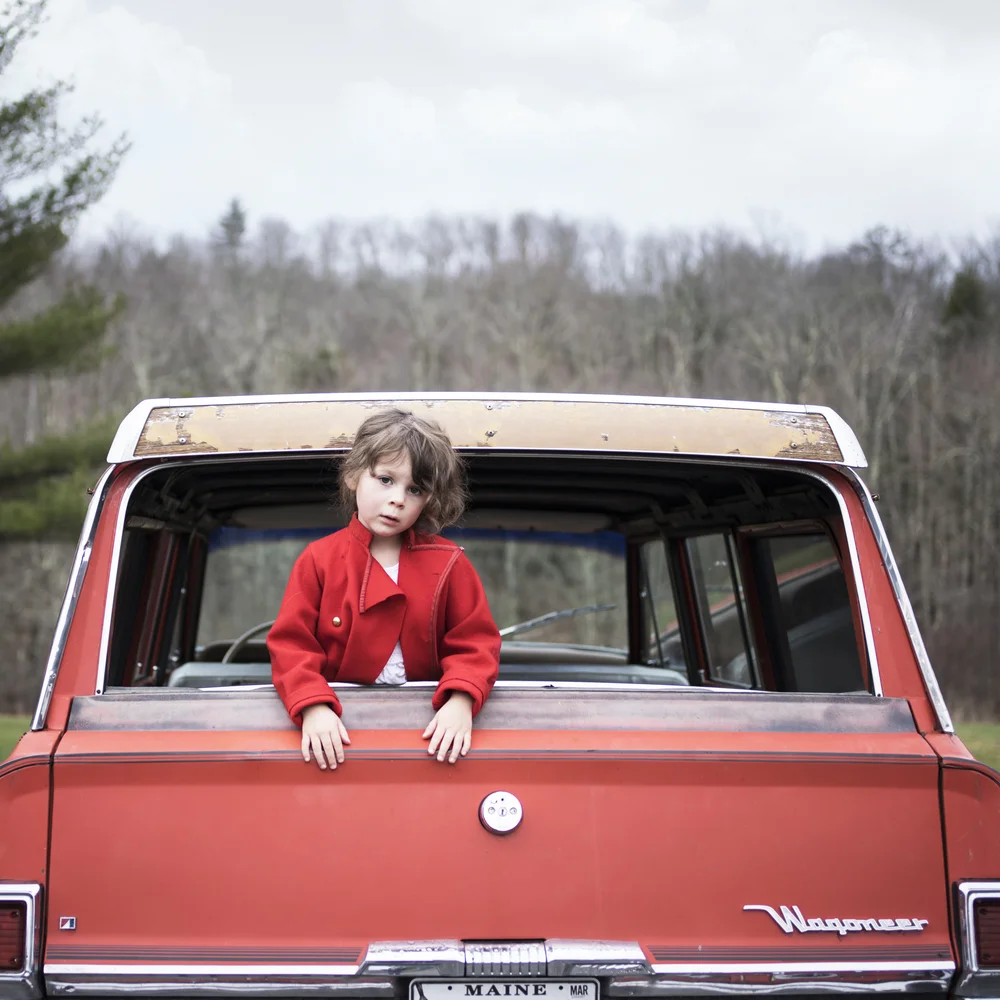
Scout & The Wagoneer, by Cig Harvey

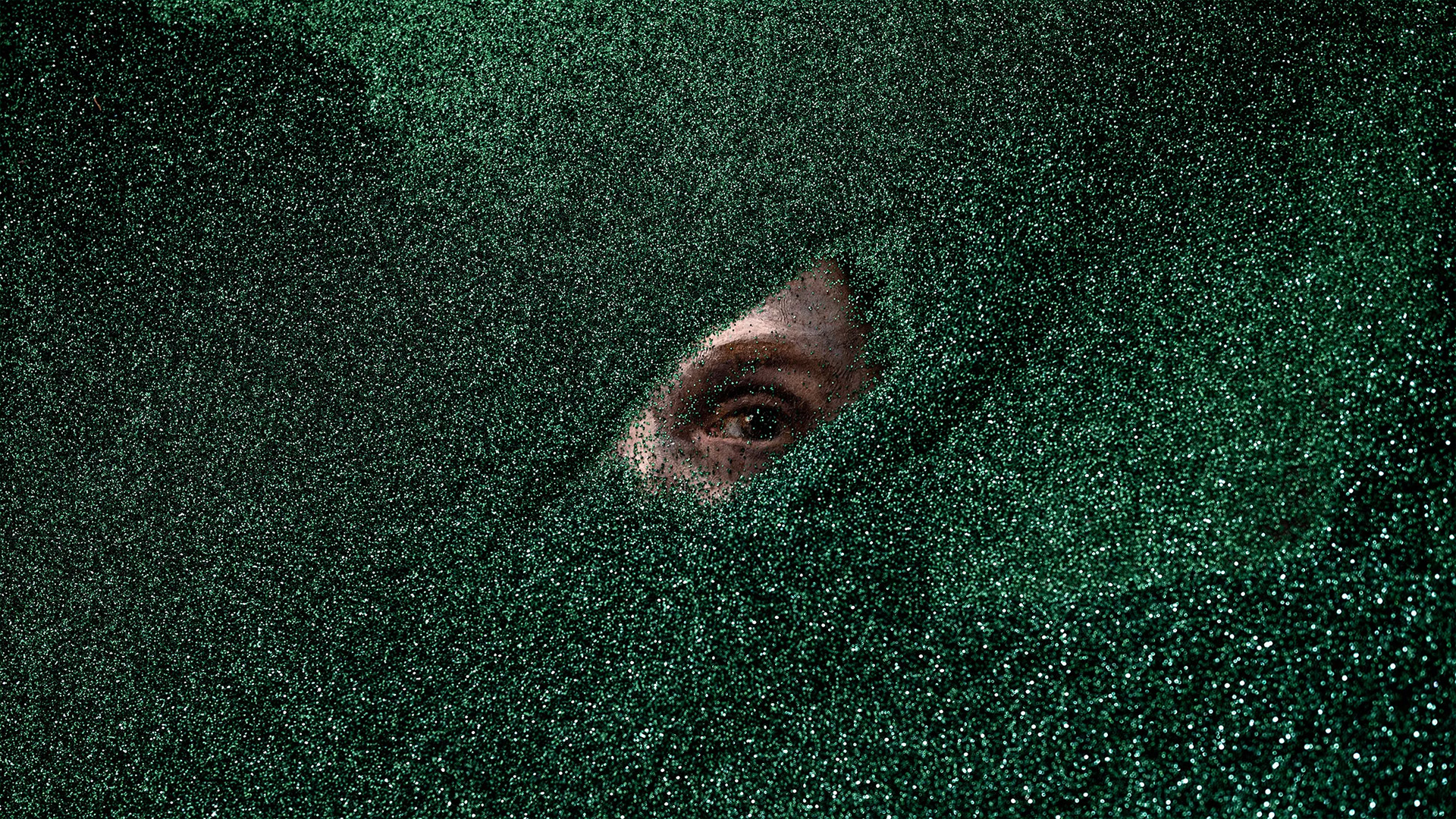
Much of her work emerges from lived experience. She has spoken candidly about illness, vulnerability, and the way the body becomes both subject and lens. In this sense, her photographs are deeply autobiographical without being confessional. They operate in metaphor. A bloom collapsing under its own weight, fruit splitting open, a figure submerged in water — these become emotional states rather than narrative events. The everyday is transformed into something faintly mythic, what one publication once described as fairytale photographs of ordinary life.

Harvey’s integration of handwritten text alongside her images further complicates the act of looking. Words drift across pages like whispered thoughts — fragments of memory, desire, fear. The pairing refuses the idea that photography must stand alone; instead, image and language breathe together. In conversation, she has described photography as a way of paying attention — of noticing what might otherwise pass unseen. The text acts as an extension of that attention, a soft undercurrent beneath the visual surface.

Her books — including You Look at Me Like an Emergency, Blue Violet, and Eat Flowers — function as immersive environments rather than simple collections of photographs. Sequencing becomes crucial. Colour moves like weather. Intimacy accumulates slowly. There is a sense that we are being allowed into a private space, yet the work never feels closed. Instead, it invites viewers to locate their own memories within its saturated frames.

Throughout her career, Harvey has remained committed to the physicality of the photographic object. Whether exhibited on gallery walls or encountered within the tactile intimacy of a book, her images insist on presence. In an era of endless scrolling, this insistence feels radical. She asks us not simply to look, but to linger — to feel the temperature of a room, the weight of a gaze, the sweetness of something just beginning to decay.

What makes Cig Harvey’s work endure is not only its visual beauty, but its vulnerability. She photographs as though sensation itself is fragile — as though colour might evaporate if not held carefully. And in doing so, she reminds us that the act of seeing is never neutral. It is emotional, embodied, and deeply human. To explore more of her work and publications, visit her website.

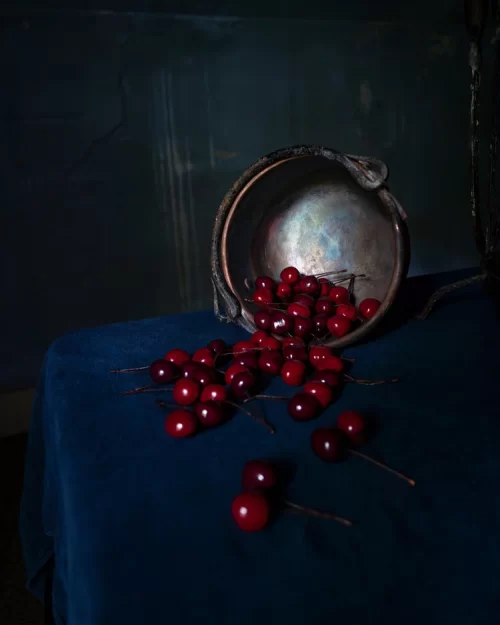
The Cherries, by Cig Harvey
Five Koi, by Cig Harvey
Scroll