Chromatic Dreams: Sarfo Emmanuel Annor’s Portraits of a Future in Colour
Zoë Marin
Written by Zoë Marin in Beyond the Frame Creative Photography

Chromatic Dreams: Sarfo Emmanuel Annor’s Portraits of a Future in Colour

When Sarfo Emmanuel Annor’s portraits first appear, it’s the colours that strike you: brilliant magentas, luminous blues and radiant oranges that make the eye widen and the spirit lift. But linger a moment longer, and you realise these are not simply beautiful images — they are gentle declarations about identity, memory and the promise of a continent’s youth. In Annor’s world, colour is not decoration; it’s language, emotion and a kind of visual optimism that refuses to be quiet.

Annor was born in 2002 in Koforidua, a vibrant city in southeastern Ghana, where the daily rhythms of community life and an early passion for art would shape his creative eye. He first encountered photography through his smartphone, a tool gifted to him after high school that allowed him to begin capturing his surroundings, family and friends in vivid stills. Photography didn’t just become a medium for expression — it became a conduit for storytelling, one that amplifies the voices of young people and reimagines how African beauty can be seen by the world.

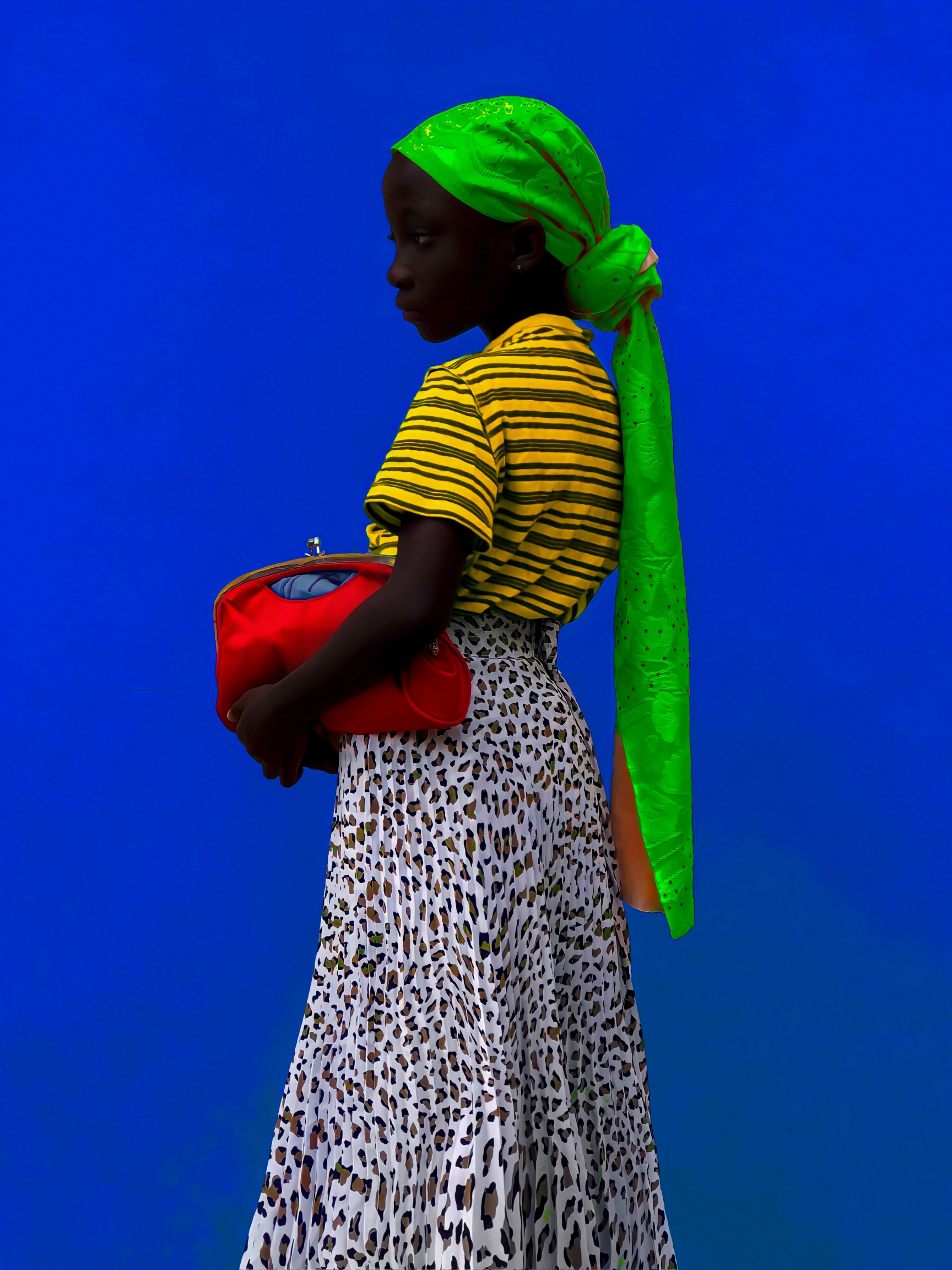
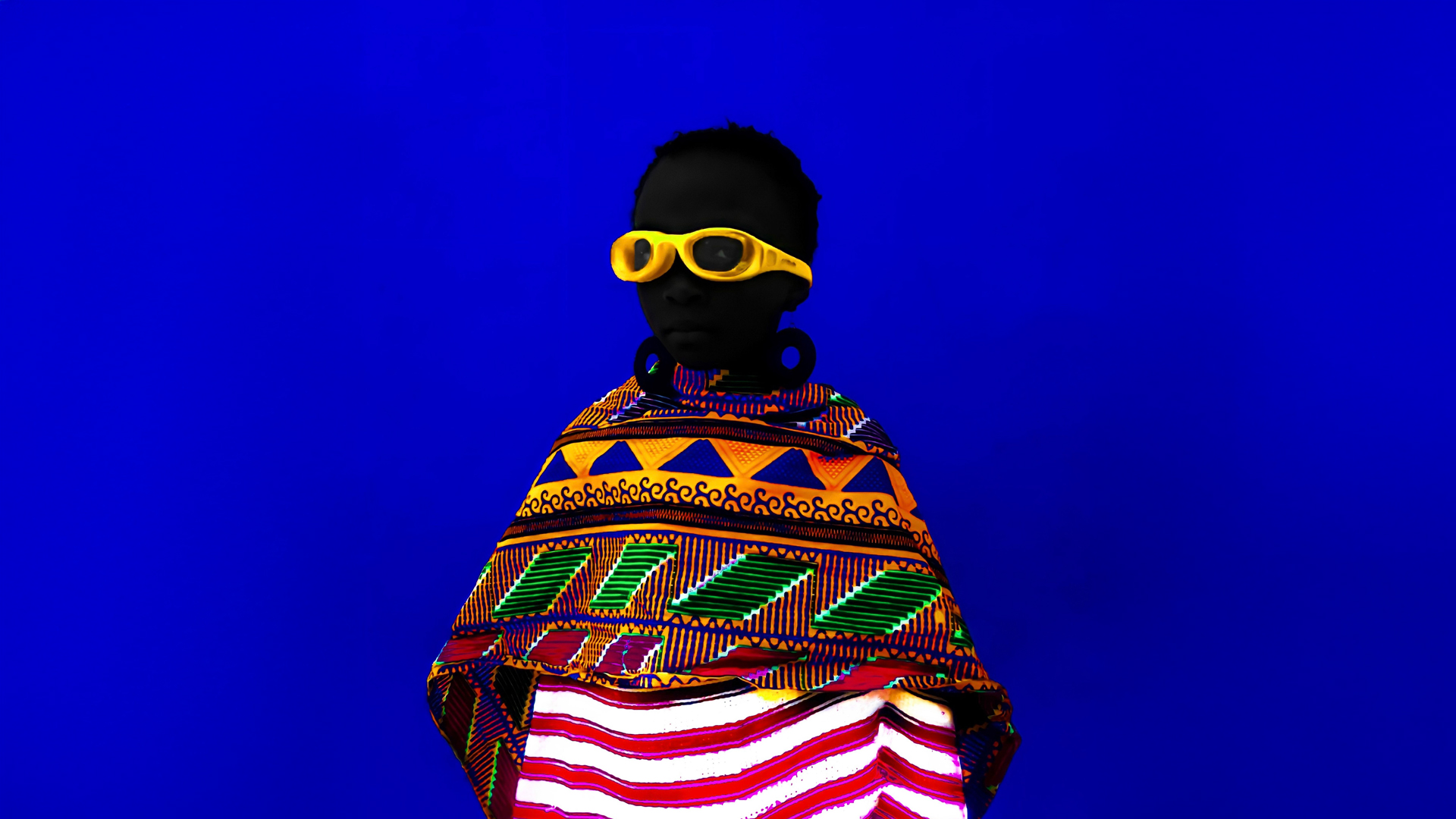
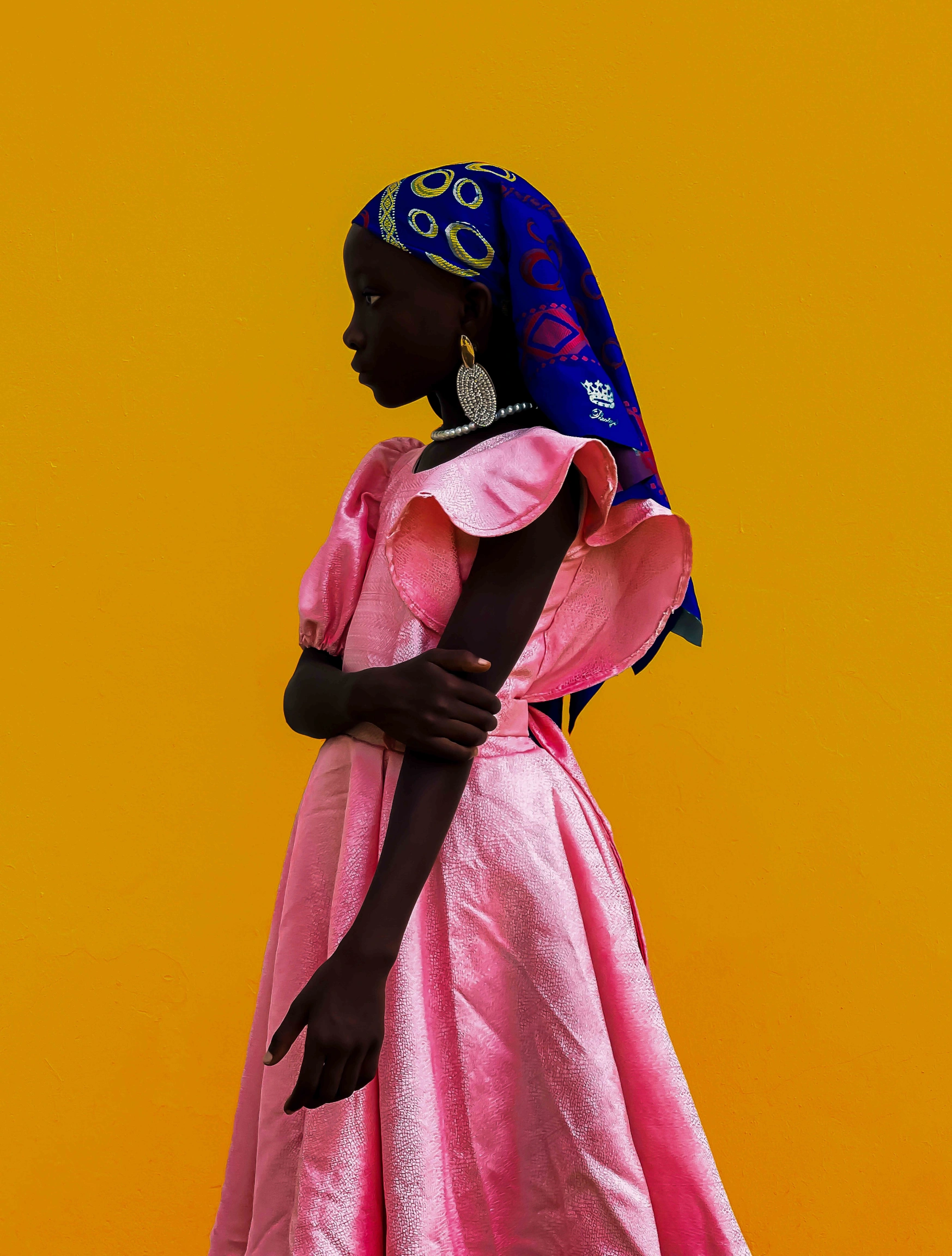
From the very start, Annor’s work has been deeply rooted in colour — both for its emotional power and its cultural resonance. Bold primary hues provide not only striking contrast but a kind of emotional “colour therapy,” as he describes it: a way to lift spirits, spark hope and communicate feeling across cultural boundaries. His portraits often feature young sitters — children from his community — arranged against intense yet simple backdrops that allow personality, posture and aura to take centre stage.
Serenity, by Sarfo Emmanuel Annor
The Bag Seller, by Sarfo Emmanuel Annor

In his early series Life in Color, Annor looks directly at his own environment through a lens that combines joyful aesthetics with narrative depth. His subjects — whether a niece, a neighbour or a young acquaintance — are styled and posed with an intuitive harmony between identity and the visual space they inhabit. These are not posed pictures for strangers; they are portraits of community, shared memory and familiar faces elevated through colour and composition.

This choice of subjects reflects Annor’s belief that Windows into a collective future begin with the young. Children, he believes, carry the energy and potential of the continent — a future that he wishes to frame not with nostalgia or stereotype, but with authenticity, resilience and beauty. “Kids have this special aura around them,” he has explained — a sense of hope bound up in laughter, colour and possibility. His repeated focus on youth is both personal and symbolic, a way of anchoring his work in the stories of the next generation.

Though he began shooting on his phone out of necessity, that early practice has become part of his artistic identity. Annor’s evolving technique now blends natural intuition with increasing technical refinement; in recent series such as Youthful Spirits, he has embraced professional cameras while retaining the vibrant palette and intuitive composition that define his visual signature. In this series, he explores emotional thresholds — the tension between attachment and autonomy, innocence and responsibility — using colour as both metaphor and mood.

Across disparate series and moments of evolution, two constants remain in Annor’s practice: colour as expression and people as narrative anchors. Colour is more than aesthetic; it is a feeling, a message, a way of communicating joy, tension, resilience and cultural pride. And the people he photographs — young, expressive, often bathed in bold hues — become living embodiments of that message.

Annor’s ascent from smartphone photographer to internationally exhibited talent — from local streets in Koforidua to exhibitions in Paris and beyond — is a testament to the clarity and sincerity of his artistic voice. It reminds us that powerful art does not always begin with equipment or pedigree, but with curiosity, emotional intelligence and a willingness to imagine a future worth celebrating.

Annor’s rise from photographing his immediate surroundings to exhibiting internationally is a reminder that strong visual language doesn’t depend on access or excess, but on clarity of vision. His portraits celebrate youth not as an abstract idea, but as lived presence—full of colour, confidence and emotional depth. With each image, he continues to shape a future-facing narrative of African identity, one that feels both intimate and expansively hopeful.

Lovable, by Sarfo Emmanuel Annor
Royalty, by Sarfo Emmanuel Annor
Scroll