Between Beauty and Rupture: The Photography of Ori Gersht
Zoë Marin
Written by Zoë Marin in Beyond the Frame Creative Photography

Between Beauty and Rupture: The Photography of Ori Gersht

Ori Gersht’s photography moves in that rare space where stillness and violence meet — where beauty is not serene, but suspenseful, and where the camera becomes a tool for confronting time rather than simply capturing it. Across his work, he examines the fragile threshold between presence and loss, history and memory, inviting viewers into images that are as poetic as they are unsettling.

Born in Tel Aviv in 1967, Gersht has lived and worked in London for over two decades, where he also teaches photography. His practice spans both still photography and film, always probing photography’s relationship with truth and perception. Rather than merely documenting the world, Gersht’s work questions the medium’s ability to represent time, trauma, and the invisible forces that shape experience.

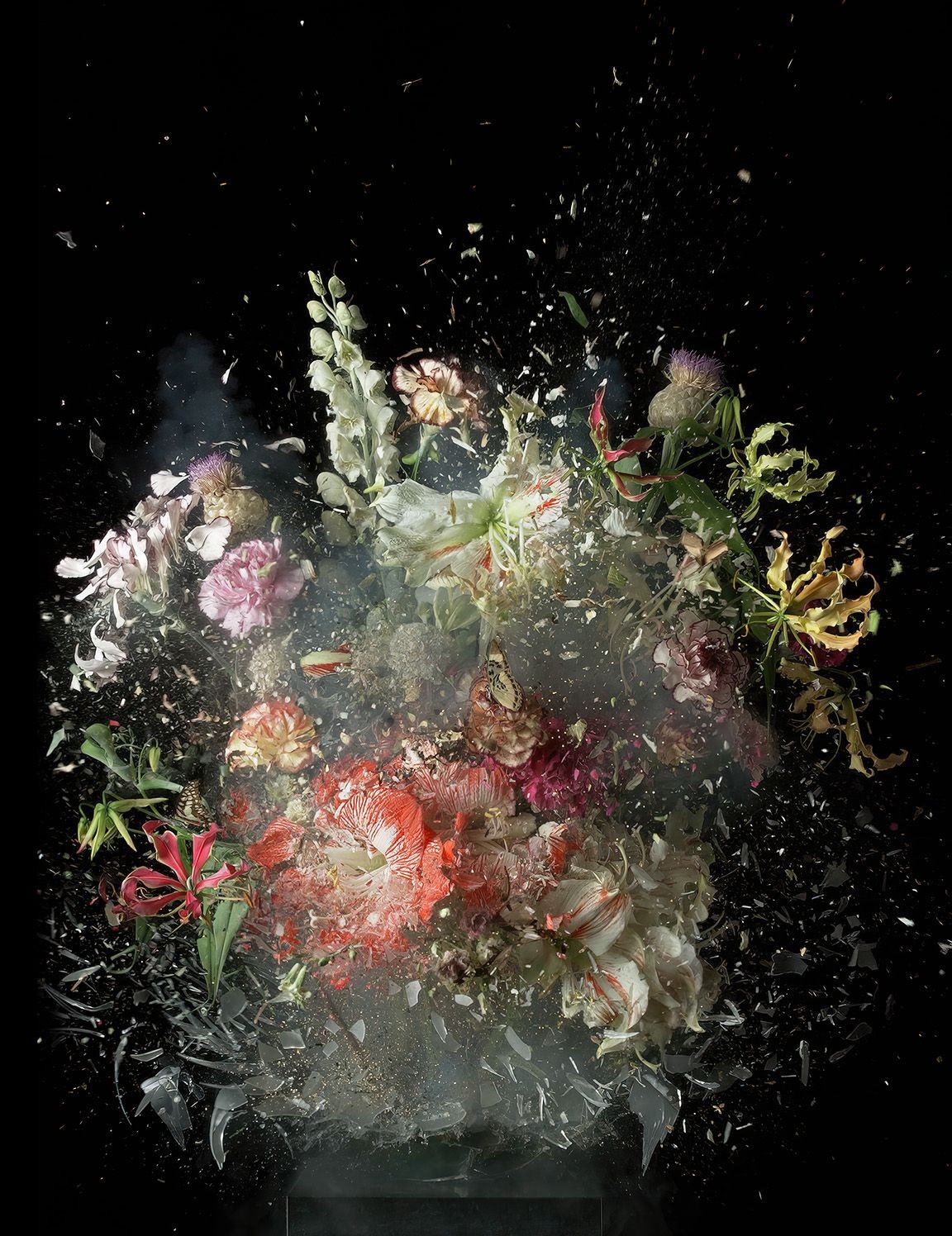
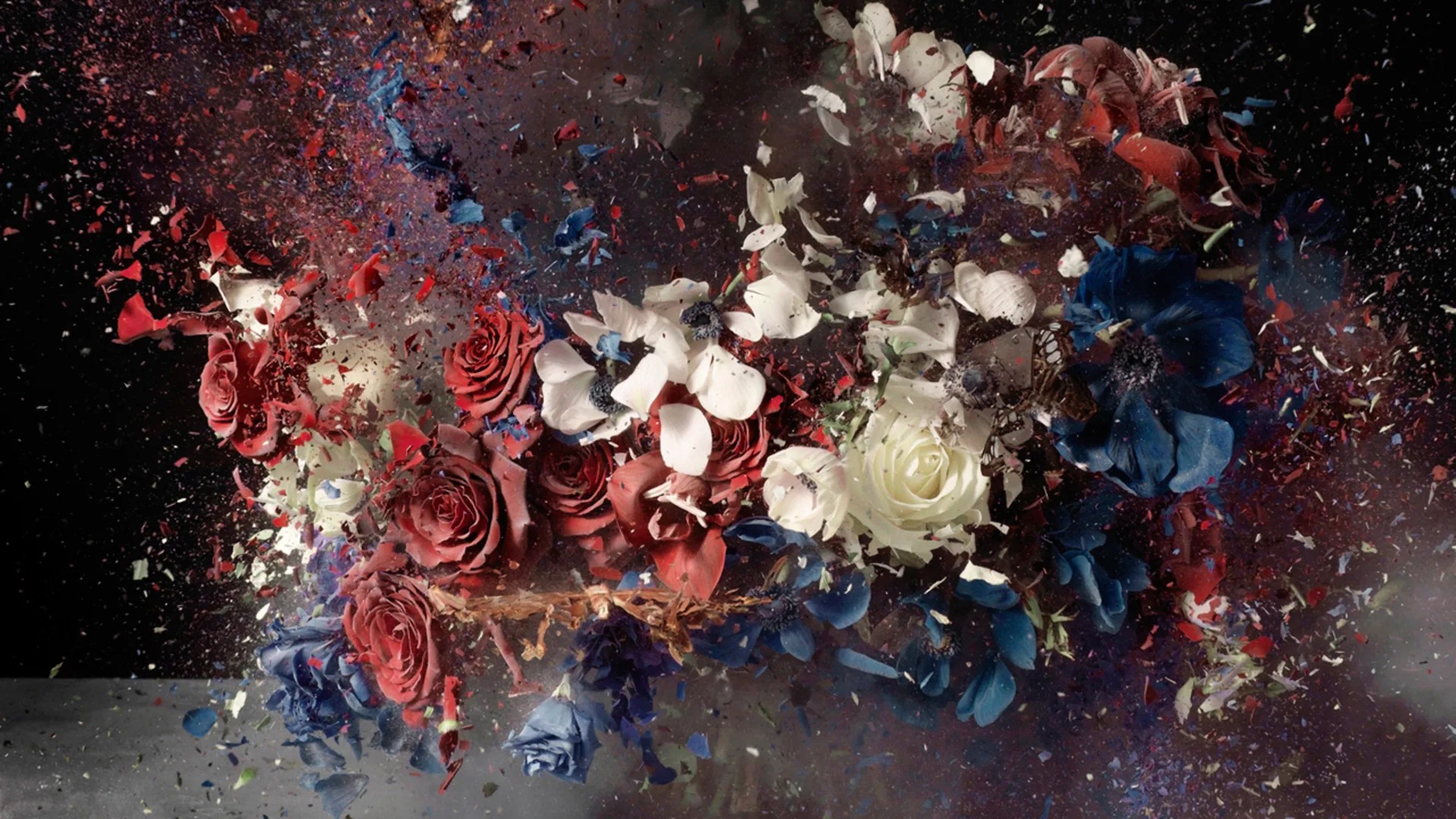
What marks Gersht’s work most strikingly is his dialogue with still life — a genre with deep roots in art history, traditionally associated with calm compositions, symbolic fruit and flowers, and reflections on mortality. He subverts this heritage by introducing moments of rupture and transformation. In series like Blow Up, ornate floral arrangements lie poised only to be shattered by controlled explosions, captured in high-speed photography that freezes the split-second of destruction. The resulting images are both visually sumptuous and viscerally disquieting — a reminder that beauty and violence can be inseparable.
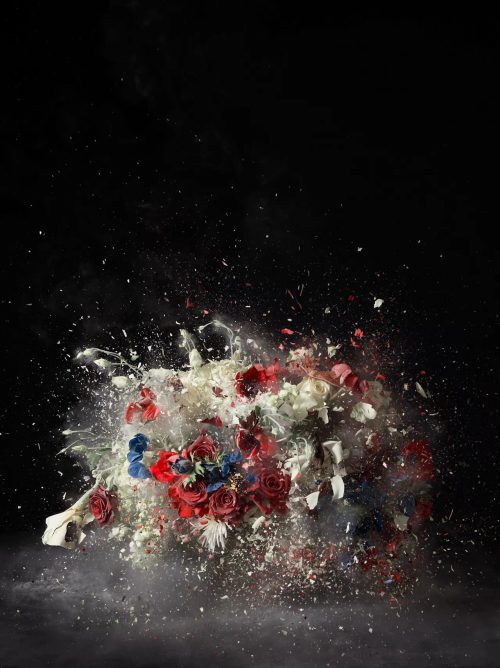
Time After Time: Blow Up No. 1, by Ori Gersht. Source: prix.pictet.com
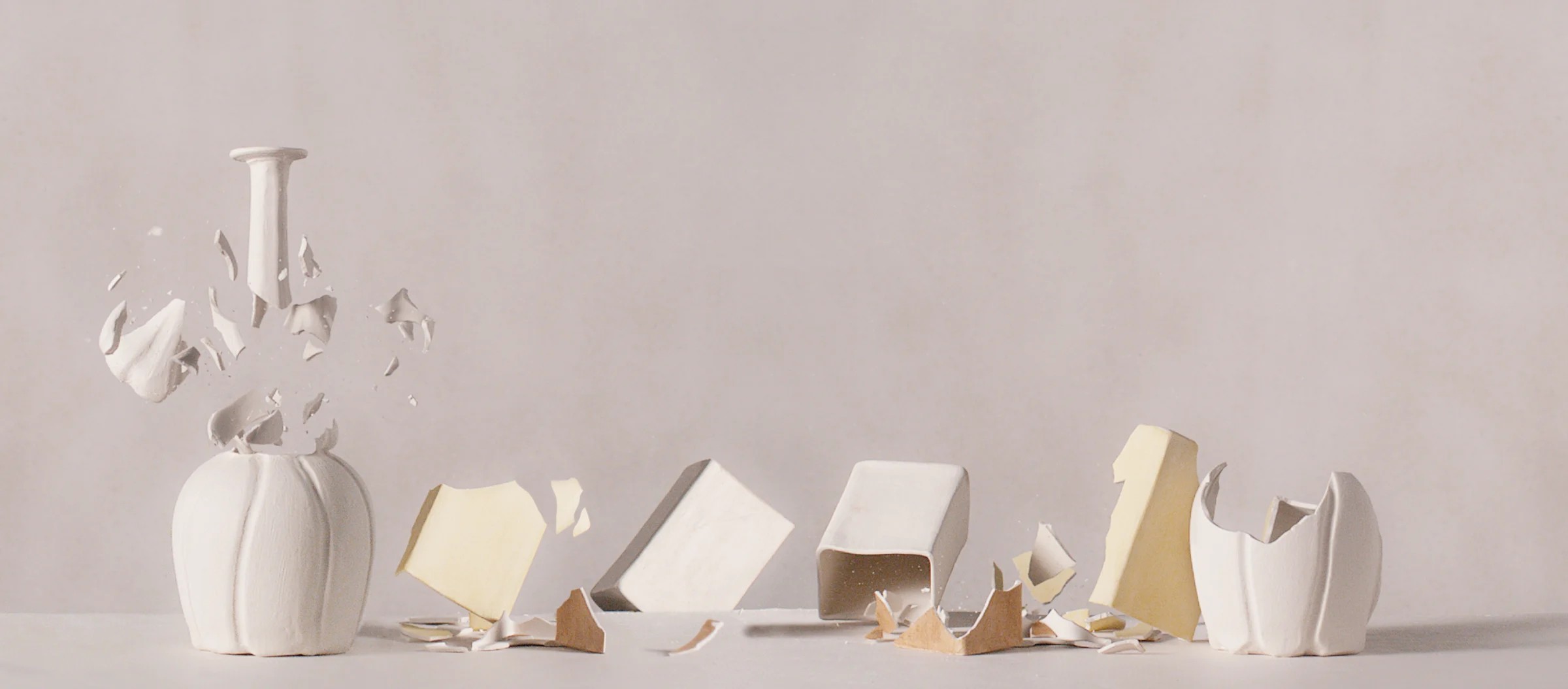
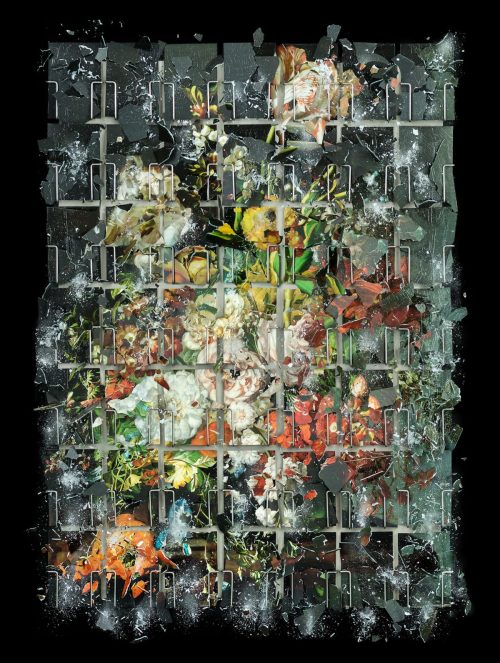
Becoming, Dutch Flower 02, by Ori Gersht. Source: michaelhoppengallery.com

These photographs do not merely depict a moment of violent change; they hold the liminal space between creation and destruction, revealing both the fragility and resilience inherent in life. Gersht’s camera slow-motions the chaos, pulling the viewer into an infinitesimal instant where petals, stems, glass and dust hang suspended in unpredictable motion. This technique creates a tension that is almost sculptural, as if the photographer has found a way to visualize the invisible force of time itself.

For Gersht, this engagement with destruction echoes much older visual traditions. He often references the vanitas paintings of the 16th and 17th centuries — works that juxtaposed symbols of life and death to remind viewers of life’s transience — yet he does so not with languid decay but with explosive interruption. In this sense, his photographs feel like elegies to both the promise and the impermanence of beauty.

Beyond his still lifes of flowers and fruit, Gersht also explores landscape and history. His engagement with landscapes shaped by conflict — including sites marked by war and collective trauma — conveys an eerie stillness, a quiet trace of what has been lost. Though these places may appear tranquil at first glance, they resonate with emotional reverberations that reach beyond the frame, offering a visual language for memory that transcends literal representation.

Another facet of his practice involves Becoming (2021), a body of work that reflects on creation and entropy through shattered relics of art history itself. By printing historical imagery of museum collections onto glass and then allowing those images to fracture, Gersht visualizes the breakdown of order and the emergence of new compositional possibilities from chaos — a metaphor for memory and time that continues to haunt his photographic vocabulary.

His work has been recognised internationally, shortlisted for prestigious awards and shown in many major institutions. One notable example is his inclusion in the Prix Pictet Disorder exhibition cycle, where his Blow Up series stood among other artists addressing disruption, uncertainty and transformation through photography.

In galleries and museums around the world, Gersht’s images compel viewers to slow down, to witness before interpreting; to experience a photograph as a site of time rather than a frozen instant. What appears at first to be lush and composed soon reveals an undercurrent of tension — a reminder that beneath still life lies the pulse of history, memory and relentless change.

If you’re drawn to photography that defies quick meaning and lingers in the uneasy space between beauty and rupture, there’s more to explore at origersht.com — where his evolving work continues to push the boundaries of perception, time and the photographic image itself.

Fields and Vision 04, by Ori Gersht. Source: talleydunn.com
Evertime 05, by Ori Gersht. Source: michaelhoppengallery.com
Scroll