Where Images Refuse to Settle: Mehdi Dandi’s Afterimage
Zoë Marin
Written by Zoë Marin in Beyond the Frame Art & Design Creative Photography

Where Images Refuse to Settle: Mehdi Dandi’s Afterimage

An image that doesn’t stay still

Photographs are often trusted to hold things in place. A moment, a face, a fragment of time—fixed and preserved. But in Mehdi Dandi’s work, images don’t behave that way. They shift, fracture, and resist the idea of being held at all.

In Afterimage, presented at Stephen Bulger Gallery, photography becomes something far less stable. Rather than acting as a document, the image is treated as something fragile—already slipping away even as it appears. What remains is not the photograph itself, but its afterimage: a trace that lingers, altered by time, distance, and memory.
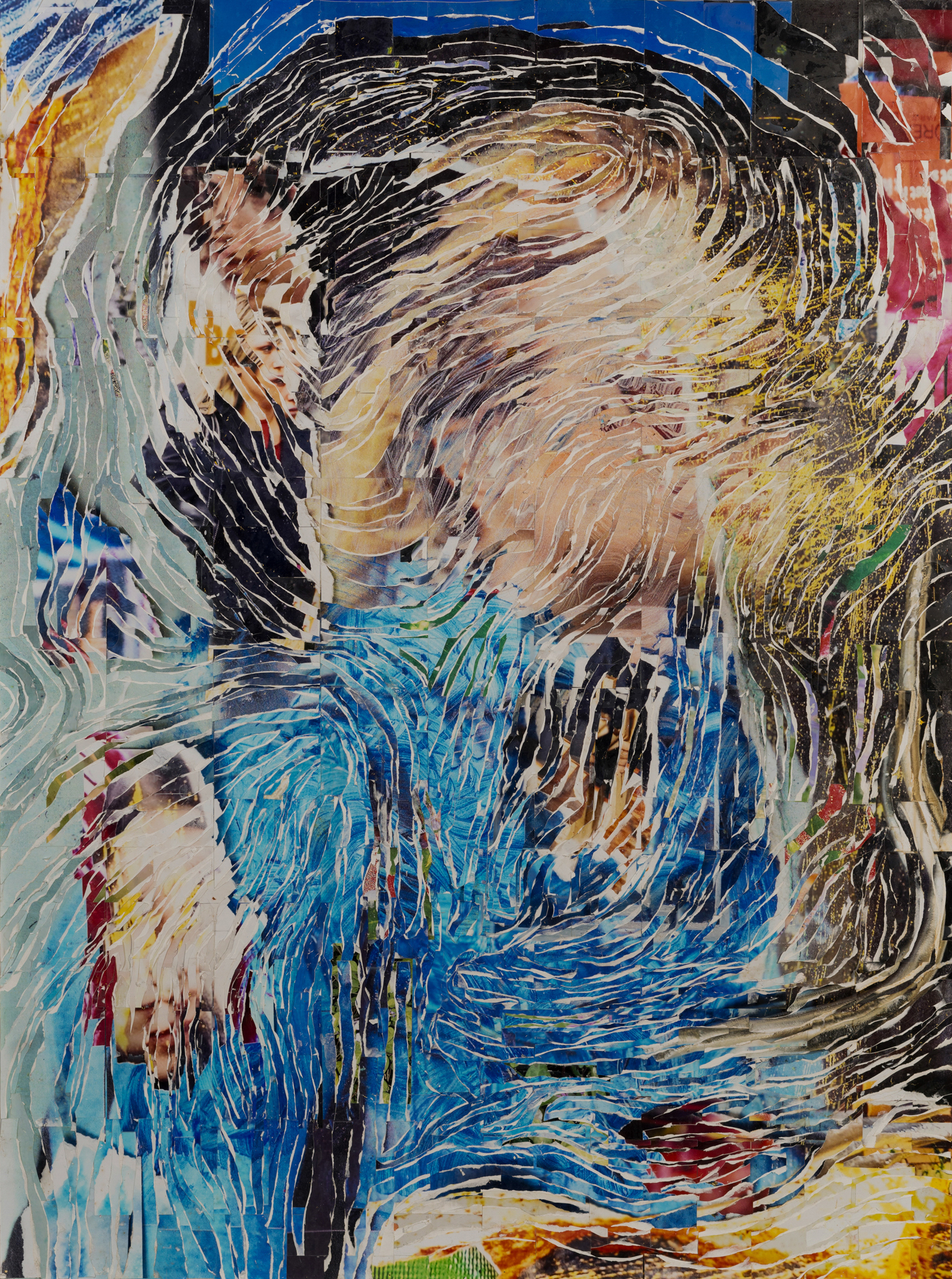
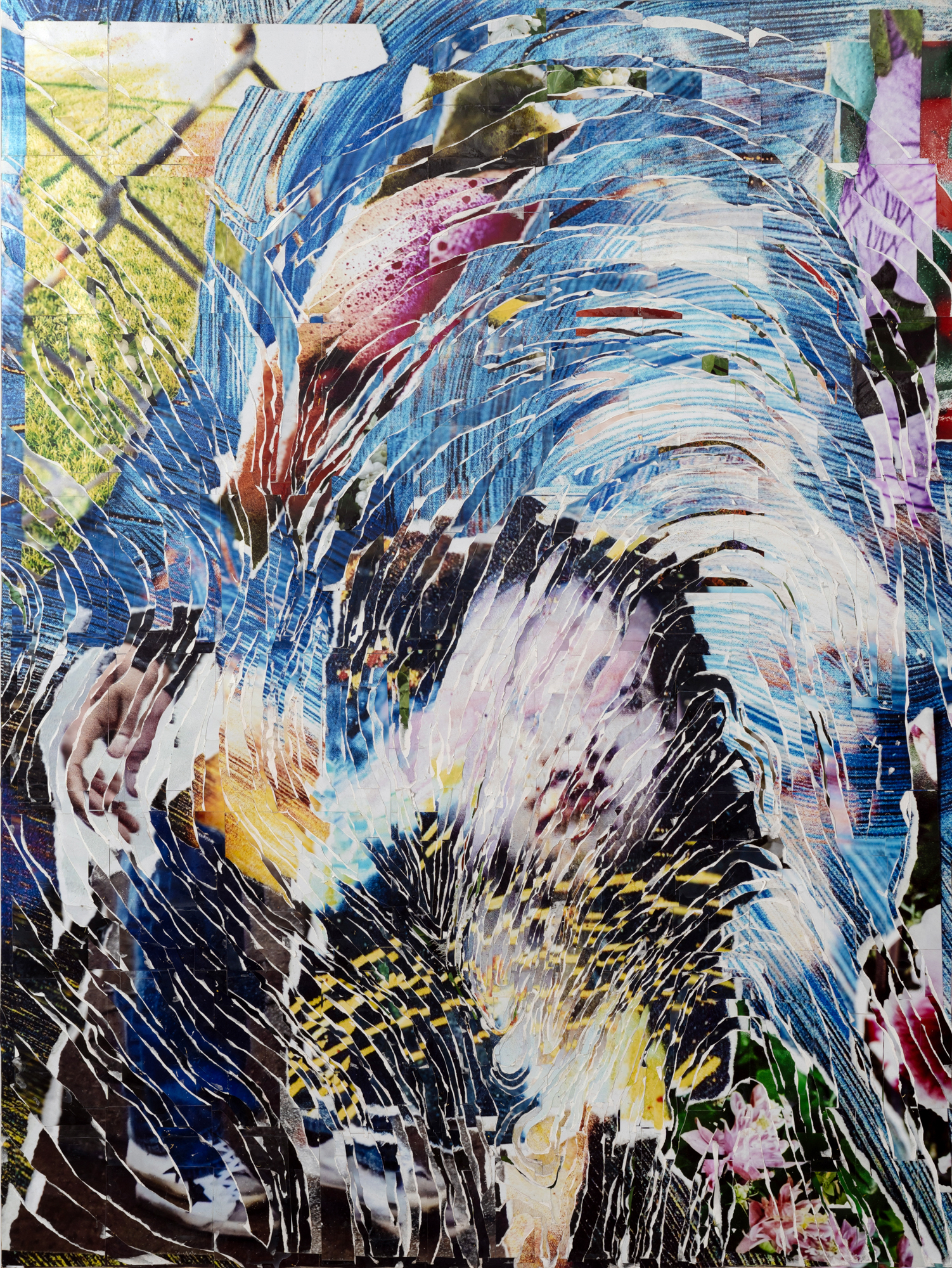
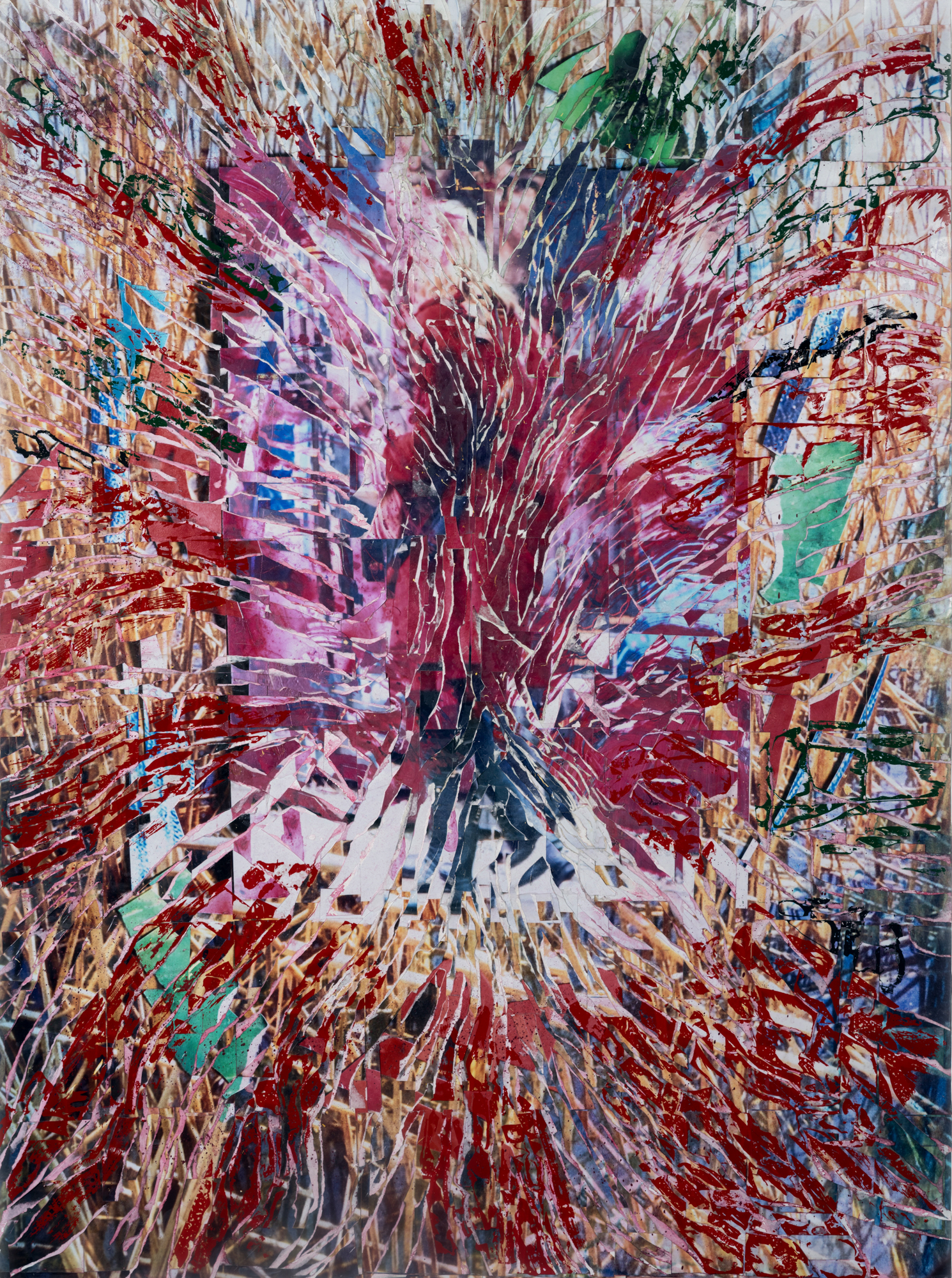
Chaos Secret, from Mehdi Dandi Afterimage exhibition
Mehdi Dandi. Chaos Secret, 2025
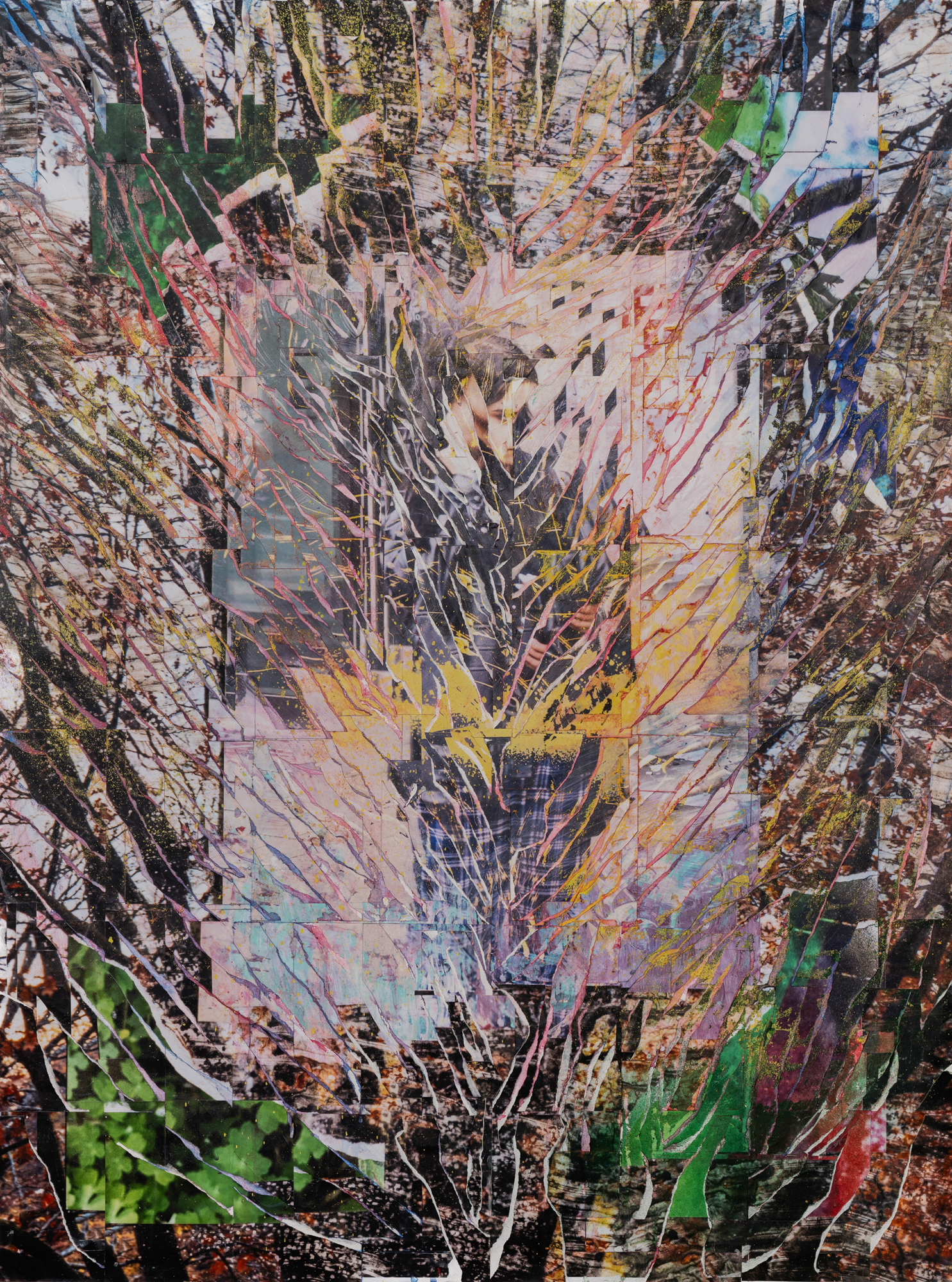
Hidden Familiar, , from Mehdi Dandi Afterimage exhibition
Mehdi Dandi. Hidden Familiar, 2025
Fragments of remembering

Dandi’s process begins simply enough—with a photograph. Often drawn from anonymous figures and everyday encounters in public space, these images carry faint echoes of a life before migration. But instead of preserving them, he disrupts them.

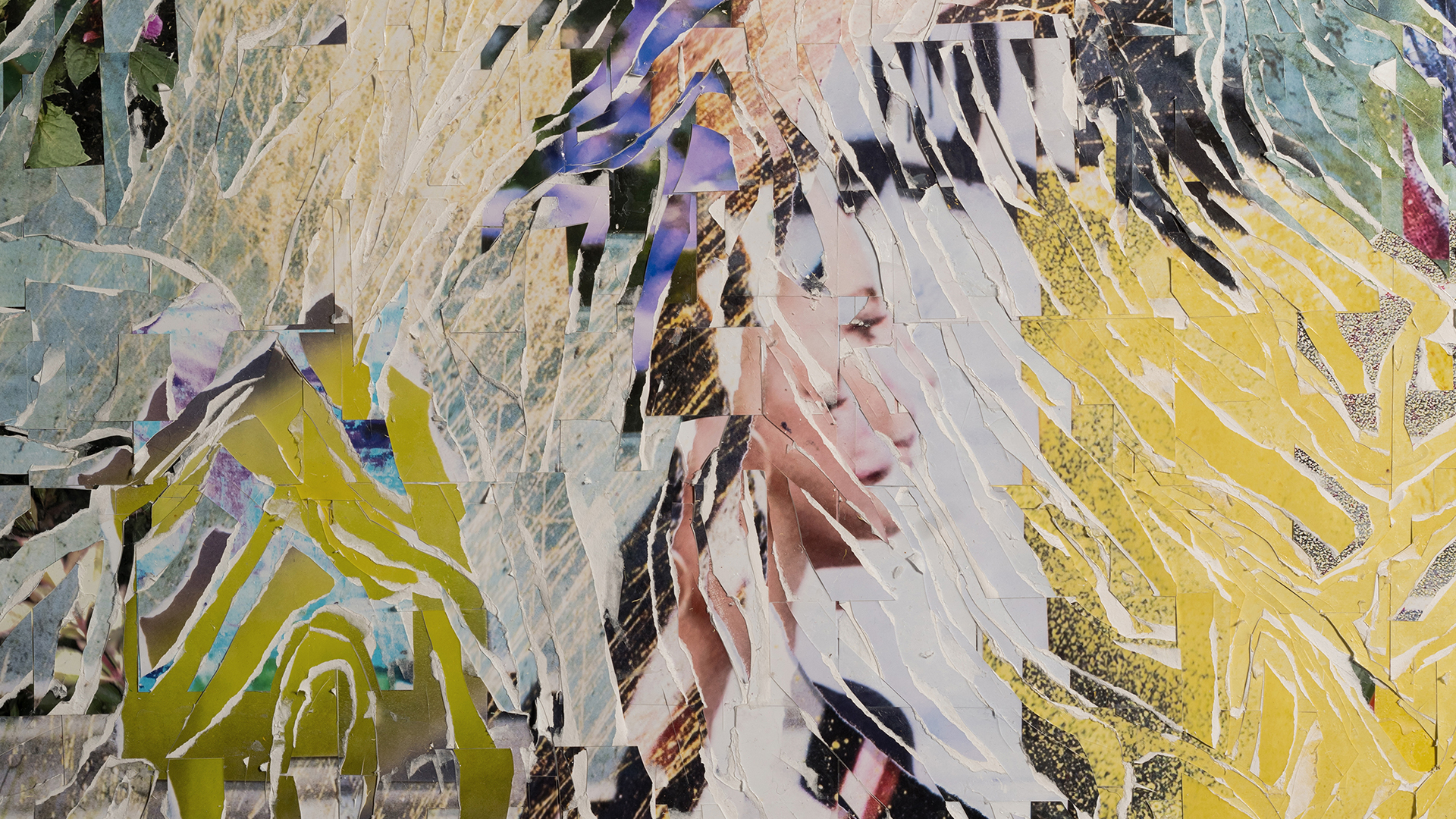
Through a layered, physical process of manipulation, re-photographing, printing, and tearing, the images are gradually transformed. Sections are cut away using décollage, revealing fragments beneath. As a result, memory is not presented as something whole, but as something partial—built from interruptions, gaps, and shifting impressions.

Between surface and depth

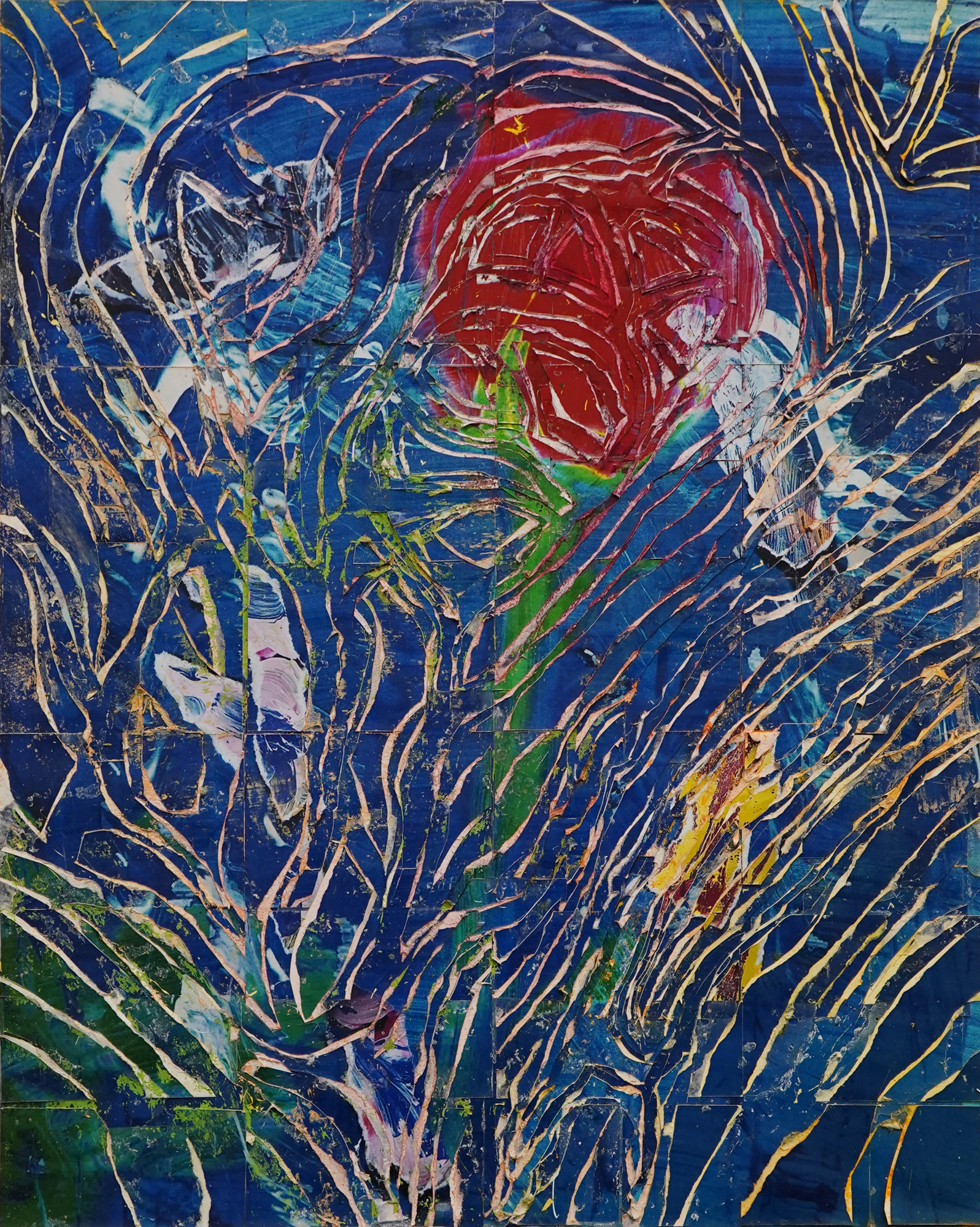
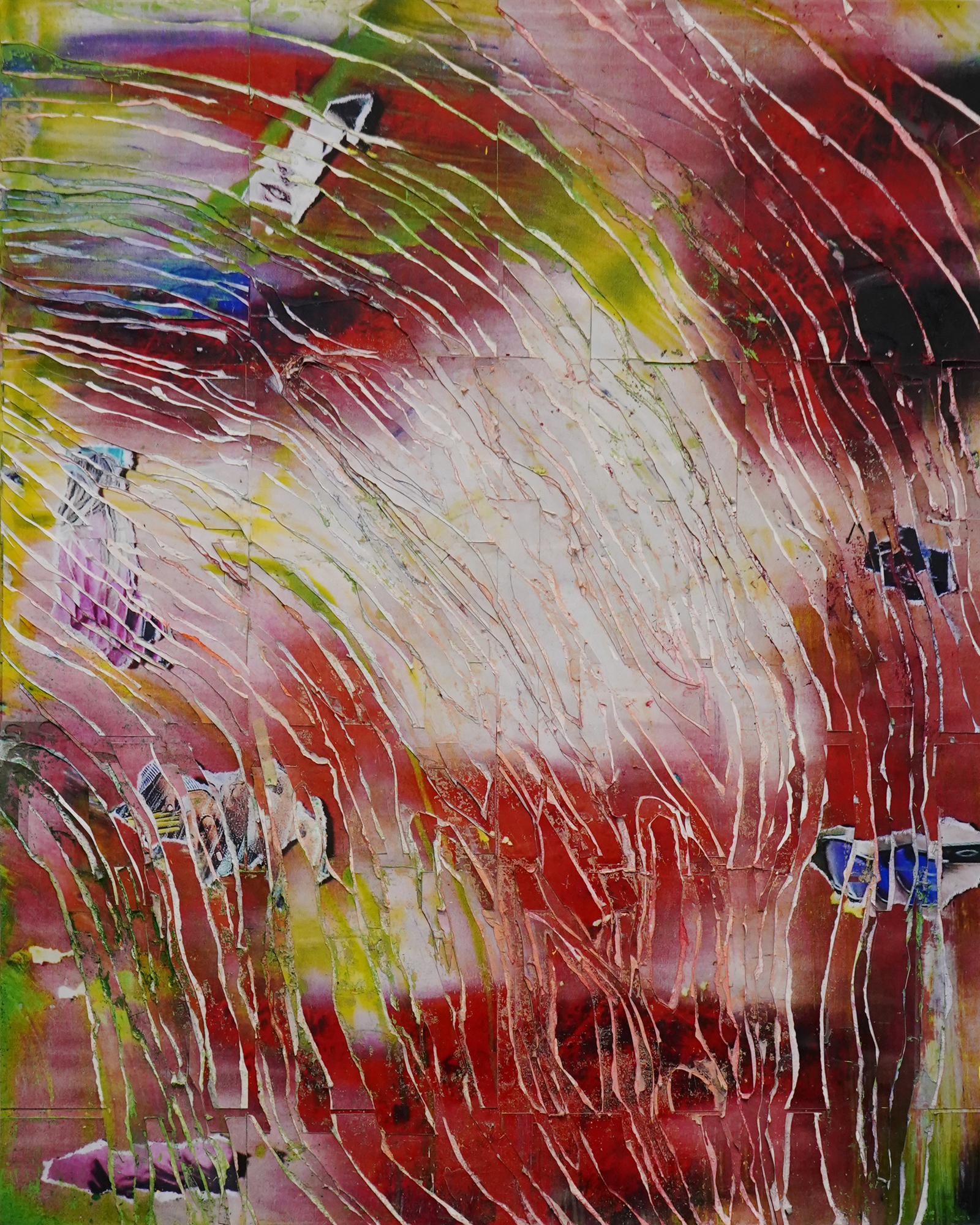
At first glance, the works resemble abstract paintings. Swirling forms, dense textures, and fields of color pull the viewer in. But the longer you look, the more unstable the surface becomes. Faces emerge briefly, only to dissolve again into the composition.

This tension between recognition and disappearance is central to the experience of the work. The torn edges of paper disrupt the smoothness we expect from photography, exposing its material underlayers. What seems like gesture is revealed as accumulation—hundreds of fragments layered together, creating a surface that feels both constructed and in the process of coming apart.

Lady In The Red, from Mehdi Dandi Afterimage exhibition
Mehdi Dandi. Lady In The Red, 2024
Dizzy Flower #1, , from Mehdi Dandi Afterimage exhibition
Mehdi Dandi. Dizzy Flower #1, 2025
The act of unmaking

The physical act of tearing is not incidental. It is deliberate, repeated, and essential to the work. Each cut interrupts the image while also creating the conditions for something new to appear.

In this way, Dandi’s practice moves between construction and destruction. Images are assembled only to be partially undone, their surfaces carrying visible traces of each action. The result is not a finished picture in the traditional sense, but a record of transformation—an image that holds within it the evidence of its own making and unmaking.

A language shaped by distance

Migration runs quietly through the work, shaping both its form and its meaning. Distance—geographical and temporal—makes it difficult to fully retrieve what has been left behind. Memory becomes fragmented, unstable, and often incomplete.

Rather than resisting that condition, Dandi works within it. The images do not attempt to reconstruct a coherent past. Instead, they reflect the way memory actually functions—through flashes, distortions, and partial returns. What emerges is not clarity, but a layered sense of presence shaped by absence.

Never Seen Monalisa's Smile, from Mehdi Dandi Afterimage exhibition
Mehdi Dandi. Never Seen Monalisa's Smile, 2025
But You Said You'd Wait, from Mehdi Dandi Afterimage exhibition
Mehdi Dandi. But You Said You'd Wait 2024
Afterimage as photography

Afterimage exists in a space between mediums. Photography, here, is no longer confined to a single surface or moment. It becomes object, process, and gesture—something closer to painting, yet still anchored in the photographic act.

And yet, the work never fully resolves into either. It remains suspended between image and material, recognition and abstraction. In that space, Dandi’s practice opens up a quieter question—not just about what we see, but about how images stay with us, change over time, and continue to unfold long after the moment has passed.

For those drawn to photography that resists easy definition, Afterimage offers a deeply reflective and immersive experience. For more information about the exhibition, visit the exhibition website.

Scroll