Ragnar Axelsson: The Stories Written in Ice
Zoë Marin
Written by Zoë Marin in Beyond the Frame Photography

Ragnar Axelsson: The Stories Written in Ice

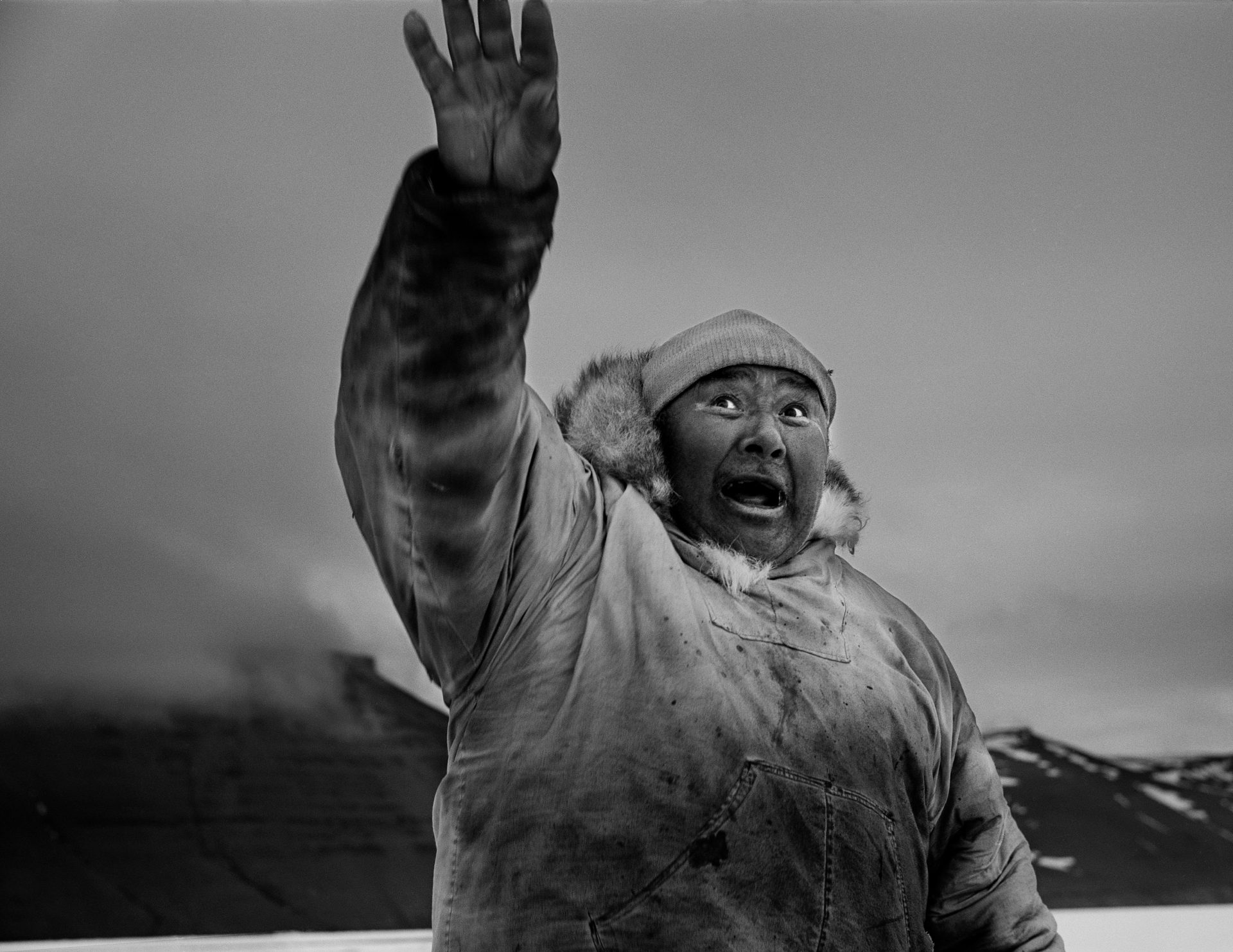
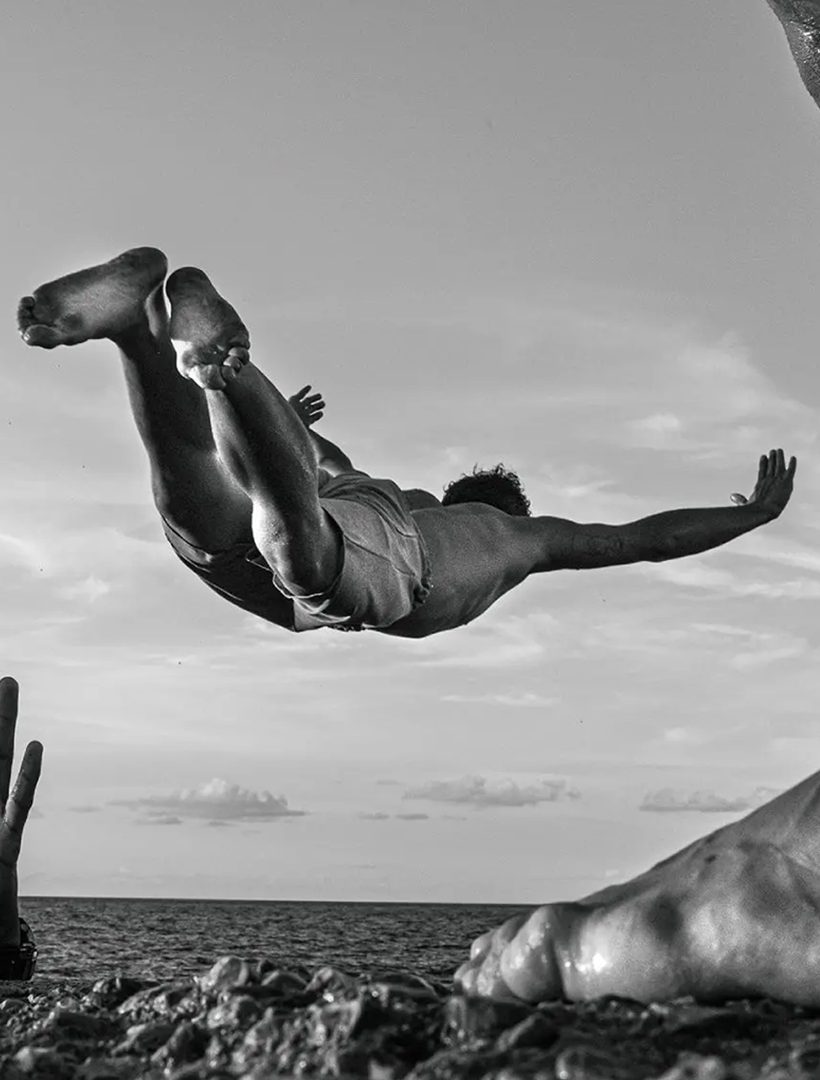
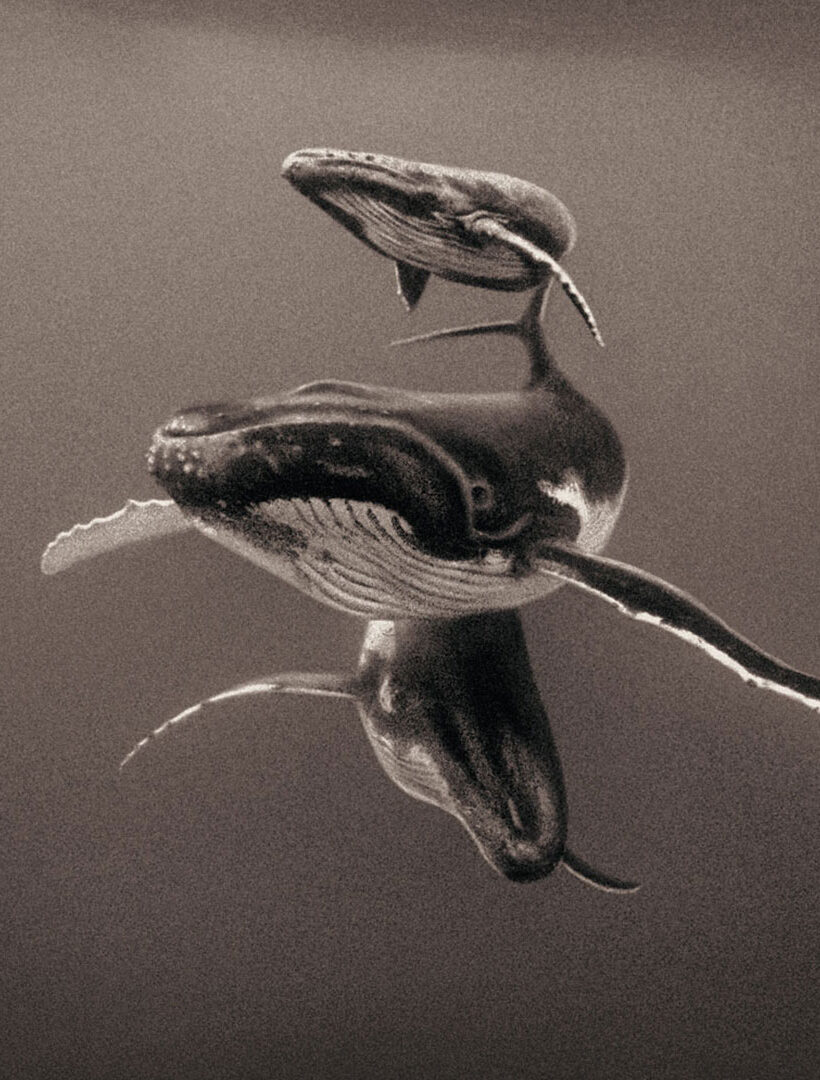
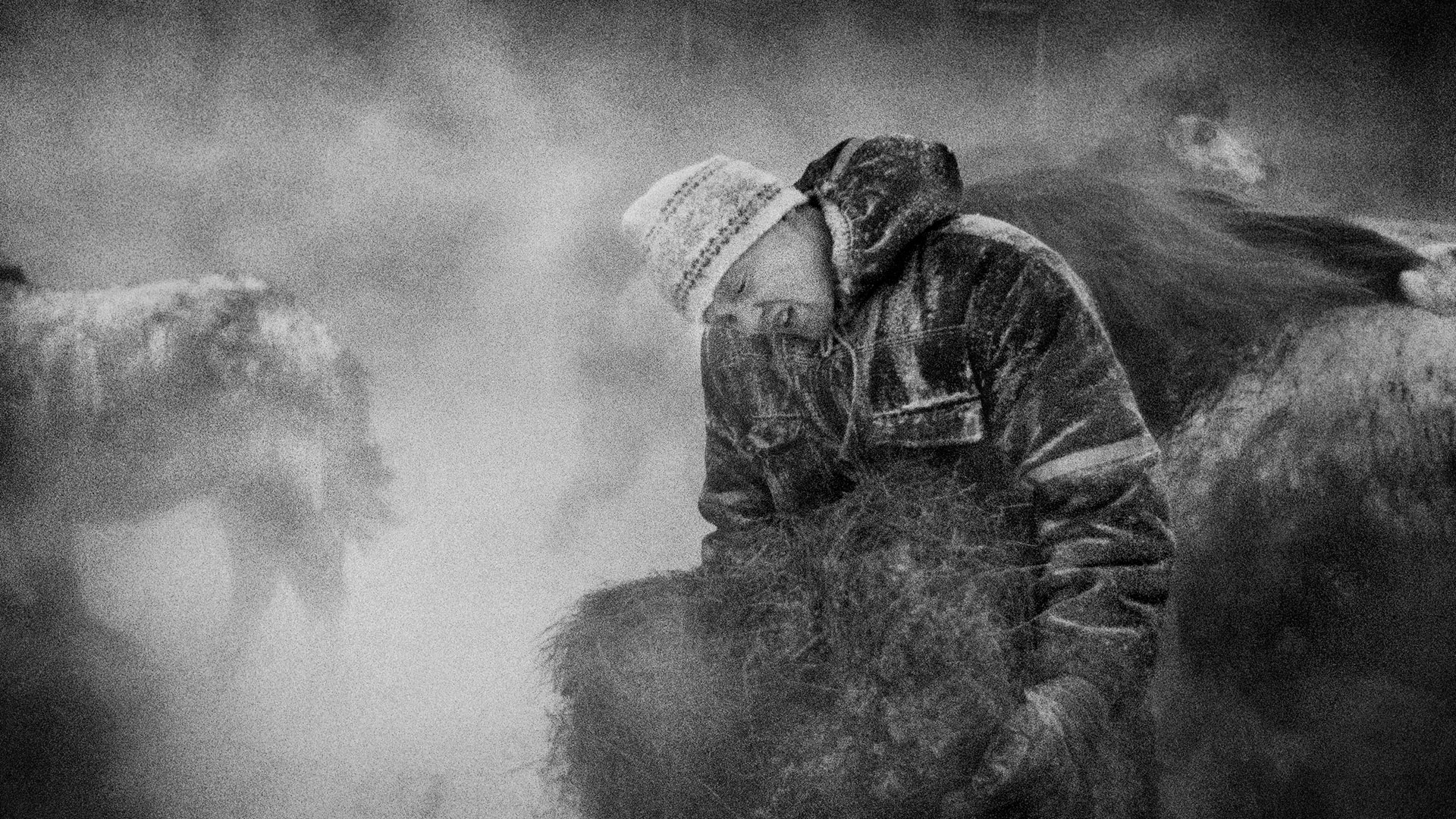
For more than four decades, Icelandic photographer Ragnar Axelsson, better known as RAX, has been travelling through the Arctic, documenting the people, animals, and landscapes that make this part of the world so extraordinary. His photographs capture a delicate relationship between humans and nature, often revealing stories that might otherwise go unnoticed. The images are striking, but their real strength lies in the lives they bring closer to us.

His relationship with photography began when he was just ten years old. During childhood summers on farms in eastern Iceland, he borrowed his father’s Leica camera and started photographing farmers, birds, and landscapes. He was fascinated by the people he met and wondered what their world might look like a century later. That curiosity eventually became the foundation of his life’s work.
Following the Call of the North

Axelsson originally dreamed of becoming a pilot. Fascinated by birds and Arctic explorers, he even earned his flying licence. Photography, however, offered another way to explore the world. After training under photographer Ingibjörg Kaldal, he joined Icelandic newspaper Morgunblaðið in 1976. His assignments took him far and wide, but Greenland soon became his greatest fascination.

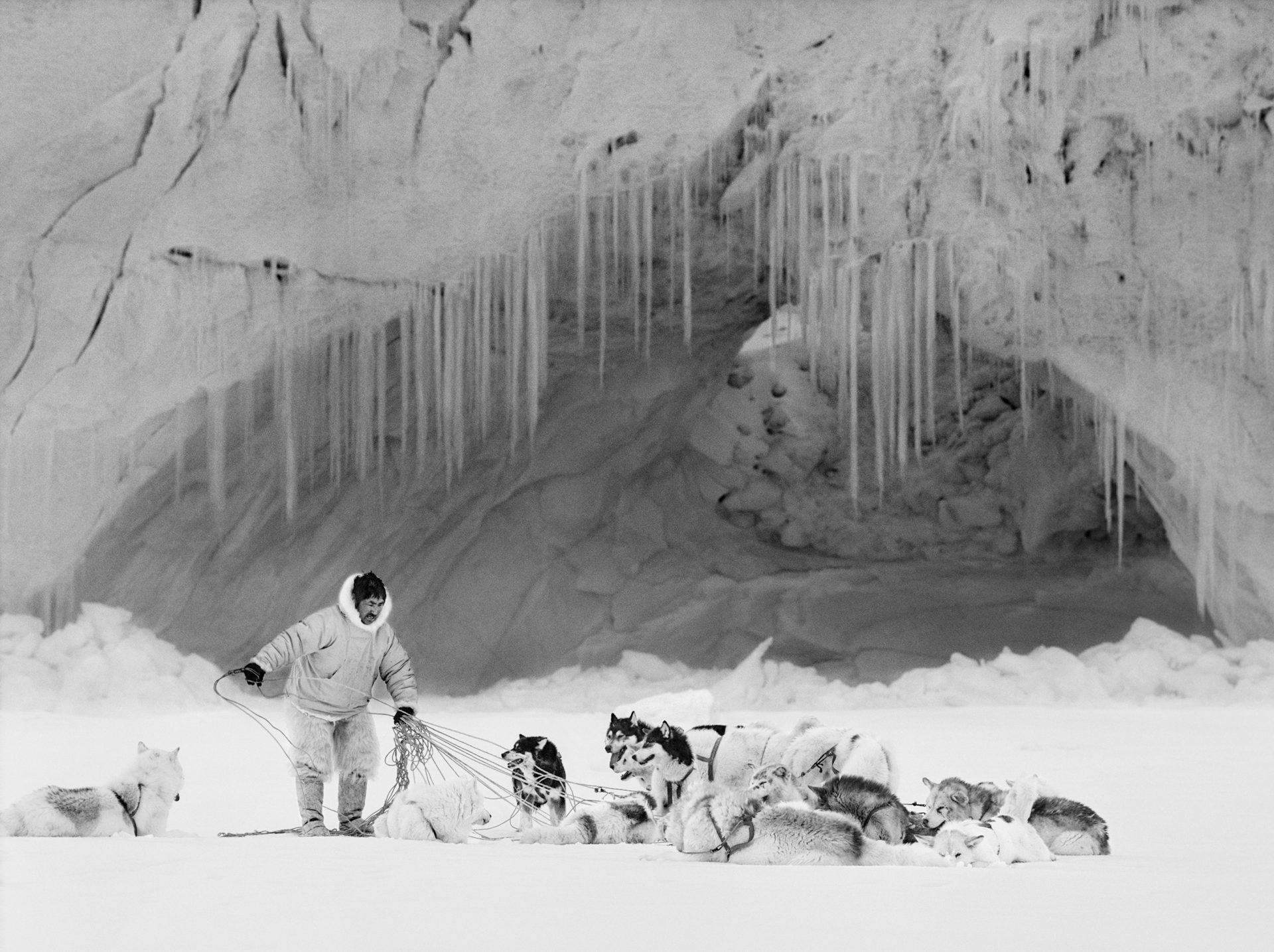
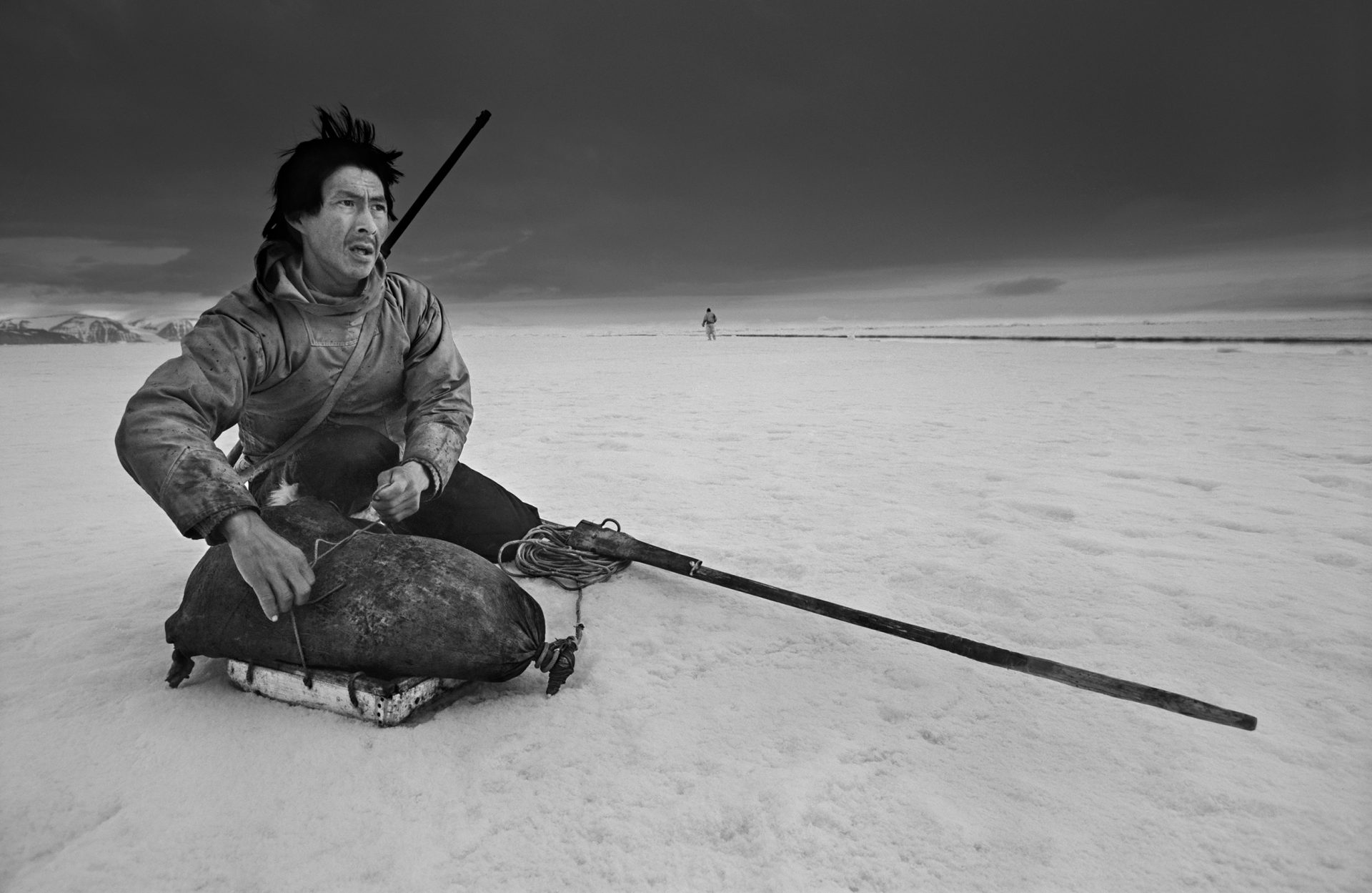
His first visit in 1979 was not quite what he expected. It was only after travelling further into the region that he discovered the communities and hunters who would become central to his work. Their knowledge of the ice, weather, and natural environment fascinated him. He kept returning, building friendships and documenting a way of life few outsiders ever experience.

Beyond the Landscape

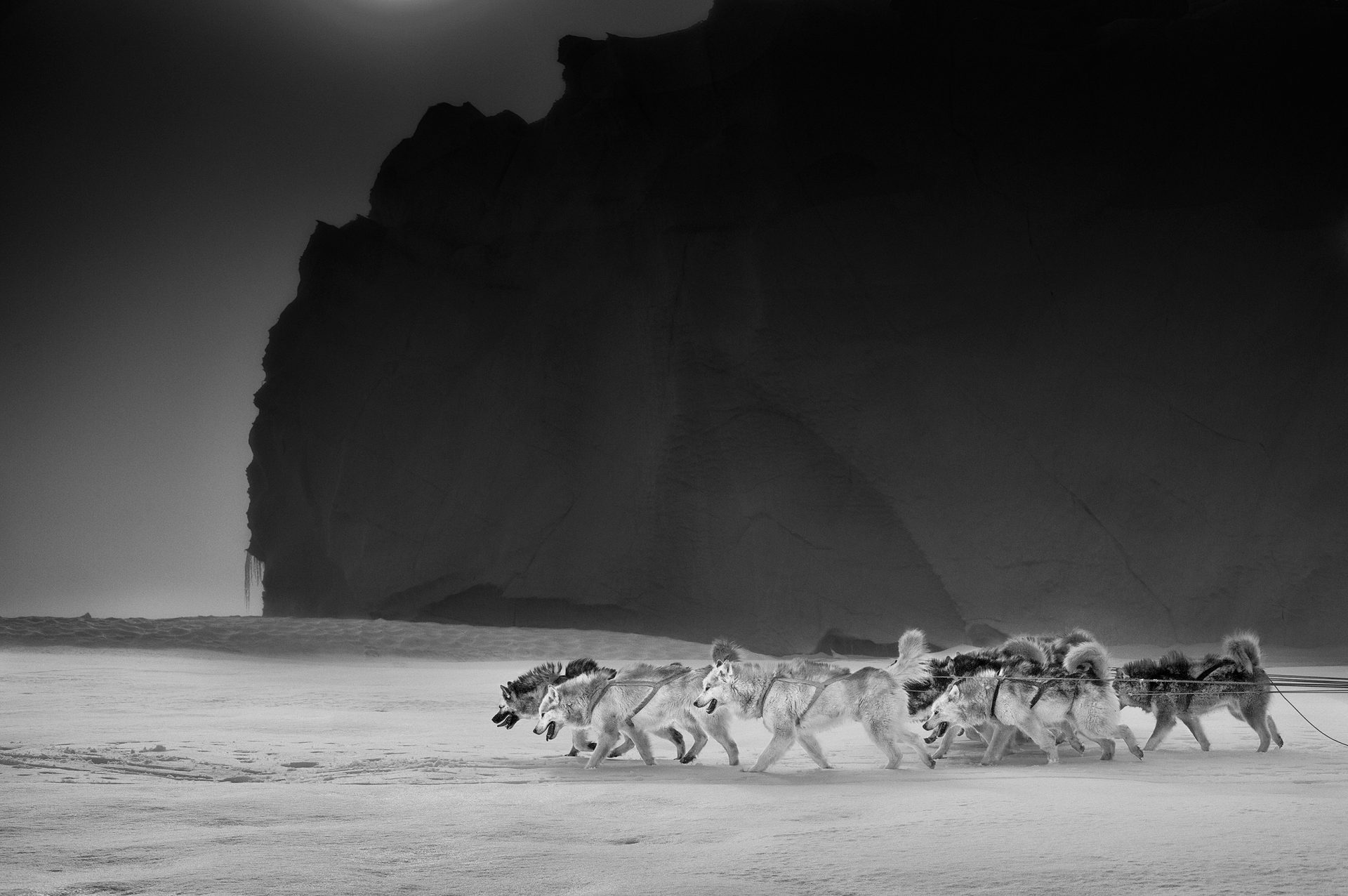
There is something unmistakable about Axelsson’s photographs. His preference for black and white emphasizes textures, contrasts, and the relationship between people and their surroundings. Ice formations become almost abstract, while faces reveal years of experience. His compositions can feel monumental, yet they rarely lose their human scale.

Axelsson says he often thinks in pictures, with images naturally forming in his mind. That way of seeing is evident throughout his work. He isn’t interested in turning the Arctic into a collection of beautiful postcards. Instead, he looks for moments that reveal something about the people who call it home.

Stories That Deserve to Be Told

His books bring together decades of photographic journeys. Faces of the North, first published in 2004, is among his best-known projects, exploring the people and animals of Iceland and Greenland. Last Days of the Arctic and Behind Mountains continue that exploration, documenting traditions, working lives, and communities shaped by their surroundings.

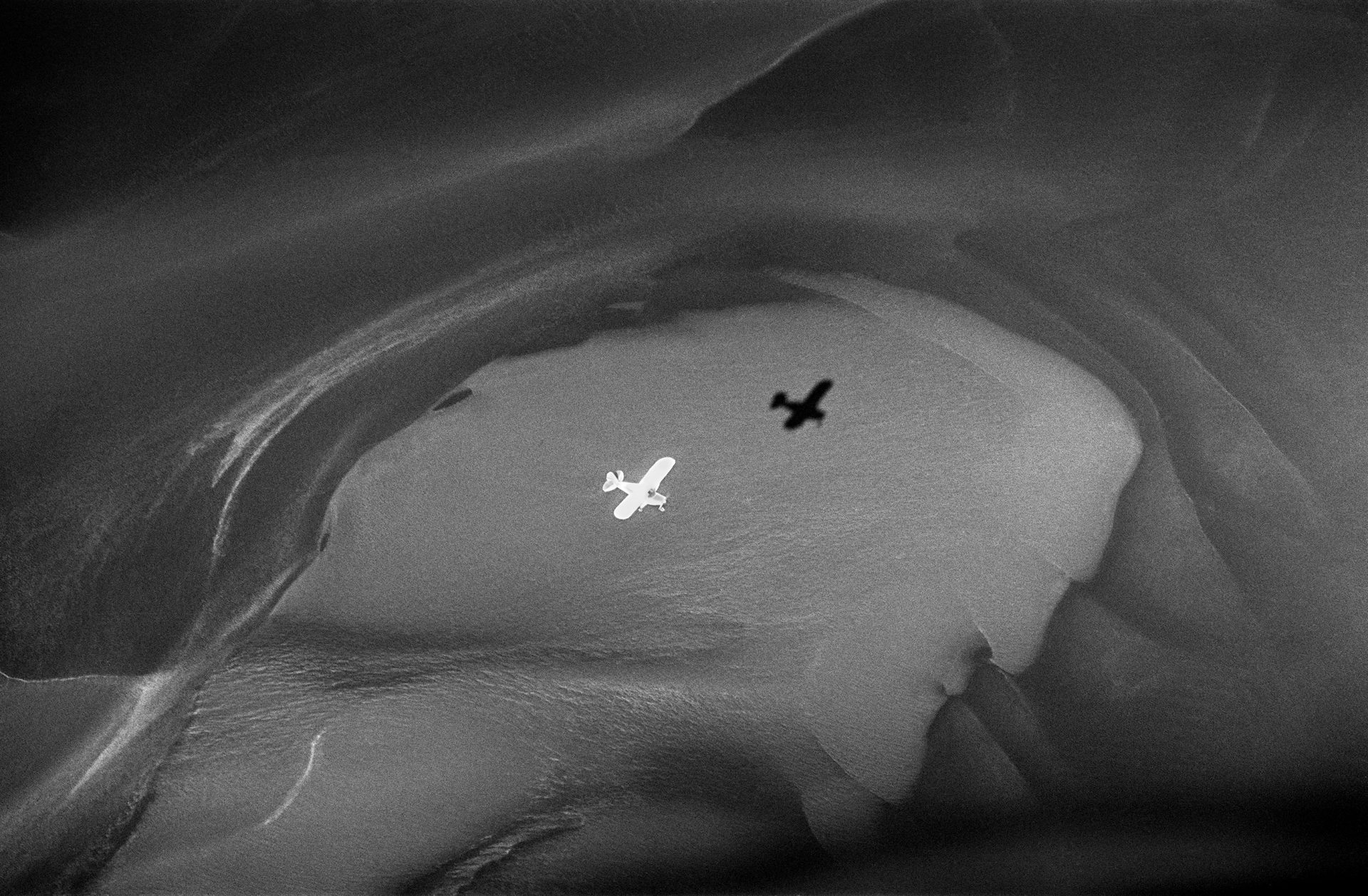
With Glacier, published in 2018, Axelsson approached Iceland from another perspective. Photographing glaciers from above, he discovered extraordinary patterns and formations in the ice. Some images resemble abstract paintings, with intricate shapes stretching across the landscape. Yet their beauty carries an uncomfortable message: these glaciers are changing, and some may look very different in the years ahead.

The Ice Is Changing

Climate change has become an increasingly important part of Axelsson’s work. During his travels, he has witnessed retreating glaciers, thinner sea ice, and settlements gradually losing their populations. One Greenlandic hunter described the changing ice as being sick. For Axelsson, it was a powerful reminder that people living closest to nature often recognize its transformations first.

Rather than turning his photographs into environmental lectures, he prefers to show what is happening and let the images speak. His work documents not only disappearing landscapes but also the consequences for the people who depend on them. Traditional hunting routes are becoming less reliable, and entire communities face uncertain futures.

Axelsson’s photographs have appeared in National Geographic, LIFE, Time, Newsweek, and GEO. His achievements include numerous Icelandic photojournalism awards, an Honourable Mention in the Leica Oskar Barnack Award, and the 2016 Icelandic Literary Prize for non-fiction for Faces of the North. He has also received Iceland’s Order of the Falcon.

Yet recognition is only part of the story. In a 2026 conversation with The United Nations of Photography, Axelsson reflected on photography as his life’s passion and emphasized the importance of honesty in documentary work. He also discussed photographers who influenced him, including W. Eugene Smith, Henri Cartier-Bresson, Mary Ellen Mark, and Don McCullin. After all these years, his approach remains remarkably simple: go where the stories are, spend time with the people, and keep looking. Through his photographs, the Arctic’s people and their stories have a chance to remain visible long after the ice has changed.


All photographs on this article by Ragnar Axelsson.

Scroll