The Shared World of Gregory Colbert’s Photography
Zoë Marin
Written by Zoë Marin in Beyond the Frame Art & Design Photography

The Shared World of Gregory Colbert’s Photography

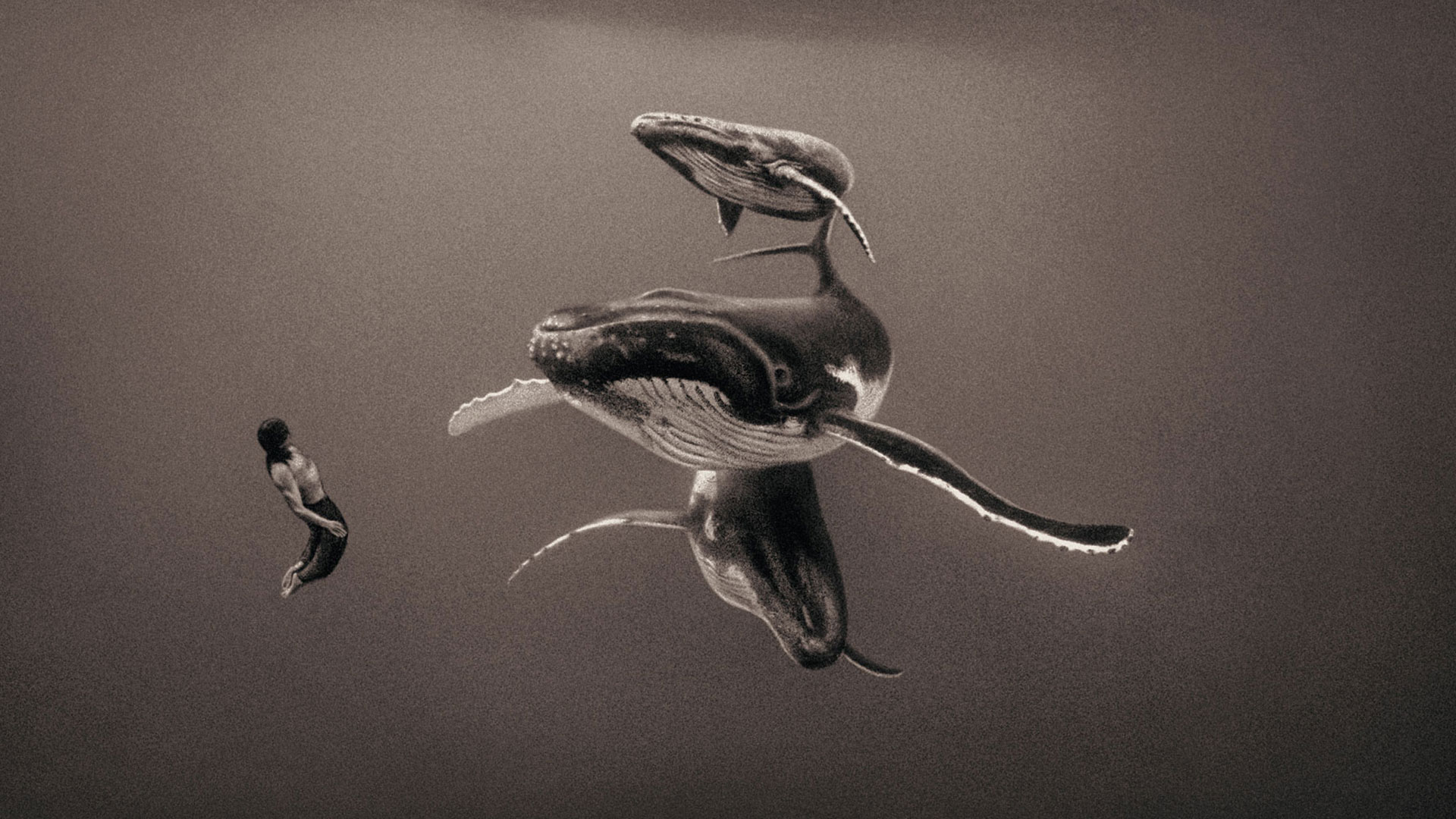
Photography often captures a single moment. Gregory Colbert asks us to experience something much larger. Across his photographs and films, humans and animals appear not as separate beings, but as participants in the same story, sharing spaces with a sense of trust that feels almost mythical.

Born in Toronto, Canada, Colbert began his career as a documentary filmmaker before turning to fine art photography. After his first exhibition in 1992, he stepped away from public life for nearly a decade, travelling across some of the world’s most remote landscapes to photograph wildlife and indigenous communities. Those years of exploration would become the foundation of a body of work unlike anything else in contemporary photography.
An apprentice to nature

Colbert has often described himself not as a master of nature, but as its apprentice. Rather than placing humanity above the natural world, his photographs imagine a relationship built on reciprocity, respect, and shared existence. Elephants, whales, birds, orangutans, cheetahs, and countless other species appear alongside people without conflict, inviting us to reconsider the boundaries we have drawn between ourselves and other forms of life.

This philosophy runs through every aspect of his work. Instead of documenting nature from a distance, Colbert creates carefully choreographed encounters in which humans and animals seem to recognise one another as equals. The resulting images feel less like documentary photographs and more like visual fables, suspended somewhere between reality and imagination.

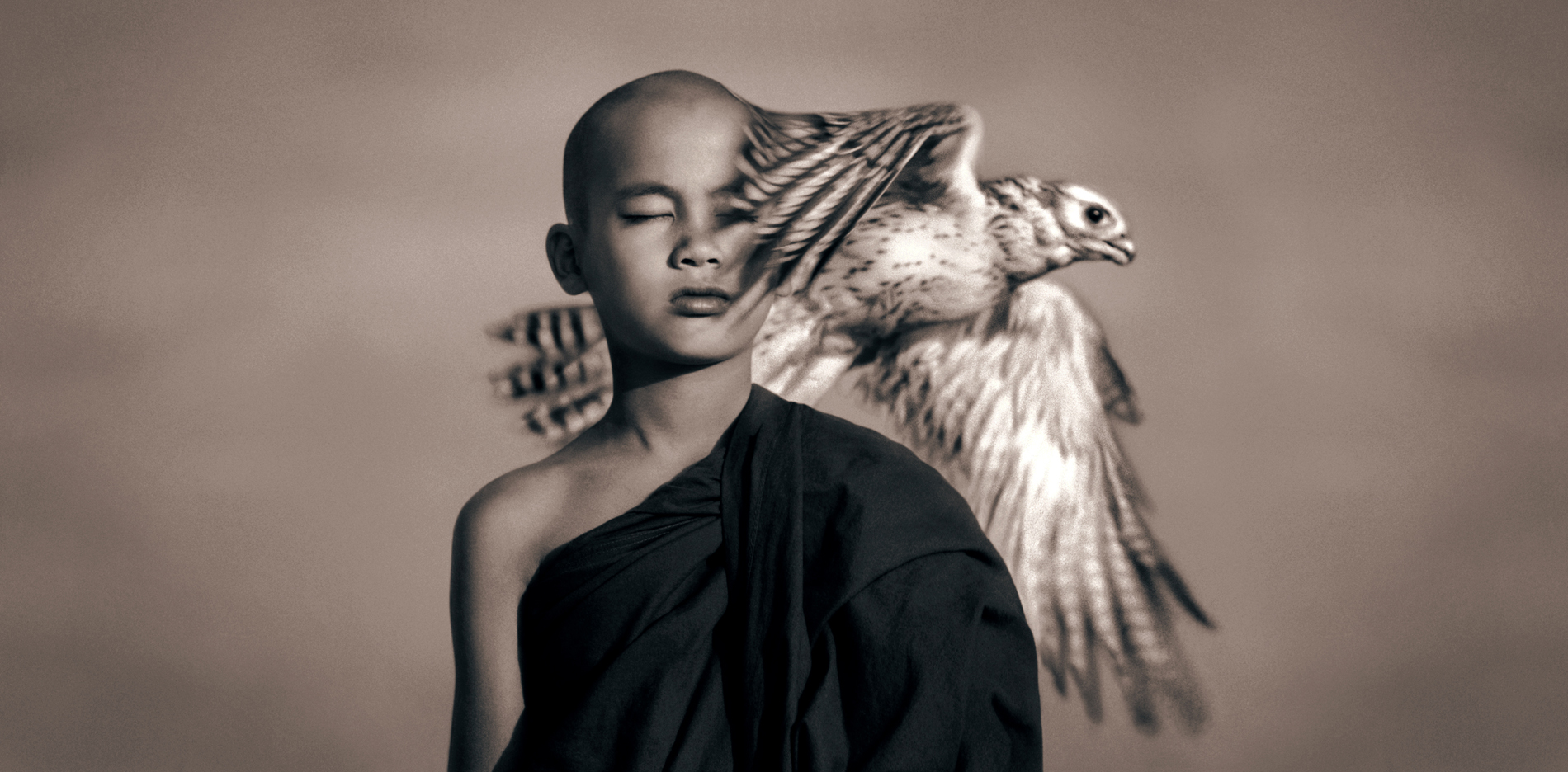
Gregory Colbert. Ashes And Snow
The world of Ashes and Snow

That vision reached its fullest expression in Ashes and Snow, an ongoing project combining large-scale photography, films, sound, and handwritten letters. Presented inside the travelling Nomadic Museum, the exhibition became one of the most visited showcases by a living artist, attracting millions of visitors across several continents.

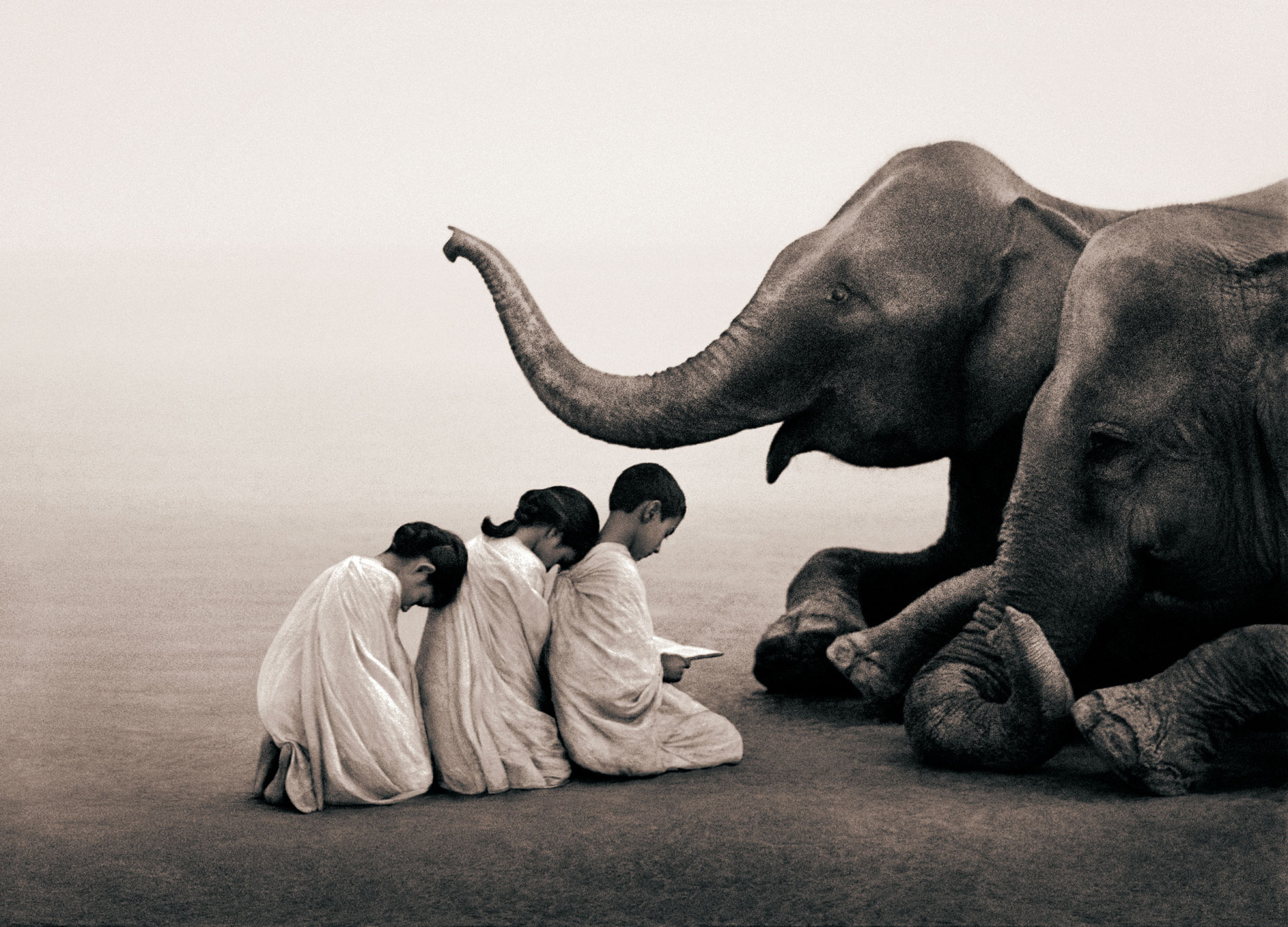
Yet the photographs remain at the heart of the experience. Colbert insists that the remarkable encounters they depict are genuine, created without digital compositing. Instead, they are the result of years of patience, collaboration, and careful observation in the natural habitats of both animals and the Indigenous communities who participated in the project.

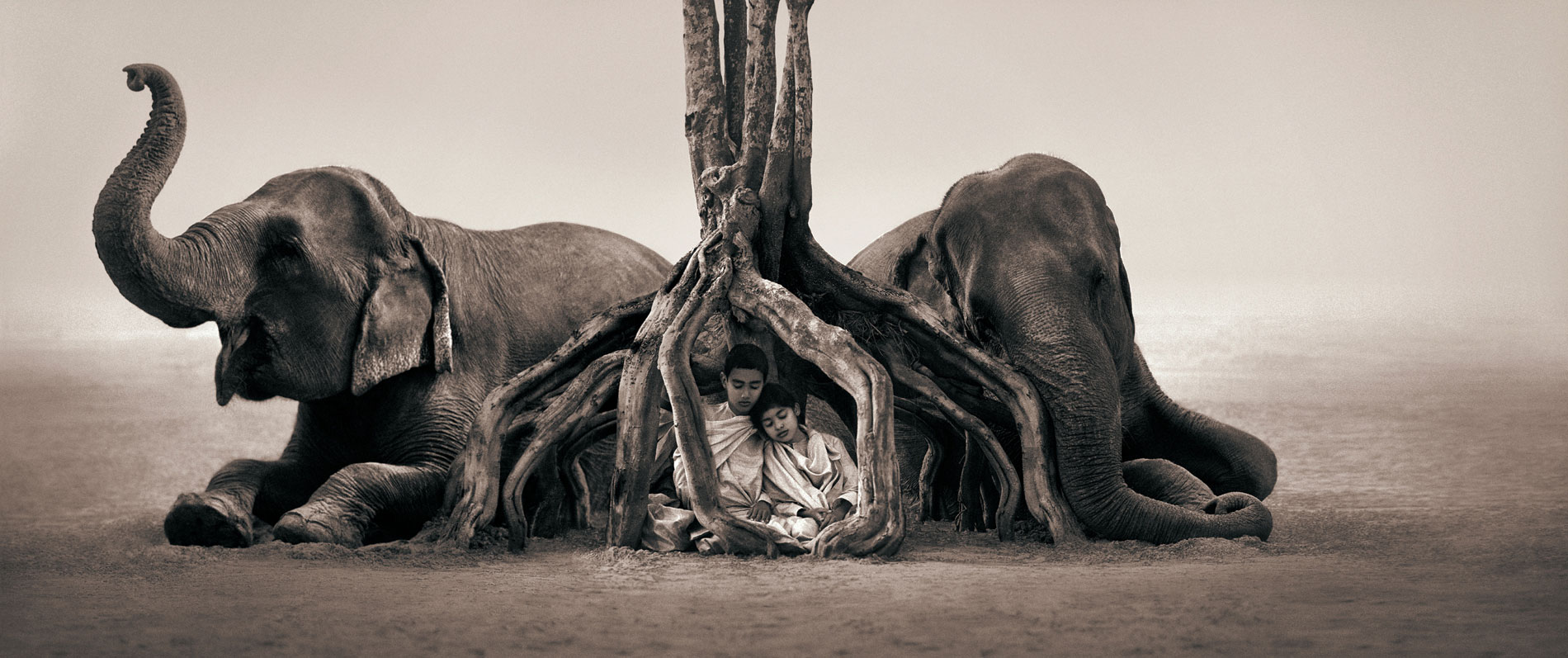
Gregory Colbert. Ashes And Snow
A different way of seeing wildlife

Although animals are central to Colbert’s photographs, they are never presented as spectacles. Instead, they become collaborators in stories that challenge familiar ideas about dominance and separation. His compositions invite viewers to imagine a world in which humans belong to nature rather than standing apart from it.

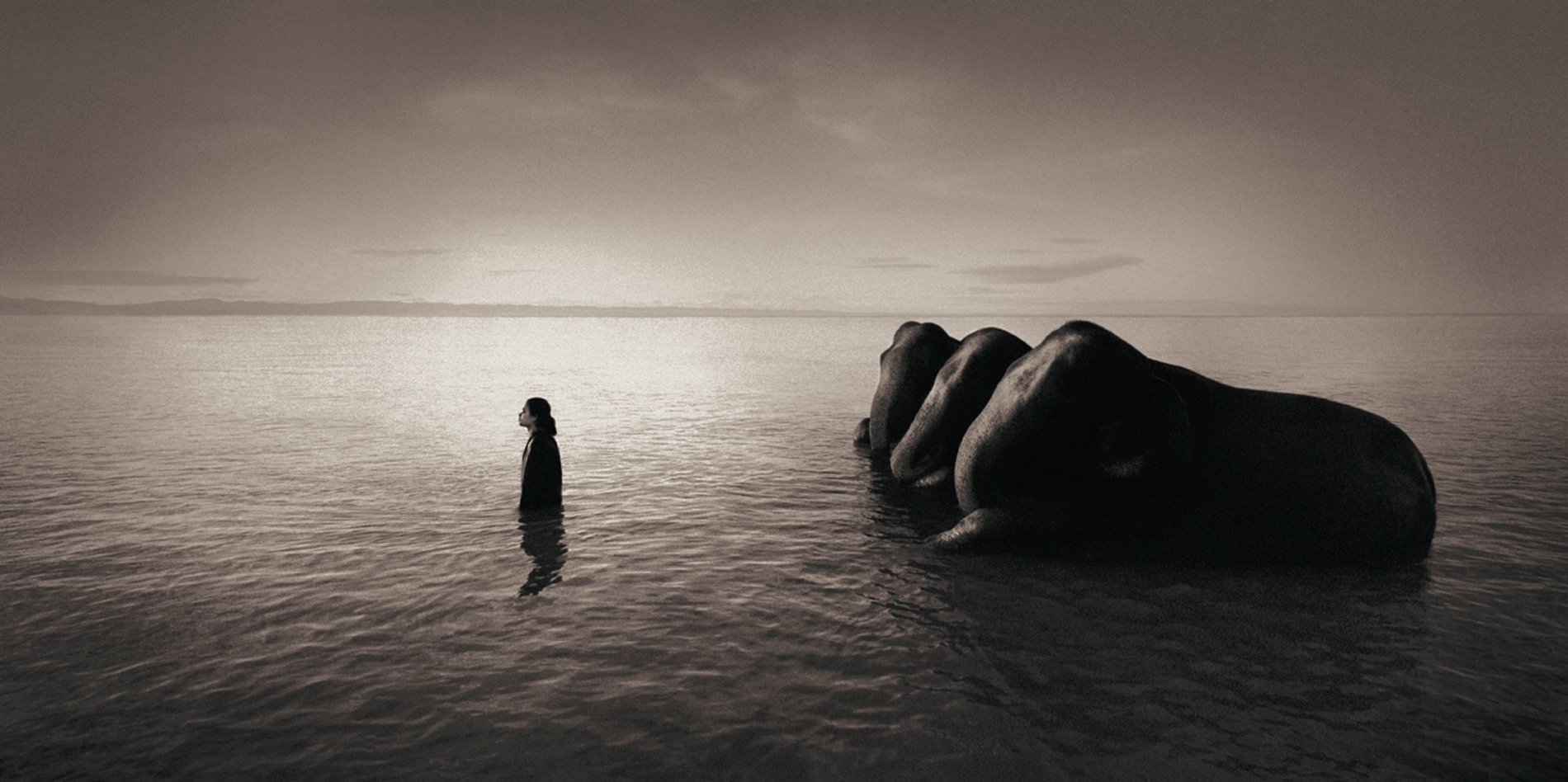
This approach gives his work an unmistakable atmosphere. Soft sepia tones, expansive compositions, and deliberate stillness create images that encourage contemplation rather than excitement. Every frame asks us to slow down, looking beyond the extraordinary encounters to the sense of harmony that makes them possible.

Gregory Colbert. Ashes And Snow

Gregory Colbert’s photographs often feel like fragments of an older story, one that remembers a time when people understood themselves as part of the living world instead of its observers. Whether that vision is interpreted as documentary, metaphor, or carefully constructed art matters less than the questions it leaves behind.

Perhaps that is the lasting power of Colbert’s work. Rather than asking us to admire nature from afar, his photographs invite us to imagine what our relationship with it could become. In doing so, they transform photography from a record of the world into a meditation on our place within it.

Gregory Colbert. Ashes And Snow
Scroll