Nick Brandt: The Day May Break
Zoë Marin
Written by Zoë Marin in Beyond the Frame Photography

Nick Brandt: The Day May Break

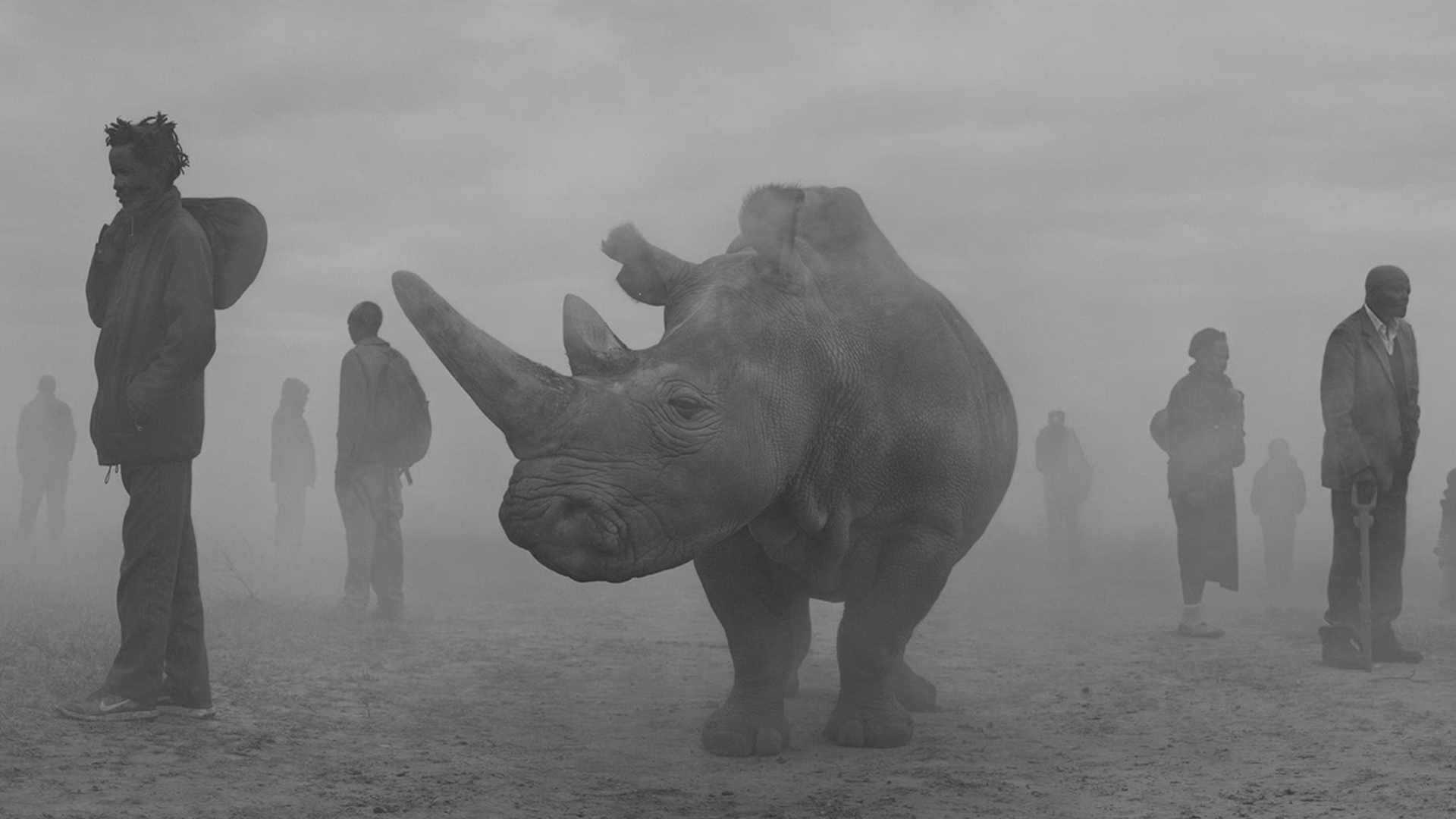
Photography has long been used to document environmental change. Nick Brandt takes a different approach. Rather than recording the effects of the climate crisis as distant events, The Day May Break places people and wildlife within the same emotional landscape, revealing how deeply their futures are intertwined.

For more than two decades, Brandt has explored humanity’s relationship with the natural world. Beginning with his celebrated portraits of African wildlife, his practice gradually expanded to examine the growing impact of human activity on fragile ecosystems. The Day May Break, launched in 2020, represents the culmination of that journey, bringing together environmental storytelling, portraiture, and visual allegory in a single evolving body of work.
Shared destinies

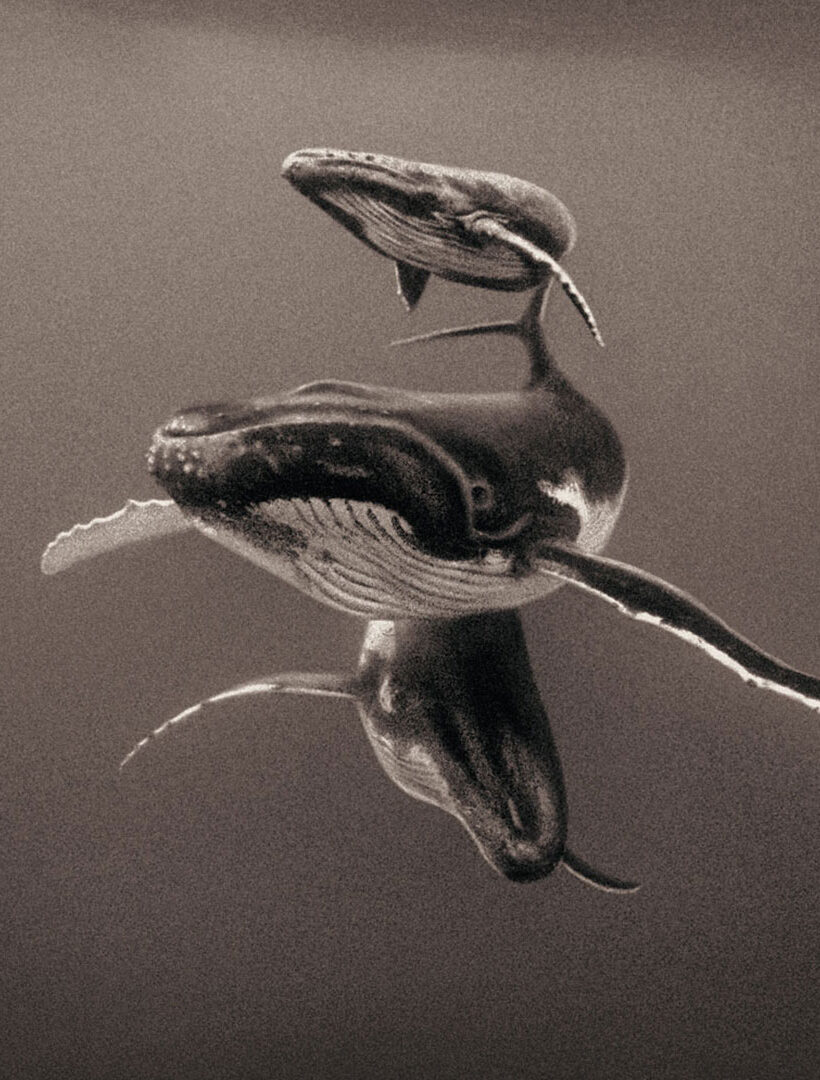
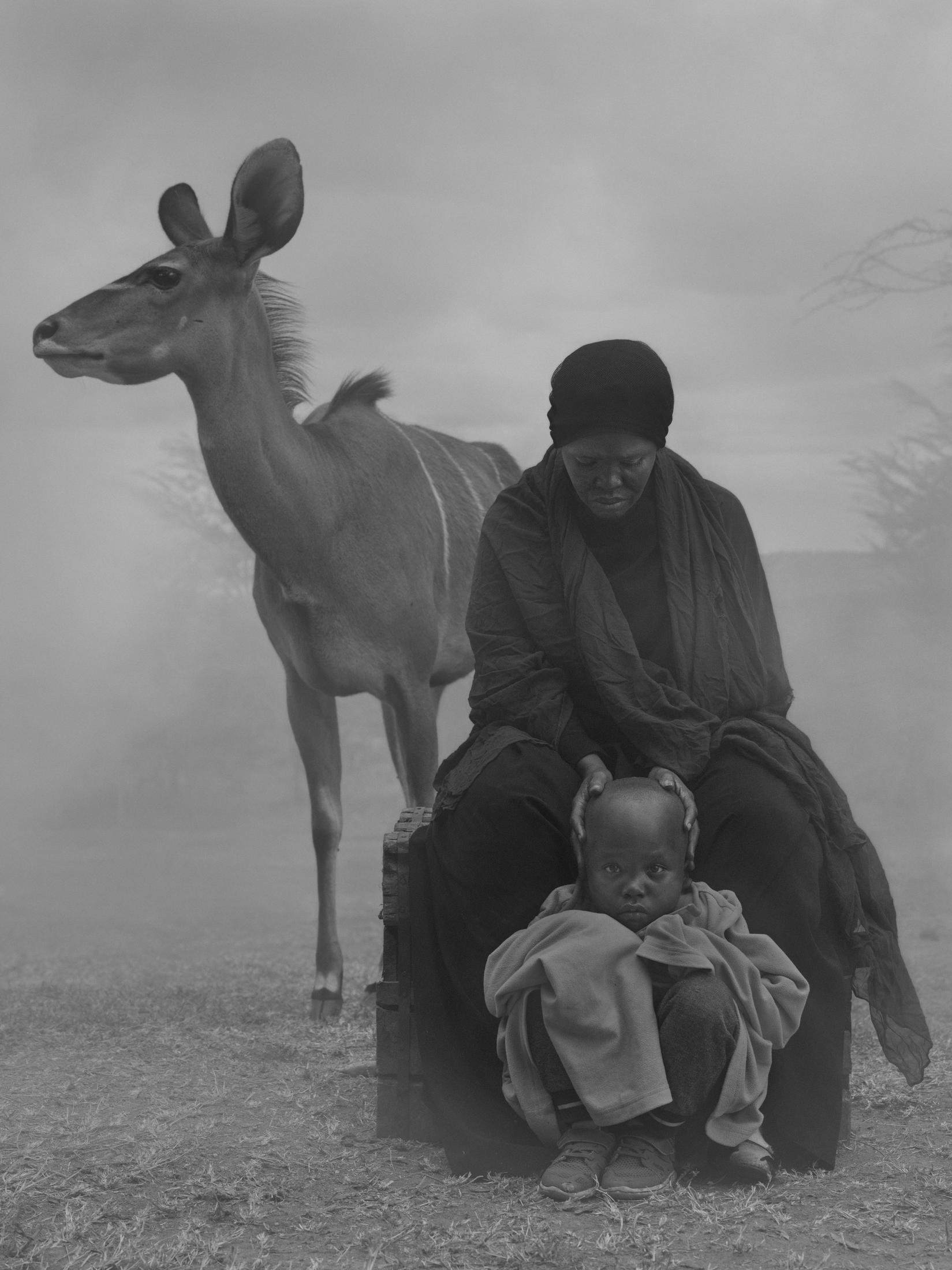
The series began in Kenya and Zimbabwe, where Brandt photographed people displaced by drought and devastating cyclones alongside animals rescued from habitat destruction and poaching. Rather than separating human and animal stories, he places them within the same frame, suggesting that both face the consequences of the same environmental crisis.

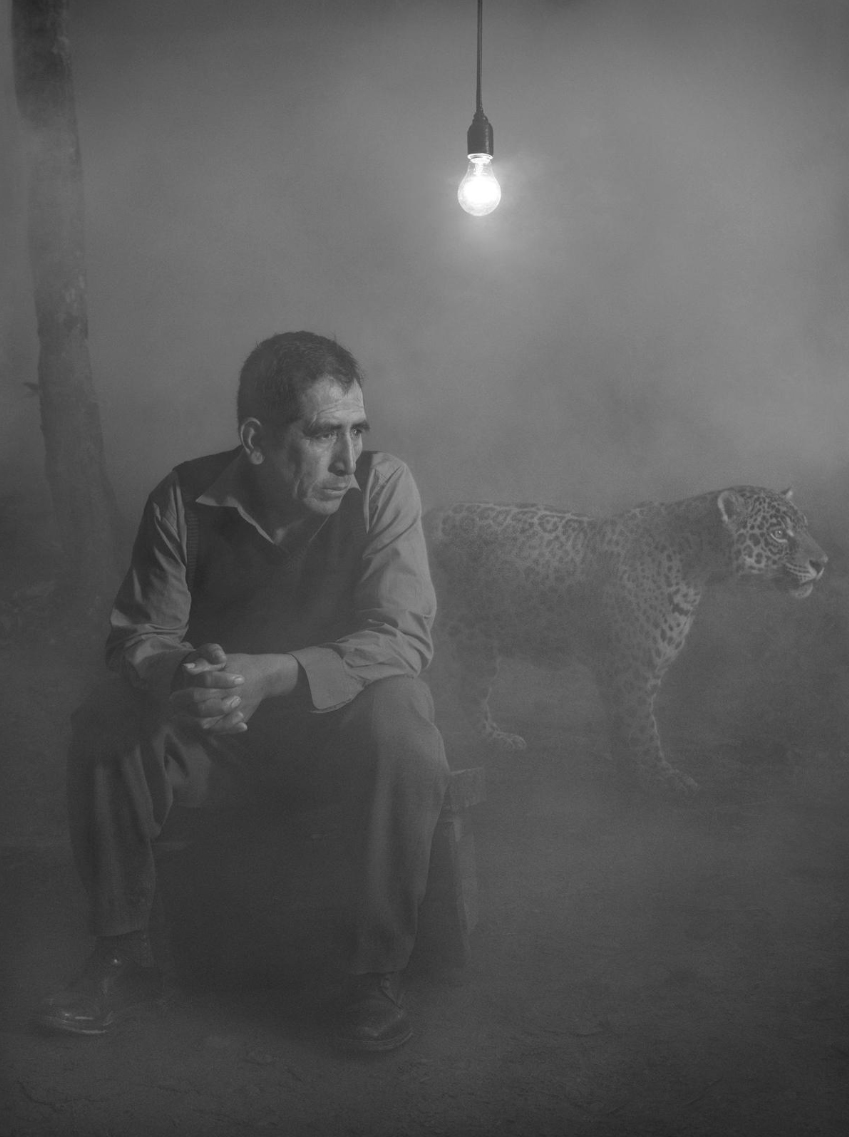
This idea continued in Sanctuary, the second chapter, created in Bolivia. Against a landscape increasingly affected by fires, floods, and prolonged drought, Brandt once again portrays people and animals connected by shared vulnerability. Throughout both chapters, mist, soft light, and carefully constructed compositions create dreamlike scenes that balance grief with quiet dignity.

Nick Brandt. Halima, Abdul and Frida, Kenya
Nick Brandt. Luis and Hernak I, Bolivia, 2022
A changing landscape

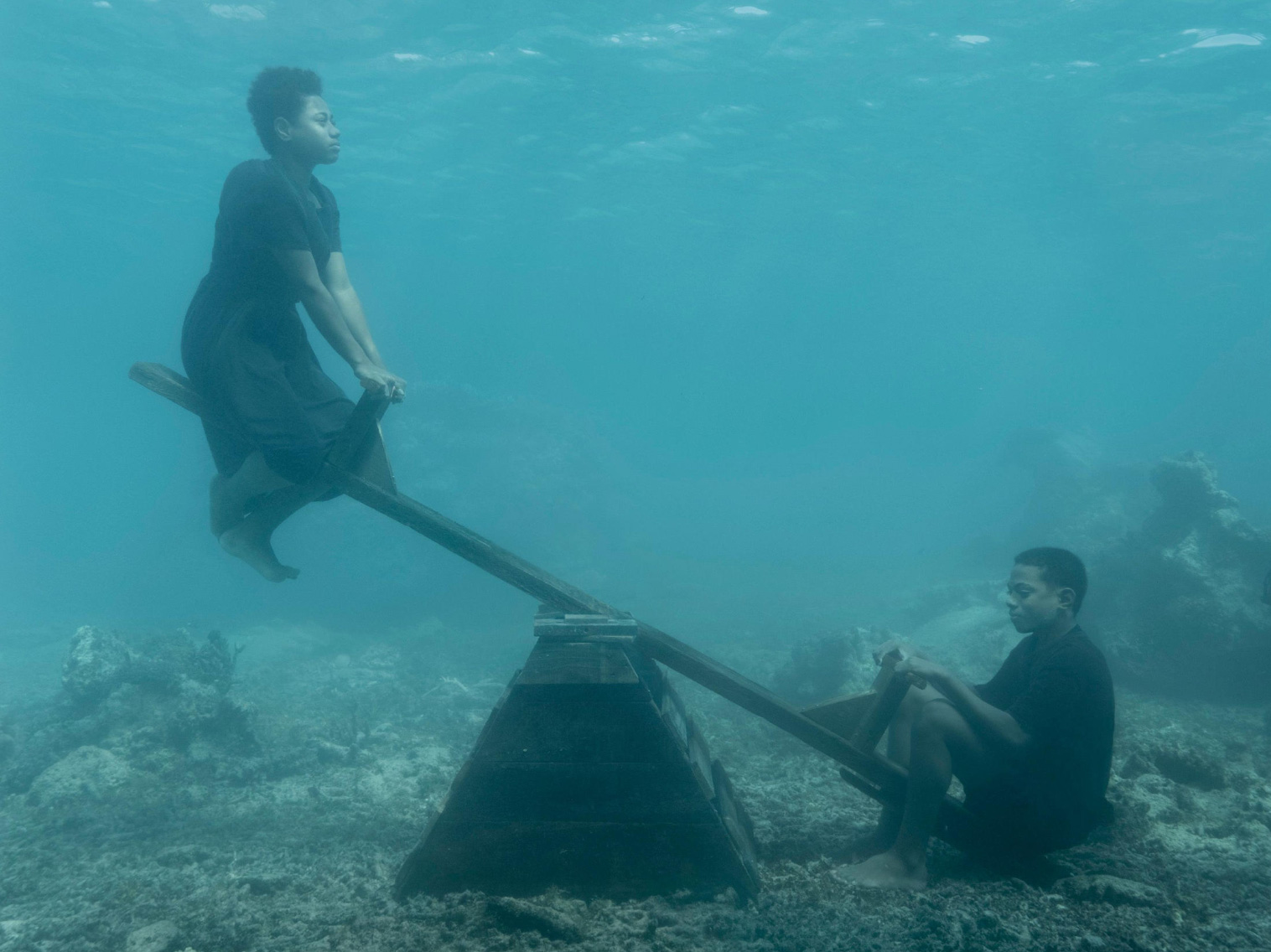
With SINK / RISE, the third chapter, Brandt shifts from the present toward an imagined near future. Photographed underwater off the coast of Fiji, local residents are shown performing ordinary domestic gestures while submerged beneath the ocean’s surface. Sitting on sofas or standing on chairs, they appear remarkably calm despite the surreal setting.

The contrast is striking. Everyday life unfolds beneath rising waters, transforming familiar moments into unsettling premonitions of communities that may one day lose their homes, land, and livelihoods. Instead of relying on spectacle, Brandt allows stillness itself to communicate the emotional weight of climate change.

The strength of community

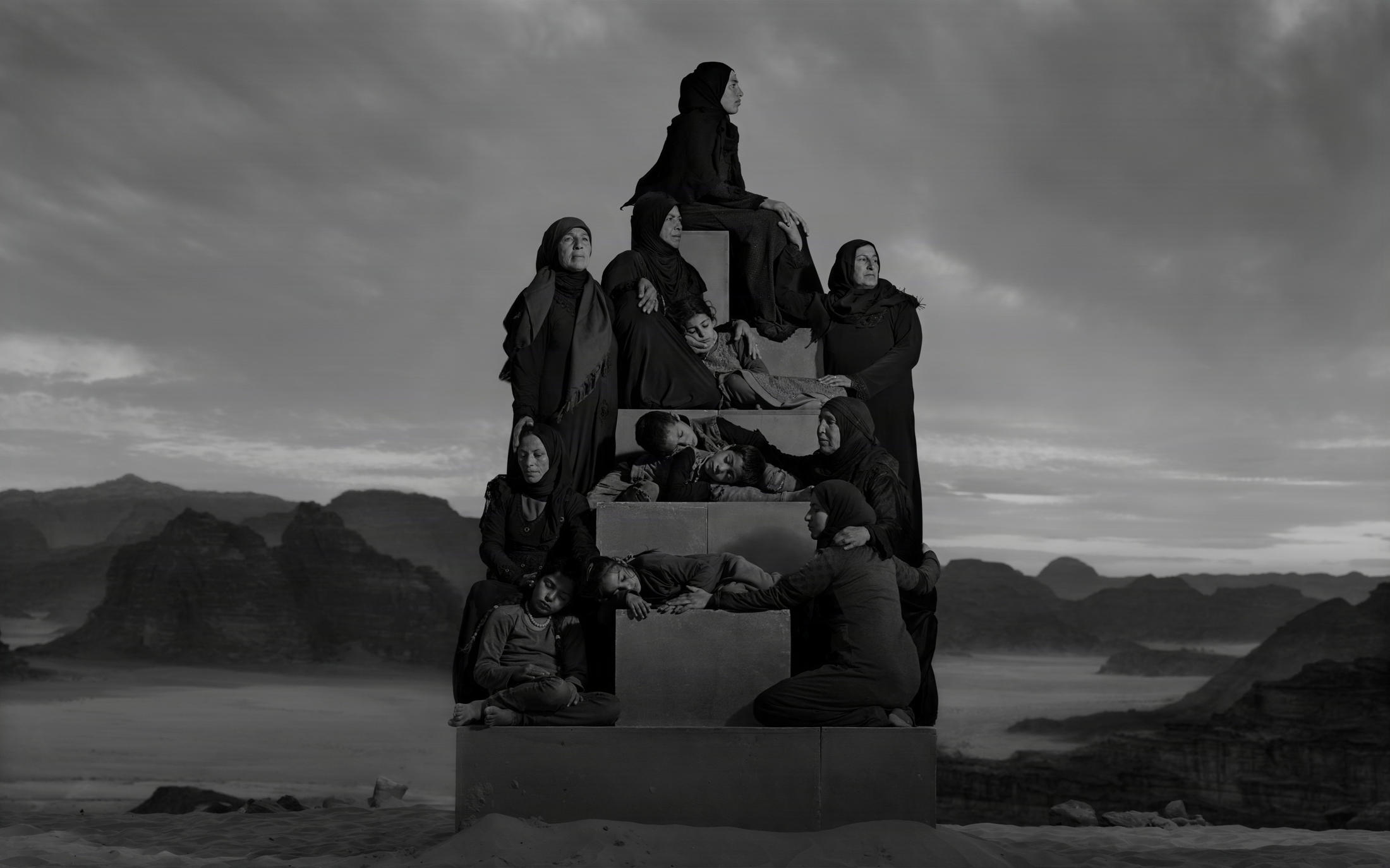
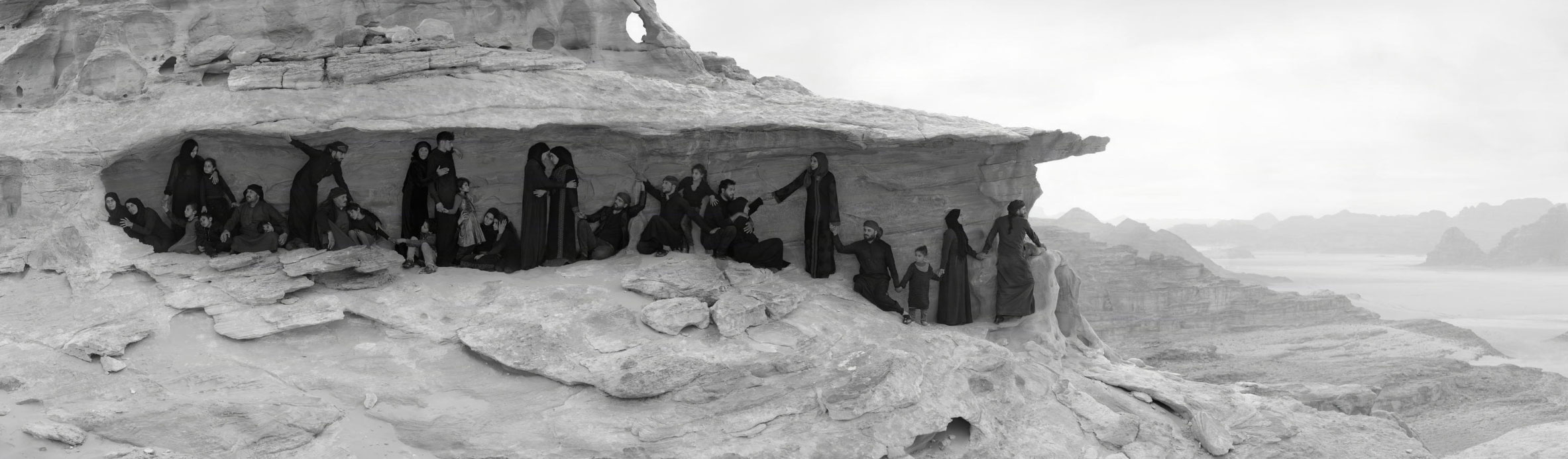
The fourth chapter, The Echo of Our Voices, moves to the deserts of southern Jordan, where Syrian refugee families face the combined realities of displacement, conflict, and growing water scarcity. Photographed atop carefully arranged stacks of boxes or gathered within the vast desert landscape, the families become what Brandt describes as “human islands”—symbols of resilience in increasingly uncertain conditions.

Unlike the earlier chapters, this body of work places greater emphasis on connection than isolation. Families remain physically close, supporting one another despite the instability surrounding them. Their portraits suggest that while homes and landscapes may disappear, community can still provide a foundation for hope.

Nick Brandt. Onnie and Keanan on Seesaw, Fiji, 2023
Nick Brandt. Women with Sleeping Children, Jordan, 2024
Building every photograph

Although Brandt’s photographs possess an almost cinematic quality, they rely remarkably little on digital manipulation. Each chapter is the result of months of preparation, collaboration with local communities, and careful staging using natural light and changing weather conditions. The photographs are constructed patiently, then refined through an equally meticulous process of printing and selection.

Yet Brandt never treats aesthetics as an end in themselves. Beauty serves a purpose. The quiet atmosphere, monochrome palette, underwater scenes, and sculptural compositions invite viewers to look longer, encouraging an emotional response before the environmental message fully reveals itself.

What makes The Day May Break so compelling is its refusal to separate environmental issues from human experience. Climate change is not presented through statistics or disaster imagery alone, but through portraits of individuals whose lives have already been transformed by its consequences. Animals, families, and entire communities become part of the same shared narrative.

As the series continues to grow across continents, Brandt offers neither simple optimism nor complete despair. Instead, he presents resilience as an act of quiet persistence. His photographs ask us to recognise that the futures of people, wildlife, and the planet are inseparable—and that acknowledging this connection may be the first step toward protecting it.

Nick Brandt. The Cave, Jordan, 2024
Scroll