Evelyn Bencicova: Between Reality and Imagination
Zoë Marin
Written by Zoë Marin in Beyond the Frame Creative Photography

Evelyn Bencicova: Between Reality and Imagination

At first glance, Evelyn Bencicova’s photographs could be stills from an unusual film. Pale figures occupy carefully arranged rooms, bodies form geometric patterns, and familiar places feel strangely otherworldly. Everything appears perfectly placed, yet something seems off. That tension draws us into her work, where beauty and discomfort often share the same space.

Born in Bratislava in 1992, Bencicova studied fine art and new media at the University of Applied Arts in Vienna. Her background informs a practice that brings together visual experimentation, research and contemporary culture. Photography is her main language, but not her only one. She uses images to explore ideas and give shape to things that are difficult to express in words.
The Art of Creating an Illusion

Bencicova describes her photographs as “fictions based on truth.” Instead of simply documenting people and places, she constructs scenes that begin in reality and move into imagination. Architecture, costumes, gestures and everyday objects all play a part. Nothing is quite incidental, and even a small detail can shift the meaning of an image.

Her visual style is easy to recognize: muted colours, cool lighting, symmetry and almost clinical spaces. At first, these compositions can seem calm and orderly. Look closer, though, and that sense of control starts to feel uneasy. Something may have happened, or may be about to happen, but the image rarely gives us a clear answer. Bencicova leaves room for viewers to make their own connections.

Evelyn Bencicova. Artificial Tears
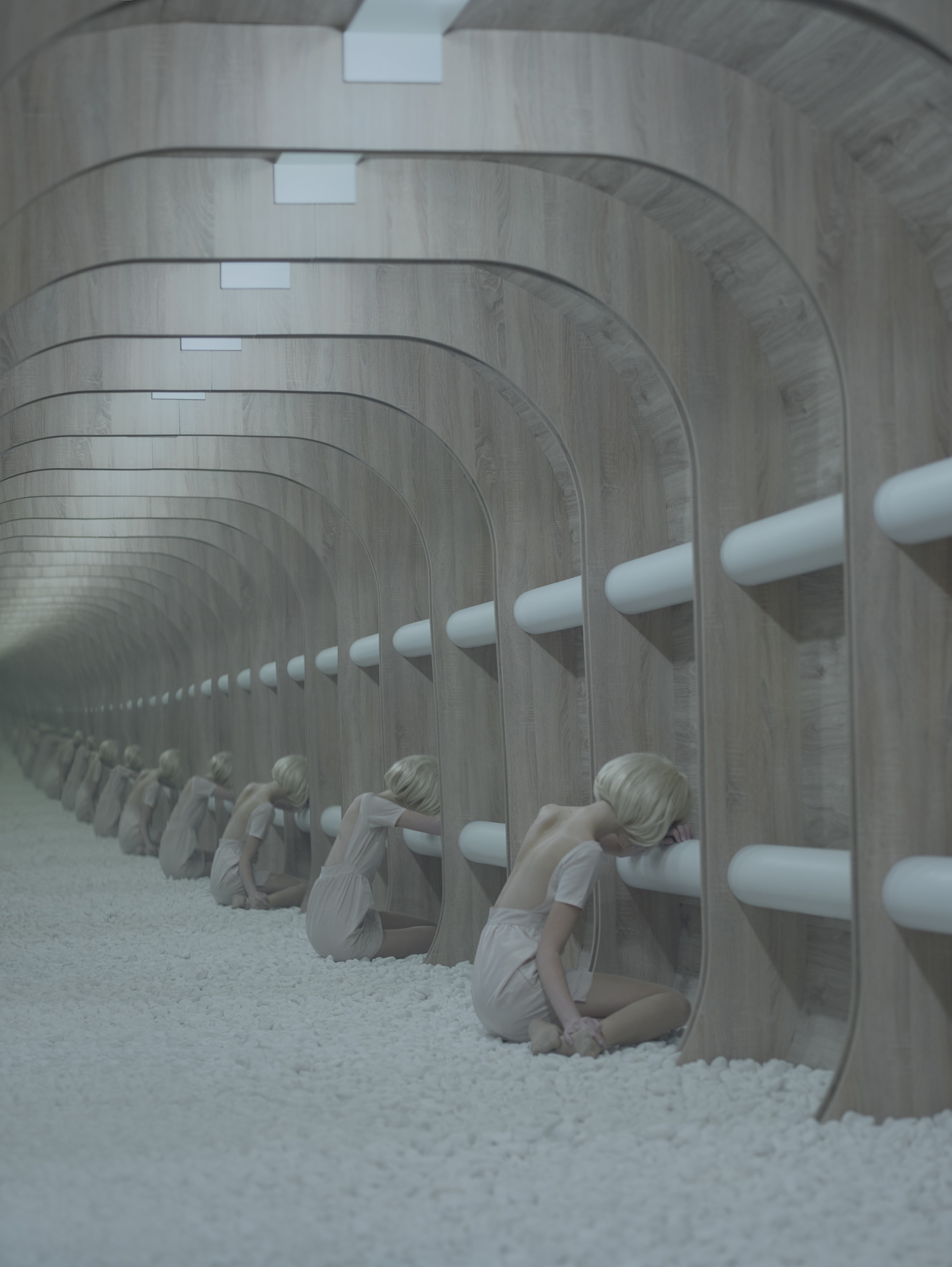
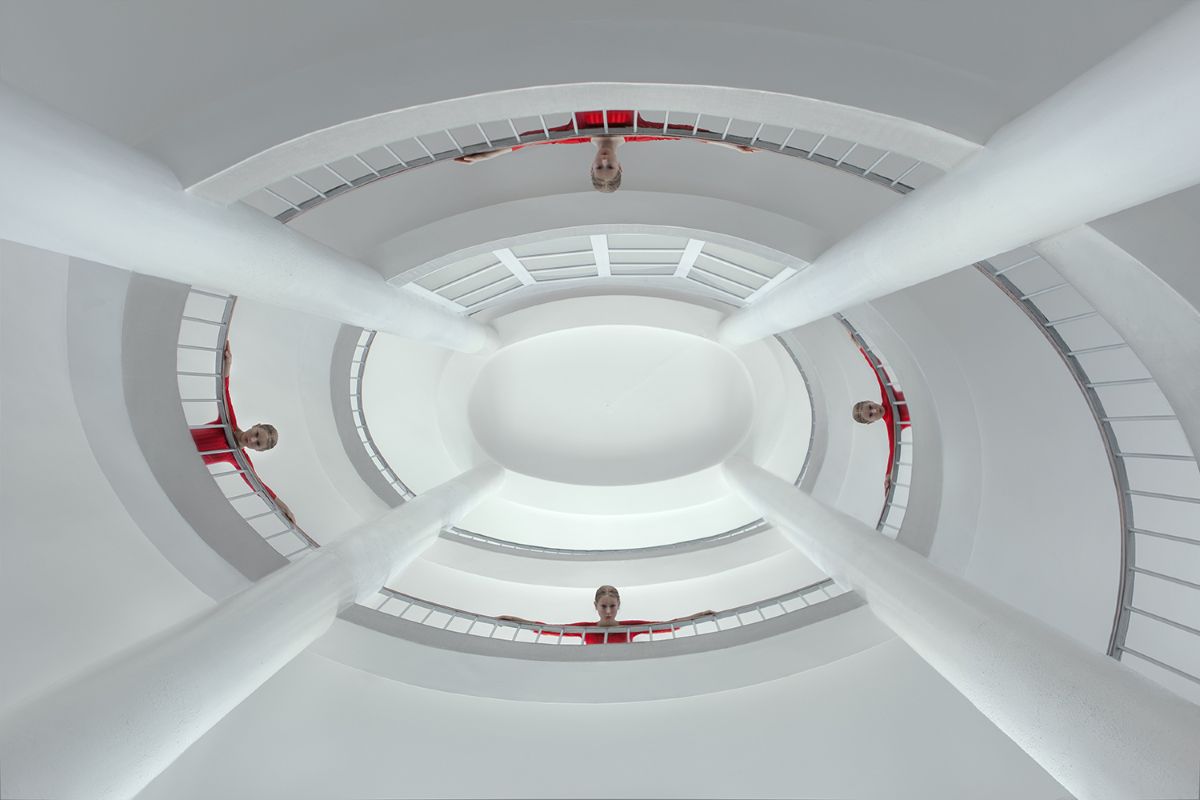
Evelyn Bencicova. Asymptote
Memory, Identity and the Human Body

In Asymptote, created with artist Adam Csoka Keller, Bencicova explores the relationship between people, architecture and Slovakia’s socialist past. Monumental buildings become symbols of a system in which individuals were expected to fit into a collective identity. The figures in her photographs are arranged into precise patterns, sometimes appearing almost like extensions of the architecture around them.

The project also reflects on how history continues to shape the present. Growing up in post-socialist Slovakia gave Bencicova a personal connection to this subject, including the parts of the past that are often overlooked or forgotten. In Asymptote, nostalgia, uncertainty and grief exist together. The images don’t offer a single interpretation; instead, they ask us to consider what societies carry forward, even when they try to leave history behind.

The Beauty of Imperfection

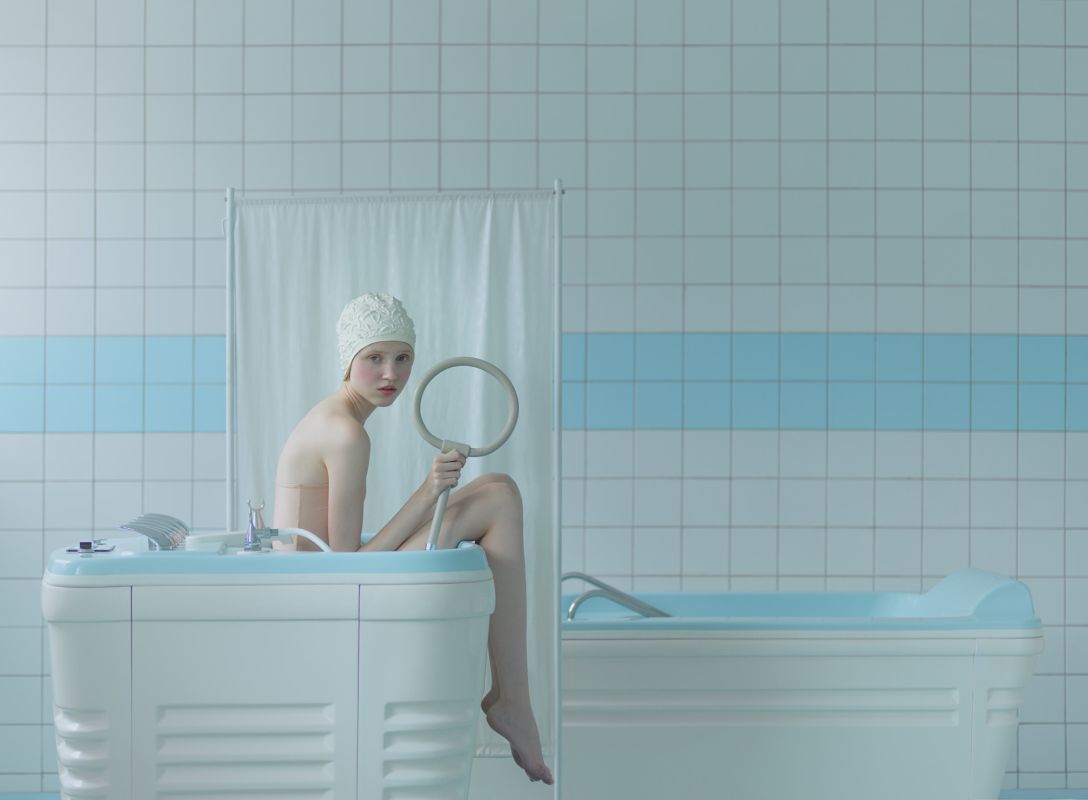
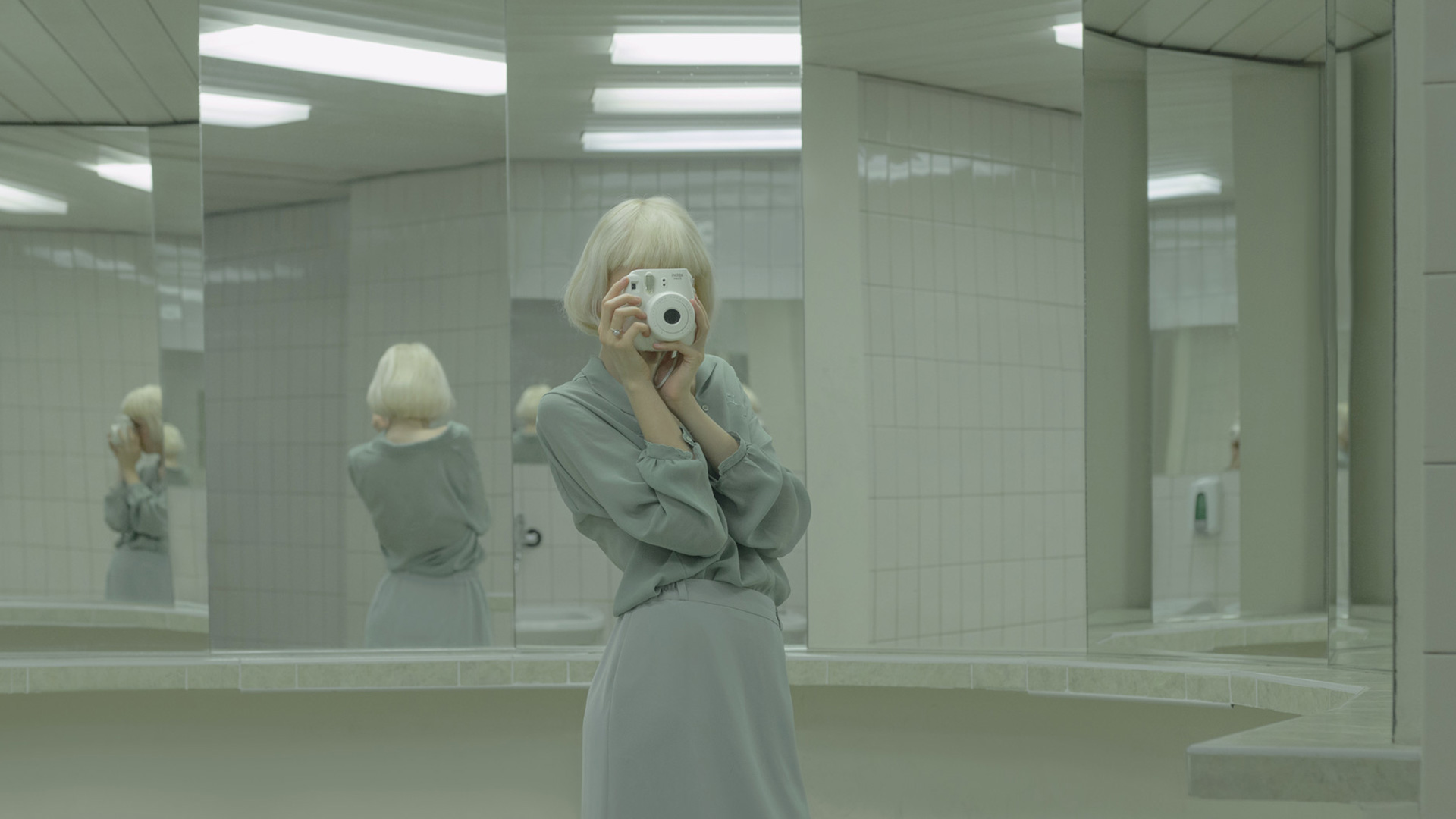
In Alice, Bencicova turns towards a more personal subject. The series works as a kind of self-portrait, with another person standing in for the artist’s emotional experience. Photographed inside a rehabilitation centre in a psychiatric hospital, the images show an immaculate environment and a seemingly beautiful figure. Small gestures, however, suggest that something much less comfortable is happening beneath the surface.

That tension returns in Artificial Tears, a project about the relationship between humans and machines, and the expectations placed on female identity. Its central figure reflects familiar ideas of beauty and femininity, while concealed faces and subdued colours create a quiet unease. The work questions imitation, functionality and the pressure to appear perfect. For Bencicova, imperfection is not a flaw to erase. It is part of being human.

Evelyn Bencicova. Alice
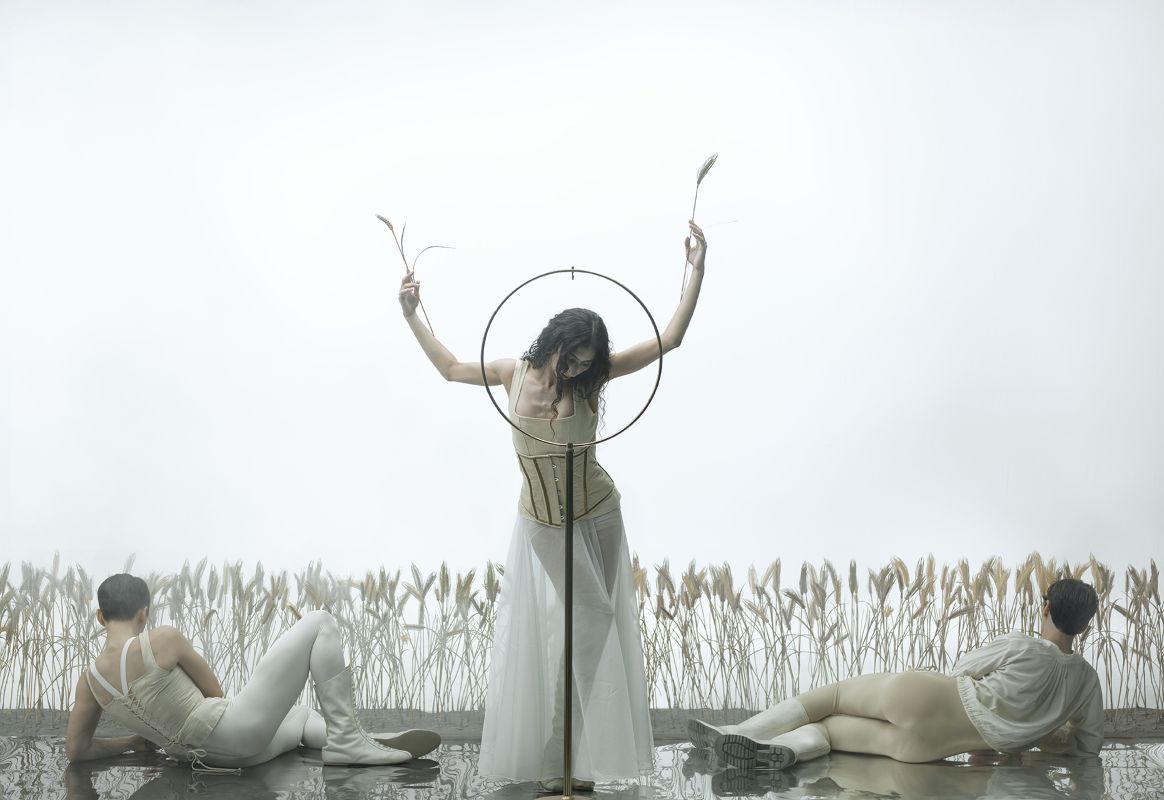
Evelyn Bencicova. Staatsballett Campaign
Beyond the Photographic Frame

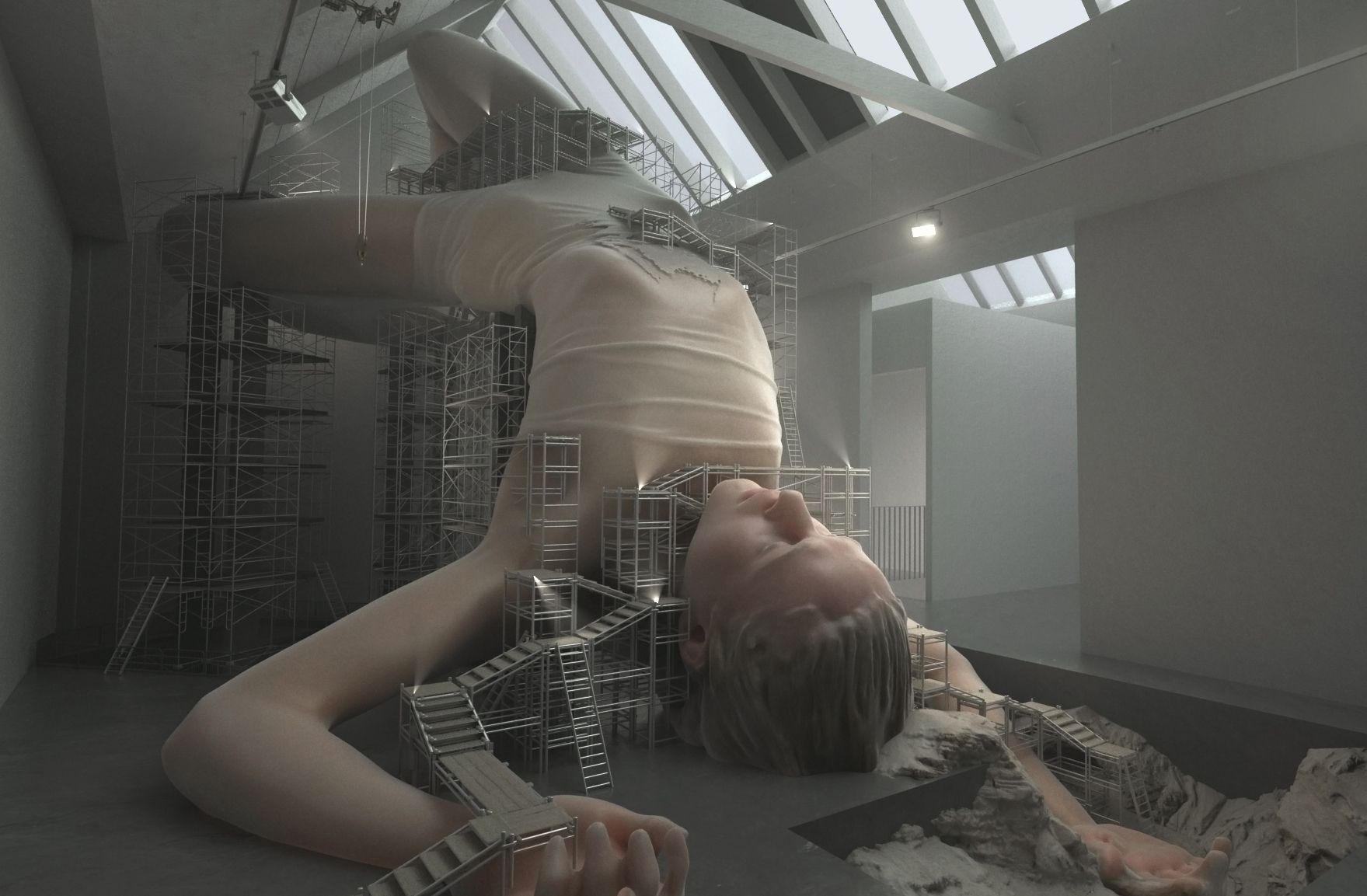
Photography remains central to Bencicova’s practice, but she also works with video, digital environments and virtual reality. These formats allow her to take storytelling beyond the still image. In collaborative projects involving 3D landscapes, she can create scenes that would be difficult to stage in the physical world and explore new ways for viewers to experience them.

Bencicova has described herself as more of a scenographer than a photographer. Planning a scene, choosing its objects and arranging the relationships between them take much longer than pressing the shutter. That attention to staging helps explain the precision of her images. She is also exploring performative installations, where audiences can encounter images in physical space. For her, the photograph can be a beginning, not an ending.

Bencicova’s work has received international recognition, including the Hasselblad Masters and Broncolor GenNext awards in 2016. Her projects have appeared in Vogue, Dazed and ZEIT Magazine. She has also worked with brands such as Gucci and Cartier, alongside cultural institutions including Frieze and the Royal Opera House. Yet her interests reach well beyond fashion and editorial photography.

Her project Second Virgin examines how artificial intelligence, digital characters and social conditioning shape ideas about intimacy, gender and identity. It extends questions already present in Artificial Tears into a new context. That willingness to follow an idea into unfamiliar territory is central to Bencicova’s work. Her images may seem distant or mysterious, but the questions behind them are familiar. They ask us to look again at the world, and at the assumptions we bring to it.

Evelyn Bencicova. Work In Progress
Scroll