Kiki Xue: Where Fashion Meets Fine Art
Zoë Marin
Written by Zoë Marin in Beyond the Frame Art & Design Photography

Kiki Xue: Where Fashion Meets Fine Art

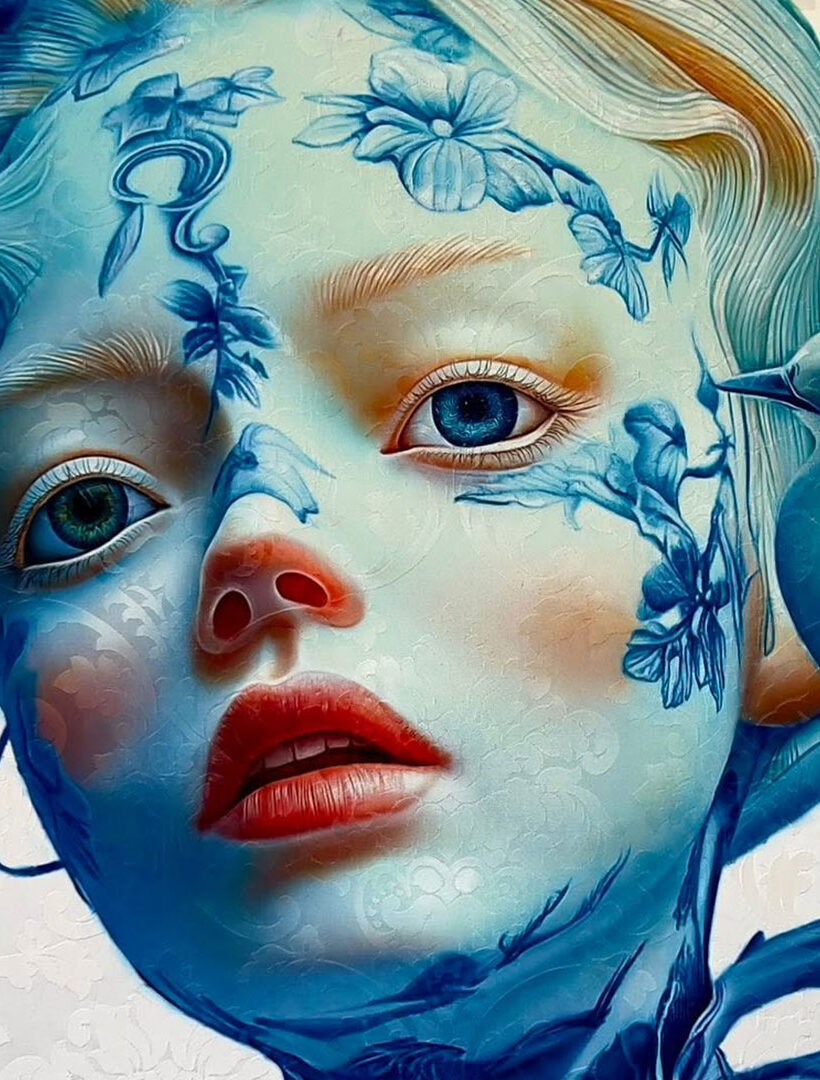
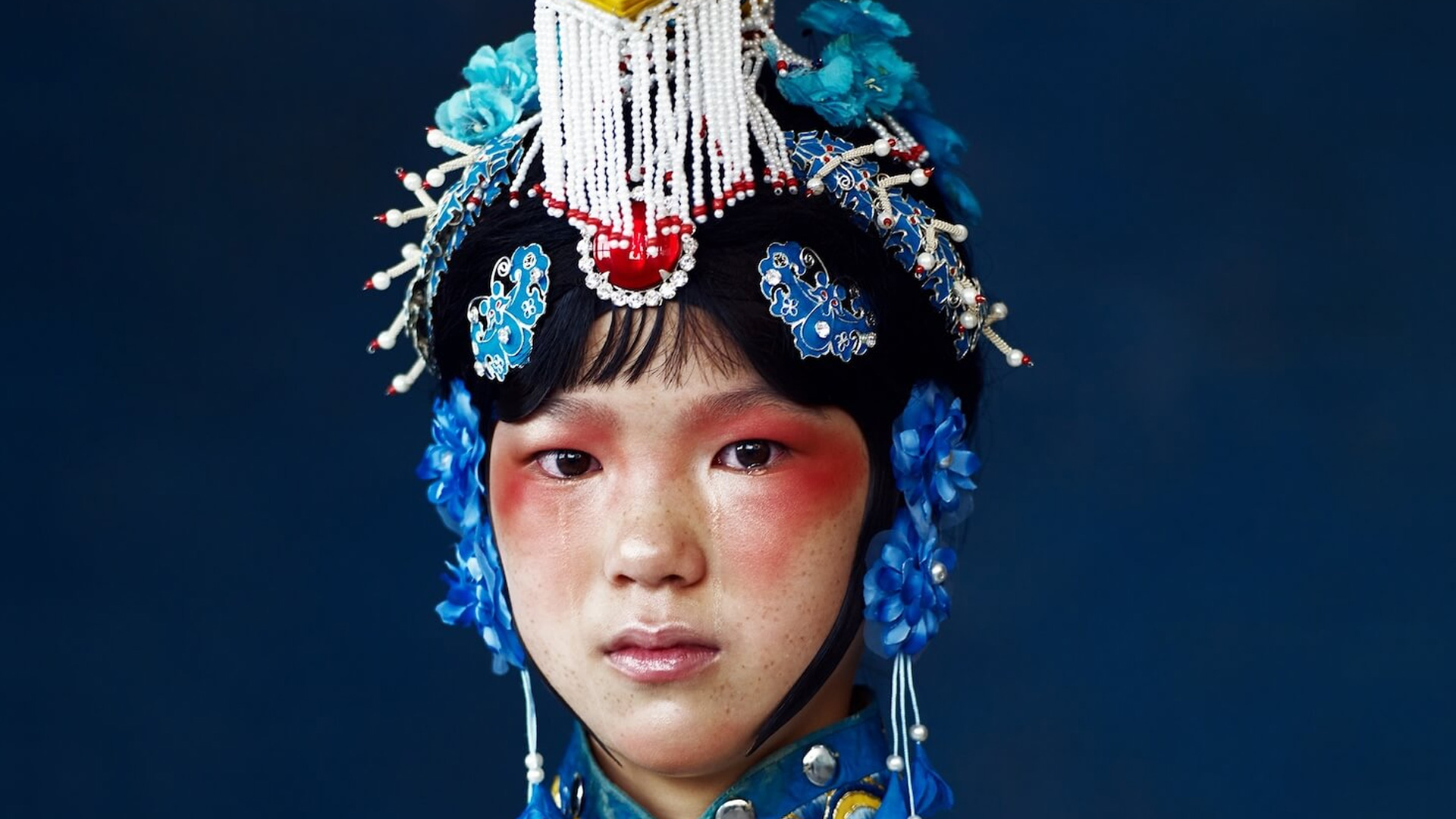
Kiki Xue’s photographs feel like glimpses into a world that almost exists. A model looks straight into the camera, a traditional costume catches the light, and suddenly the image becomes something more than fashion. There’s a hint of theatre, a little mystery, and often a detail that feels wonderfully out of place. Xue has a knack for making these elements work together without losing sight of the person in front of his lens.

Born in Chengdu, China, in 1987 and now based in Paris, Xue has built a photographic language shaped by his experiences between cultures. His editorial work has appeared in publications including Vogue Italia and Harper’s Bazaar China. Yet what makes his images memorable isn’t simply their fashion credentials. It’s the way he borrows from painting, traditional Chinese imagery and contemporary art to create portraits with a personality all their own.
Learning to See Like a Painter

Photography wasn’t Xue’s first academic pursuit. He studied mathematics at university in China, but an interest in photography books eventually encouraged him to pick up a camera and practise. His relationship with images began even earlier: at nine years old, he entered a school photography competition using a Kodak camera borrowed by his mother. He remembers treasuring every shot and roll of film.

Drawing and painting also left a lasting mark on his visual instincts. Although he eventually concentrated on photography, his early experiments with colour stayed with him. Today, he often looks to paintings for ideas, pulling out meaningful shapes, colours and details before developing them into photographs. He describes the process as deconstruction and reconstruction, bringing an image closer to his own imagination before using the camera to give its emotion a tangible form.

Faces With Something to Say

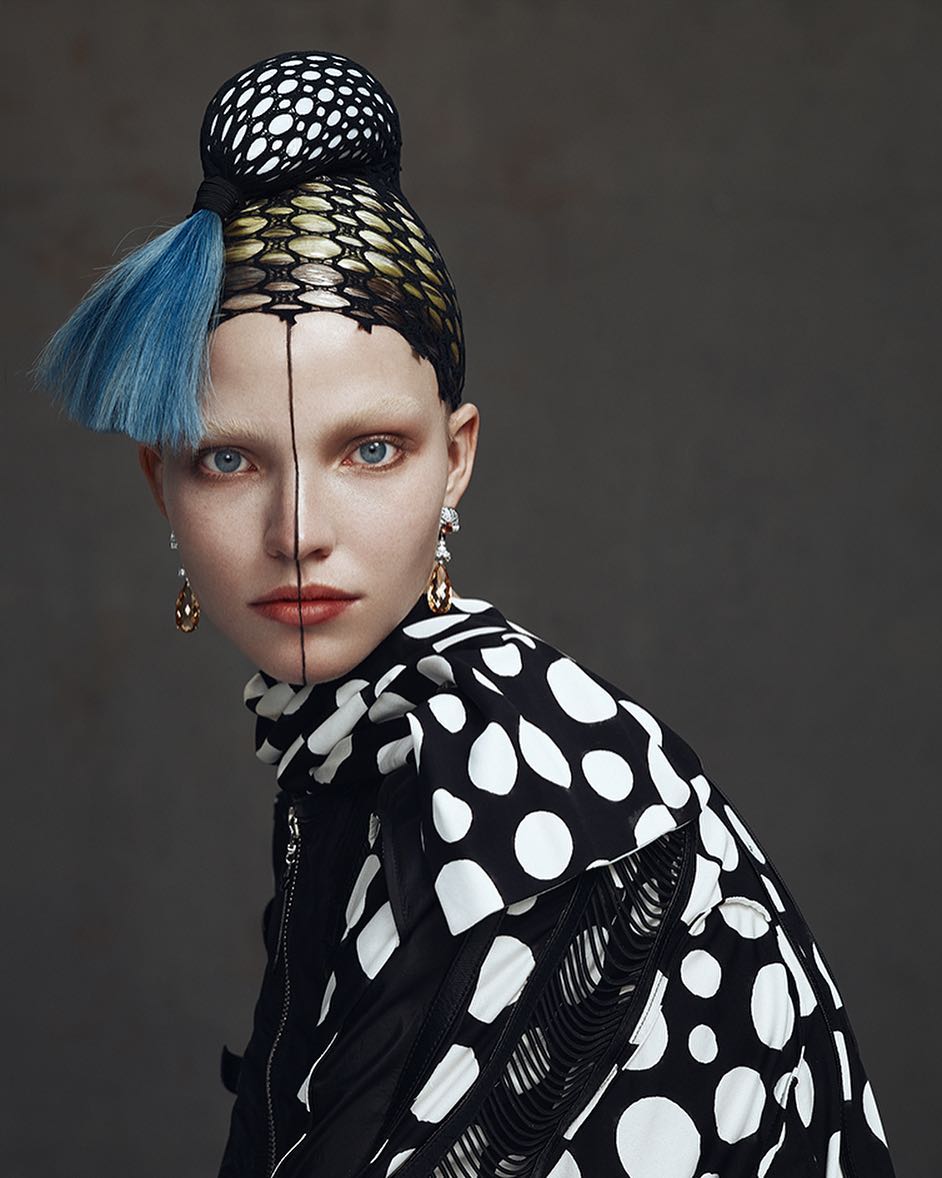
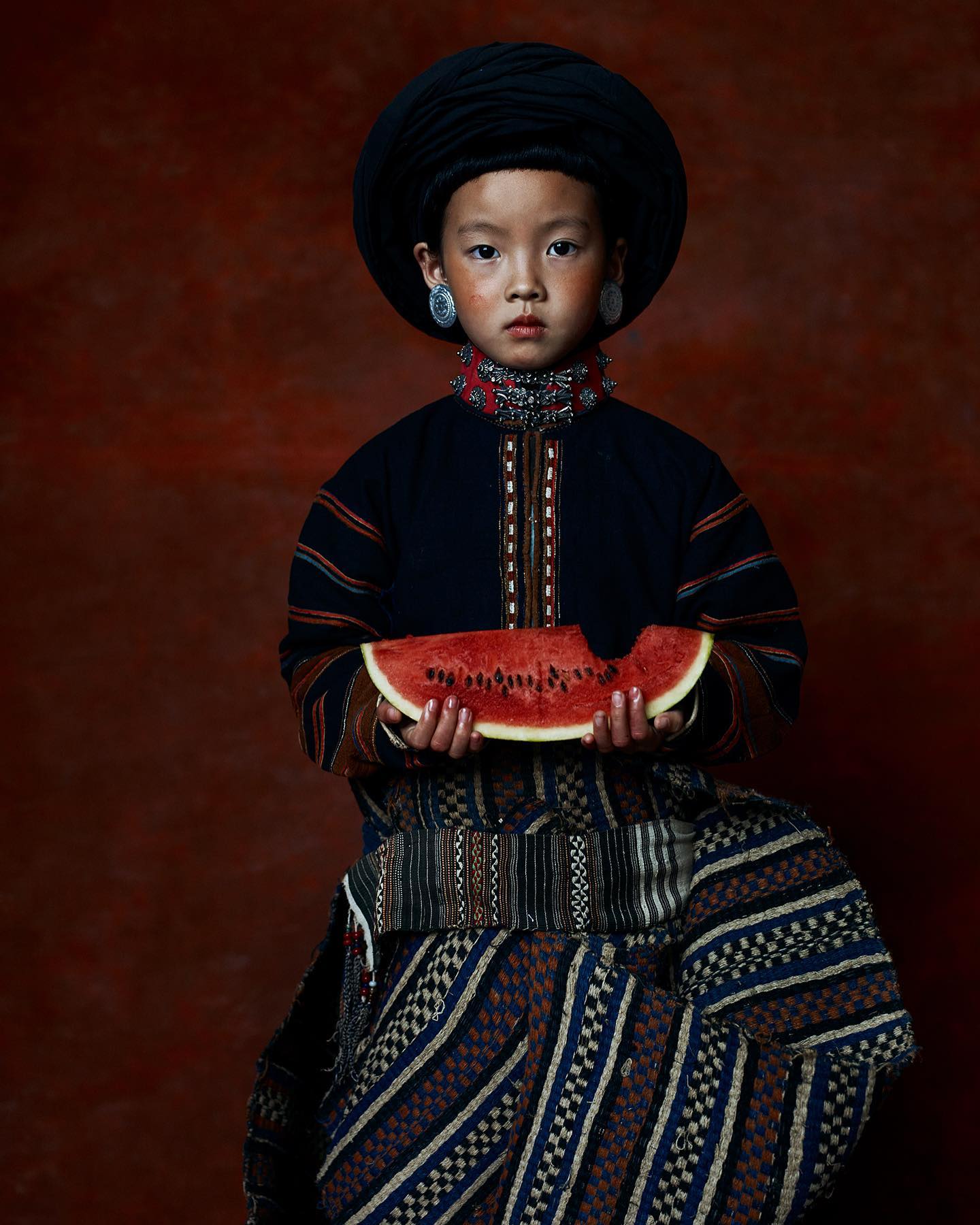
For Xue, a portrait begins with a person, but it doesn’t end with a likeness. He is drawn to distinctive faces, expressive eyes and imperfections that give someone character. Rather than smoothing away every irregularity in pursuit of conventional beauty, he allows those details to become part of the image. The result can feel intimate, even when the styling is elaborate.

Light and shadow do much of the storytelling. A dark background might isolate a face, while a flash of colour or a carefully placed highlight gives the composition its pulse. Xue pays close attention to how these elements interact, creating photographs that can feel calm one moment and psychologically charged the next. His subjects aren’t simply displaying clothes. They seem to inhabit a particular mood, caught somewhere between their own identity and the character the photographer imagines for them.

The Theatre of Peking Opera

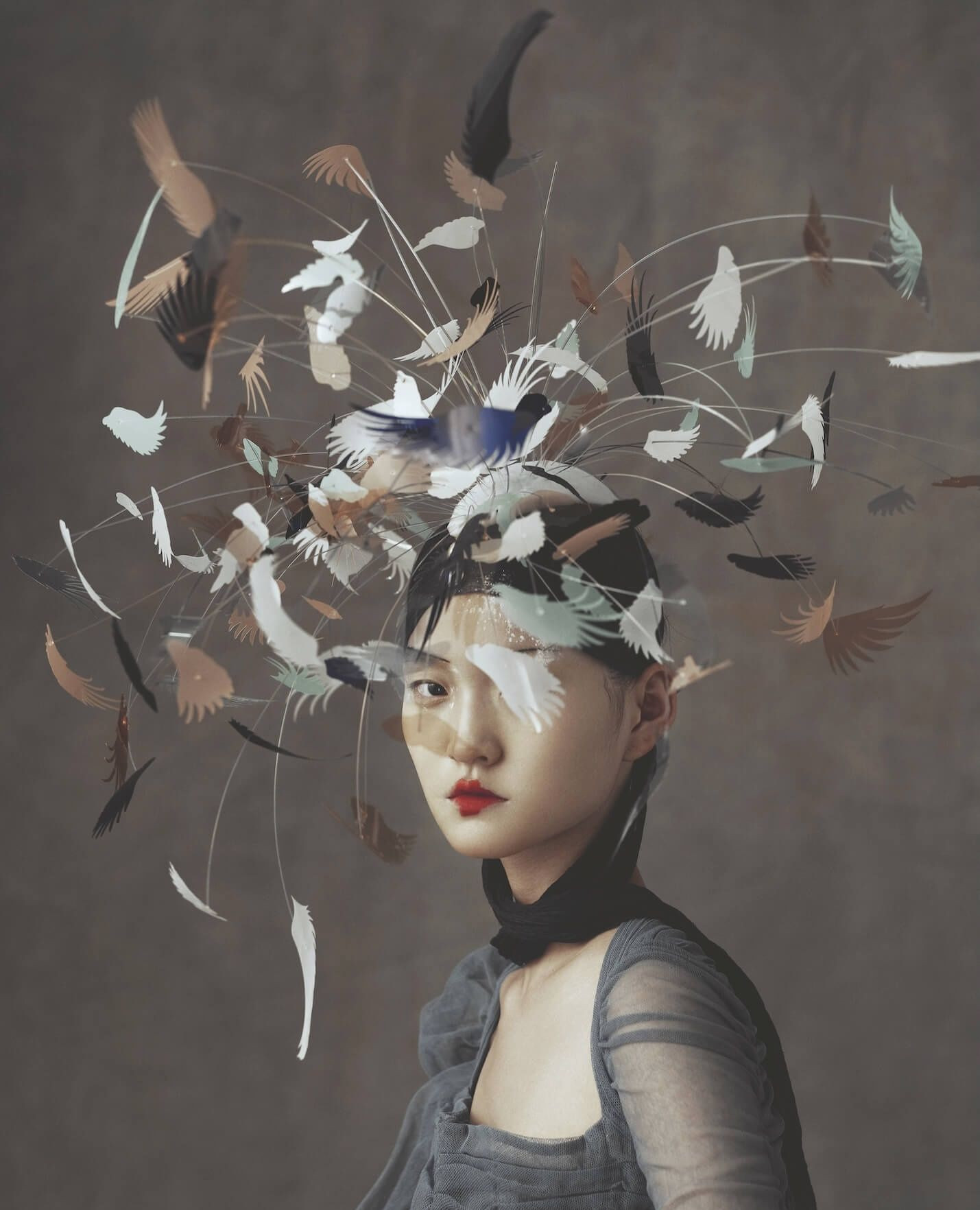
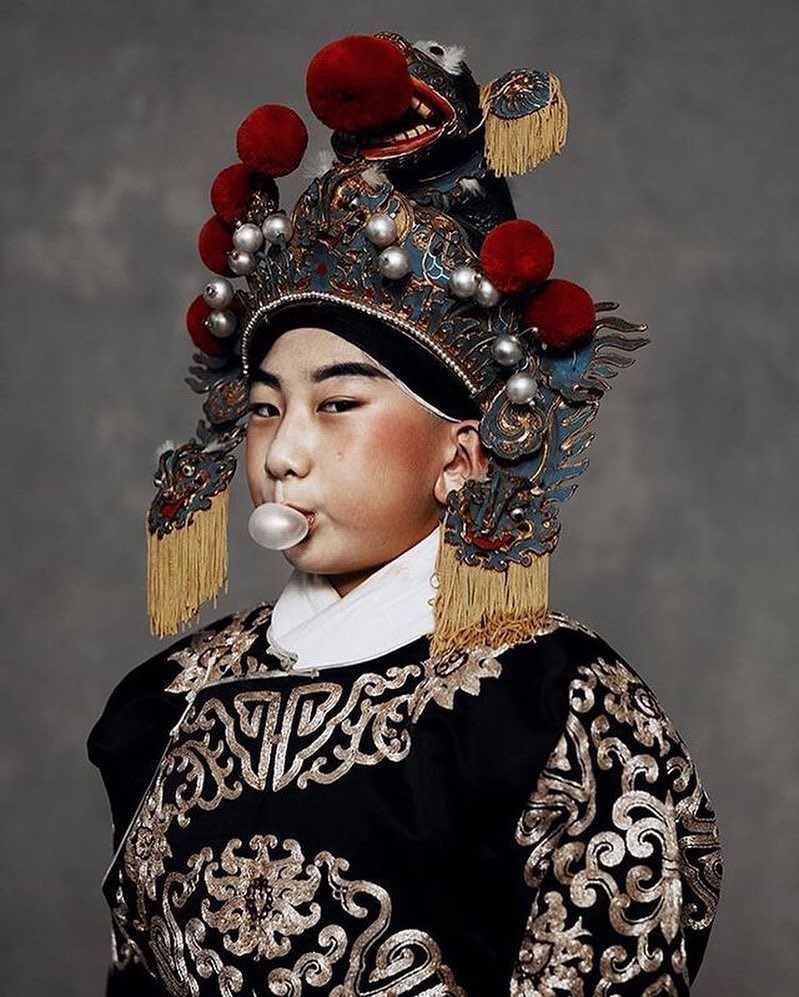
One of the clearest expressions of Xue’s approach is his Peking Opera portrait series, which brings traditional Chinese culture into conversation with Western art and modern fashion photography. Rather than reproducing familiar imagery, he takes it apart and rearranges its elements. Costumes and cultural references become part of a more personal visual language, where humour, stillness and unexpected details can share the same frame.

In one of the photographs, a feathered hat becomes more than an accessory. Xue has described the encounter between photographer and model as a quiet exchange: each observes the other, and subtle expressions emerge through that relationship. Elsewhere in the series, a model blowing a bubble introduces an almost playful interruption into the carefully constructed imagery. These gestures make the work feel less like a formal tribute and more like a living conversation between past and present.

Fashion as a Creative Catalyst

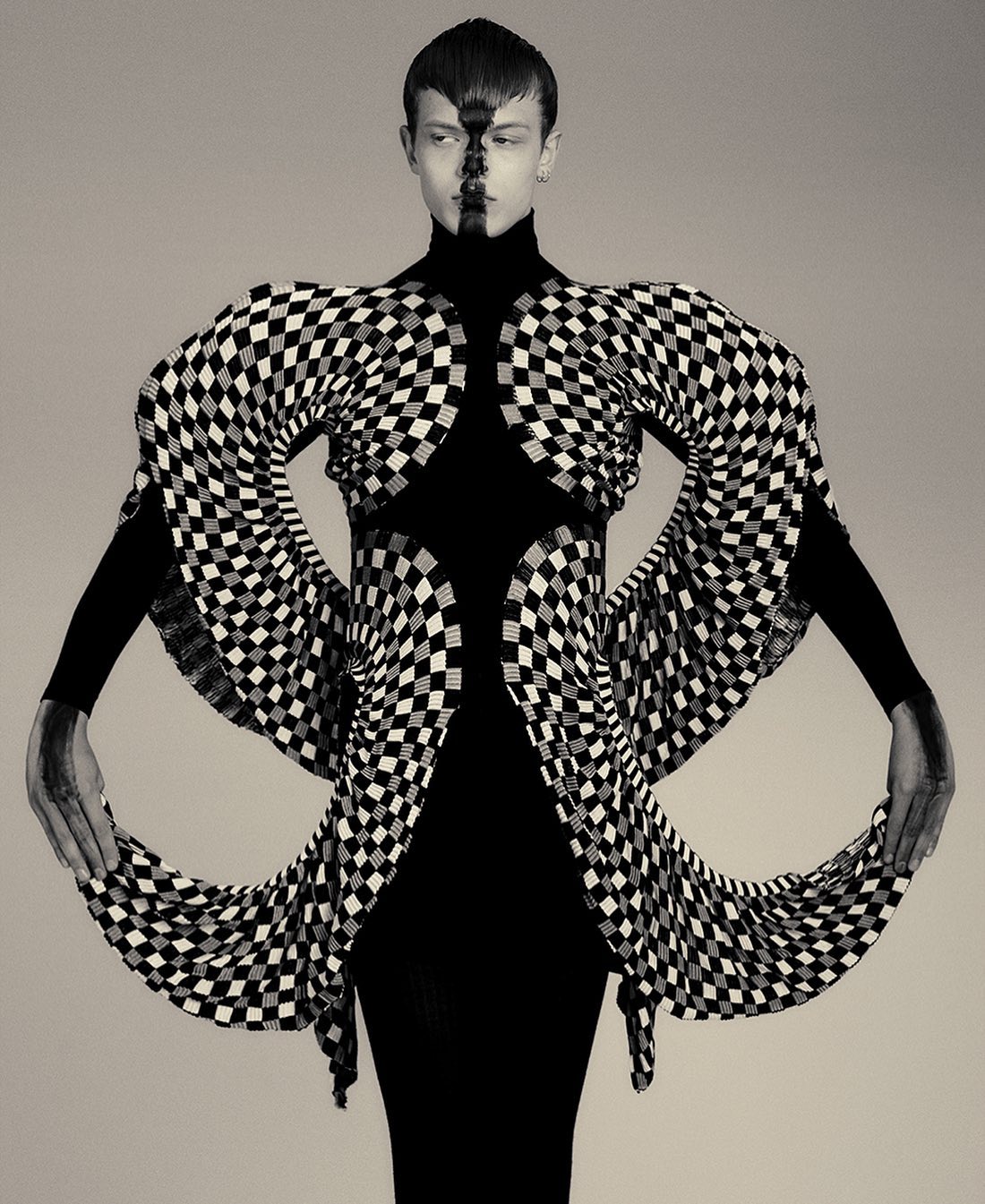
Clothing plays a particular role in Xue’s process. He has explained that he wants garments to connect with his ideas and feelings, acting as a catalyst that makes a photograph more complex and expressive. This helps explain why his fashion images often seem to exist somewhere between an editorial shoot and a staged scene from an imaginary film. The styling isn’t there simply to show what someone is wearing. It helps establish the emotional world of the photograph.

That approach also allows Xue to move between commercial assignments and personal projects without treating them as separate creative lives. He sees the experience gained through commissioned work as something he can bring back to his own practice, and the two continue to influence one another. His preference for an image that feels slightly unreal, like a cloud suspended in mid-air, offers a useful clue to his ambitions. He isn’t trying to reproduce the world exactly as it appears. He’s interested in what happens when reality passes through imagination.

Xue has said that beauty should make people stop and think, and that idea runs through his work. Elegance sits alongside strangeness; traditional references meet contemporary styling; a small imperfection can become the detail that holds an entire image together. His photographs reward a second look.

Ultimately, Xue’s work reminds us that fashion photography can do more than present an ideal. It can question it, reshape it and leave room for ambiguity. Visit Kiki Xue’s official website to explore his photographic world further.


All photos in this article by Kiki Xue.

Scroll