Kadir Akyol Reimagines Portraiture Between Past and Present
Elliott Brooks
Written by Elliott Brooks in Dimensions Art & Design

Kadir Akyol Reimagines Portraiture Between Past and Present

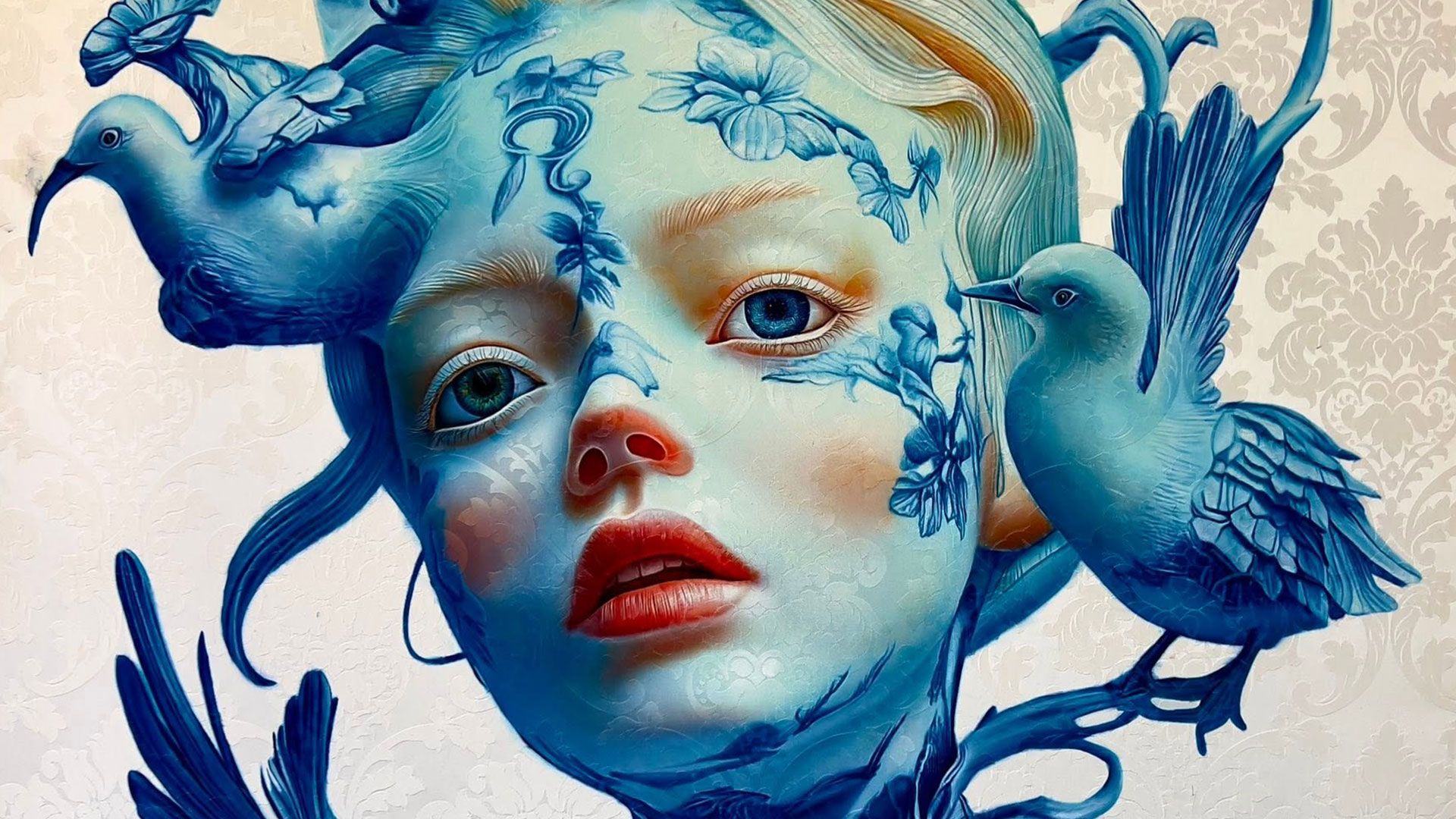
A portrait can preserve a face, but Kadir Akyol is interested in everything that surrounds it. Lace, television imagery, Anatolian motifs, mythological figures, popular icons, and references drawn from different moments in art history all enter his paintings, creating encounters that feel at once familiar and unexpected. His richly detailed works turn portraiture into a space where cultures, eras, and ideas can meet.

Born in Mardin in 1984, Akyol has developed a practice that moves comfortably between local traditions and contemporary global culture. Painting remains his primary medium, although his work also extends into video, installation, and performance. Across these forms, he returns to one central idea: art can transform what already exists, bringing seemingly distant images and histories together to create new relationships.
Portraits Beyond the Face

Akyol draws deeply from the long history of portraiture, but he resists the idea that his paintings should simply be understood as portraits. As he has explained, the portrait is an important tool for understanding his work rather than its final definition. The face becomes an entry point into questions of identity, psychology, memory, and the relationship between the individual and society.

That expanded understanding of portraiture helps explain the density of his compositions. Akyol brings together images from different historical periods and cultural contexts, allowing traditional life to encounter popular culture, modern painting, lyricism, and irony. The resulting hybrids resist a single reading. They ask viewers to consider what happens when an inherited image meets the visual language of the present.

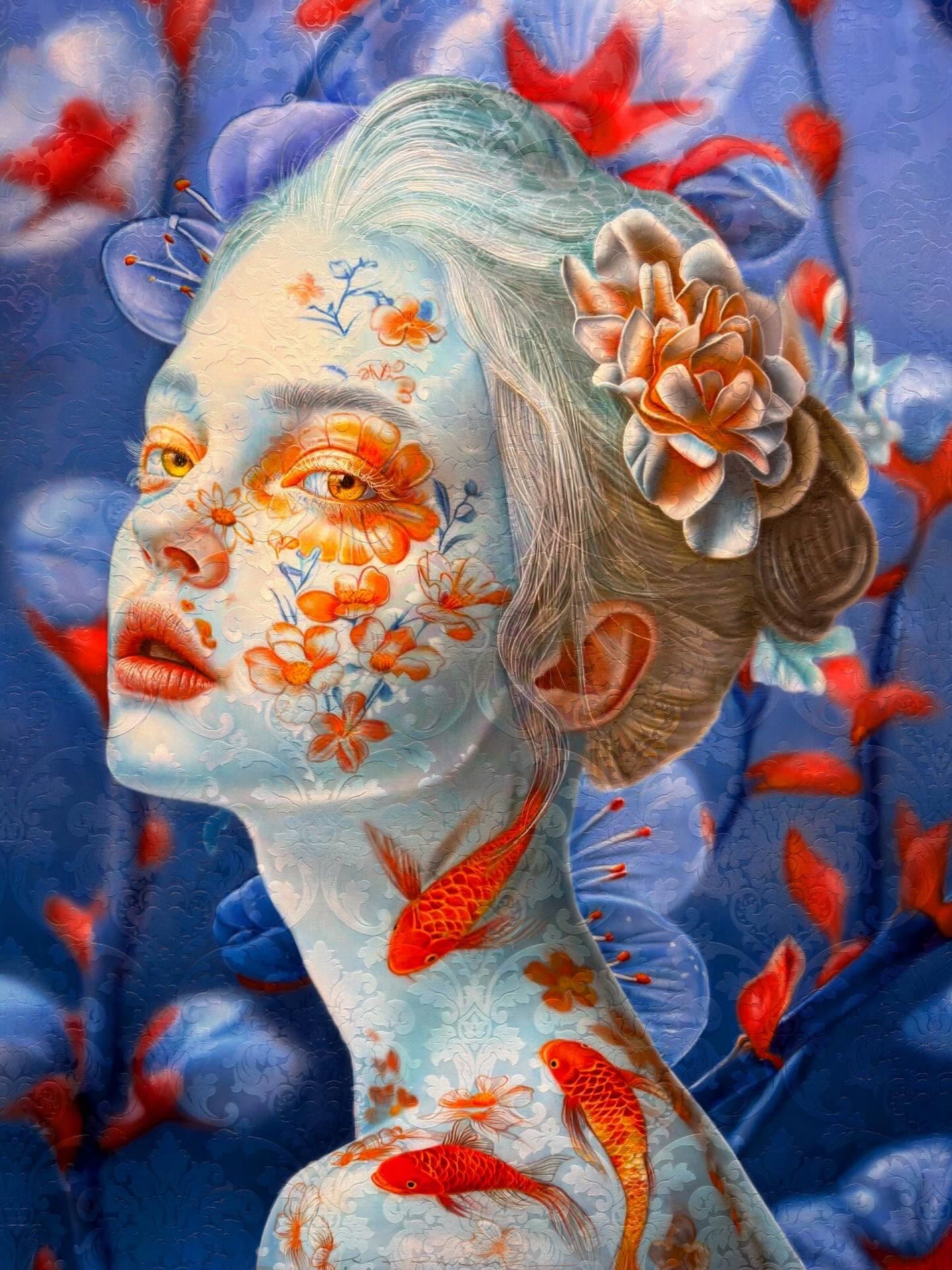
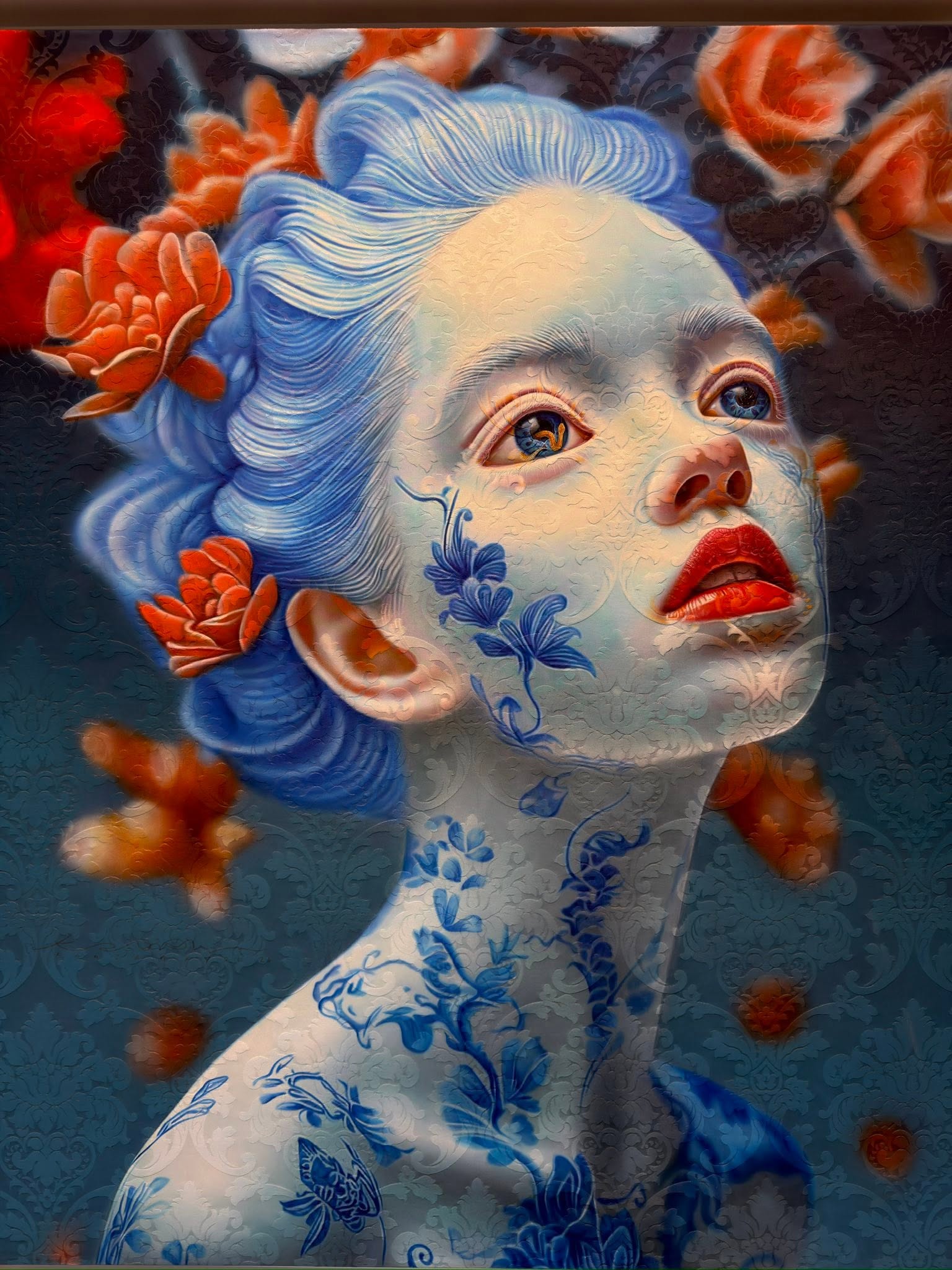
SAKURA in my He’ART
Kadir Akyol. SAKURA in GORDION
Lace, Television, and Collective Memory

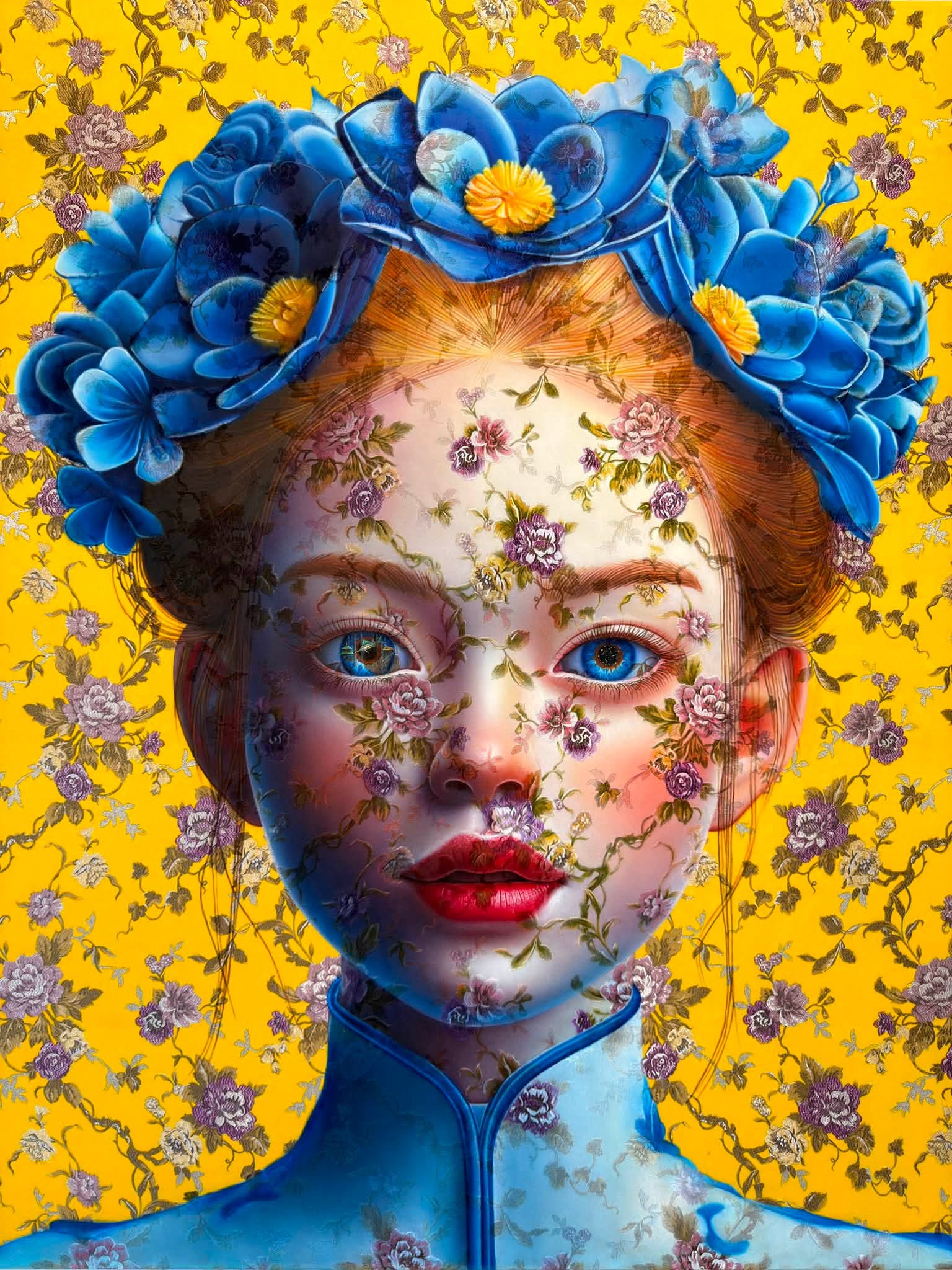
One of the most recognizable elements of Akyol’s earlier work is lace. Delicate patterns can cover a face almost like a second skin, creating a fascinating tension between concealment and exposure. Against the bright geometric imagery associated with Turkey’s former single-channel television era, the handmade texture of lace brings together two very different forms of cultural memory.

For Akyol, these elements carry several layers of meaning. Lace refers to craftsmanship, heritage, vulnerability, and the structures created through human relationships, while old television logos evoke a particular period of collective memory and the influence of media on identity. Together, they question how individuals understand themselves through images inherited from both tradition and popular culture.

When East Meets West

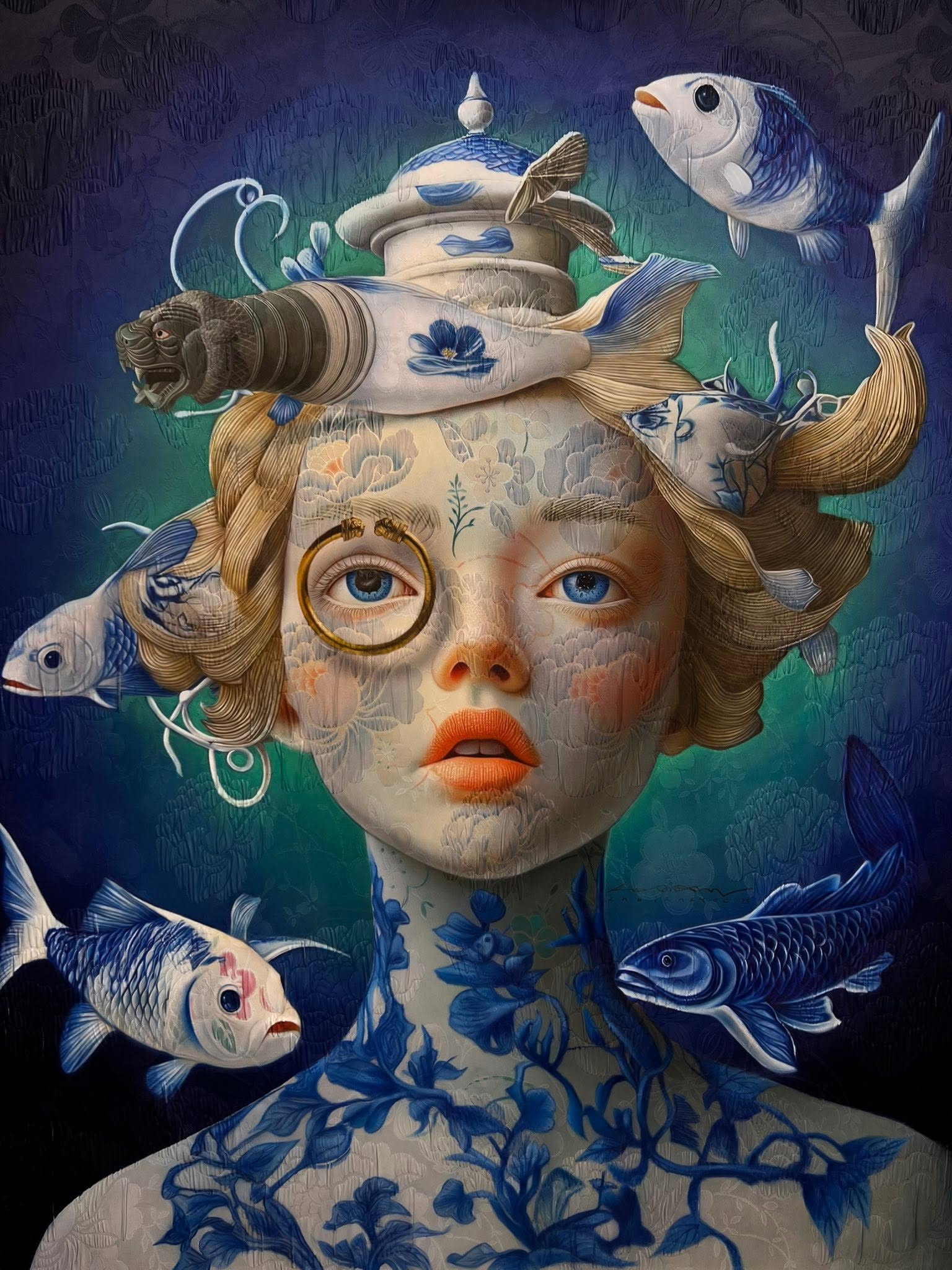
Akyol’s practice is particularly compelling in the way it refuses to keep cultural references in separate compartments. Anatolian motifs can appear alongside contemporary aesthetics, while mythological gods and goddesses encounter figures from art history and popular culture. His Inception series takes this approach even further, bringing different periods, concepts, and symbols into a hybrid structure designed to blur boundaries between East and West, past and present.

The artist describes this process less as creating something from nothing than transforming what already exists. He sees originality in the ability to blend, drawing information from different disciplines and transferring it into his own visual language. That perspective gives his paintings their unusual sense of simultaneity, as though several histories can occupy the same surface without cancelling one another out.

Kadir Akyol. SAKURA in my He’ART

Akyol’s paintings ultimately depend on an exchange between the image and the person looking at it. The gaze is crucial. Faces meet the viewer directly, sometimes from behind layers of lace or through compositions filled with competing cultural references, creating an encounter that can feel intimate even when the image itself remains elusive. For Akyol, the depth a viewer perceives is connected to the depth they bring with them.

That exchange is what keeps his portraiture from becoming purely historical or decorative. Akyol’s subjects carry traces of their cultural past while existing firmly in the present, where identities are constantly being reshaped by media, globalization, technology, and changing social values. His paintings do not resolve those tensions. Instead, they hold them together, turning portraiture into an ongoing conversation about who we were, who we are, and who we might become.

Kadir Akyol. SAKURA 71
Scroll