Ben Zank: The Art of Feeling Without a Face
Zoë Marin
Written by Zoë Marin in Beyond the Frame Art & Design Creative Photography

Ben Zank: The Art of Feeling Without a Face

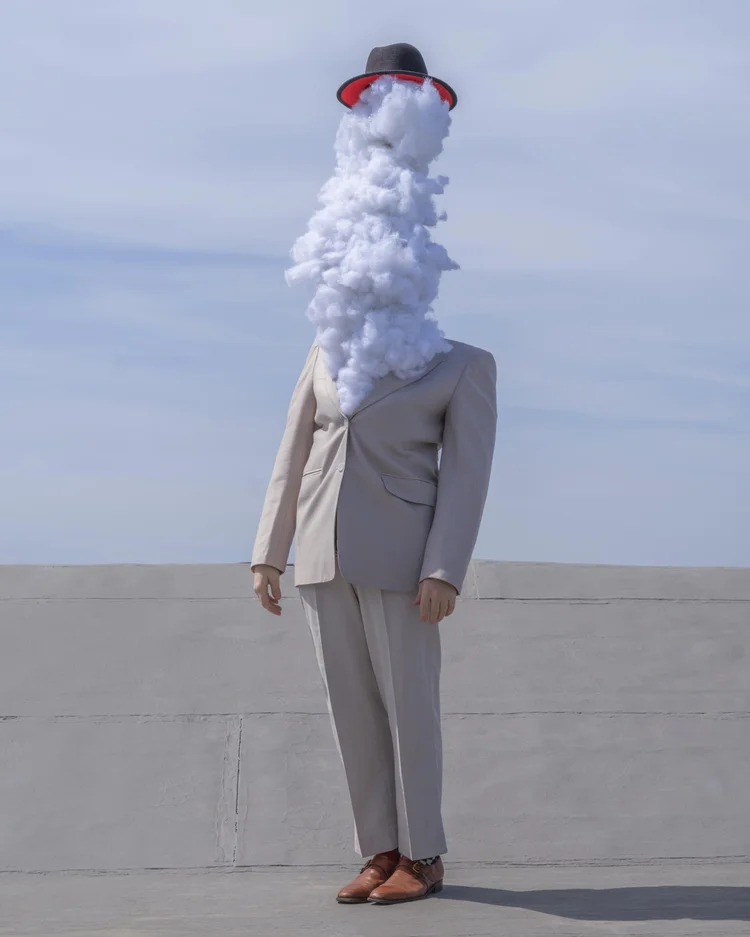
Ben Zank’s photographs tend to stay with you in a quiet way. At first, they seem simple—often just a figure, a landscape, a gesture. But the longer you look, the more they begin to shift, opening into something less certain and harder to define.

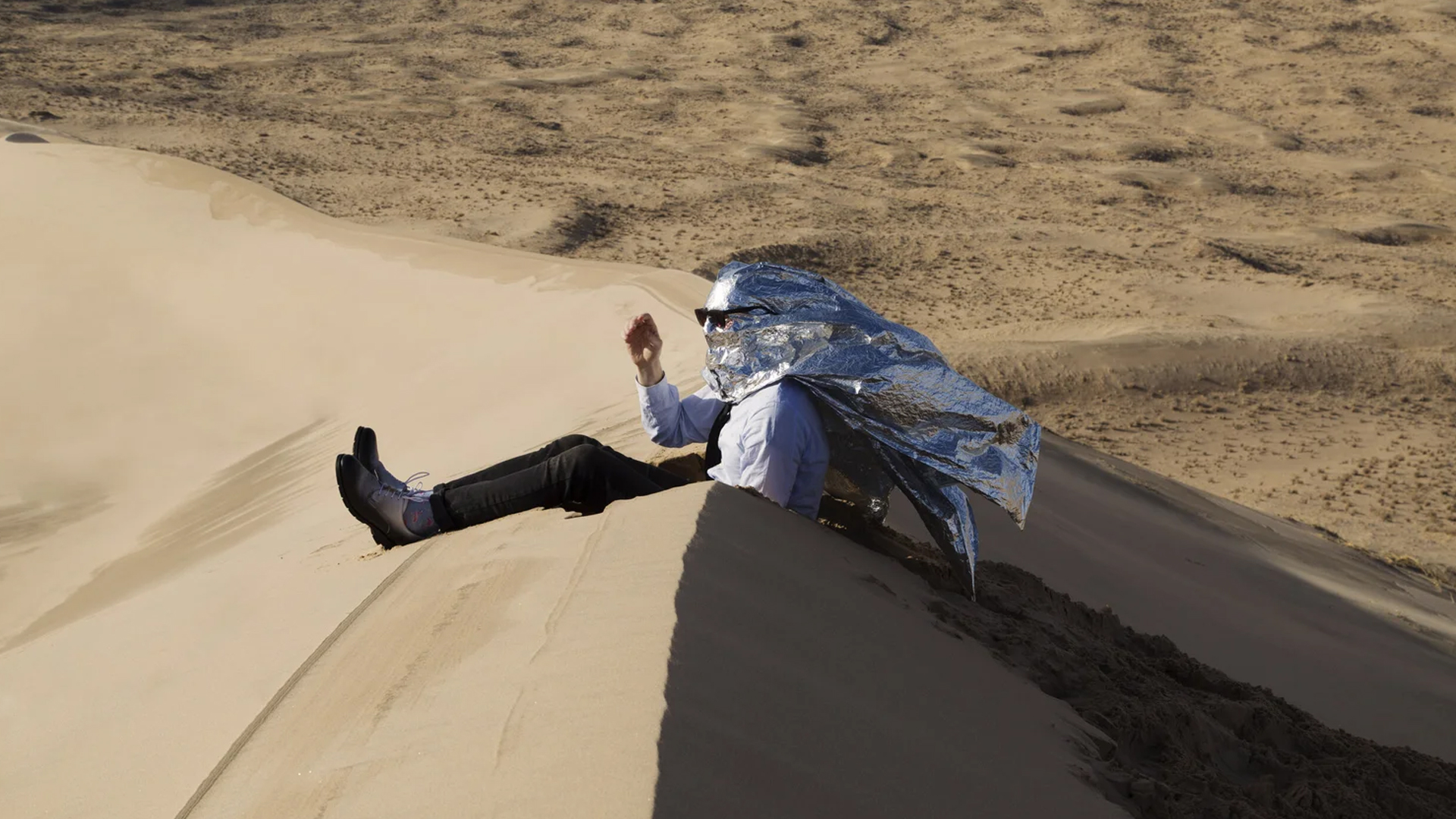
Based in New York, Zank builds a visual language where emotion is carried not through expression, but through form. Faces are often hidden, turned away, or removed entirely. What remains is the body—positioned, folded, suspended—becoming the primary vessel through which feeling moves.
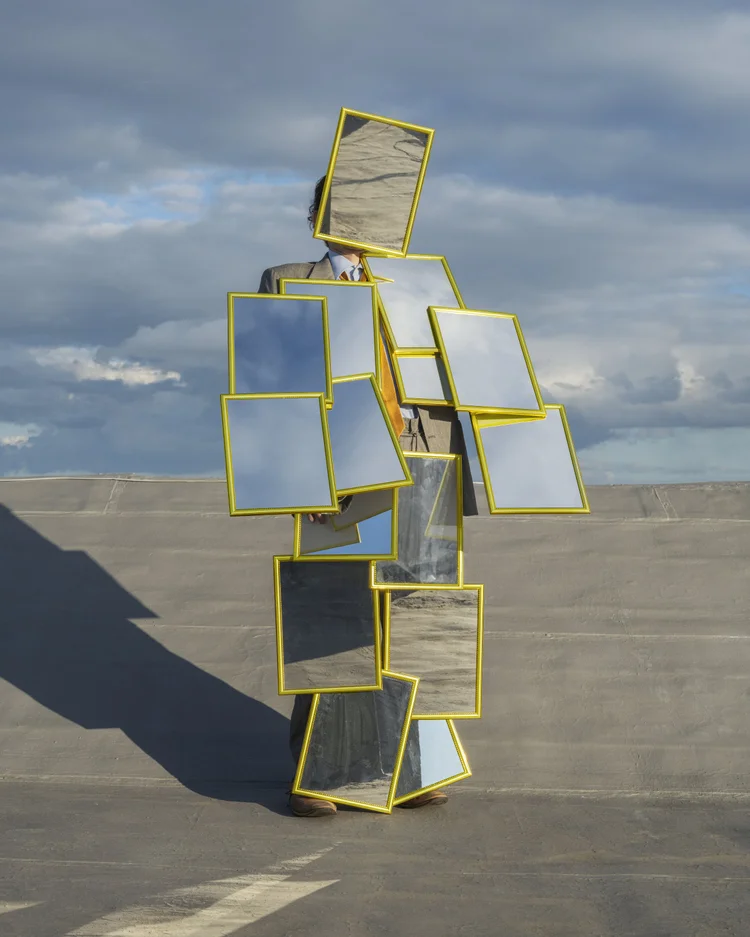
Ben Zank. I'm Reflecting
A practice shaped by doing

Zank’s entry into photography was less a planned pursuit than an accumulation of moments. After discovering a Pentax camera in his grandmother’s attic at 18, he began experimenting, eventually committing to a 365-day project that would quietly define his approach.

That daily act of making—of producing images regardless of outcome—became foundational. It stripped away the pressure of perfection and replaced it with momentum. Even now, his process carries that same openness: ideas emerge through action, often shaped by the environment rather than imposed upon it.

The body as language

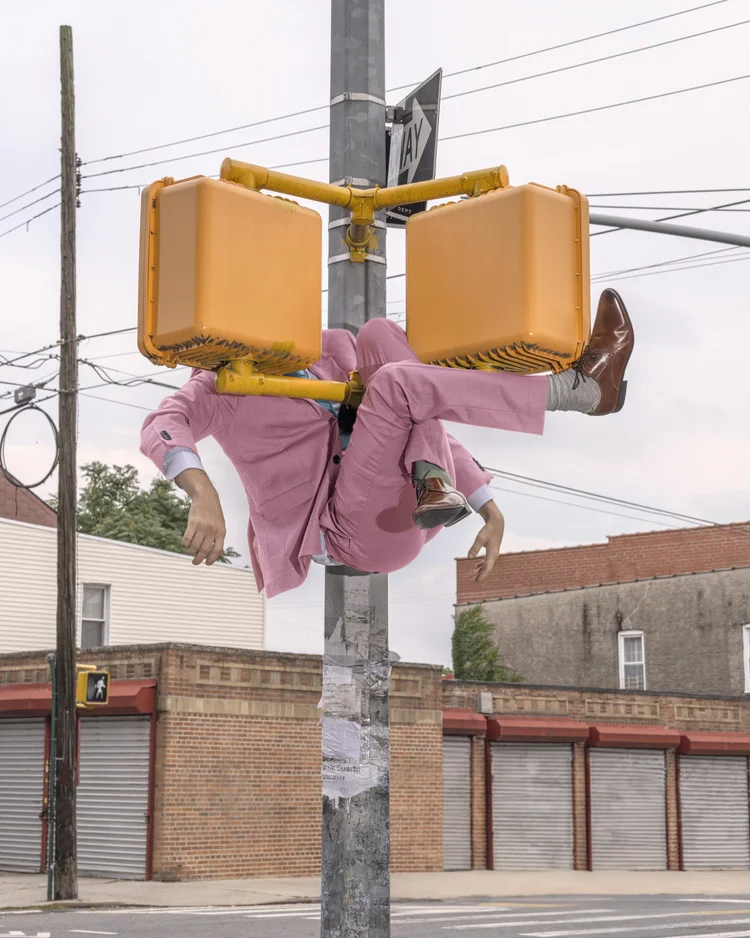
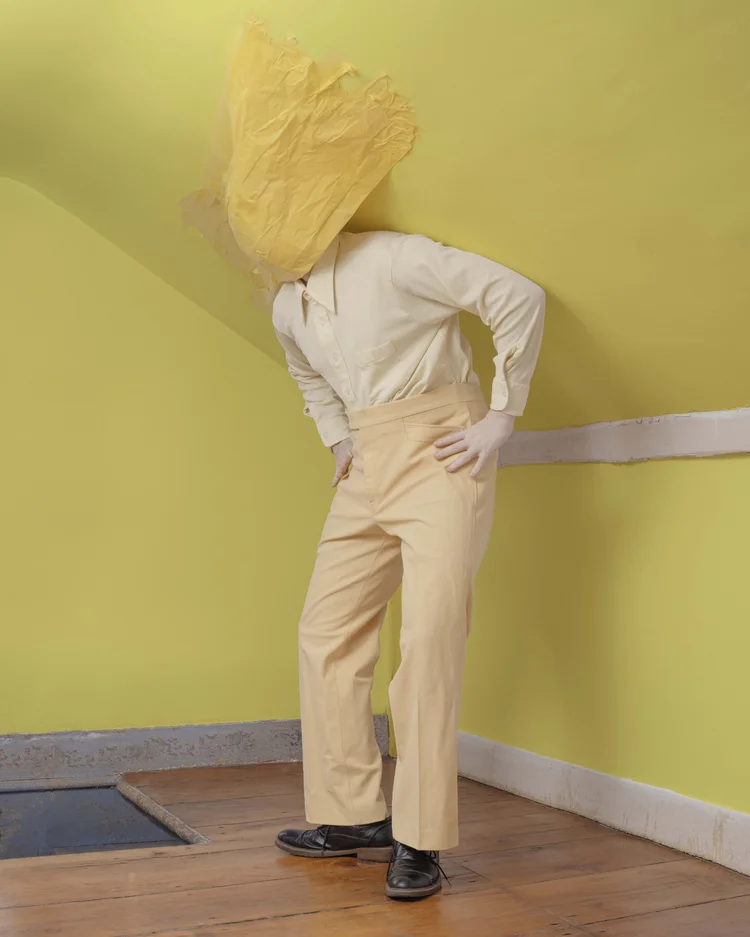
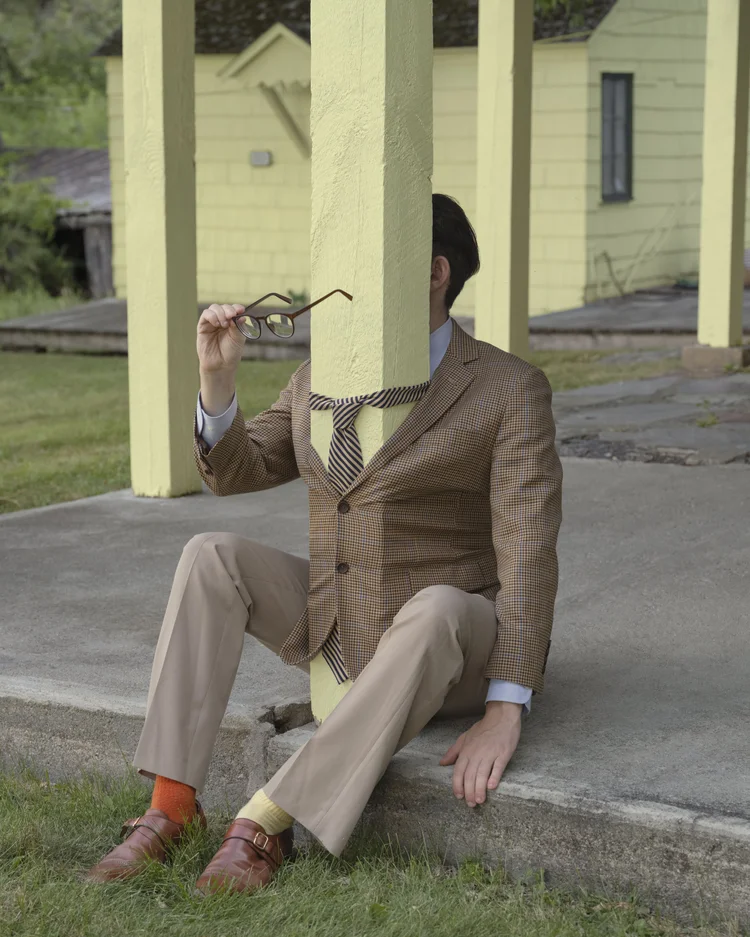
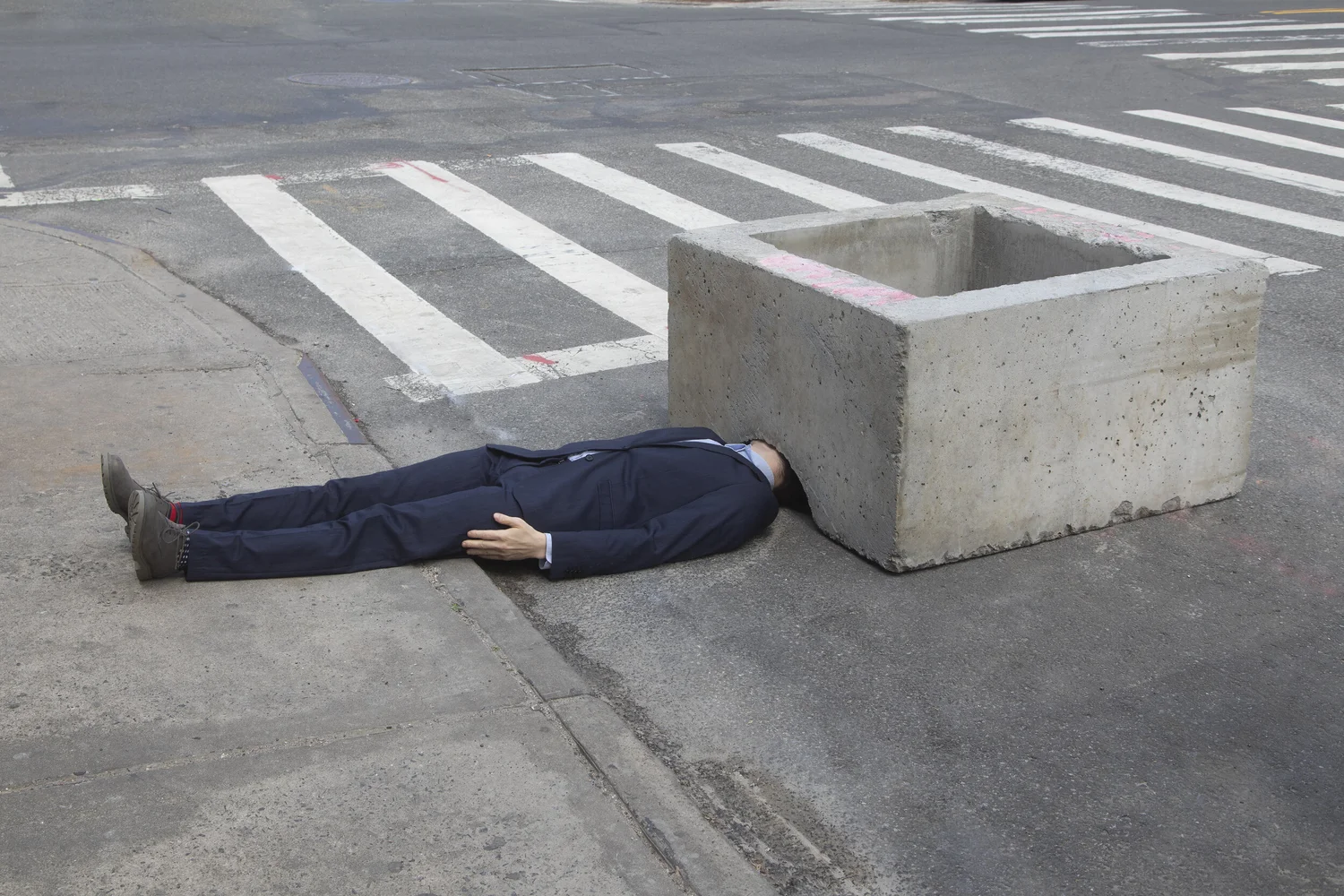
Without the anchor of the face, Zank turns to gesture, posture, and placement. A figure bent into the ground. A body intersected by lines. A person partially obscured by the landscape. These compositions shift attention away from identity and toward sensation.

In doing so, the images invite a different kind of engagement. Rather than reading emotion through expression, the viewer begins to feel it through structure—through tension, balance, and spatial relationships. The photograph becomes less about who is depicted and more about what is being experienced.

Ben Zank. Judgment Clouded
Ben Zank. Professional Crosswalker
Surrealism grounded in the ordinary

There is a surreal quality to Zank’s work, but it rarely relies on elaborate staging. Instead, it emerges from small disruptions within familiar environments. A roadside, a forest, an open field—settings that remain recognizably real, even as something within them feels slightly off.

This balance is deliberate. Zank often works with minimal props and available locations, allowing the concept to take precedence over spectacle. The result is a form of surrealism that feels accessible—rooted in the everyday, yet quietly shifting its logic.

Between control and chance

Process plays a crucial role in how these images come together. While some compositions are carefully planned, others begin without a clear direction, shaped instead by what the location offers in the moment. Light, texture, and found objects become part of the decision-making.

Post-production then extends that process. Subtle manipulations refine the image, not to create something entirely artificial, but to introduce a slight dissonance—a detail that feels just unfamiliar enough to linger. It’s in that space, between intention and accident, that many of his strongest images take form.

Ben Zank. Backroom's Tech Support
Ben Zank. Failed Columnist
Isolation, repetition, and return

Across Zank’s work, certain themes return with quiet persistence. Solitude is one of them. Figures often appear alone, surrounded by space that feels both expansive and enclosing. The repetition of this motif doesn’t flatten the work; instead, it deepens it.

These images begin to function less as individual statements and more as variations on a larger question—how a person exists within their environment, and how that relationship shifts over time. The landscapes may change, but the underlying tension remains.

Letting the image remain open

Zank has spoken about not wanting to dictate how his work is interpreted. That openness is embedded in the images themselves. They don’t resolve into a single idea or message, nor do they guide the viewer toward a specific conclusion.

Instead, they hold space. For uncertainty, for projection, for personal reading. Meaning becomes something that unfolds in the act of looking, shaped as much by the viewer as by the image itself. In that exchange, the photographs continue to shift—quietly, persistently—long after they’ve been seen.

Ben Zank. Some People Live on the Block I Just Live Under It
Scroll