Joakim Möller and the Mystery of Everyday Life
Zoë Marin
Written by Zoë Marin in Beyond the Frame Photography

Joakim Möller and the Mystery of Everyday Life

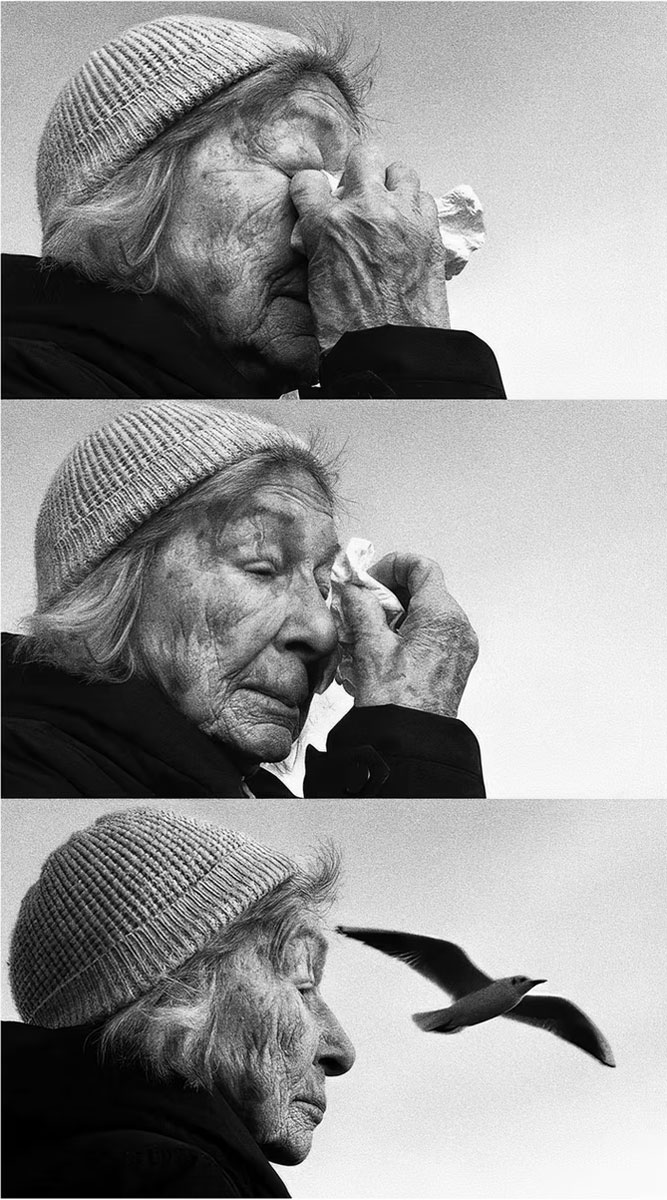
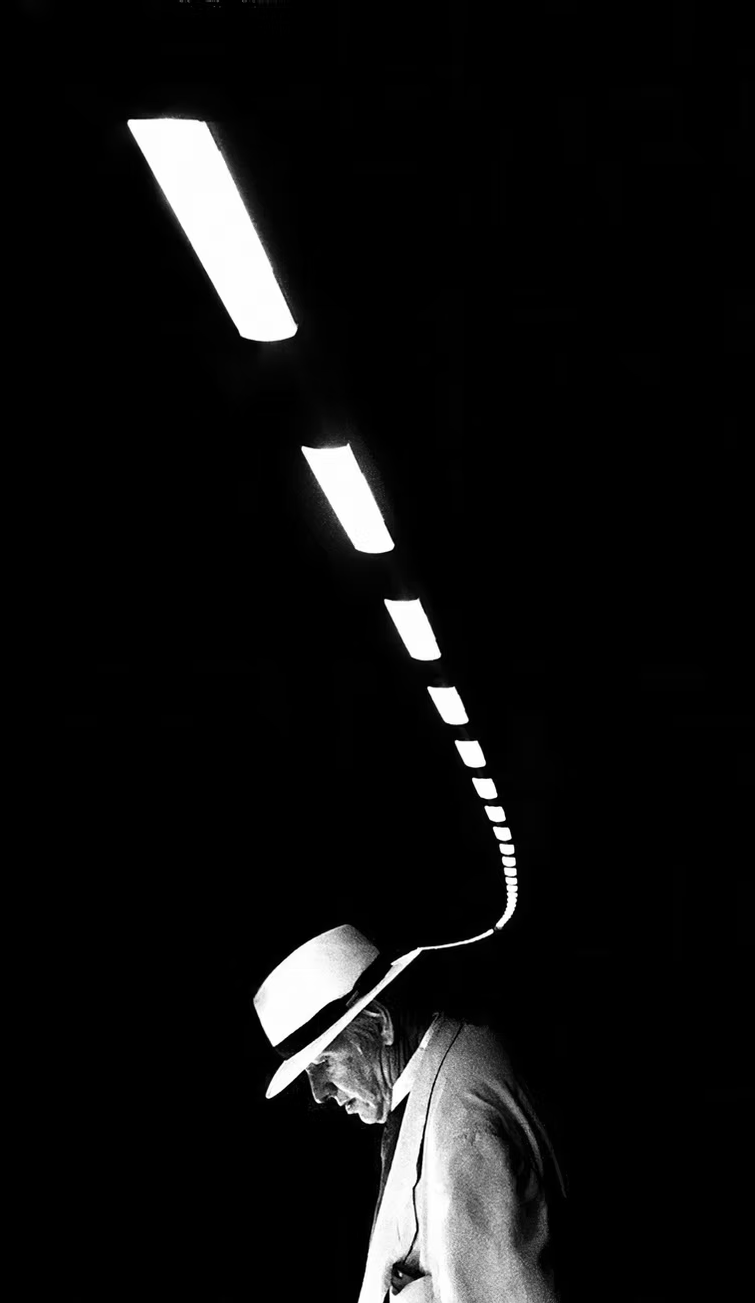
Walk through the same streets every day and you might think you know them by heart. The same buildings, the same faces, the same light falling across the pavement. But Stockholm-based photographer Joakim Möller sees something else. A stranger caught in an odd gesture, a bird crossing a building’s sharp outline, a shadow that makes an ordinary corner feel almost surreal. His black-and-white photographs make you wonder how much you’ve been missing while simply getting on with your day.

Möller began taking photographs in 2017, drawn to the unpredictable nature of street photography. He never quite knows what he’ll bring home from a walk, and that’s precisely what keeps him going. His images can feel spontaneous, yet there’s a remarkable sense of balance in the way figures, architecture, light, and empty space come together. Nothing seems to be shouting for attention. You just find yourself looking a little longer.
A Visual Diary Without a Script

Möller describes photography as a kind of visual diary. He shoots frequently, following an impulse rather than working toward a particular idea. It’s a refreshing approach in a world where creative work is often expected to have a clear message. Sometimes a photograph is simply a record of something that caught his eye. Whatever meaning it carries can come later, perhaps when someone else looks at it.

That doesn’t mean his photographs are empty of feeling. Quite the opposite. There’s a quiet curiosity running through them, a fascination with moments that might otherwise disappear unnoticed. Möller has tried leaving his camera and phone at home, only to discover that he continues collecting images in his mind. The habit refuses to go away. His eyes are always searching, even when he isn’t consciously looking for anything.

Joakim Möller
Joakim Möller
When One Photograph Becomes Another

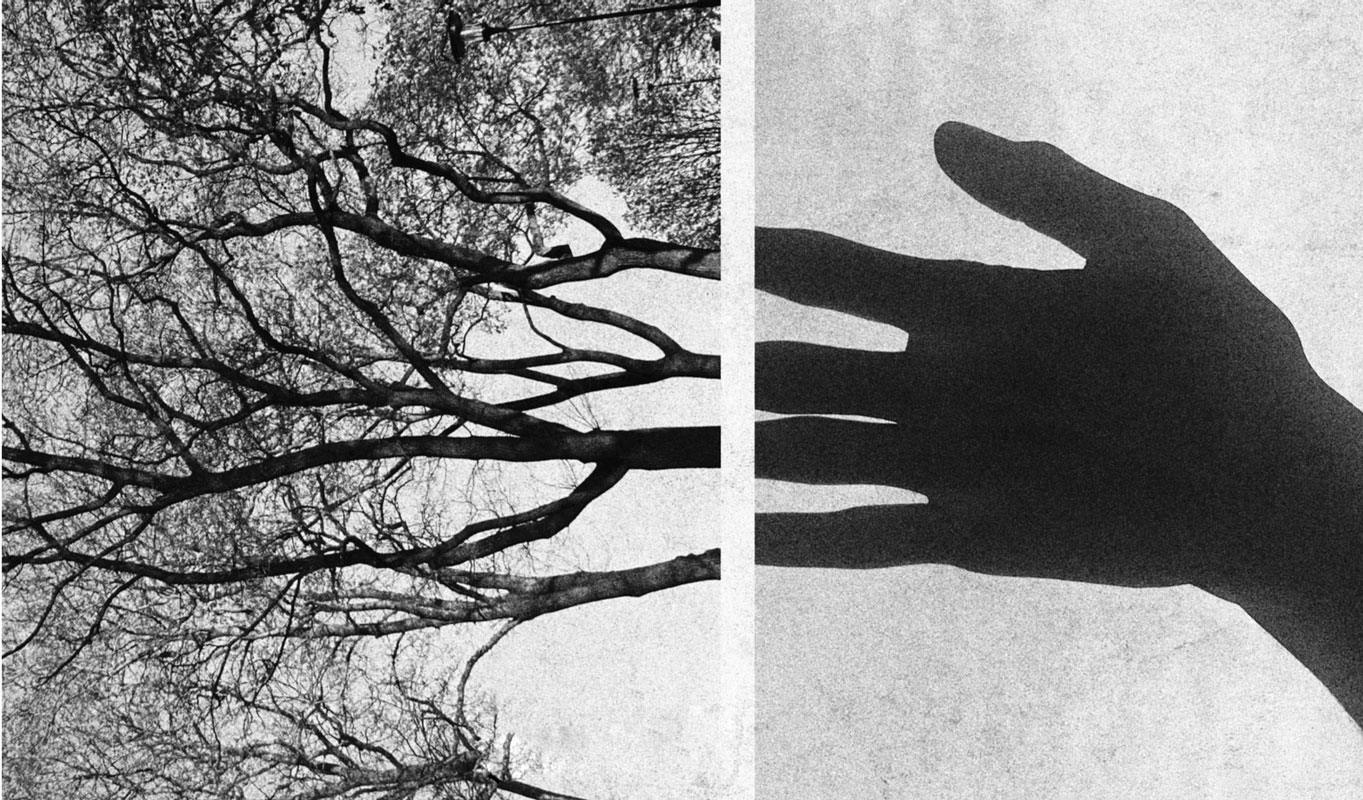
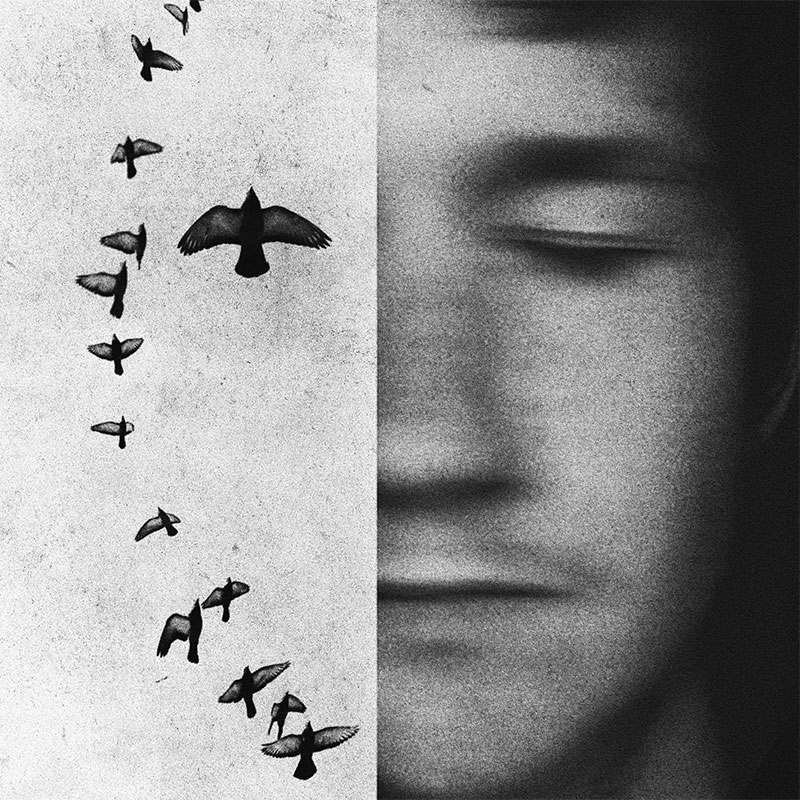
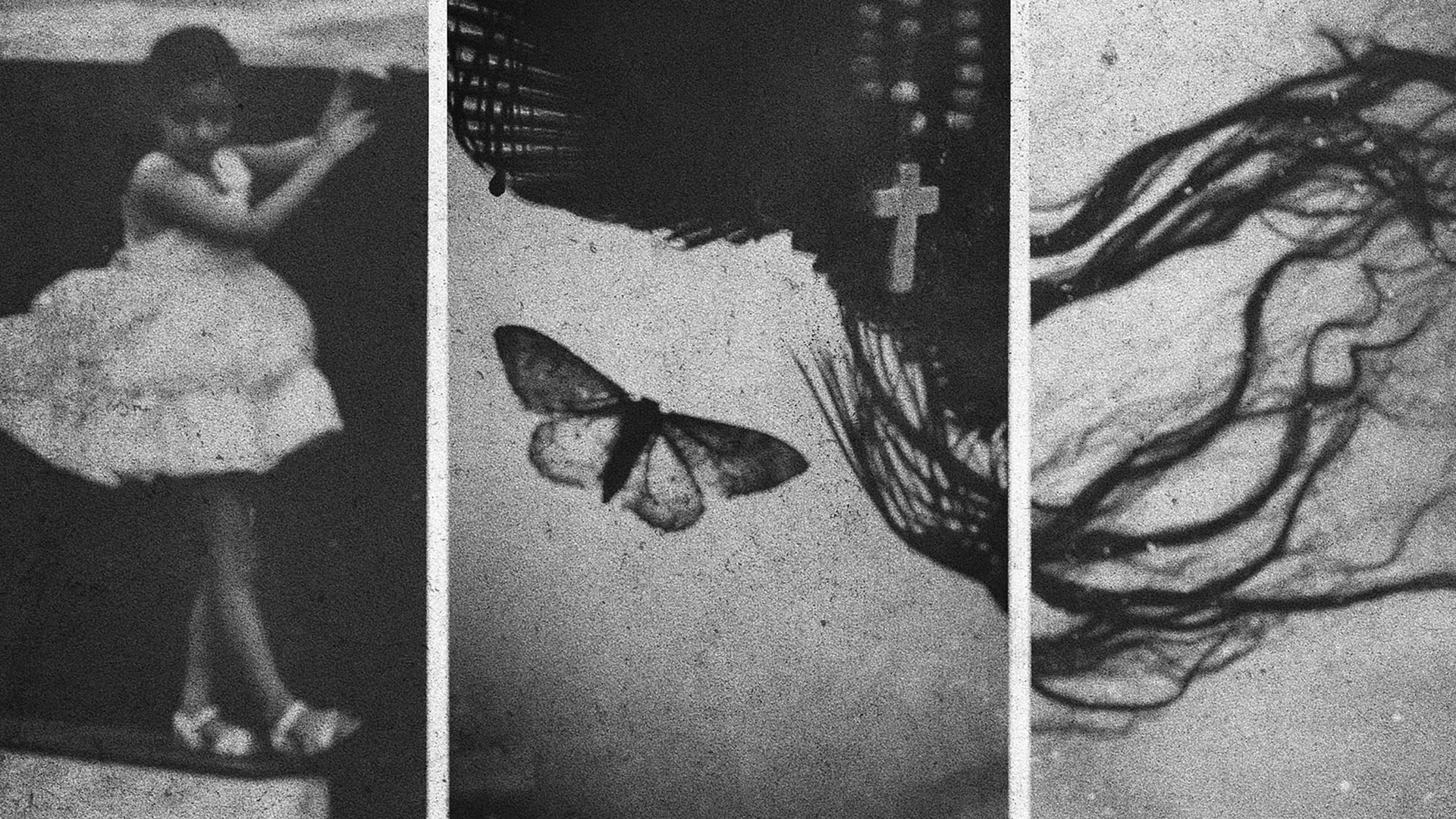
Some of Möller’s most intriguing work happens when individual photographs come together. His photomontages are made by cropping and arranging separate images into carefully considered compositions. Rather than relying on digital manipulation, he lets the photographs interact on the page, creating unexpected connections between things that might never have seemed related at first.

A person’s fingers become branches. Power lines start resembling flowers. A turn of the neck echoes a bird’s movement, while hair takes on the shape of tree roots. These aren’t puzzles with a single correct answer. They’re little moments of recognition, the sort that make you smile when you finally notice the connection. Möller finds relationships between the human body, the built environment, and nature, then lets us discover them for ourselves.

People, Trees, and Everything Between

There’s something lovely about the way these compositions bring nature into the city. Stockholm’s lakes, parks, and green corridors are part of the landscape Möller moves through, but nature doesn’t need to appear as a grand vista to make itself felt. Sometimes it’s hiding in a gesture, a shape, or a line running across a photograph. His work suggests that the boundary between the urban and natural worlds isn’t nearly as clear as we might imagine.

It’s tempting to read a message about humanity’s relationship with nature into these images, and the connections certainly invite that interpretation. Still, Möller’s approach begins somewhere simpler: curiosity. He isn’t necessarily setting out to illustrate an environmental idea or make a philosophical statement. He sees something and follows the impulse. The beauty of the resulting montages is that they can hold larger ideas without feeling as though they’re trying to teach us a lesson.

Joakim Möller
Joakim Möller
Trusting the Instinct

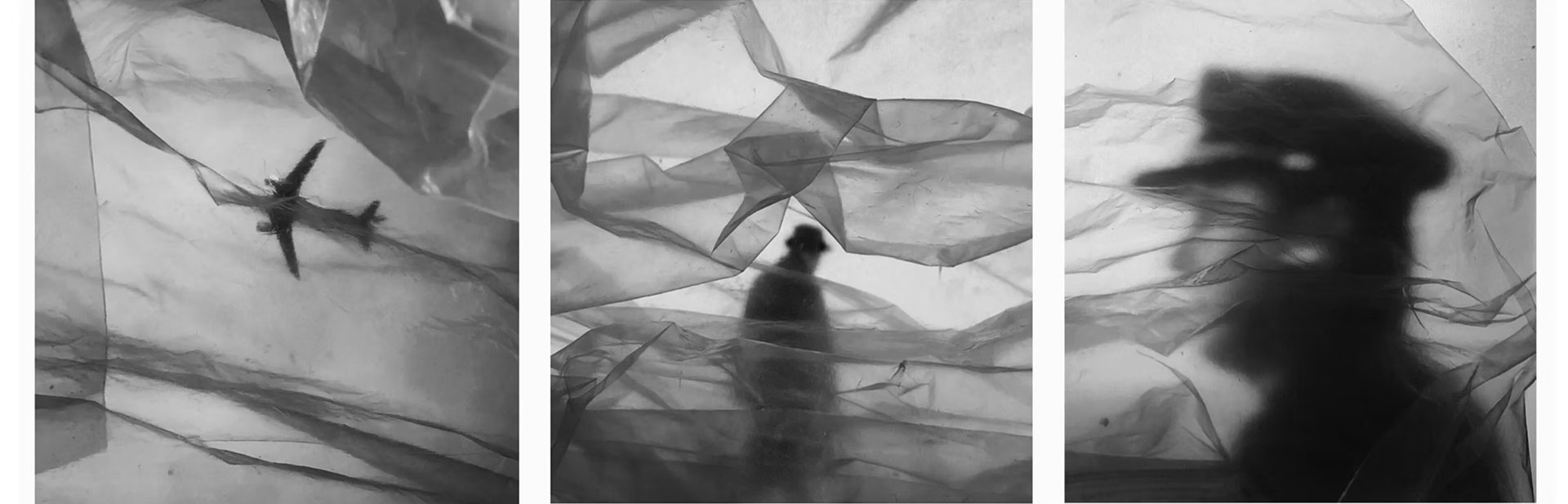
Möller’s photographs also challenge the idea that street photography needs to follow a strict set of rules. He works close to his subjects and lets instinct guide him, trusting his eye rather than overthinking every decision. That doesn’t mean the images lack precision. Their carefully balanced shapes and contrasts suggest someone who knows how to make a frame work, even when the moment itself is fleeting.

Photographer Richard Koci Hernandez was an important influence on Möller, inspiring him to explore street photography in the first place. Since then, Möller has developed a distinctive approach that combines everyday observation with a willingness to experiment. His work moves between straightforward street photography and carefully assembled photomontages, finding unexpected relationships between people, architecture, and nature. Rather than sticking to one way of seeing, he keeps testing what a photograph can become. That curiosity is part of what makes his work so engaging.

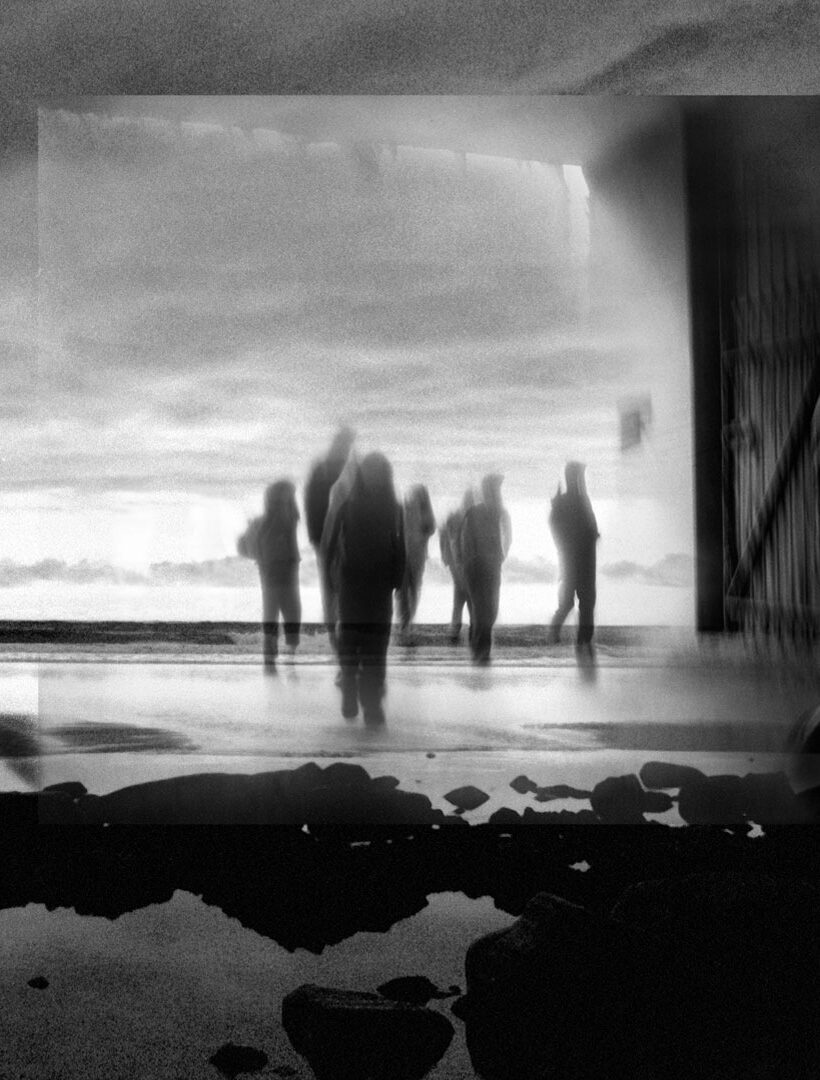
What stays with me about Möller’s photography is its refusal to tie everything up neatly. His images can be mysterious, playful, and a little disorienting, but they rarely feel distant. There’s a human curiosity behind them, a willingness to follow a fleeting impression without demanding that it lead somewhere definite. His photomontages take that instinct further, allowing separate moments to meet and create something neither could have done alone.

Möller has admitted that he doesn’t really know why his images exist, and he hopes he never finds out. I rather like that. Not every creative impulse needs a tidy explanation, and not every photograph needs instructions on what we’re supposed to feel. Sometimes it’s enough to notice the strange beauty of an ordinary afternoon, or the resemblance between a stranger’s hand and a tree. The world is full of these small surprises. Möller just seems unwilling to walk past them.

Joakim Möller
Scroll