Bisa Butler Gives History a New Life in Fabric
Elliott Brooks
Written by Elliott Brooks in Dimensions Art & Design Creative

Bisa Butler Gives History a New Life in Fabric

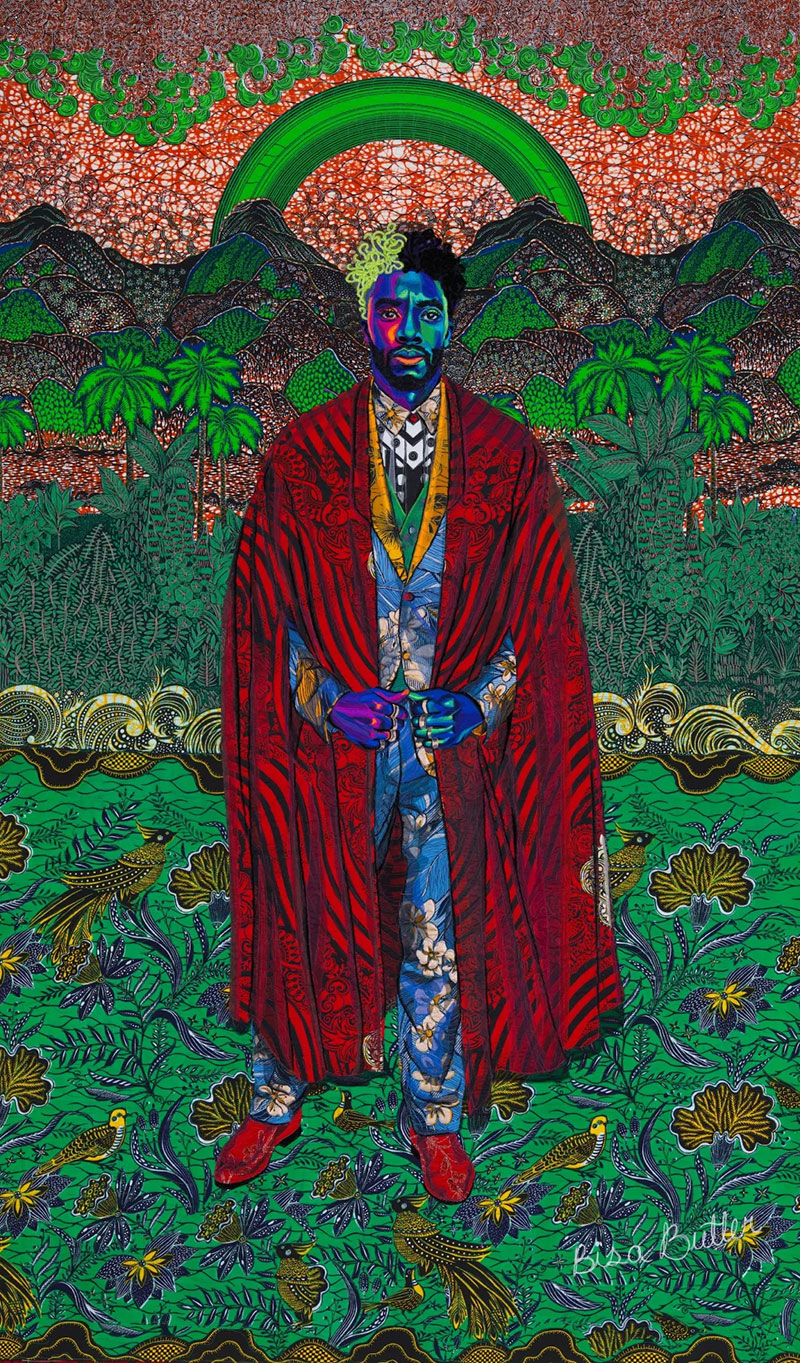
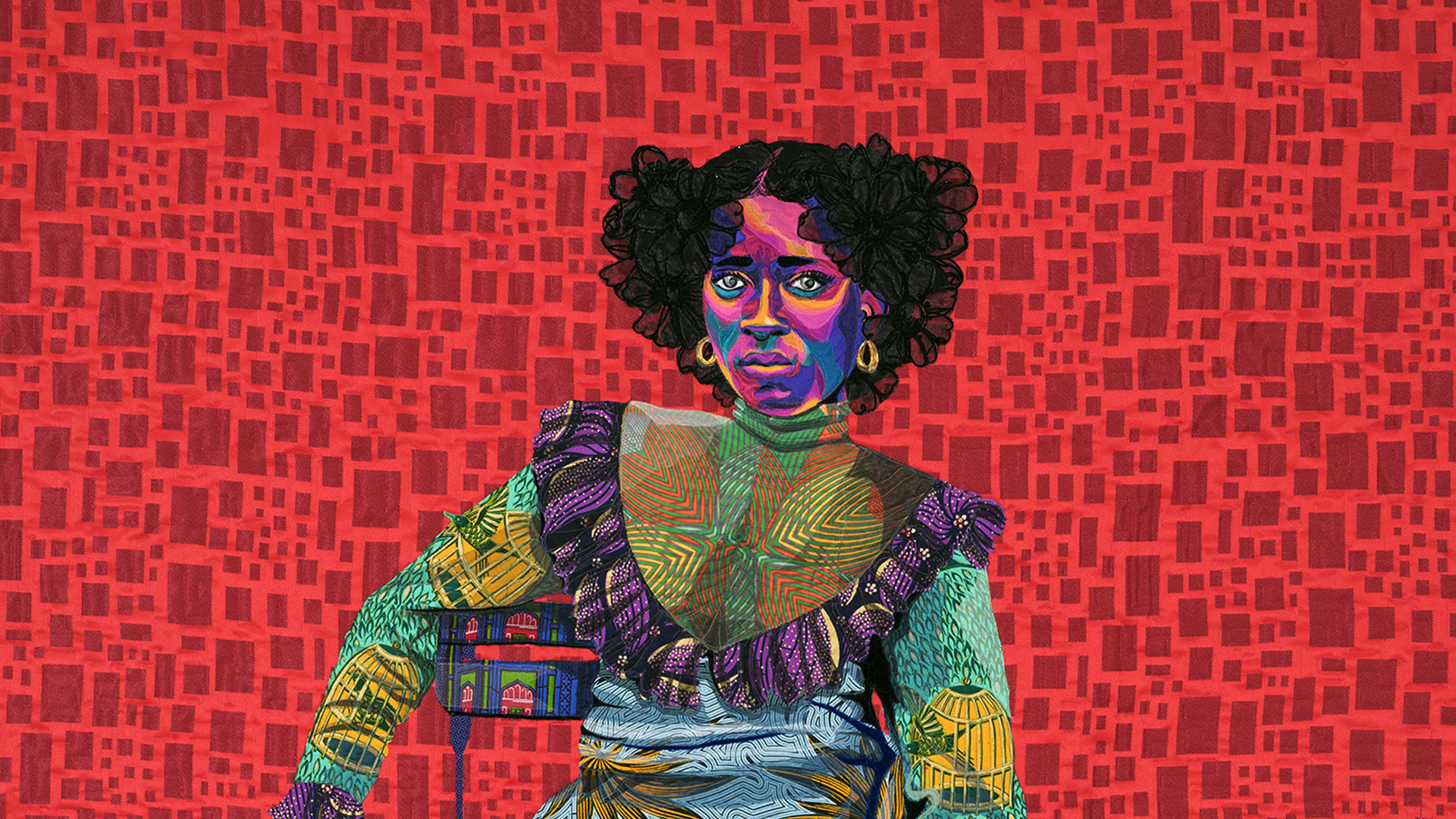
Bisa Butler transforms fabric into vivid portraits that bring Black history, memory, and identity into the present. Her life-sized quilts combine bold colors, intricate patterns, and carefully chosen textiles to give every subject a distinct presence. The result is work that feels both monumental and deeply personal.

Butler was born in Orange, New Jersey, to a Ghanaian father and a mother who grew up in Morocco. Sewing was part of her family life from an early age. Her mother, grandmother, and aunts all worked with fabric, turning it into clothing, household objects, and keepsakes. As a result, textiles became connected to family memory long before Butler made them the center of her artistic practice.
A Painter Finds Her Medium

Butler studied painting at Howard University, where she encountered the work and ideas of AfriCOBRA and the broader visual language of Black liberation. At first, painting seemed like her natural medium. However, a fiber arts course at Montclair State University introduced her to quilting, weaving, felting, knitting, batik, and hand dyeing.

The experience changed her direction. Butler found that fabric offered possibilities she had not discovered with paint. She could build an image through layers, textures, patterns, and color. More importantly, those materials already carried histories of their own. Her first portrait quilt depicted her grandmother, Violet Hammond, using fabric scraps connected to her family.

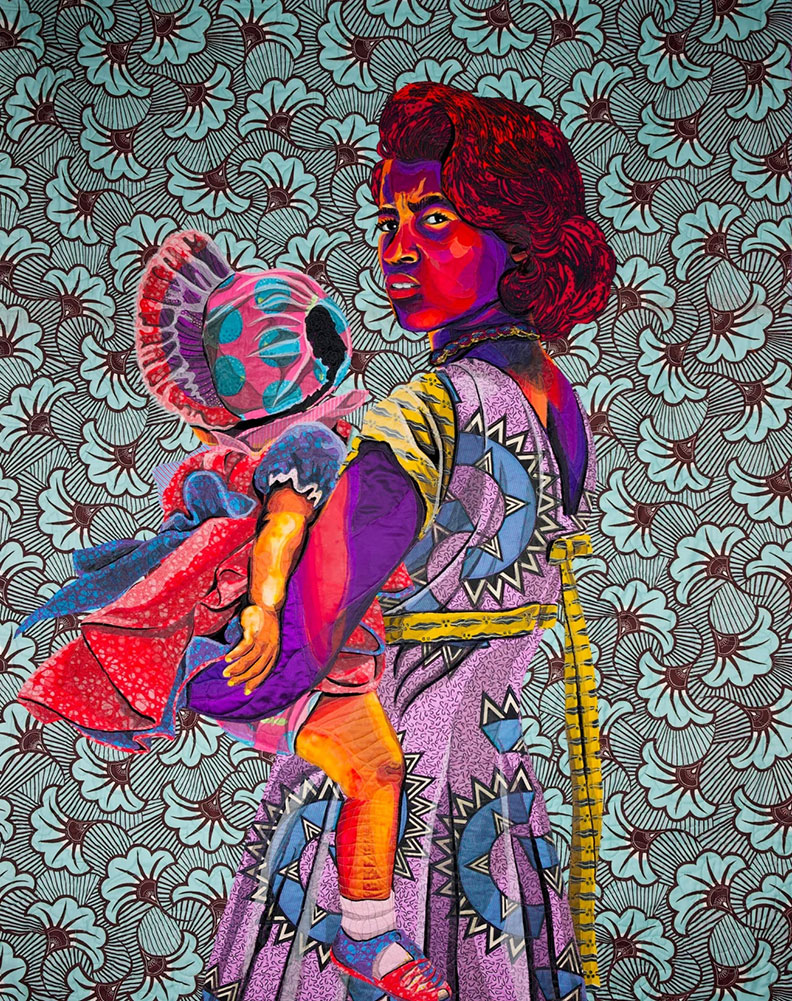
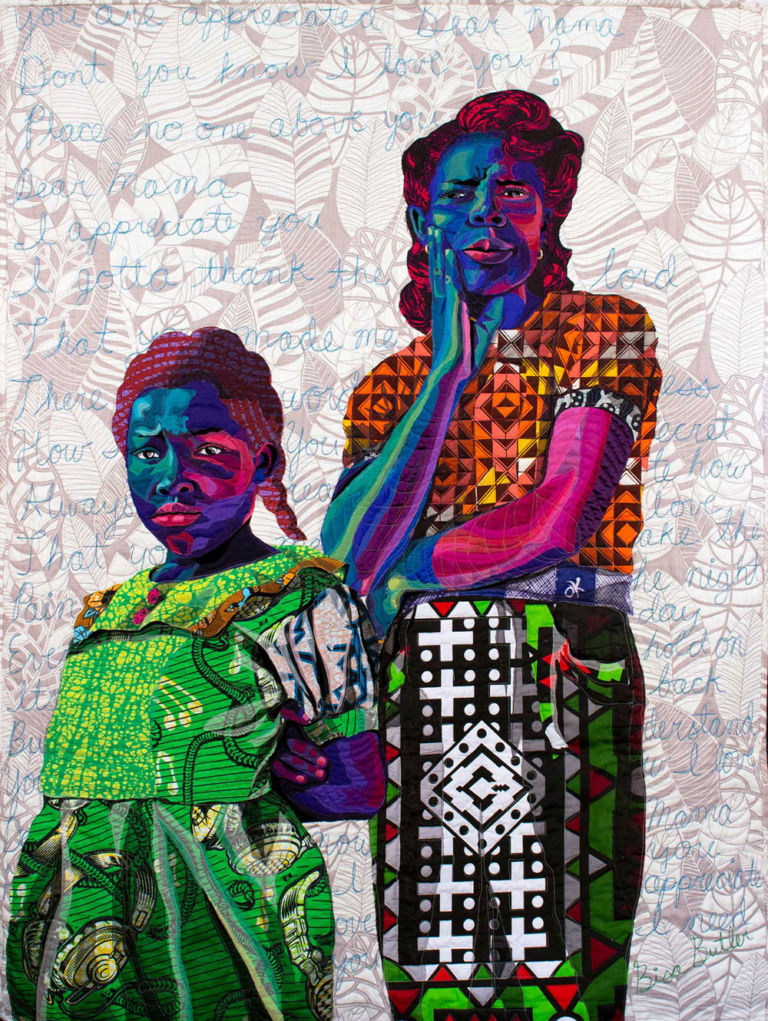
Bisa Butler. Dear Mama
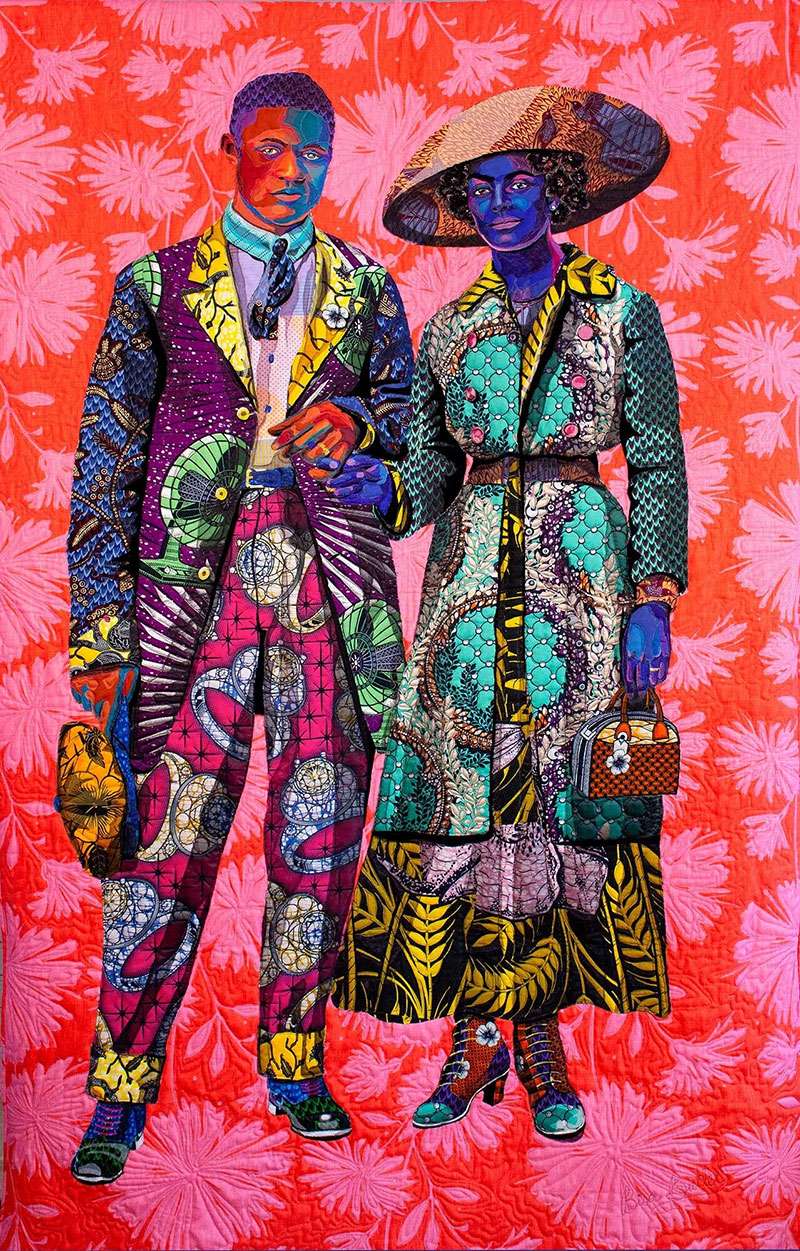
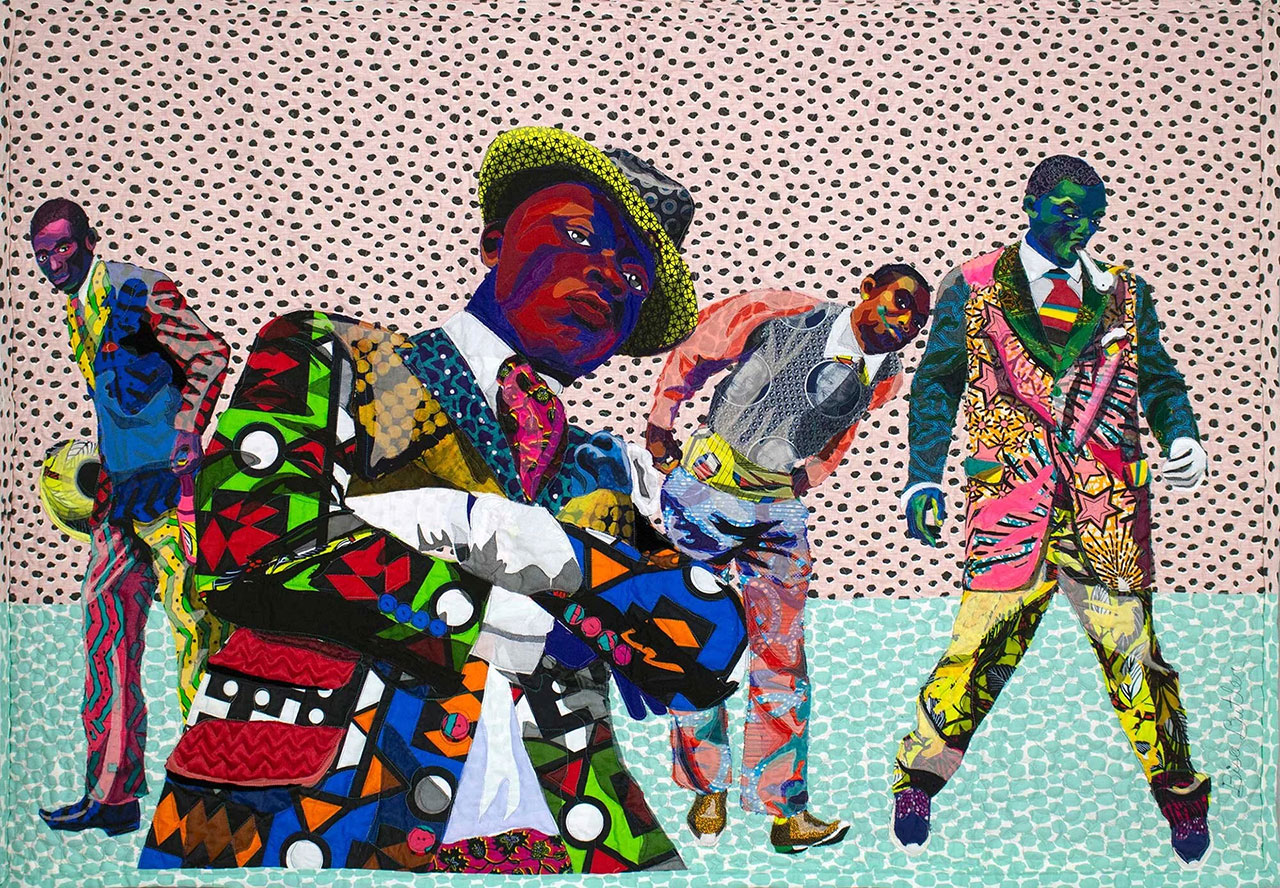
Bisa Butler. Les Sapeurs
Portraits Made of Memory

Family remained an important starting point, but Butler soon began looking beyond her own photographs. Her paternal grandfather was someone she never met, and she had no photographs of him. That absence led her toward another kind of family album: historical photographs of African Americans whose names and stories had often disappeared from the record.

Butler frequently works from images found in the National Archives and Library of Congress. She studies each face, posture, expression, hairstyle, and item of clothing before translating the photograph into fabric. In this way, the original image becomes a starting point rather than an endpoint. Her portraits imagine lives that a single photograph cannot fully reveal.

Giving the Unknown a Face

One example began with an 1899 photograph of the Morris Brown College baseball team. Butler researched the students and the world around them, looking beyond the formal image to understand what their lives might have involved. The finished quilt, To God and Truth, turns that historical photograph into a vibrant encounter with a group of young Black students.

Her approach also allows her to alter details when they help restore a sense of dignity or possibility. In other works, Butler has changed clothing or added objects that suggest something about a subject’s identity. She calls this process a form of “restorative history.” Instead of presenting historical figures only through hardship, she gives them space to appear confident, stylish, thoughtful, and fully alive.

Bisa Butler. Forever
Bisa Butler. Broom Jumpers
Every Fabric Tells a Story

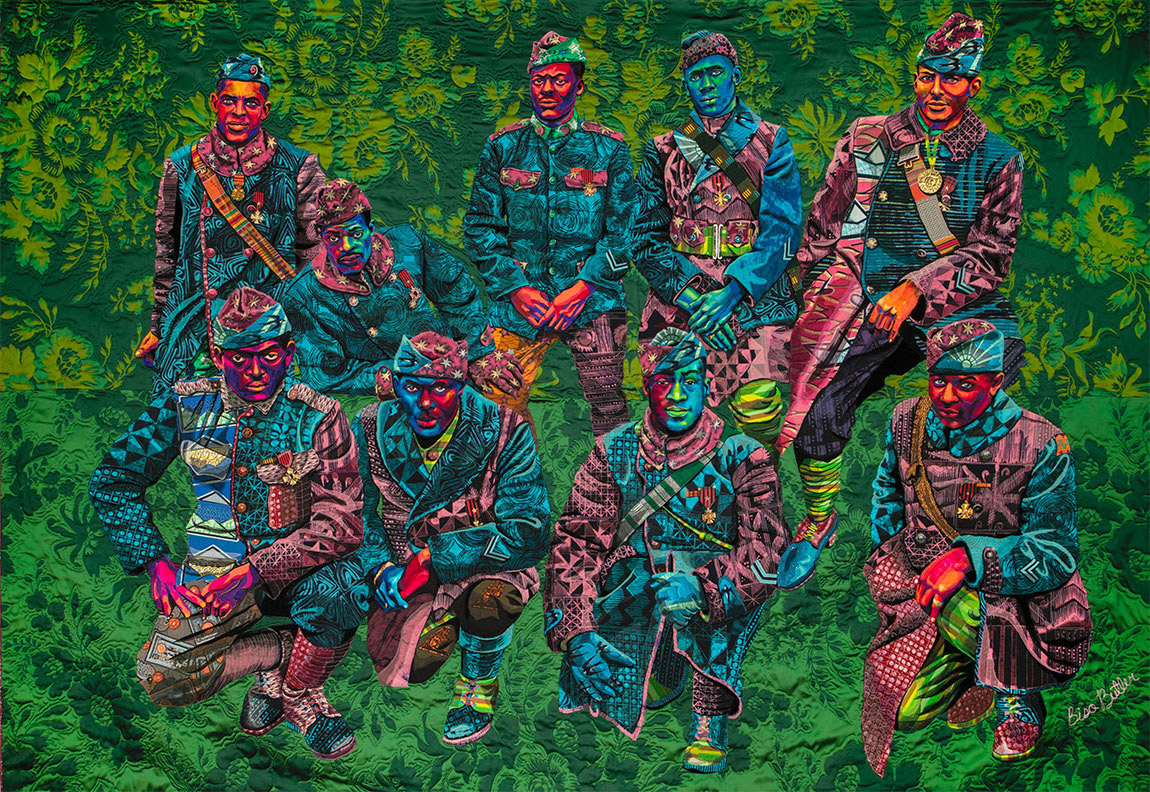
Color plays an equally important role. Butler does not try to reproduce natural skin tones. Instead, she uses vivid reds, pinks, yellows, blues, greens, and purples to express emotion and character. Red and pink can suggest love, passion, power, or anger, while yellow and orange can evoke warmth and happiness. Blue may suggest melancholy or calm.

The fabrics themselves carry cultural references, too. Butler uses African textiles alongside velvet, lace, silk, and other materials. Patterns such as “Kofi Anan’s Brain” and “Nkrumah’s Pencil” can connect individual figures to larger histories of African politics and independence. Consequently, a piece of fabric can function almost like a historical footnote, adding another layer to the portrait.

The Art of Being Seen

Scale is another essential part of Butler’s work. Her portraits often stand at life size, placing the viewer almost directly in front of the subject. That encounter changes the relationship between past and present. Instead of looking down at a distant historical image, we meet the person at eye level.

At the same time, Butler’s use of quilting challenges the old division between fine art and craft. Quilting has long been associated with domestic labor and women’s work, particularly the work of Black women. By bringing the technique into museums and galleries, Butler makes that history impossible to separate from the art itself.

Bisa Butler. Mobile Madonna

Ultimately, Bisa Butler’s quilts do more than recreate photographs. They restore presence. Through fabric, color, research, and imagination, she gives forgotten or overlooked people a chance to be seen again. History may provide the image, but Butler gives it a new life.

Bisa Butler. Harlem Hellfighters
Scroll