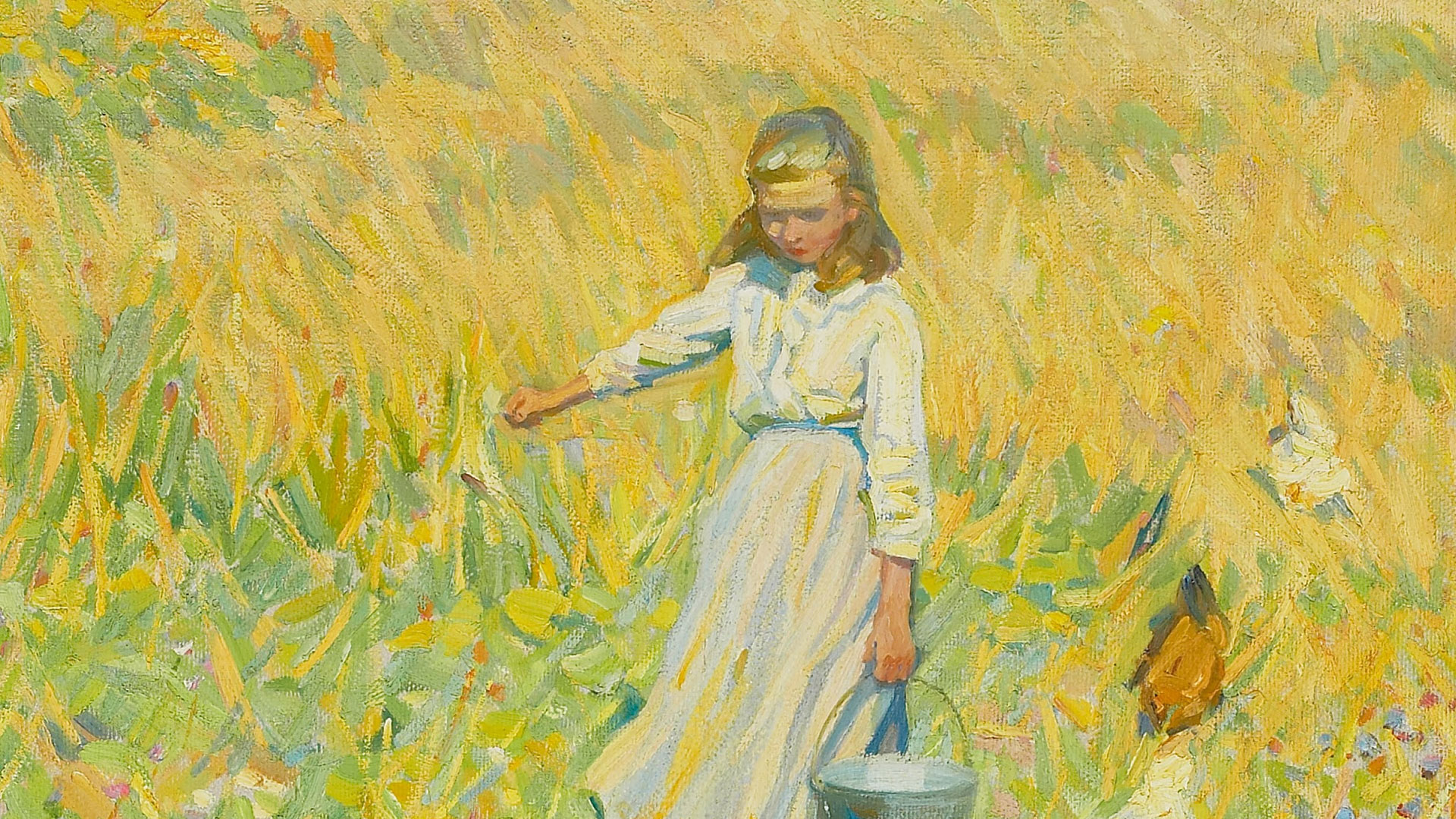
Helen McNicoll: An Impressionist Journey
Elliott Brooks
Written by Elliott Brooks in Dimensions Art & Design Creative

Helen McNicoll: An Impressionist Journey

Helen McNicoll painted everyday moments with extraordinary sensitivity. Sunlight across fabric, women reading outdoors, quiet afternoons suspended in motion—her work transformed ordinary scenes into something luminous and deeply alive.

Now, more than a century after her death, National Gallery of Canada is bringing renewed attention to her work through Helen McNicoll: An Impressionist Journey. With an opening celebration taking place on Thursday, May 14, 2026, the exhibition gathers more than 80 works, including paintings, sketchbooks, and archival materials, offering one of the most expansive looks at the artist’s career in decades.
Painting the World Through Light

Born in Toronto in 1879, Helen McNicoll became one of the defining figures of Canadian Impressionism despite a career that lasted barely over a decade. After losing her hearing as a child following scarlet fever, she developed an intensely observational way of seeing the world, something that would later shape the sensitivity of her paintings.

Critics of her time often referred to her as a “painter of the sun.” It makes sense when looking at the work. Light doesn’t simply illuminate her paintings; it structures them. Fabrics glow, fields shimmer, and outdoor scenes feel suspended in warm afternoon air.

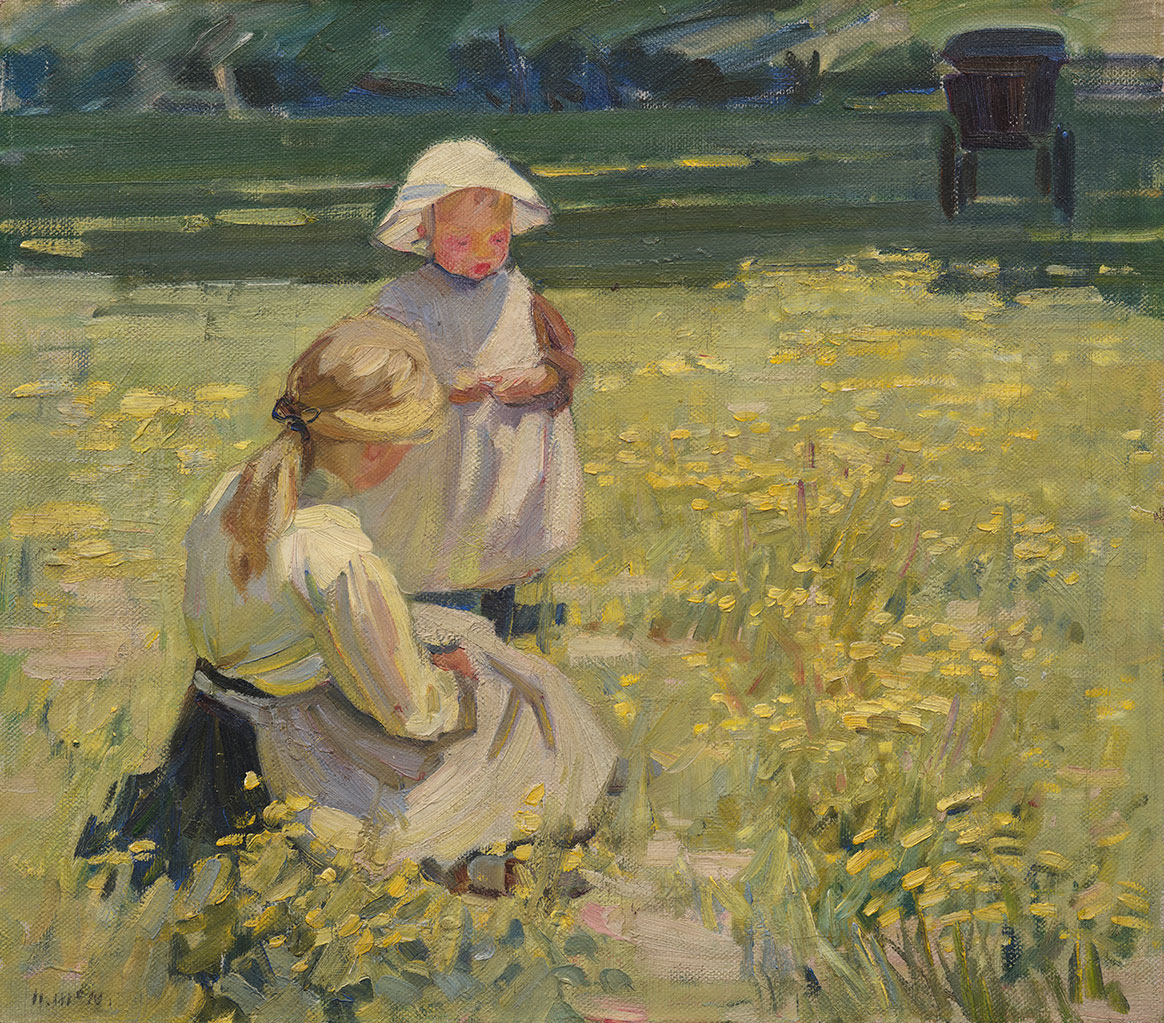
Helen McNicoll. Buttercups
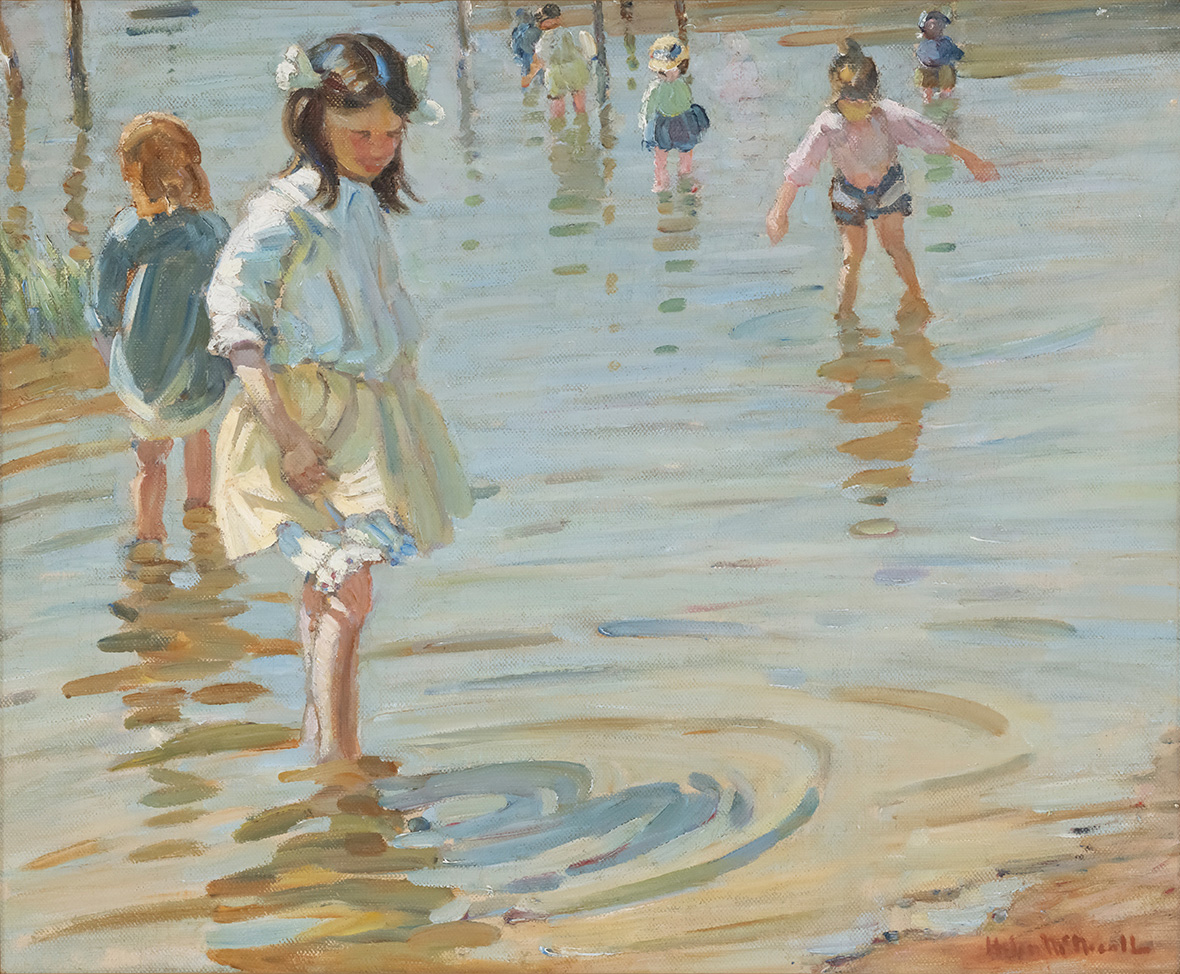
Helen McNicoll. By the Lake
Women at the Center of the Frame

What continues to make McNicoll’s work feel modern is her attention to everyday life, particularly the lives of women. Her paintings rarely feel staged or symbolic. Instead, they observe moments in motion: reading, working, resting, travelling.

That perspective quietly separated her from many of her contemporaries. While Impressionism often celebrated leisure and atmosphere, McNicoll’s paintings also carried an awareness of labour, independence, and the rhythms of ordinary life.

An Artist Between Canada and Europe

McNicoll’s artistic path moved between Canada and Europe, where she studied and exhibited extensively. That international experience shaped her approach to Impressionism, allowing her to absorb European influences while developing a distinctly personal visual language.

There’s a softness to her brushwork, but also precision. Her compositions feel open and breathable, never overcrowded. Even when painting busy outdoor scenes, she leaves space for air, movement, and stillness to coexist.

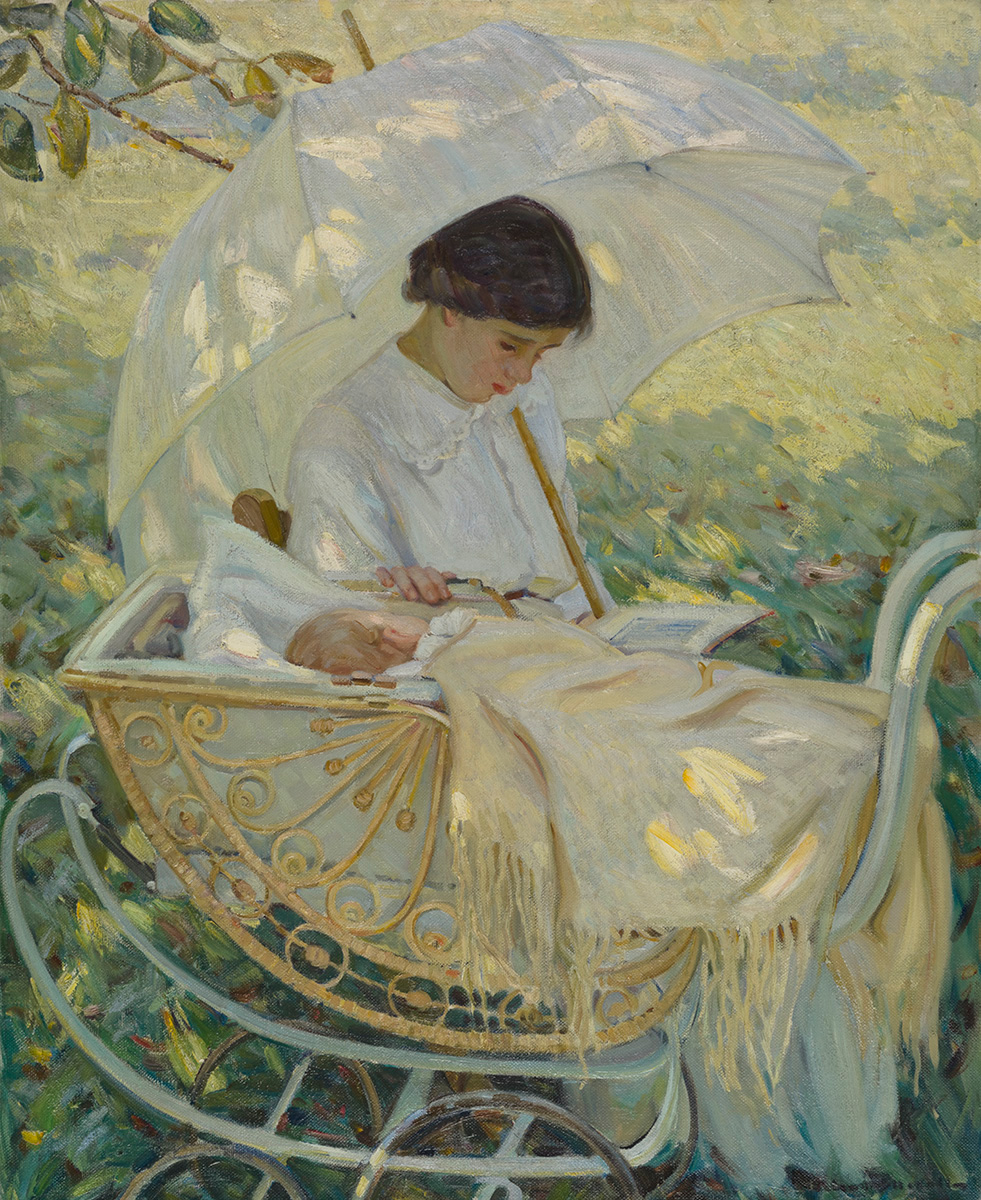
Helen McNicoll. In the Shadow of the Tree
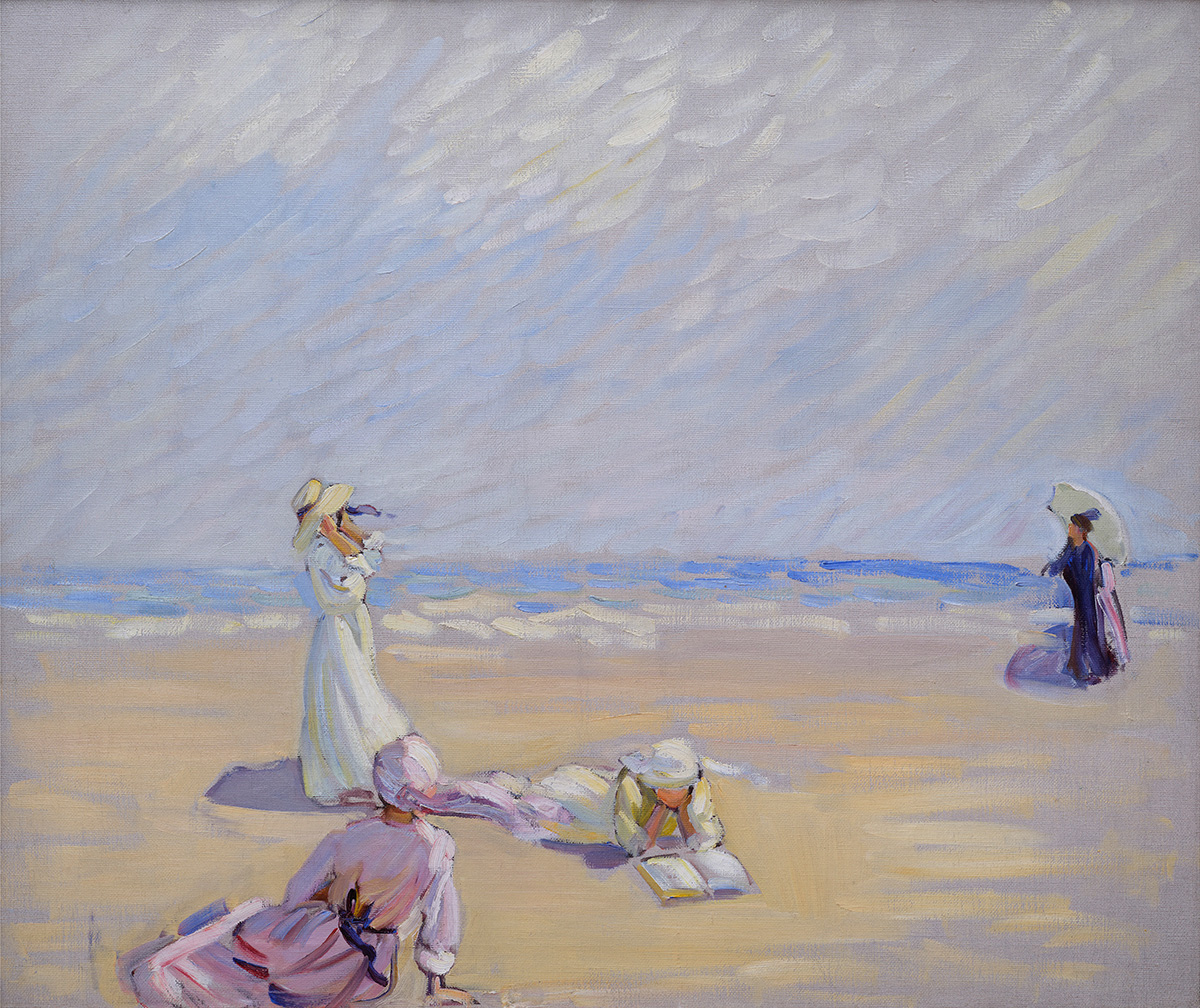
Helen McNicoll. Sunny Days
A Career That Ended Too Soon

McNicoll died in 1915 at only 35 years old, shortly after being elected to both the Royal Society of British Artists and the Royal Canadian Academy of Arts. Despite the brevity of her career, her influence on Canadian art history remains substantial.

Part of what makes her work resonate today is how contemporary it still feels. The paintings avoid spectacle. They focus instead on atmosphere, gesture, and presence—qualities that continue to feel remarkably alive more than a century later.

Helen McNicoll: An Impressionist Journey offers audiences the chance to rediscover one of Canada’s most luminous painters through a rare gathering of works that span her brief but influential career.

More than a historical retrospective, the exhibition feels like a reminder of how powerful quiet observation can be. McNicoll’s paintings don’t demand attention loudly. They draw you in slowly, through light, atmosphere, and the feeling that even ordinary moments deserve to be remembered.

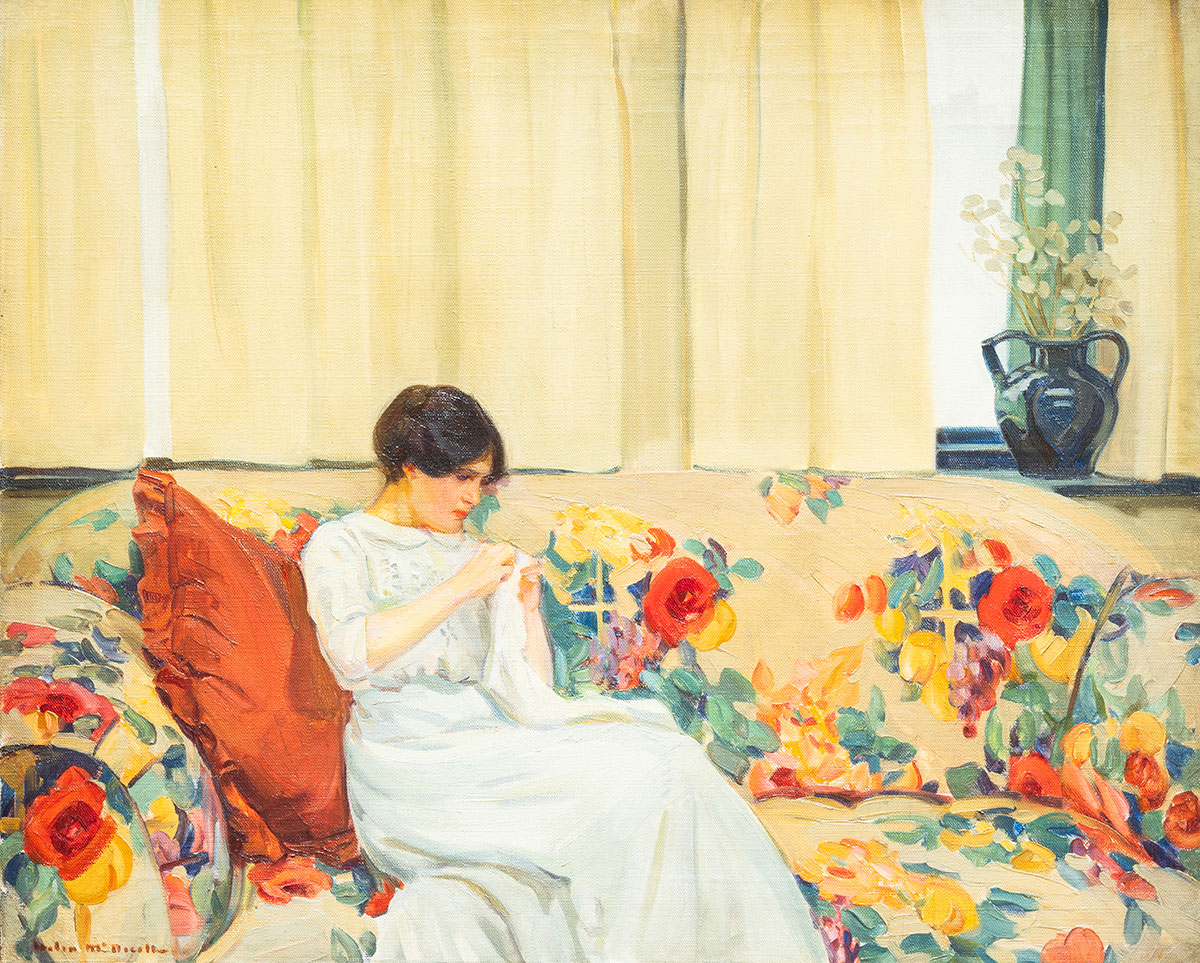
Helen McNicoll. The Chintz Sofa
Scroll