From Guitars to Breakbeats
The shift begins with rhythm. Breakbeats, drum machines, synths, and baggy grooves sit alongside chiming guitars and classic indie-rock melodies, bringing GUV closer to the crossroads of Britpop, Madchester, shoegaze, and early-90s rave culture. The result isn’t a retro exercise, though. Cook filters those influences through his own hook-driven songwriting and a considerably wider production palette.
The album’s creation was just as fluid. Cook reunited in Portugal with longtime friend and No Warning collaborator James Matthew Seven, who records as JMVII. Seven began building breakbeat-heavy instrumentals while Cook explored London, eventually turning those tracks into songs. The second half came together in Los Angeles, with the entire process moving faster and more spontaneously than Cook’s usual meticulous approach.
Chasing Something Real
That sense of movement runs through the album’s lyrics, too. Cook writes about cities, romance, dislocation, time, and the flattening of culture, often using fragments rather than conventional narratives. On the title track, the search for something “warmer than gold” becomes a rejection of a world obsessed with status and material success.
The songs give that idea plenty of room to breathe. “Let Your Hands Go” opens with rave-rock momentum, “Blue Jade” pushes into gritty shoegaze, and “Crash Down Feeling” brings a loose baggy bounce. Meanwhile, “Never Should Have Said,” featuring Hatchie, adds a softer romantic glow, while “Seaside Story,” co-written with Meg Mills of Turnstile, brings a touch of Sarah Records-style jangle.
Warmer Than Gold ultimately feels like a record about rediscovery. Cook takes the hooks that have defined his career and places them inside a broader, more atmospheric world. The result is less about chasing the next big chorus than capturing fleeting moments in motion, whether under London streetlights or somewhere much farther from home.
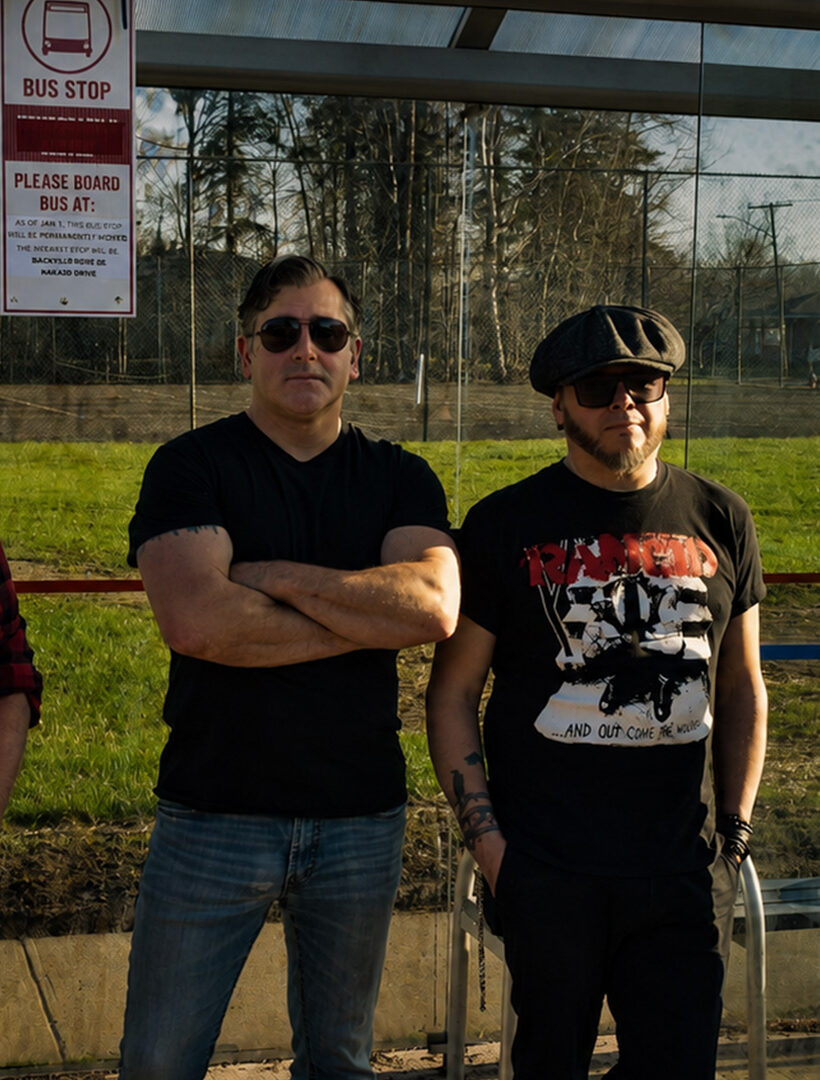
Header photo by Victoria Prestes.