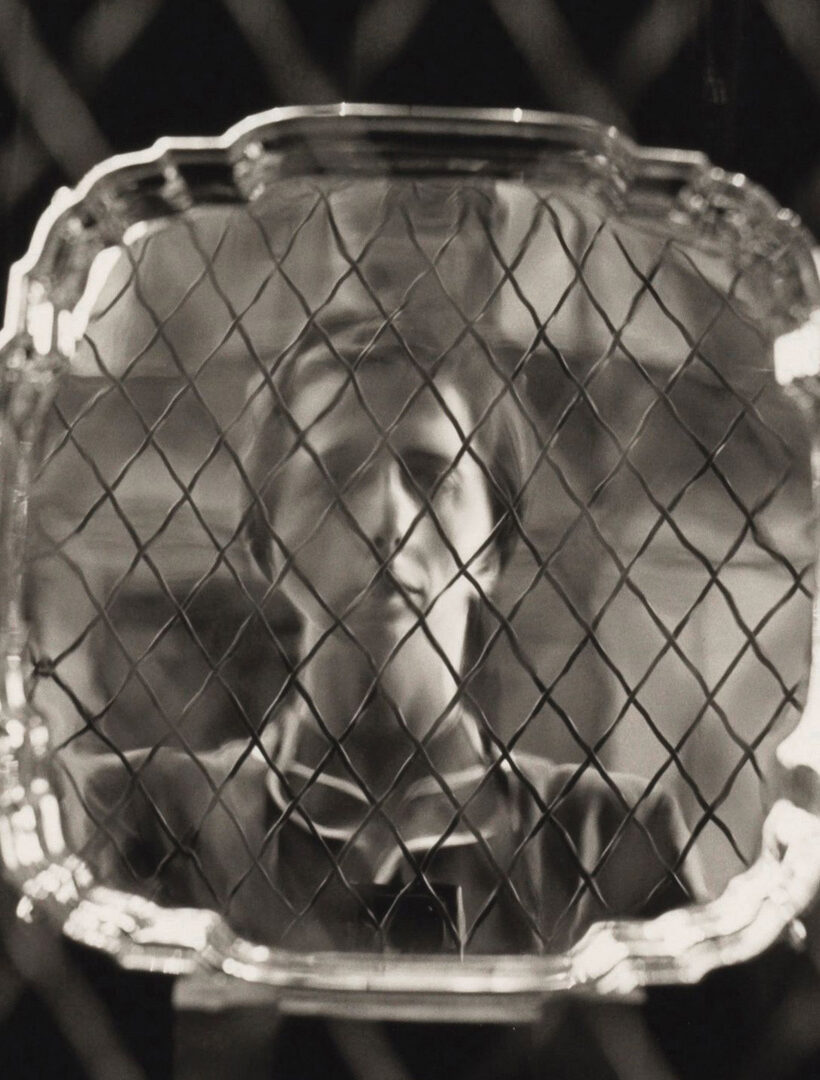
Winter can be many things at once — a mirror, a challenge, a palette, a memory, a test of endurance. At the National Gallery of Canada, Winter Count: Embracing the Cold brings all of these facets together in a rich and layered exhibition that invites you to see winter not simply as a season, but as a force that has shaped human experience, artistic expression, and culture across time and place.


Written by
Elliott Brooks
in
Dimensions
Art & Design
Creative
Photography
Winter Count: Embracing the Cold
The title of the exhibition draws its meaning from Indigenous traditions on the North American Plains, where communities historically recorded significant events on hides or cloth between the first and last snows of each year. These visual “winter counts” became calendars of survival, memory, and kinship — storytelling tools as essential as fire or shelter once winter truly settled in. Winter Count: Embracing the Cold extends that idea into the realm of art, showing how artists from diverse cultures have grappled with winter’s beauty, brutality, symbolism, and rhythm.
On view through March 22, 2026 at the National Gallery’s Special Exhibitions Galleries in Ottawa, this expansive show presents over 150 works drawn from public collections and loans, spanning the early 19th century through to contemporary practice. It’s a cross-cultural conversation that unfolds across paintings, sculpture, textiles, clothing, prints, drawings, and installation.
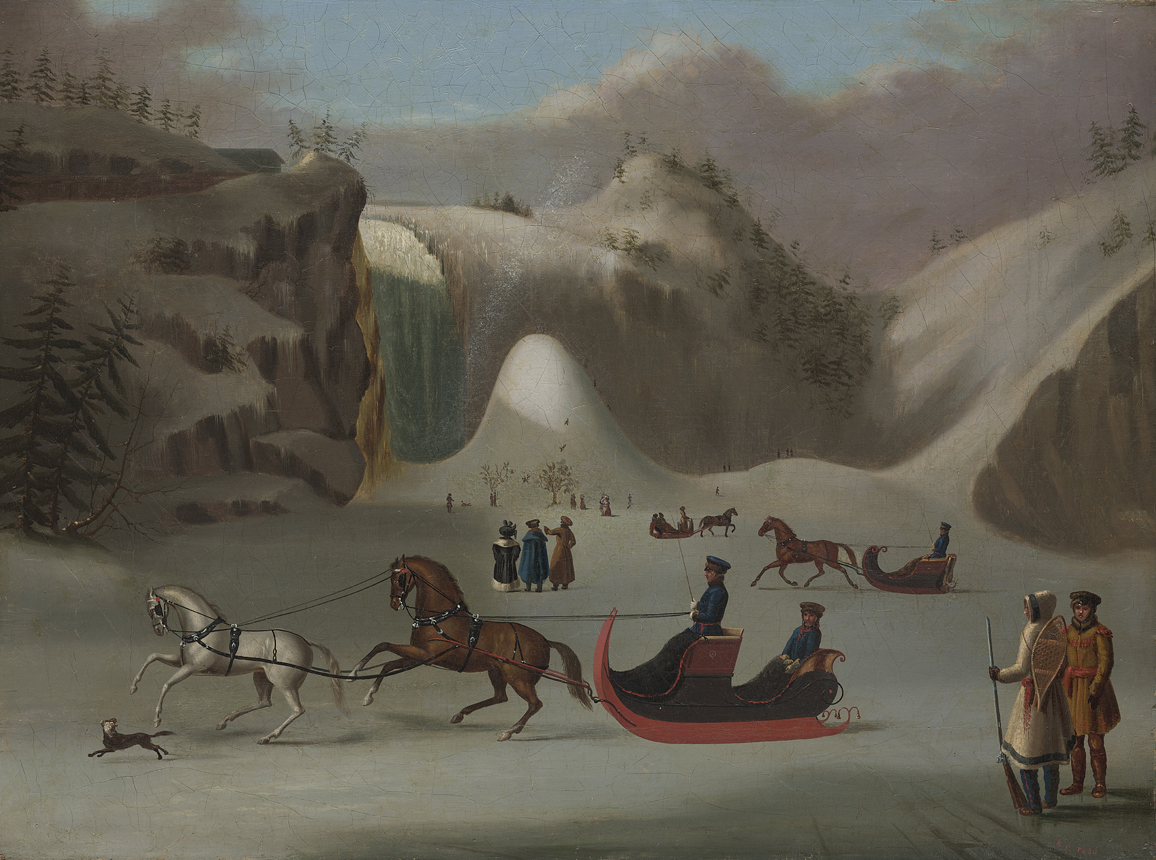
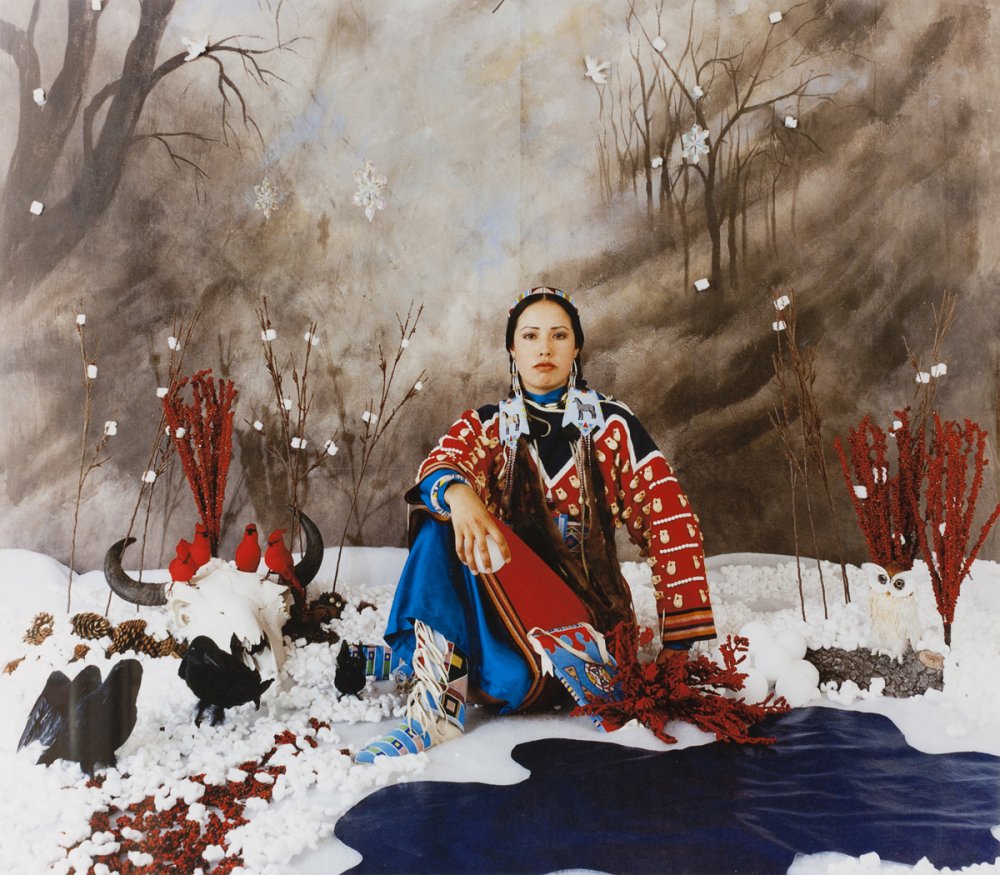
One of the exhibition’s great strengths lies in its juxtaposition of perspectives. Historic Indigenous belongings sit alongside contemporary works by artists such as Pitseolak Ashoona, as well as pieces by Cree creatives like Duane Linklater and Kent Monkman. Here tradition, memory, and modern critique come into dialogue, reminding viewers that winter has always been more than a backdrop — it’s a lived experience, encoded into stories, objects, and artmaking itself.
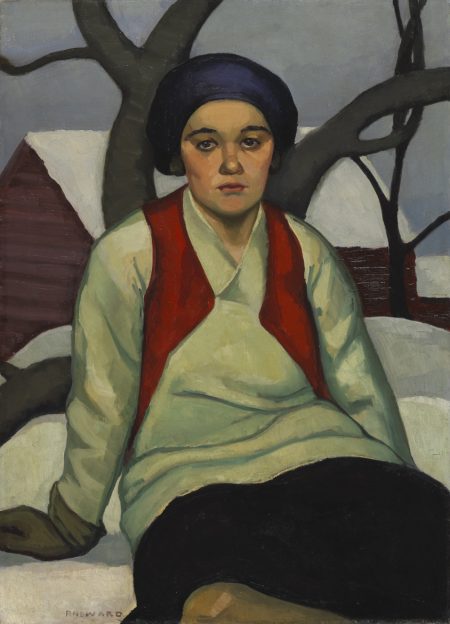
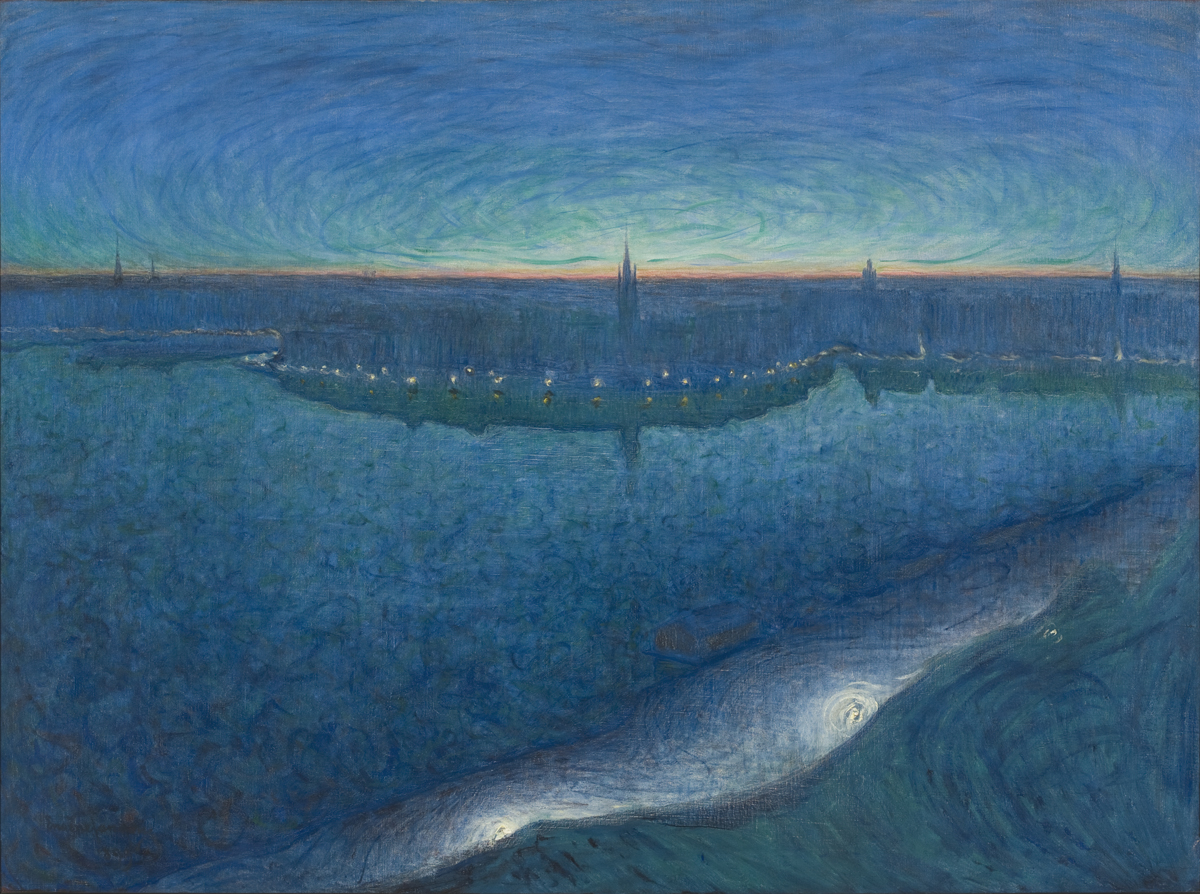
As the show unfolds, it brings in the broader visual traditions shaped by cold landscapes. Canadian artists such as Maurice Cullen and Clarence Gagnon are paired with French Impressionists like Claude Monet and Camille Pissarro, each approaching snow and light with distinct and poetic sensitivity. Further still, visitors encounter a shared visual language among Canadian painters — figures like J.E.H. MacDonald and Lawren S. Harris — and their Scandinavian counterparts, all responding to winter’s shifting hues and tones. These dialogues between artistic traditions across continents underscore something universal: winter bends light, shape, and mood in ways that call for careful observation and emotional reflection.
Winter Count doesn’t stop at surface beauty. The exhibition is also a study of winter’s contradictions — its capacity for solitude and community, its potential for hardship and for joy. Quiet urban and interior views sit beside landscapes where figures move through snow, suggesting both the physical challenge of cold and the warmth of human presence against it. There are moments of quiet stillness and moments that celebrate motion, play, and endurance.
Throughout, the curatorial framing emphasizes winter not as a static condition but as a process: one that shapes culture, identity, and heritage. Indigenous storytelling practices ripple outward through colonial, contemporary, and global artistic expressions, showing how winter’s effects are at once deeply local and universally resonant. In the exhibition context, the season becomes a canvas for exploring ancestral knowledge, adaptation, and the very idea of landscape as lived experience.
Experiencing Winter Count: Embracing the Cold feels like walking through a visual journal of human adaptation — through snow, ice, wind, light, shadow, and the many ways artists have encoded these sensations into form. It’s a show that asks you not only to observe winter but to feel it through shape, scale, and contrast, and to consider how seasonal rhythm links us across time and culture.
If you find yourself in Ottawa this season, you can explore the exhibition and its full range of perspectives at National Gallery of Canada — Winter Count: Embracing the Cold here: https://www.gallery.ca/whats-on/exhibitions-and-galleries/winter-count-embracing-the-cold.
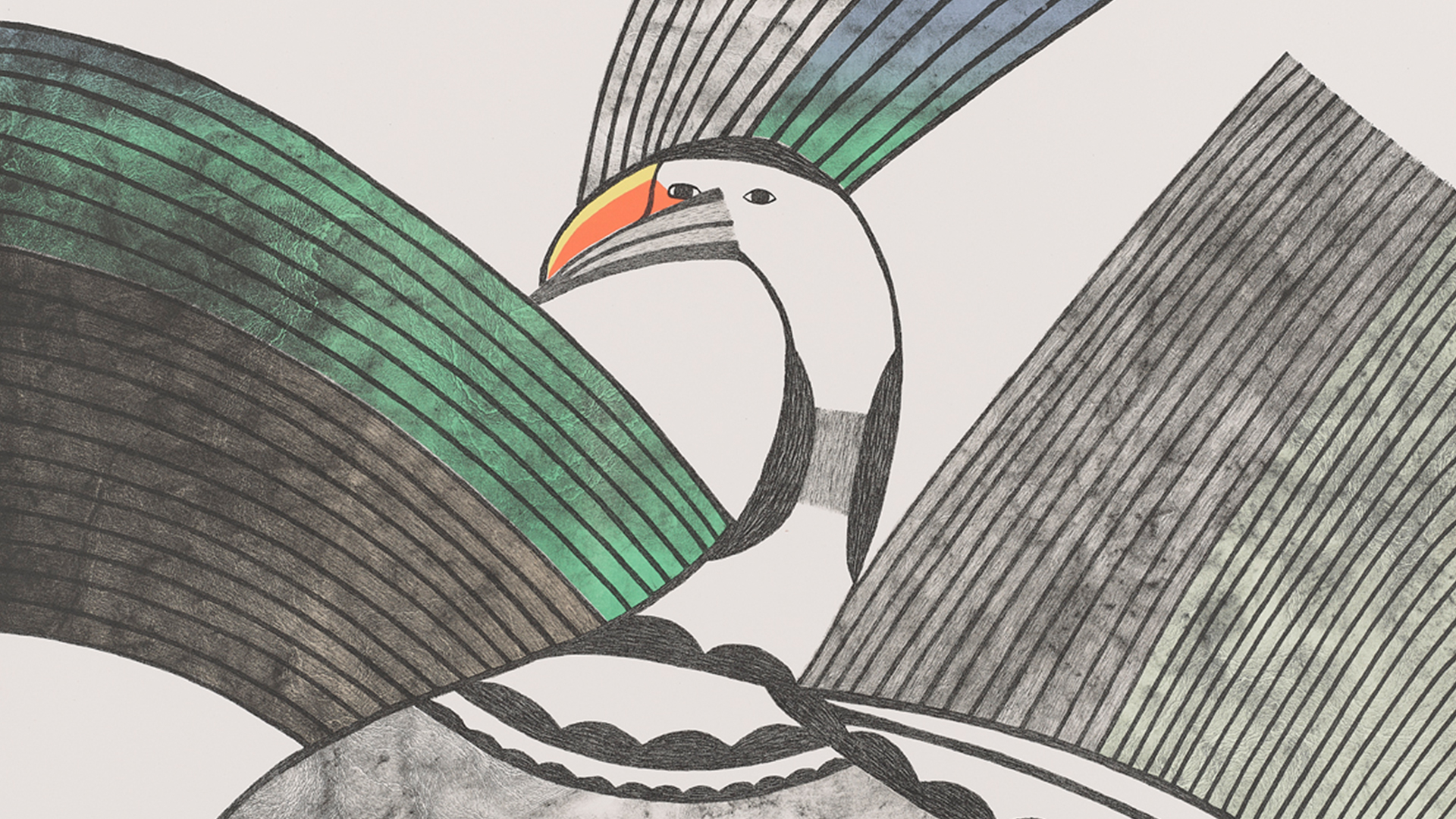
Image at the top: Winter Bird, by Pudlo Pudlat. Photo: NGC
You may also like