
A clever title may be what first draws people to Jane Austen’s Period Drama, but the film quickly proves it has much more on its mind than a well-placed pun.
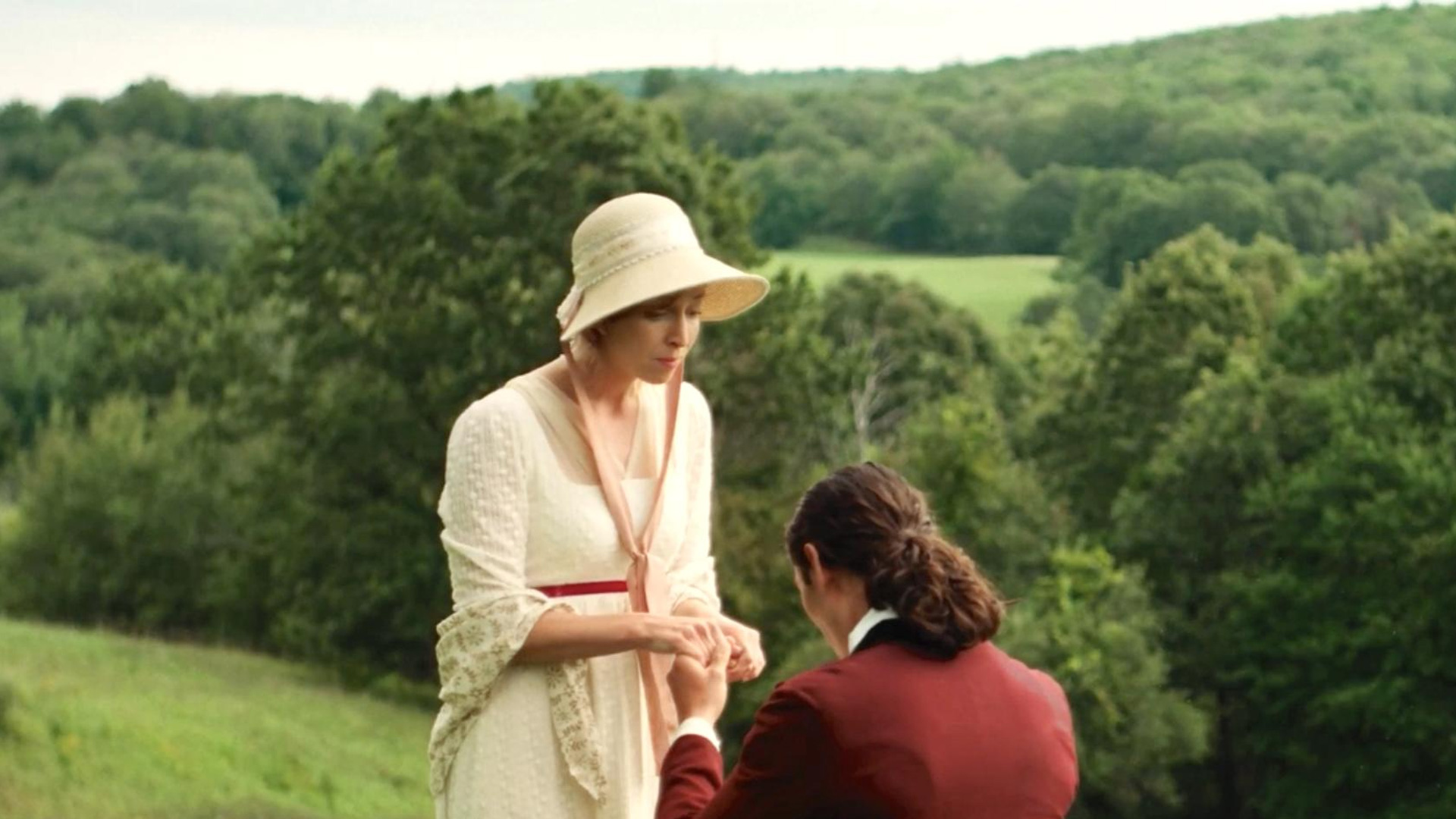
Written and directed by Julia Aks and Steve Pinder, this Oscar-nominated live-action short imagines what might happen if one of Jane Austen’s heroines got her period during a marriage proposal. When the horrified Mr. Dickley mistakes the blood for a life-threatening injury, a cascade of misunderstandings follows, exposing just how little many people understand about menstruation.
The premise is undeniably funny, but beneath the rapid-fire jokes lies a thoughtful conversation about shame, misinformation, and the importance of talking openly about women’s health.
Comedy That Starts Real Conversations
The film began as a simple sketch inspired by its wonderfully obvious title. However, everything changed when Julia Aks invited women to share their own experiences with menstruation. What arrived were not only funny stories, but also painful accounts of medical neglect, embarrassment, and silence.
Those experiences shaped the final screenplay. Rather than turning the subject into a lecture, Aks and Pinder weave genuine education into the comedy. The result feels playful without ever trivializing the realities behind the humor.
Visually, the filmmakers embrace the elegance of classic period dramas, drawing inspiration from adaptations such as Sense and Sensibility and Pride & Prejudice. Rich cinematography and sincere performances make the absurd situations feel surprisingly believable, allowing the comedy to land even harder.
The film’s warmth and originality resonated with audiences around the world. Following a successful festival run, Jane Austen’s Period Drama earned more than 28 awards before receiving an Academy Award nomination for Best Live Action Short Film.
Laughing Away the Stigma
What makes Jane Austen’s Period Drama memorable isn’t simply its endless stream of puns, although names like Estrogenia, Labinia, and Mr. Dickley certainly leave an impression. Its greatest achievement is making conversations about menstruation feel welcoming rather than uncomfortable.
Aks has said she hopes audiences leave the film talking about periods “with joy.” Judging by the enthusiastic festival audiences and widespread critical acclaim, that ambition has clearly resonated.
Sometimes the most effective way to challenge a taboo isn’t through confrontation. Sometimes it begins with laughter.