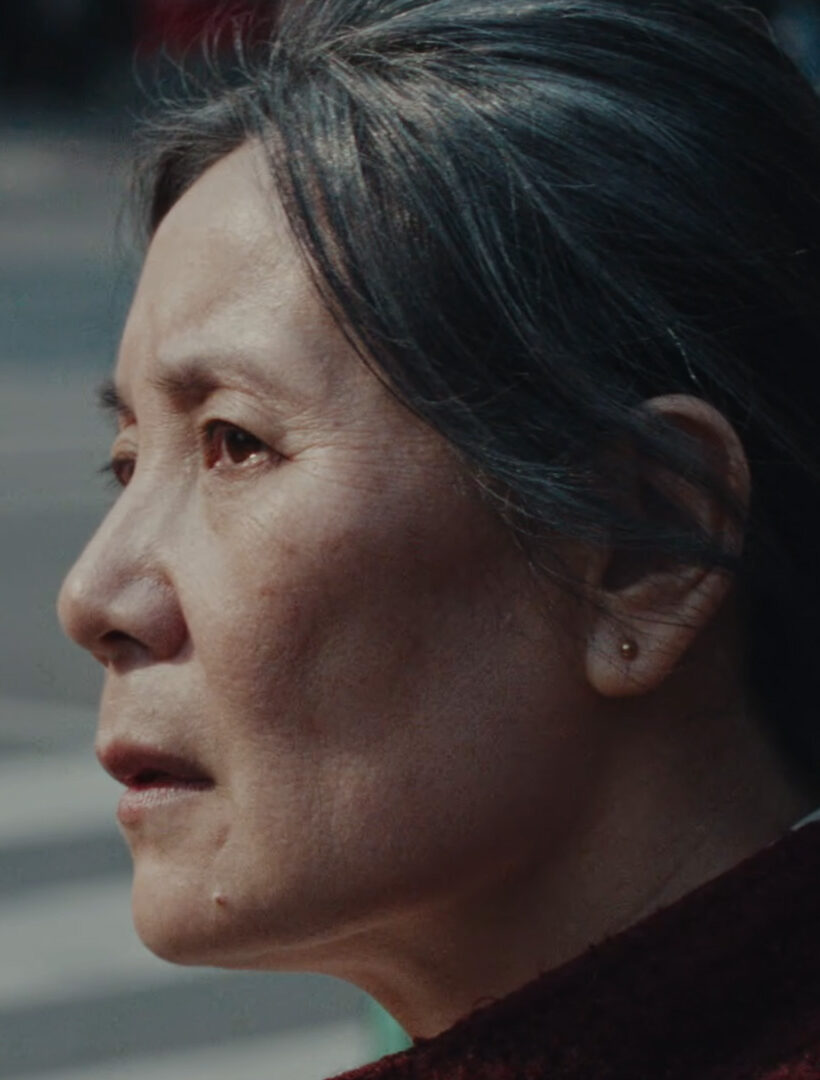

Au Revoir Jérôme opens with a familiar idea—arrival in the afterlife—but quickly reshapes it into something far stranger. Directed by Chloé Farr, Gabrielle Selnet, and Adam Sillard, the short imagines Heaven not as a place of stillness, but as a constantly shifting landscape of color, movement, and quiet absurdity.
Jérôme arrives searching for Maryline, a love he carries with him even beyond death. What follows is less a straight journey and more a series of encounters—each space unfolding like its own self-contained world. A field of endless flowers, a phone that refuses to connect, strangers offering strange gifts. Nothing follows a clear logic, yet everything feels emotionally precise.
A World Built on Imagination
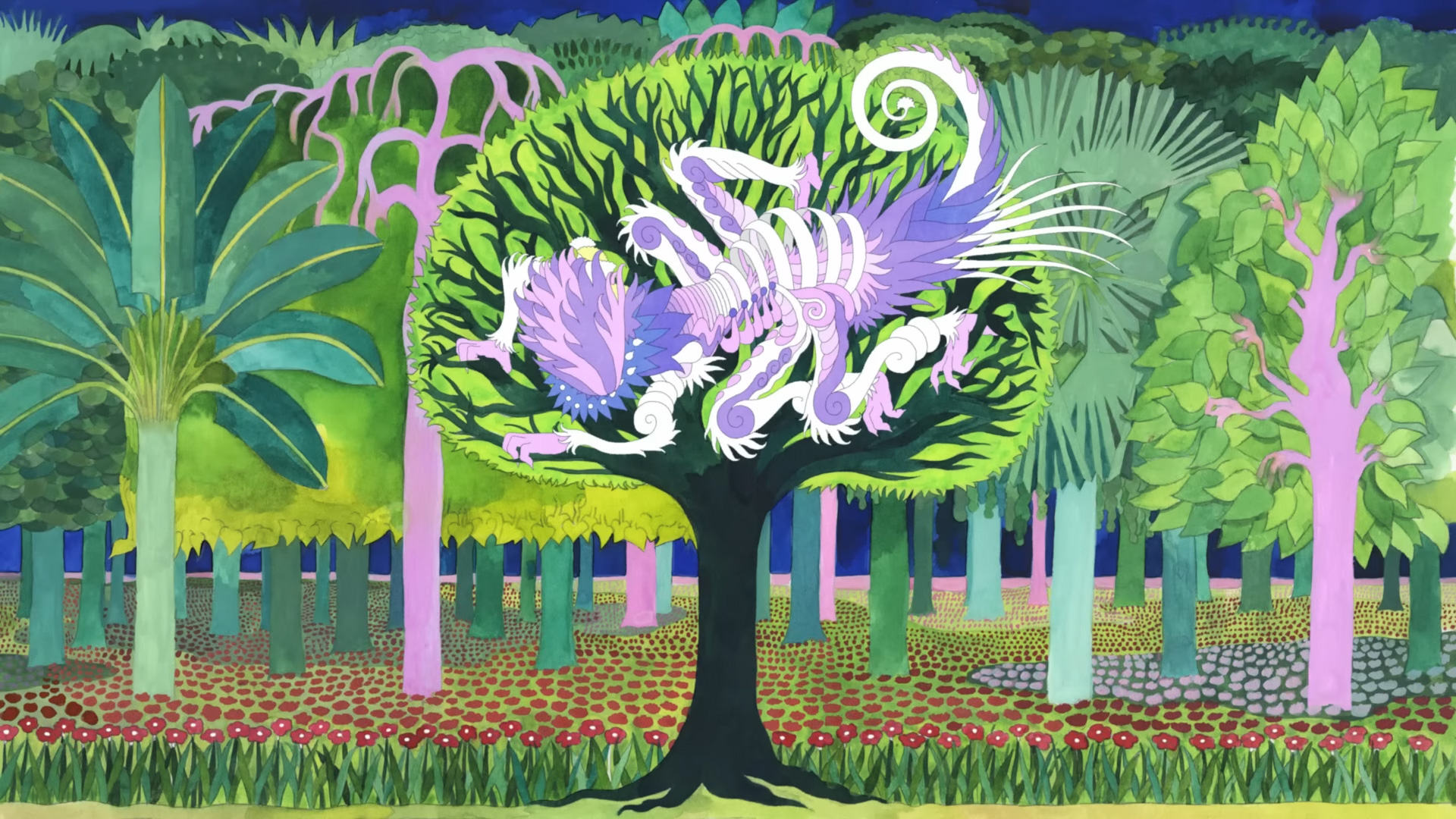
What makes the film so striking is its visual language. The animation leans into bold, saturated colors and simple character design, placing Jérôme against richly detailed environments that feel almost overwhelming in their creativity. There’s a playful, almost psychedelic quality to it, echoing a 60s-inspired aesthetic while still feeling entirely its own.
Each version of Heaven carries a different tone. Some spaces feel warm and inviting, others slightly disorienting. The rules keep shifting, and with them, Jérôme’s understanding of where he is—and what he’s searching for.
The sound design and score move just as fluidly. Moments of softness give way to unexpected shifts, mirroring the emotional rhythm of the journey itself.
When Love Doesn’t Follow You
At its core, Au Revoir Jérôme is about love—specifically, what happens to it when time and space no longer apply. When Jérôme finally finds Maryline, the reunion doesn’t unfold the way he expects. In this version of existence, she has moved on.
It’s a quiet but powerful shift. The film takes the familiar idea of “forever” and gently dismantles it, suggesting that even the strongest connections don’t always survive change.
Revisiting Au Revoir Jérôme, what lingers is that contrast between its vibrant world and its emotional core. It’s playful, surreal, and often funny—but beneath it all, there’s a very human realization: some goodbyes don’t wait for the end.