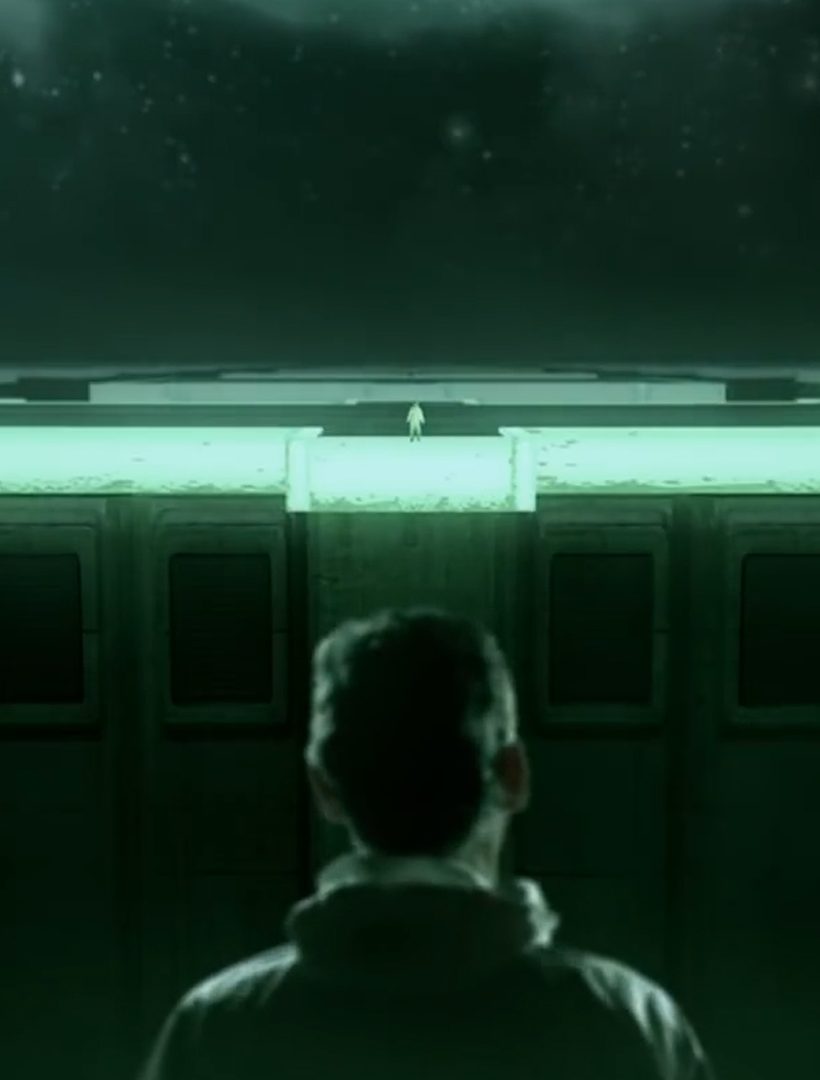
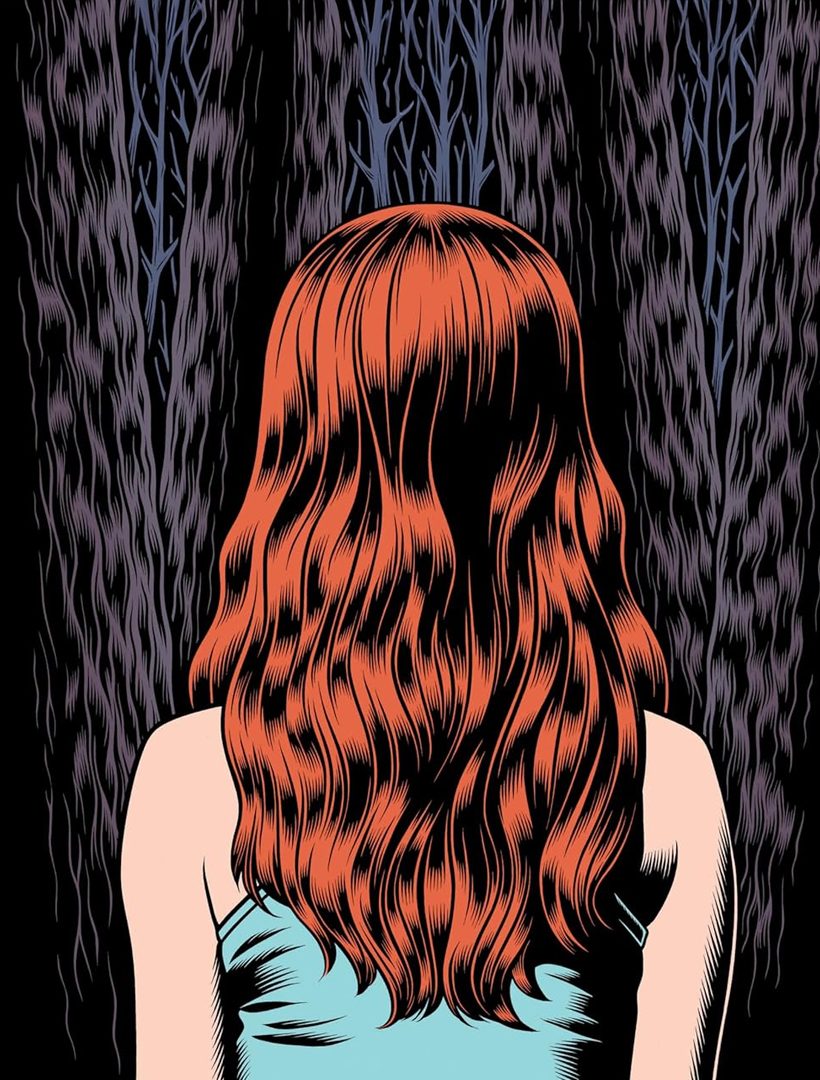
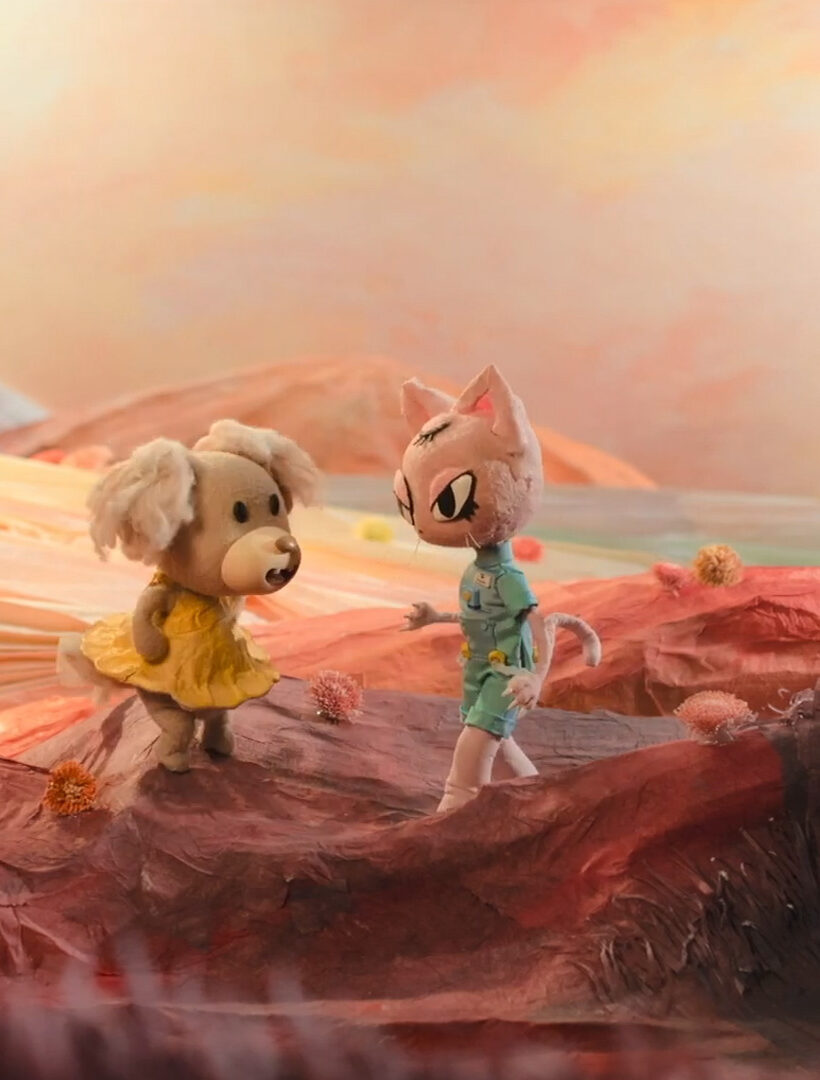
With its swirling fog and flickering lanterns, The Night Circus invites readers into a world where every detail feels meticulously crafted — like stepping into a living painting.
Set around a mysterious, otherworldly circus that appears without warning and only opens at night, the story unfolds more like a spell than a traditional narrative. Two young illusionists, Celia and Marco, are locked in a lifelong competition they didn’t choose, bound by enchantments they barely understand. But the real magic — and what makes this book so visually rich — is the circus itself: Le Cirque des Rêves.
As someone who’s always attuned to the design and mood of a story, I couldn’t help but fall in love with how the circus is described. It’s entirely black and white — a choice that instantly sets the tone. Each tent is its own immersive artwork: an ice garden, a cloud maze, a wishing tree covered in candles. It’s no wonder that this book has long been circled by Hollywood, and now, with an adaptation finally in the works, I can’t wait to see how filmmakers will translate that aesthetic into something tactile.
But here’s the thing: The Night Circus is less about plot and more about experience. It’s about the feeling of standing in a place that shouldn’t exist, the way art can transport you, and how design choices — like color, texture, and even time of day — can become emotional anchors. Morgenstern is a painter with words. Her circus doesn’t just entertain; it envelops.