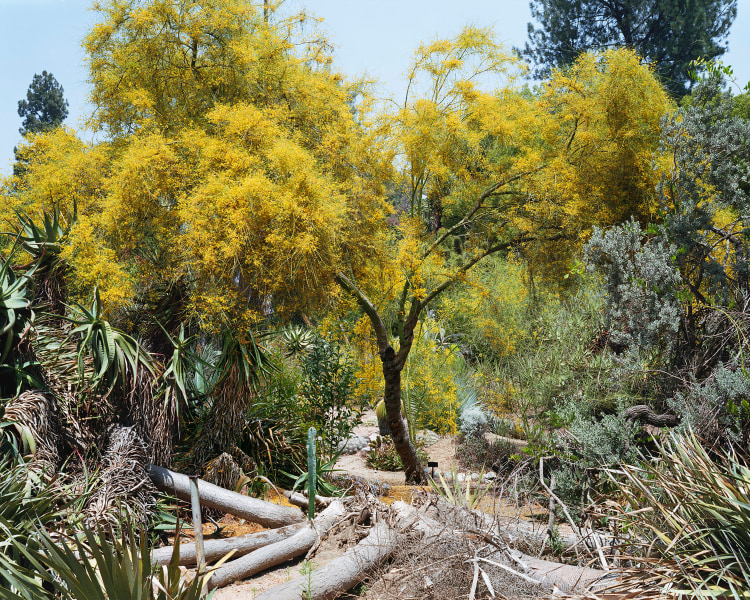

Layered, patient, and oddly tender — Scott McFarland’s images turn familiar places into spaces you’ll want to wander again and again. Based in Toronto, McFarland has spent the last two decades building photographs that hover between fact and fiction, meticulously layering multiple exposures into pictures that feel at once hyper-real and quietly uncanny. His works pull you in with painterly detail — the kind that makes you linger on frost-crusted branches, the ripple of tarp, the soft gleam of winter light on glass.
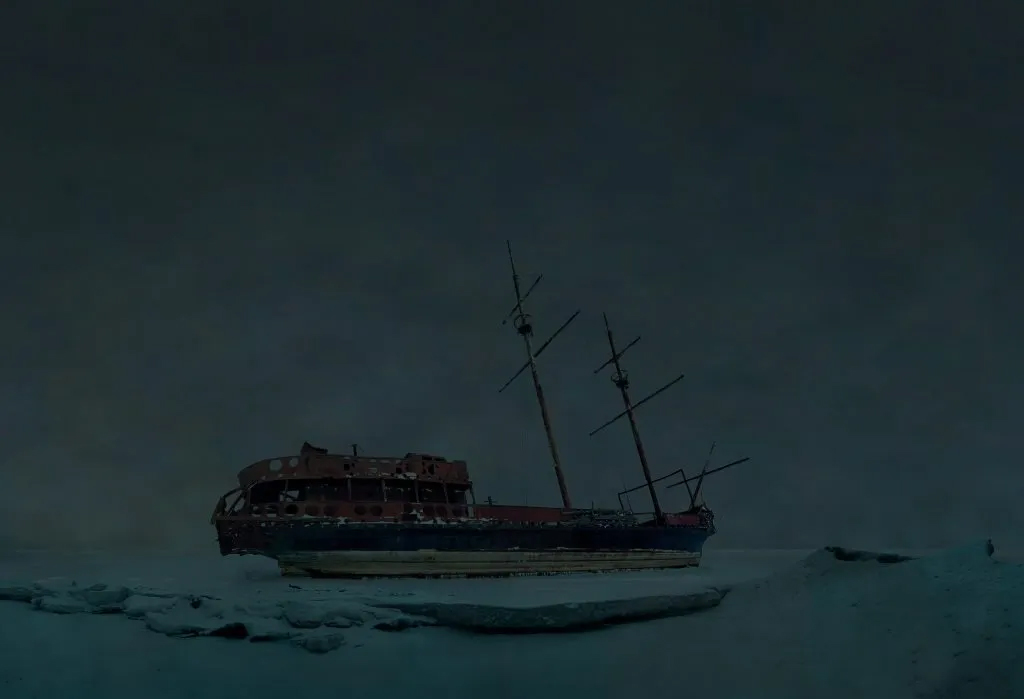
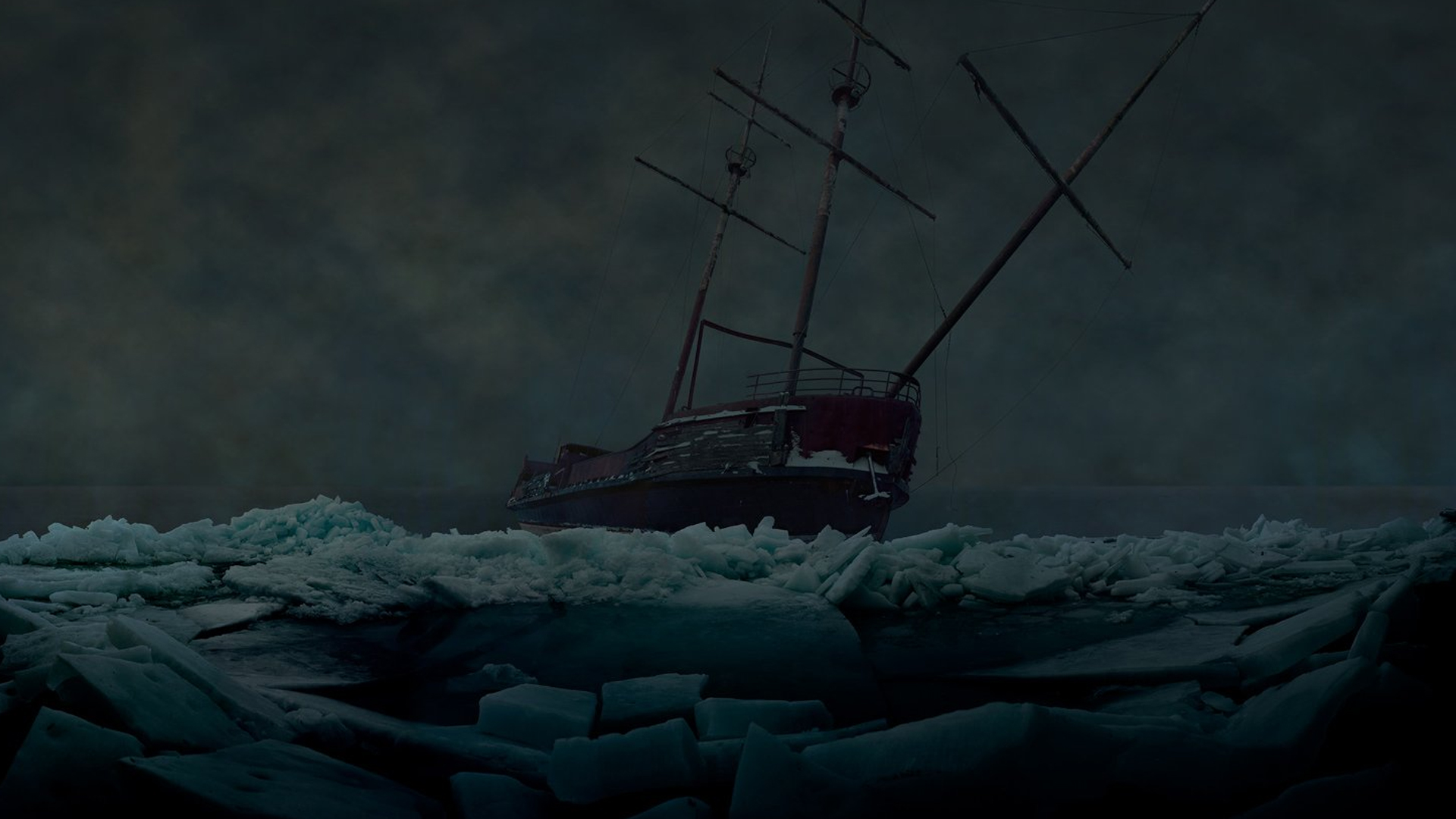
Night Ship, one of McFarland’s most striking series, brings this slow magic to an abandoned three-masted barque, documented under the hush of Canadian winter nights. Across these photographs, the ship feels like a ghost vessel stranded between centuries — real, tangible, yet drifting somewhere just out of reach. McFarland doesn’t present it as a single moment but as a time-lapse dream: multiple exposures stitched together so seamlessly they blur past and present, presence and memory.
It’s this layering — technical, conceptual, emotional — that defines McFarland’s work. Whether he’s turning his lens on greenhouses in Vancouver, snow-blanketed backyards in Toronto, or the weathered architecture of rural Canada, his images are less about pristine landscapes and more about how we occupy and transform them. They’re records of time as much as place — showing us how seasons shift, how light changes, how human presence leaves subtle fingerprints behind.