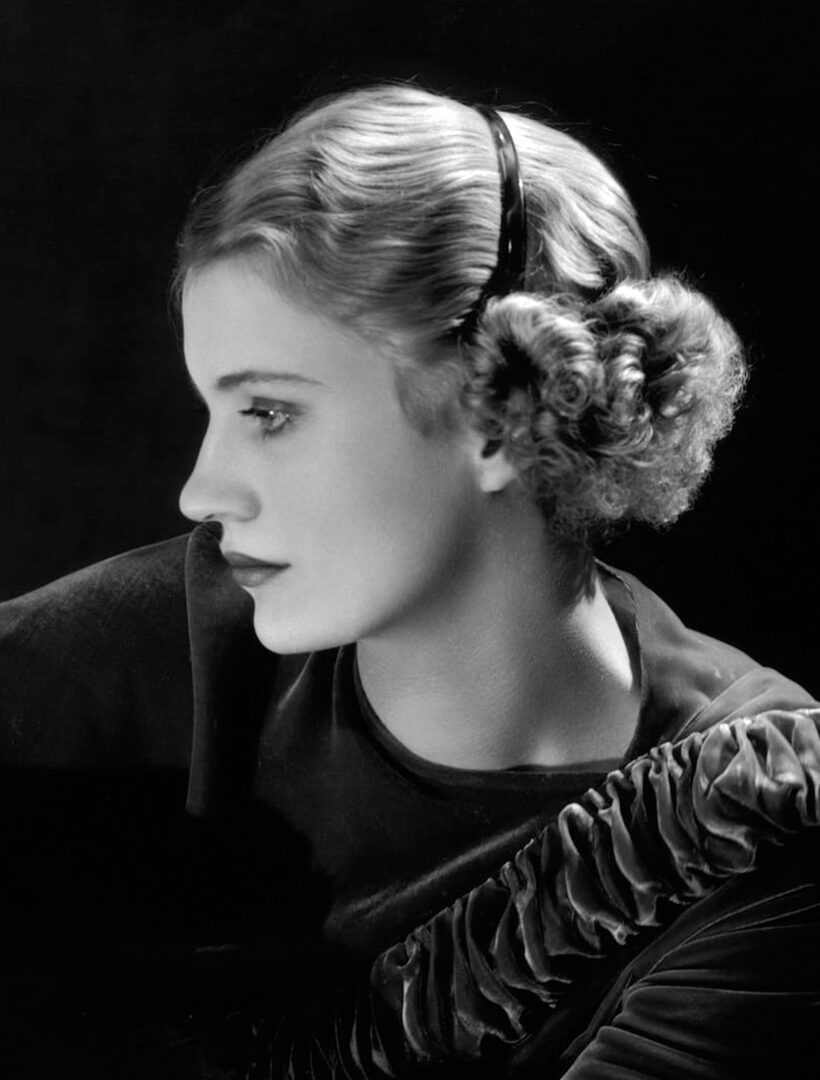

Night Mayor is a short film that feels like it’s transmitting from somewhere between history and dream. Released in 2009 and directed by Guy Maddin, the film plays like a fragmented broadcast—grainy, flickering, and impossible to fully pin down.
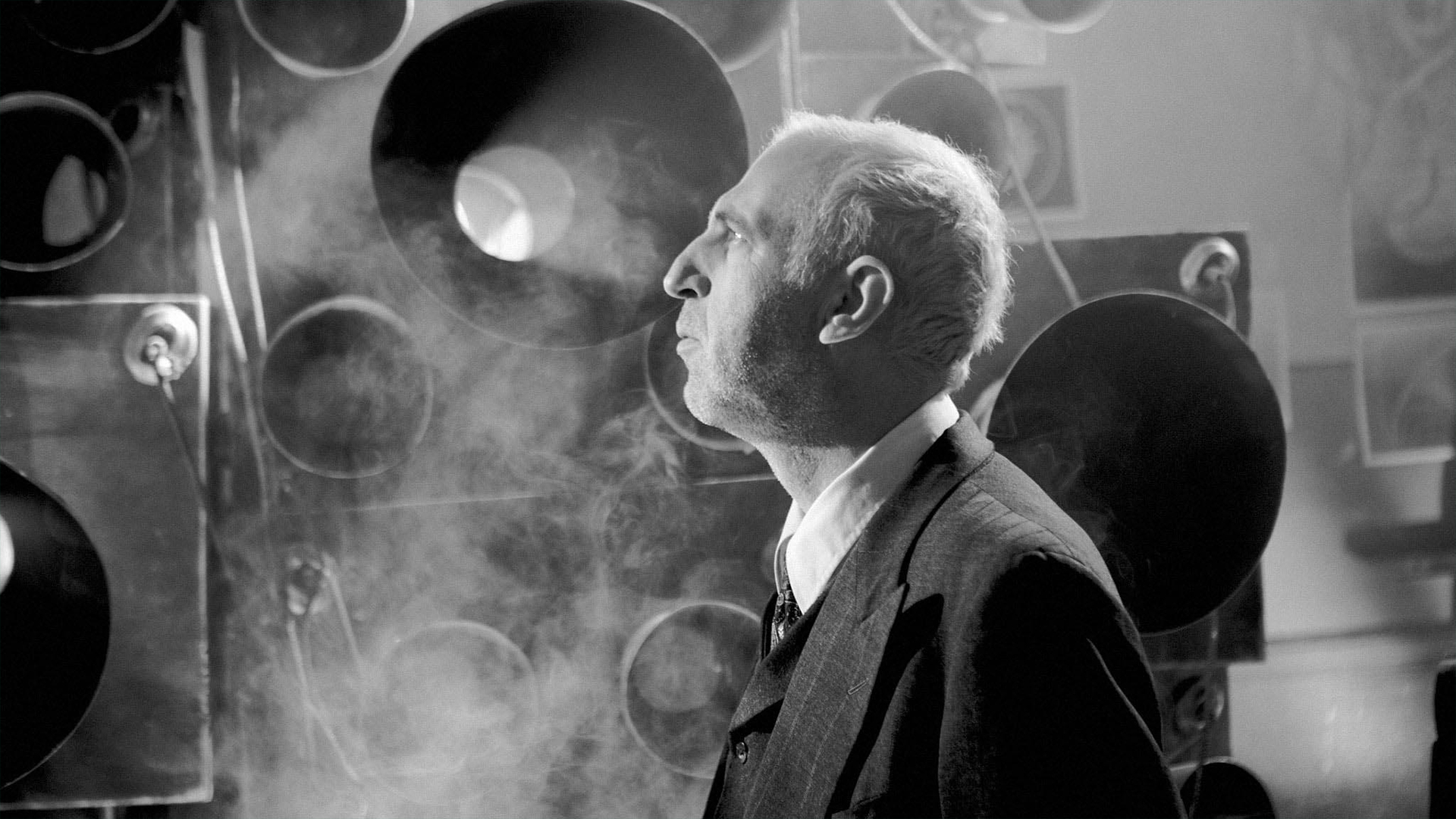
At its center is Nihad Ademi, a Bosnian immigrant who invents a strange machine capable of harnessing the Aurora Borealis. What begins as an attempt to share sound evolves into something far stranger: images projected across Canada through what the film calls “organic television.” It’s a premise that feels both absurd and oddly poetic, like technology imagined through memory rather than logic.
The Language of Imaginary Media
What makes the film so compelling is its relationship with media itself. Maddin leans into a silent-film aesthetic—soft black-and-white textures, rapid cuts, and surreal compositions—creating something that feels deliberately out of time.
The Telemelodium, the film’s central invention, isn’t just a device—it’s an idea. A way of turning sound into image, memory into spectacle, and perhaps even identity into something shareable. As the machine broadcasts across the country, the images begin to distort and merge, suggesting that what we transmit is never as stable as we think.
There’s a tactile quality to everything here. You can feel the grain, the imperfections, the noise. It’s less about clarity and more about sensation.
Between Myth and Message
Revisiting the Night Mayor in 2026, it feels surprisingly current. Beneath its surreal surface, there’s a quiet tension between creativity and control, between personal expression and institutional power.
But what lingers isn’t the politics—it’s the feeling of a country trying to dream itself into existence. Maddin once described his work as showing “ordinary things made miraculous,” and that idea echoes throughout the film.
Like the signals it imagines, Night Mayor doesn’t arrive cleanly. It flickers, distorts, and drifts—leaving behind impressions rather than answers.