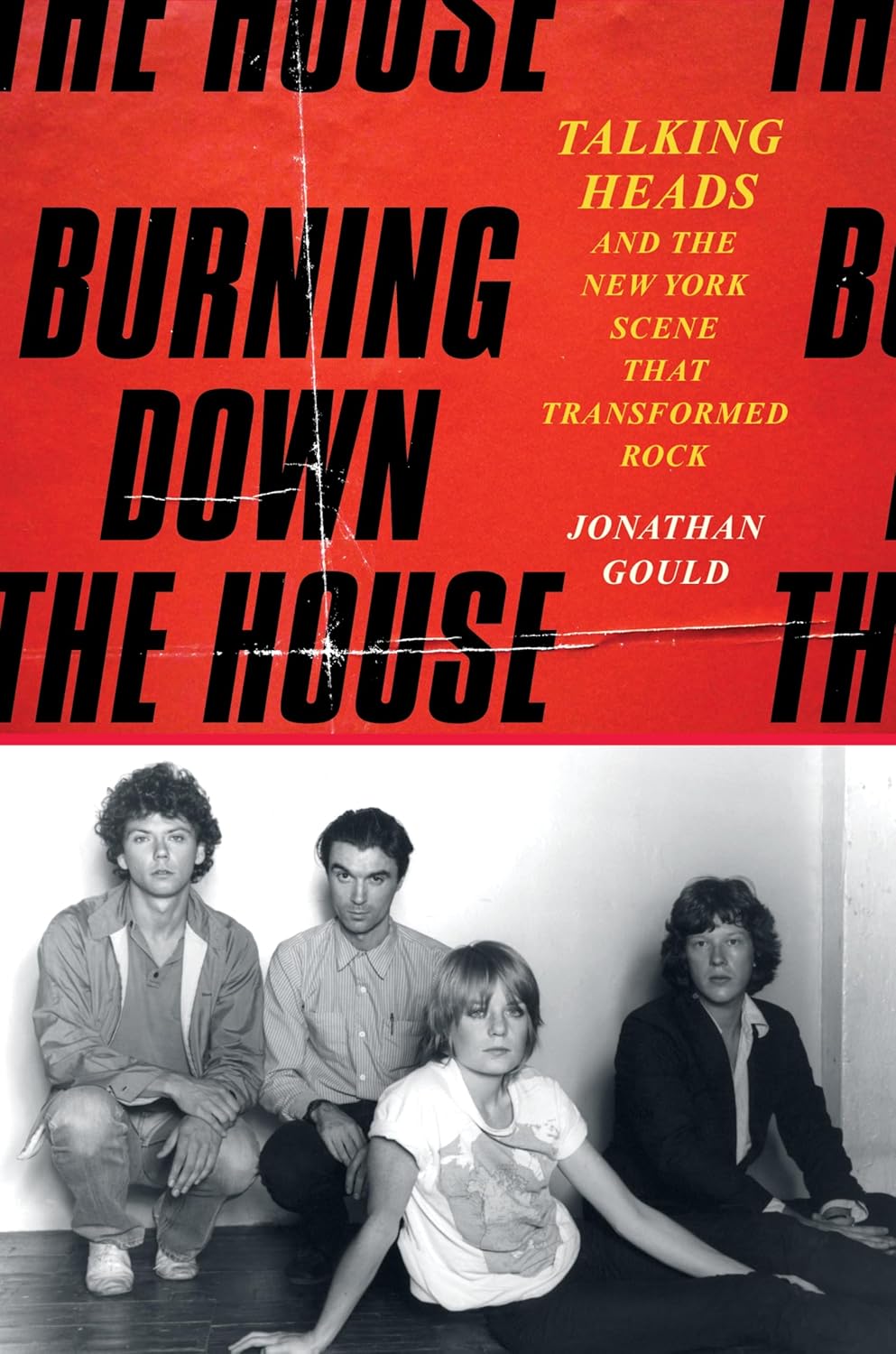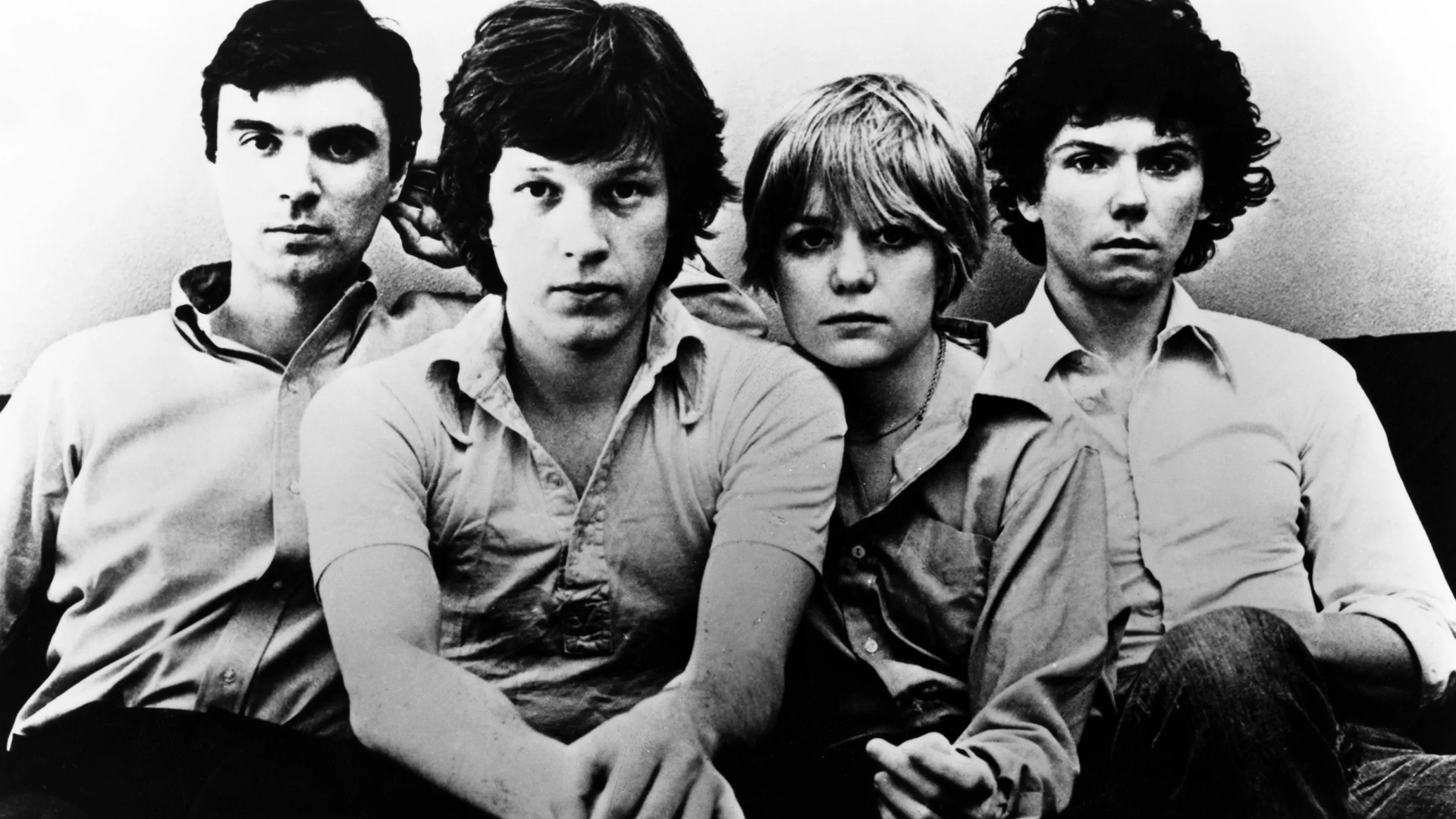

It’s one thing to make great music, but it’s something else entirely to change the way people see and hear the world around them. That’s what Talking Heads managed to do — and Jonathan Gould’s Burning Down the House: Talking Heads and the New York Scene That Transformed Rock captures that transformation with vivid, artful precision. More than a straightforward band biography, it’s a portal into an era when music, performance, and visual culture collided in a downtown New York that was raw, restless, and alive with possibility.
For anyone who’s ever watched David Byrne shimmy across the stage in that oversized suit or lost themselves in the angular rhythms of Remain in Light, this book feels like a guided time machine. But it’s more than just nostalgia. Gould paints a vivid portrait of late-’70s New York — raw, chaotic, and buzzing with creative possibility. It was a time when punk was breaking down boundaries, CBGB was sacred ground, and art-school weirdos were reimagining what rock could even look like.
What’s so compelling is how visual everything feels. Gould doesn’t just trace Talking Heads’ rise — he shows us how their look, their performances, even their typography, were all part of a carefully constructed aesthetic. These weren’t just musicians; they were designers of experience. And that resonates deeply if, like me, you’ve ever tried to unpack the art direction behind an album cover or the architecture of a stage set.
One of the most fascinating threads is how much the band’s origins at the Rhode Island School of Design influenced their sensibility. You can feel it in everything from Tina Weymouth’s minimalist basslines to Byrne’s awkward charisma. They were always artists first — ones who just happened to find a canvas in sound. Their refusal to be pinned down sonically or stylistically was less rebellion and more art-school logic: question everything, remix the familiar, embrace the uncomfortable.