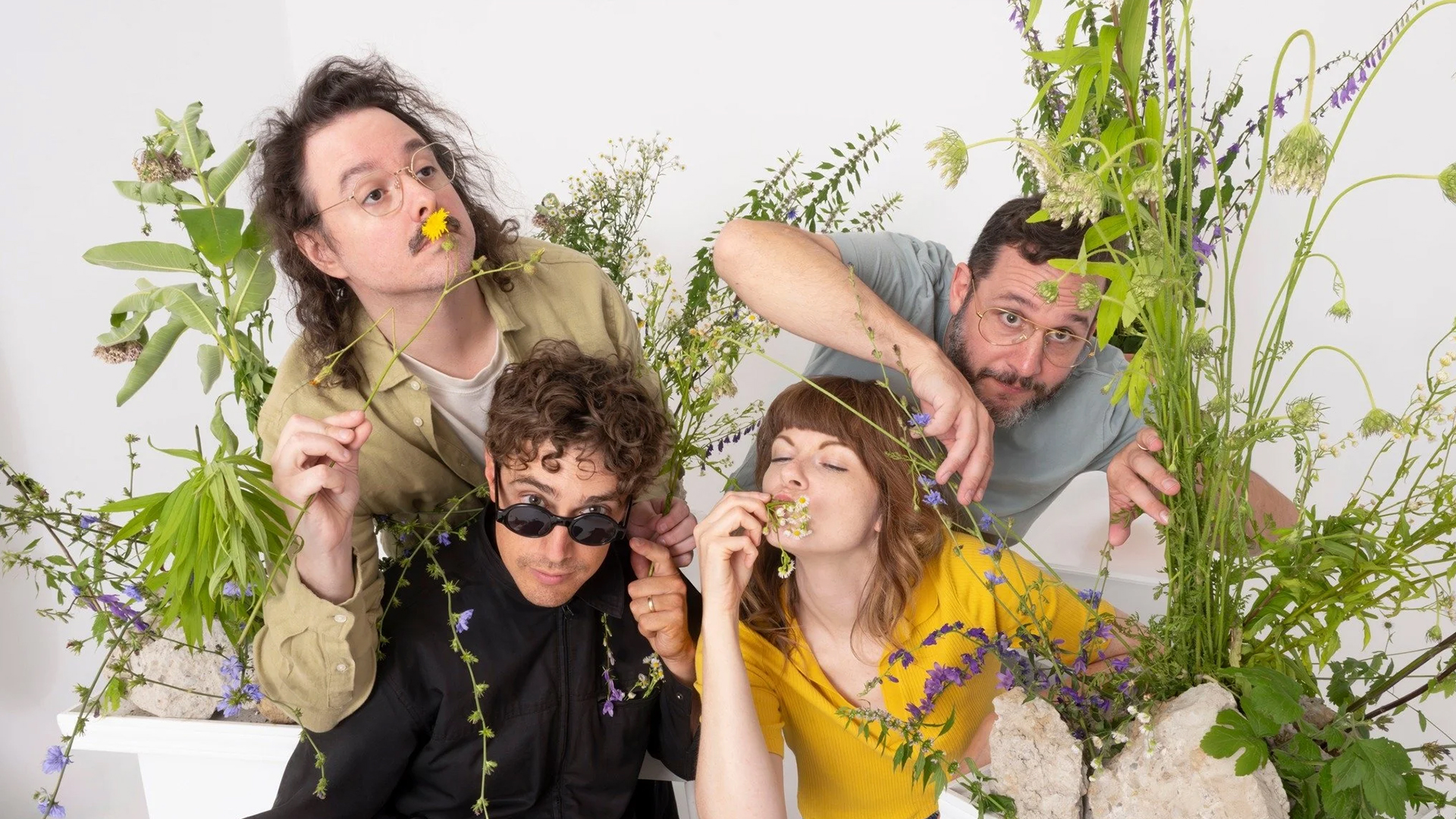
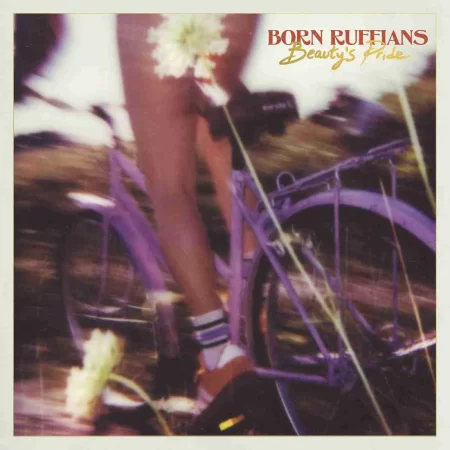
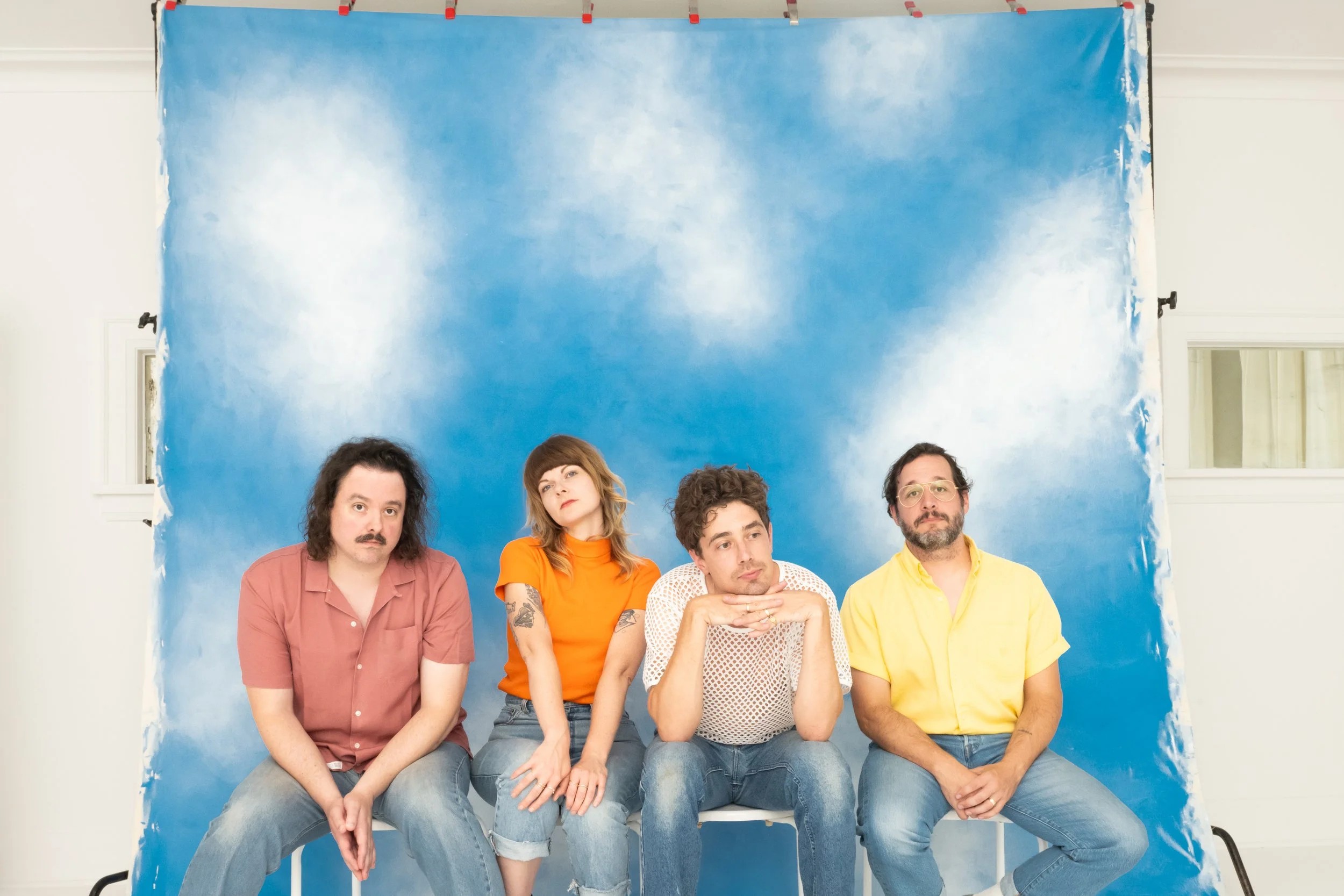
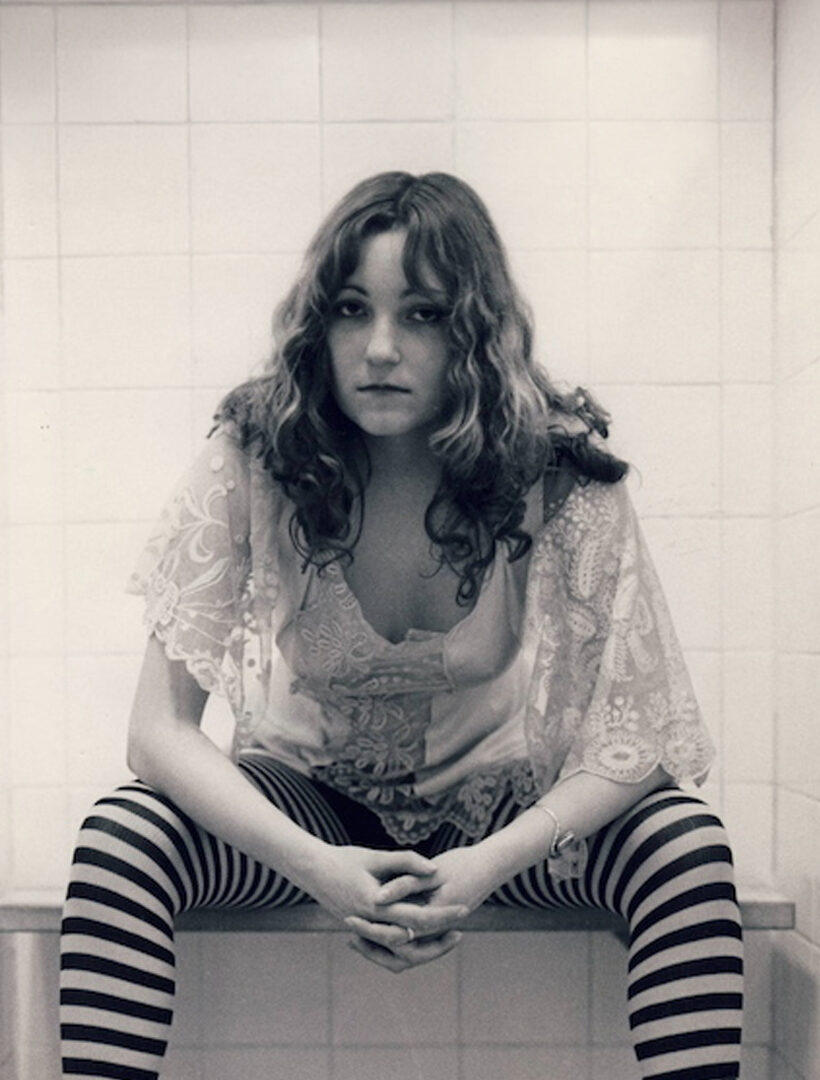
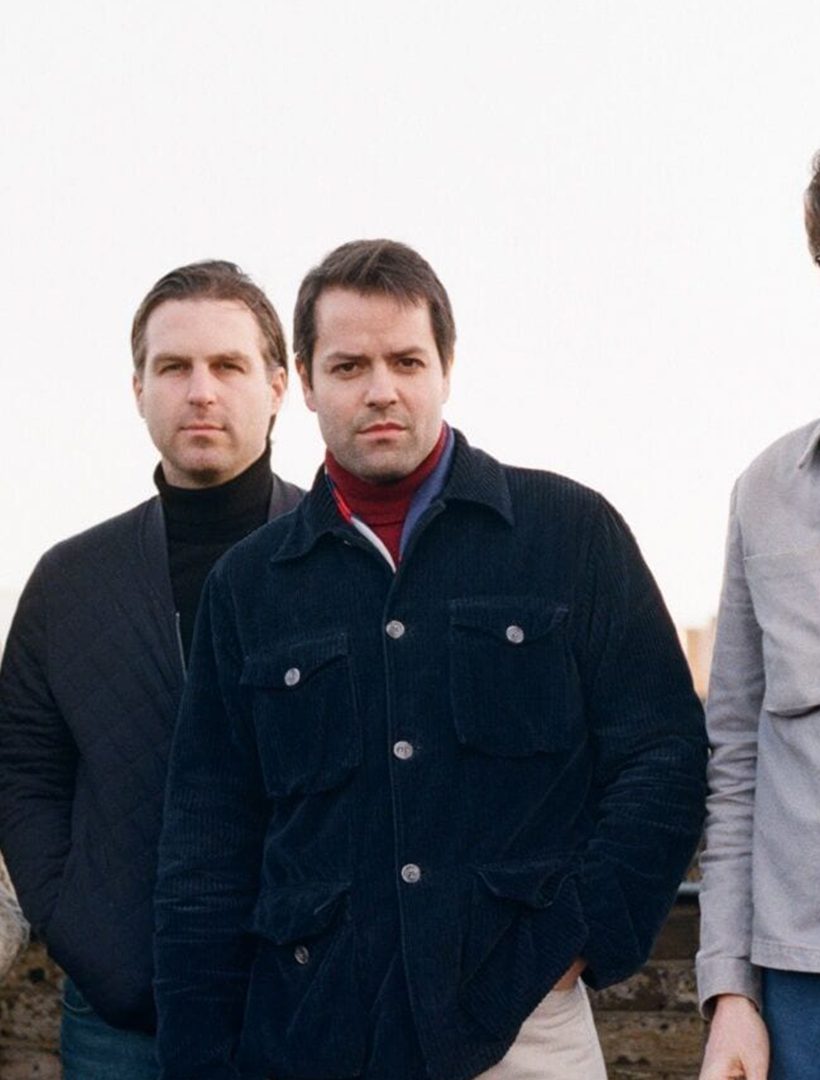
What makes Beauty’s Pride compelling is how Born Ruffians blend the familiar with the unexpected. Tracks like “To Be Seen,” “What a Ride” and “Let You Down” nod to the guitar-driven indie rock that made them beloved, but there’s a noticeable lift in textural depth thanks to Wilde’s keyboards and vocals, which expand the band’s sonic palette. A playful shift occurs with “Can We Go Now,” the first Ruffians track not written by Lalonde, and sung by Wilde herself, giving the record a lighter, more whimsical bend.
Smaller moments, like the brief, atmospheric interlude “All My Life,” offer breathers between more rhythm-forward songs, while cuts like “Supersonic Man” let the group indulge in spacey, almost sci-fi rhythm pop that feels both nostalgic and futuristic at once. There’s a sense throughout that this is a band thriving in its contradictions — comfortable with big hooks and big questions alike.
But perhaps the most poignant moments arrive toward the album’s close. The title track, a gentler piece built around acoustic guitar and Lalonde’s hazy vocals, feels like a reflective summation of the record’s themes: tenderness, time, pride in what’s been built, and an acceptance of life’s fleeting nature. The brief, joyful appearance of Lalonde’s infant son adds a personal touch that elevates the sentiment without ever feeling sentimental.
Over the course of Beauty’s Pride, you can hear Born Ruffians embracing both their past and their present. They haven’t abandoned the propulsive energy of their early work, but they’ve allowed themselves room to breathe, to experiment, and to take stock of what matters. For a band past the twenty-year mark, that willingness to revisit and reshape their identity is as refreshing as it is rare. In a world that often demands reinvention as spectacle, Beauty’s Pride takes its cues from life’s quiet evolution — the kind that asks you to listen closely and enjoy every unexpected beat.