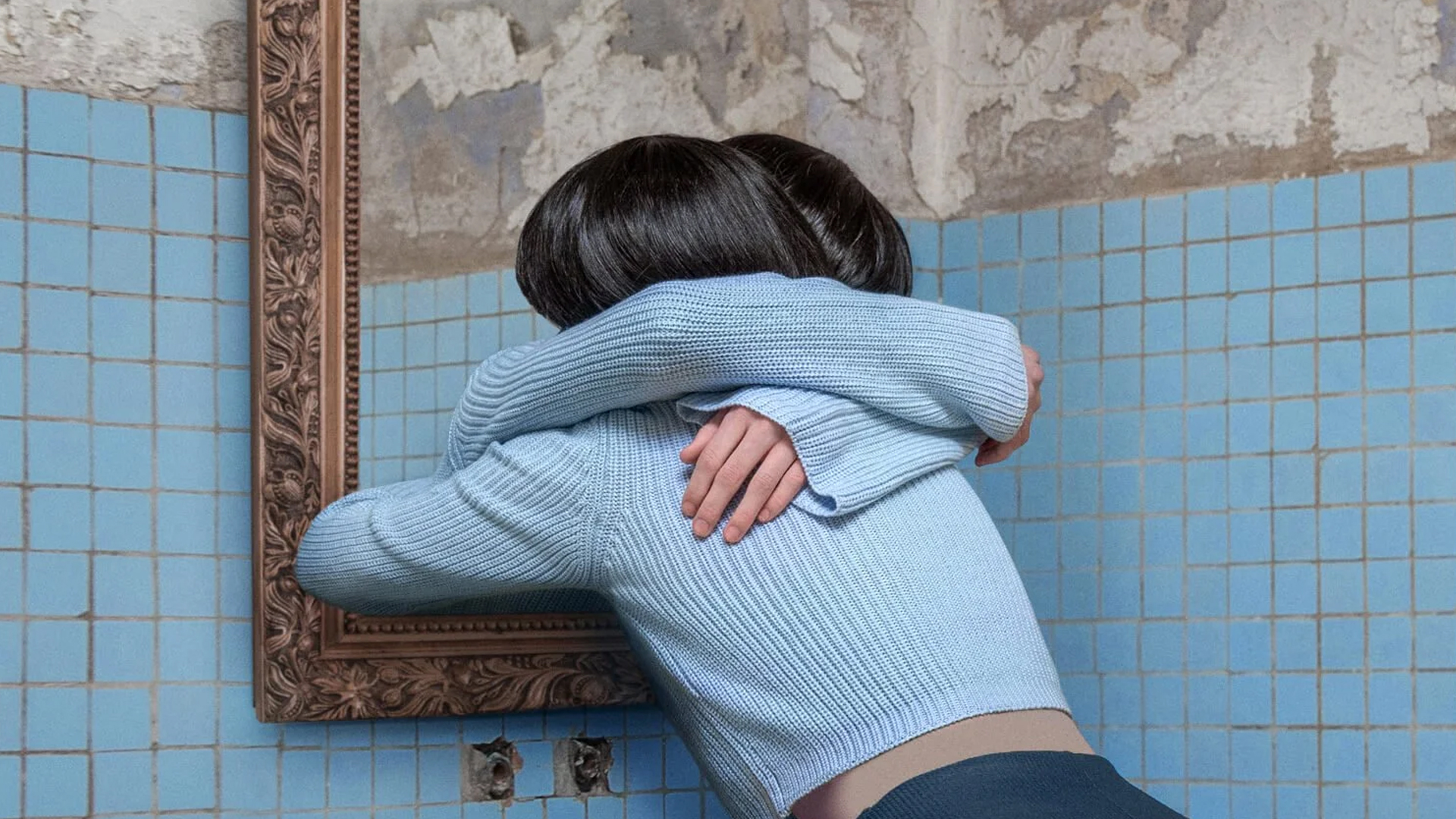
There’s a quiet interrogation woven through Jana Šantavá’s photographs—a subtle pull between what we see and what we hide. Slovak-born and trained in the visual arts, Šantavá crafts images where identity isn’t fixed, but layered, doubled, folded into its own echoes. Her work feels like a visual whisper: the subject always visible, always just out of reach.


Written by
Zoë Marin
in
Beyond the Frame
Creative
Photography
Reflections Within Reflections: Jana Šantavá’s Mirror Worlds
Šantavá is fascinated by the interplay between self and environment. In many of her pieces, a figure stands within a muted space—grey-toned, softly lit—while fragments of mirrors, repeated portraits, or twin figures hover nearby. The effect: you look once, you look twice, you begin to ask who is in the image and which one. She uses these devices not simply for trickery, but to reflect our fragmented selves in an era where identity is curated, mirrored and infinitely editable.
Color, when it appears, is never incidental. Pale blues, soft ochres, the quiet flush of rose—these are the hues of introspection rather than spectacle. Whether she’s placing a model in a forest clearing beside a vintage typewriter or repeating a single gesture across multiple frames, Šantavá creates visual metaphors: memory, absence, self-surveillance. Her figures often face away from the camera, or aren’t centered; their gaze is not the focus. Instead, the focus is on what remains—echoes of presence, shadows of possibility.
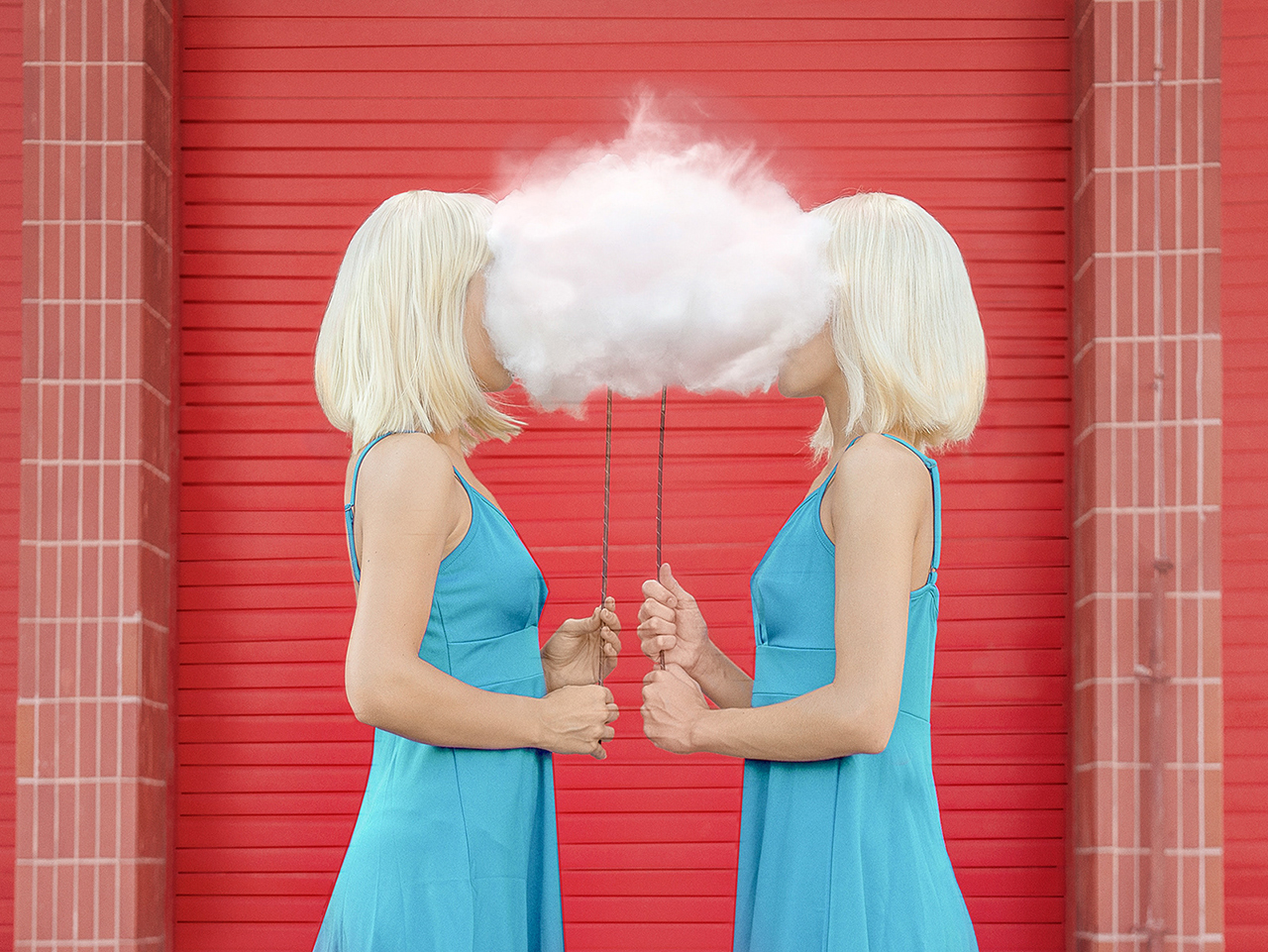
In her recent series, Echoes of Identity, Šantavá plays with doppelgängers—twins, multiples, reflections—and disrupts the comfortable idea of “the self.” The photos feel like stills from a half-forgotten film: a woman looking at herself in a faded mirror, the same woman in a chair beside hers, the space between them pregnant with something unsaid. The setting might be domestic, the lighting gentle, but the image carries a tension: are we looking at repetition, or evolution? Holding, or letting go?
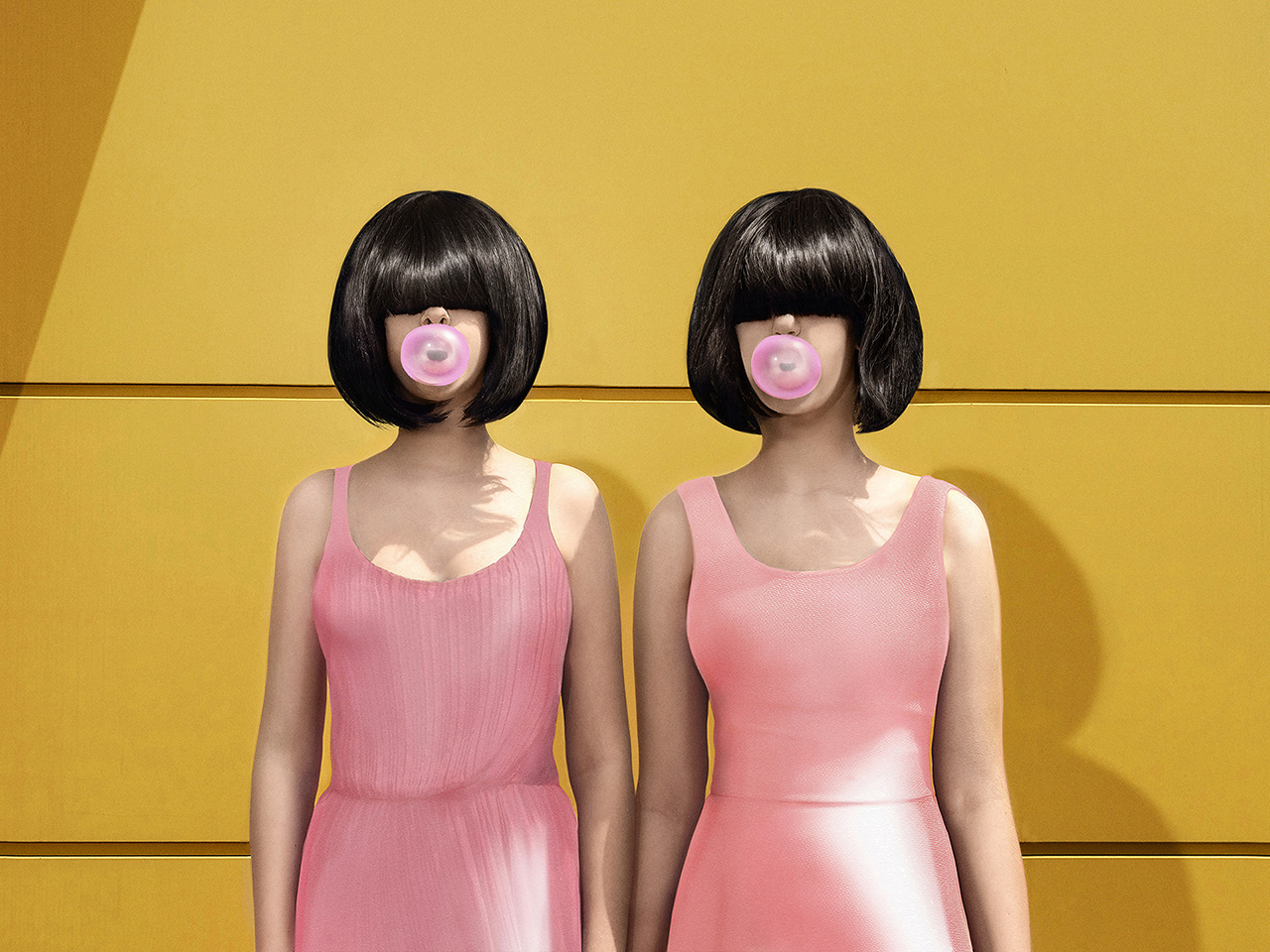
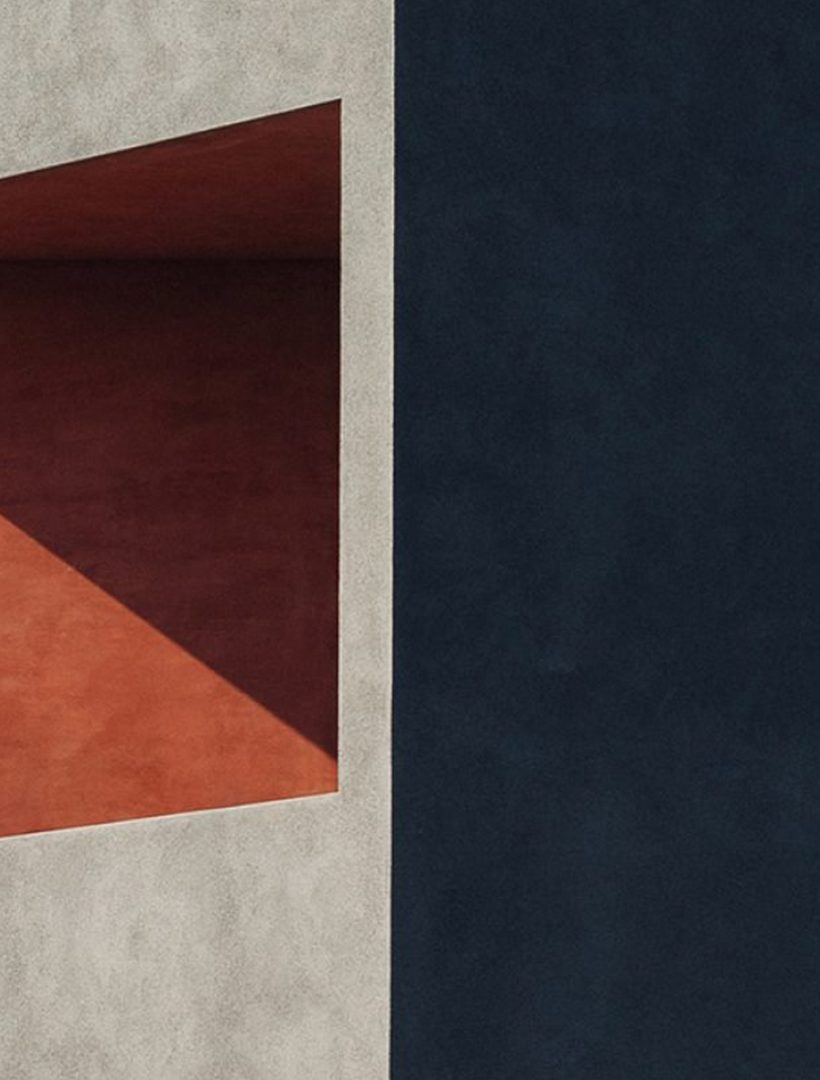
What makes Šantavá’s work particularly poignant is how it balances vulnerability and precision. She photographs humans, yes—but she also photographs structure: the geometry of repetition, the architecture of psyche. She has said that her studio is as much a lab as a stage, where props, lighting and subtle motion combine to explore what lies beneath the familiar. In a world of selfies and filtered identity, she asks us to consider who we present—and who we withhold.
Her recognition is growing—solo shows, awards, exhibitions across Europe—but the impulse behind her work remains intimate. It is the quiet act of sitting with the self, in soft light, no performance, just being. Her photography invites you to lean in: to linger, to notice the small shift in posture, the double shadow, the mirror’s crack. It slows the scroll.
For Šantavá the camera is a tool of exploration, not exposure. She doesn’t expose her subjects so much as allow them layers: person ↔ environment ↔ memory. In doing so, she invites the viewer into a space of reflection—one where you might not find answers, but you will find questions.