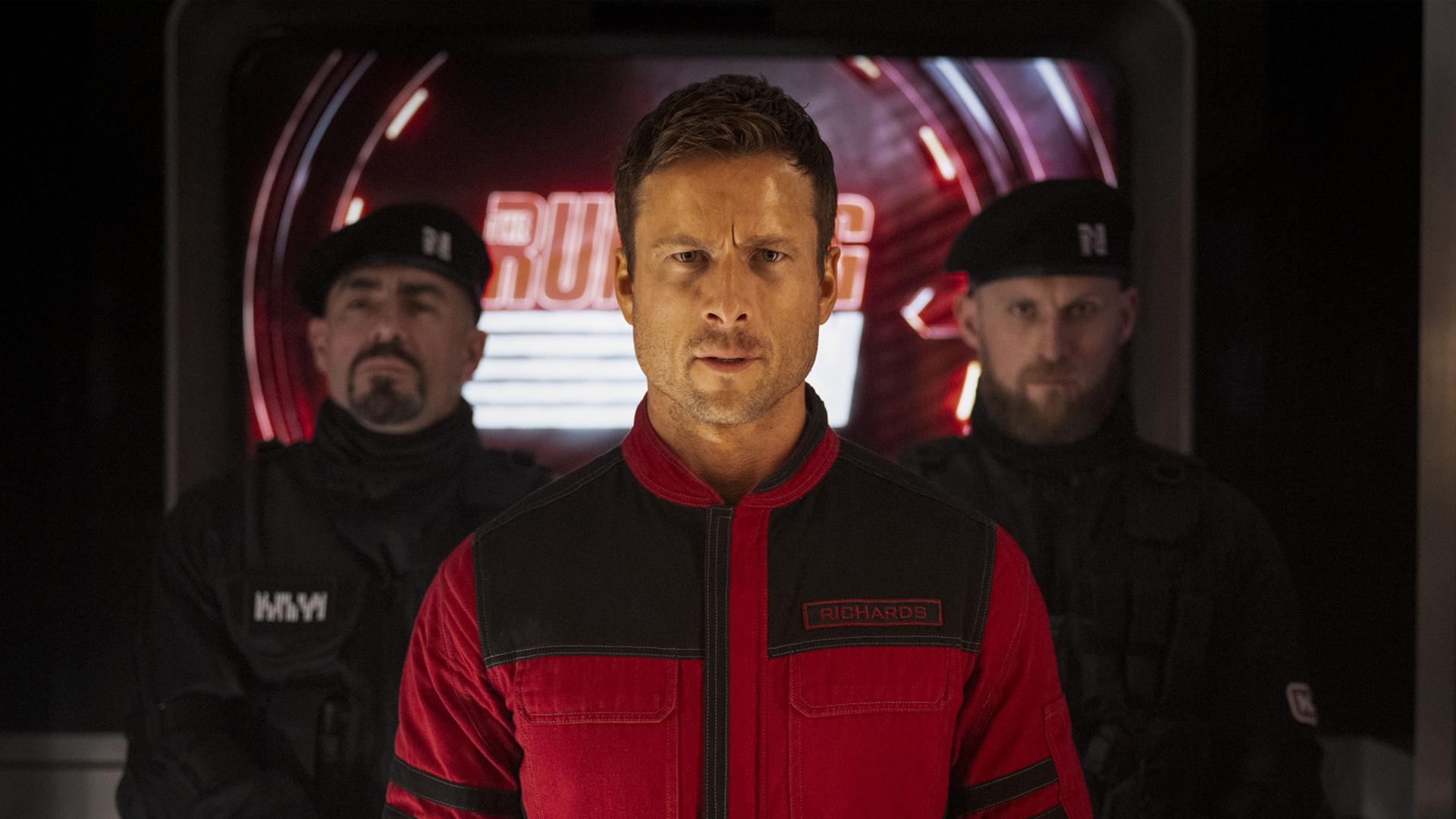
The Running Man: Stephen King’s Dystopia Runs Again
Lila Monroe
Written by Lila Monroe in From the Shelf Book Review Filmmaking

The Running Man: Stephen King’s Dystopia Runs Again

It’s not often that a dystopian novel from the early ’80s feels like it was written yesterday—but The Running Man does. Published in 1982 under Stephen King’s pseudonym Richard Bachman, it’s a razor-edged story about a future where entertainment, desperation, and death are televised for public consumption. Decades later, as reality TV continues to blur the line between spectacle and suffering, The Running Man feels less like science fiction and more like a warning we ignored.

King’s novel follows Ben Richards, a man driven to compete in a deadly game show where contestants are hunted across America for the amusement of a bloodthirsty audience. Unlike the more satirical 1987 film adaptation starring Arnold Schwarzenegger, King’s book is darker, bleaker, and more human. It’s about systemic cruelty, corporate manipulation, and how far people will go when survival is the only prize.

Fast-forward to today, and filmmaker Edgar Wright—best known for Baby Driver and Last Night in Soho—is taking a bold new approach to the material. His upcoming adaptation, set to premiere on November 14, 2025, promises to return to the tone and tension of King’s original text. With Glen Powell cast as Richards, the project signals a shift toward something more emotionally charged and politically resonant. Wright himself has called the film “a chase story with a conscience,” one that blends the propulsive energy of an action thriller with the moral weight of King’s social commentary.
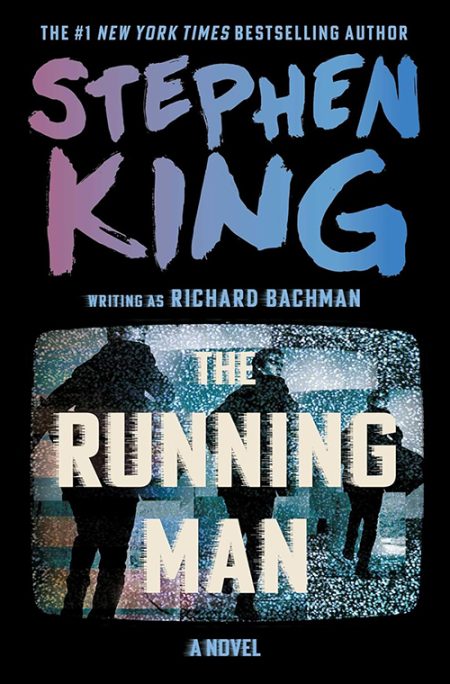
Click the cover and run to Amazon

In interviews, Wright has expressed his admiration for the novel’s layered world-building—its crumbling economy, omnipresent surveillance, and media exploitation. It’s a universe where “truth is broadcast, but only if it sells.” Given Wright’s knack for stylized rhythm and humanizing flawed characters, his version of The Running Man could finally capture the heart of what made King’s dystopia so haunting: a society numbed by spectacle, but still capable of empathy.

Powell, who’s been redefining the modern leading man with charisma and depth, seems a smart choice for Richards. He’s not playing a superhero; he’s playing an ordinary man trapped in an extraordinary nightmare—a concept that feels especially timely in an era when digital personas and public humiliation are part of daily life.

At its core, The Running Man has always been about resistance—the human instinct to run not just away from danger, but toward dignity. King’s story was written during the Reagan era, a time of widening inequality and media obsession. That it now finds new life in 2025, an age of streaming overload and algorithmic everything, feels poetic. Wright’s adaptation might not just entertain—it could hold up a mirror.

Whether you’ve read the novel or only know the ’80s film, there’s never been a better moment to revisit King’s vision of the future. Because if The Running Man teaches us anything, it’s that the game never really ends—it just keeps changing sponsors.

Scroll