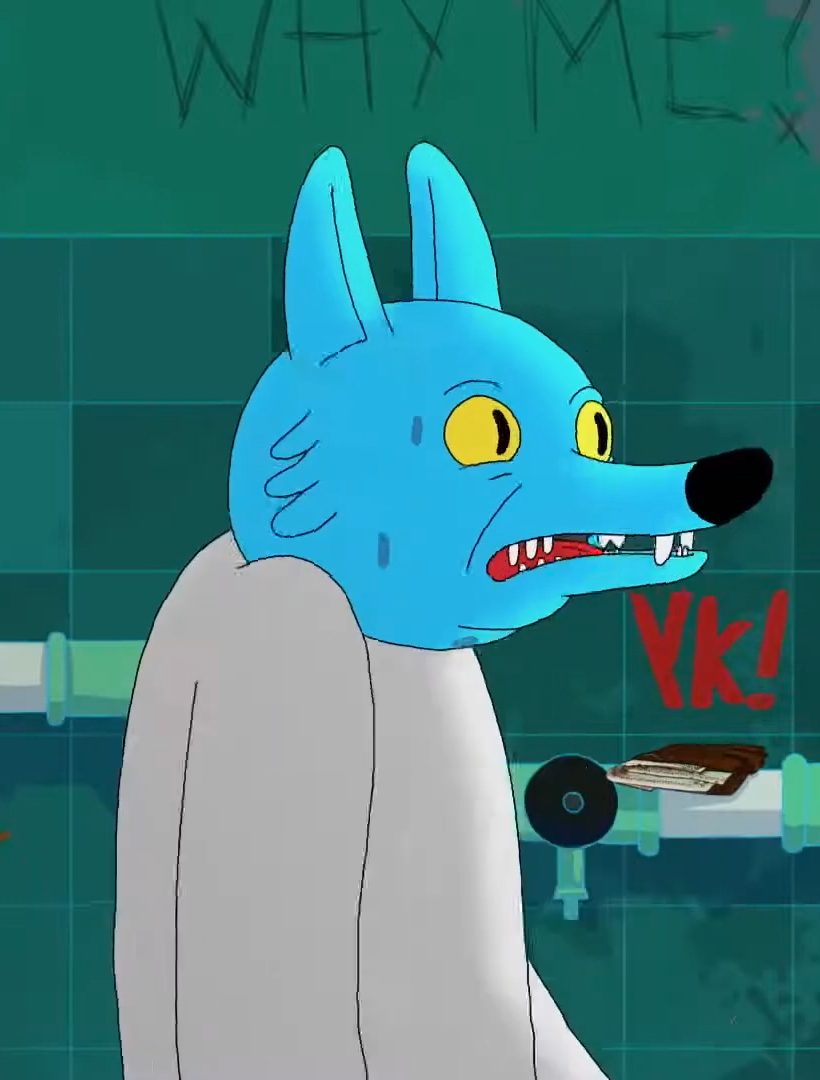
There’s something deliciously disorienting about waking up, bleary-eyed, and realizing the night before was more than just ambiguous—it might’ve been time travel. That’s the wild premise behind Everyone Does It, a nine-minute sci-fi comedy by Craig Ainsley that blends the surreal and the awkward into something deeply human.
The film opens with Joel waking after a one-night stand with someone out of town—and overhearing a conversation that makes absolutely no sense. Women in whispers, strange voices, hints of other eras or other rules. Who are these people? Where are they from? And how did they get here? The more Joel listens, the more he suspects that time tourism is behind the weirdness.
The brilliance of Everyone Does It lies in how grounded it keeps the absurd. Ainsley doesn’t lean on elaborate effects or expositional dialogue. Instead, he restrains the sci-fi elements to small, odd details—a glowing booth, a mysterious nose device, the jitter of uncertainty in his waking mind. Everything else feels real, messy, human. You believe Joel’s confusion because it feels like something we’ve all felt: waking up and realizing the joke or truth of the night is complicating the morning.
The performances help anchor that tension. Ainsley gave the actors freedom to improvise, to spill lines over each other, to make the dialogue feel less like script and more like a conversation that’s careening off rails. The camera follows loosely, catching glances, micro-expressions, moments of panic and hesitation, letting the uncertainty stay alive. It’s that looseness—this sense of chaos carefully choreographed—that gives the film an edge.
There’s humor here that sneaks in through discomfort. When Joel tries to insert himself into the conversation, when he fumbles his way into explanations—or nonexplanations—you laugh because it’s so human. That laughter carries weight when the sci-fi twist blooms: this isn’t just a weird night. It’s a decision with consequences.
What I love most is how Everyone Does It plays with time without trying to explain it. We never get a full system. We never see a manual or hear a long rant about paradoxes. Instead we stay with Joel’s disorientation, the only clues are what he hears and sees. That ambiguity gives the film room to haunt you later—did it really happen? Or did he mishear? Or both?
In a world obsessed with spectacle, this short reminds us that constraints breed creativity. With just one main setting, a few props, and a compelling concept, Ainsley builds a universe. For indie creators, it’s a strong case for telling big ideas inside small boxes. Don’t try to do everything. Do this thing, weirdly, with full intent.
So if you have nine minutes to spare, Everyone Does It is a perfect trip. It’s funny, strange, and subtly unsettling. And by the end, you’ll wonder how often time slips under our noses—and who might already be playing with it on the other side of the night.