Oleg Oprisco’s World of Beautiful Impossibilities
Zoë Marin
Written by Zoë Marin in Beyond the Frame Creative Photography

Oleg Oprisco’s World of Beautiful Impossibilities

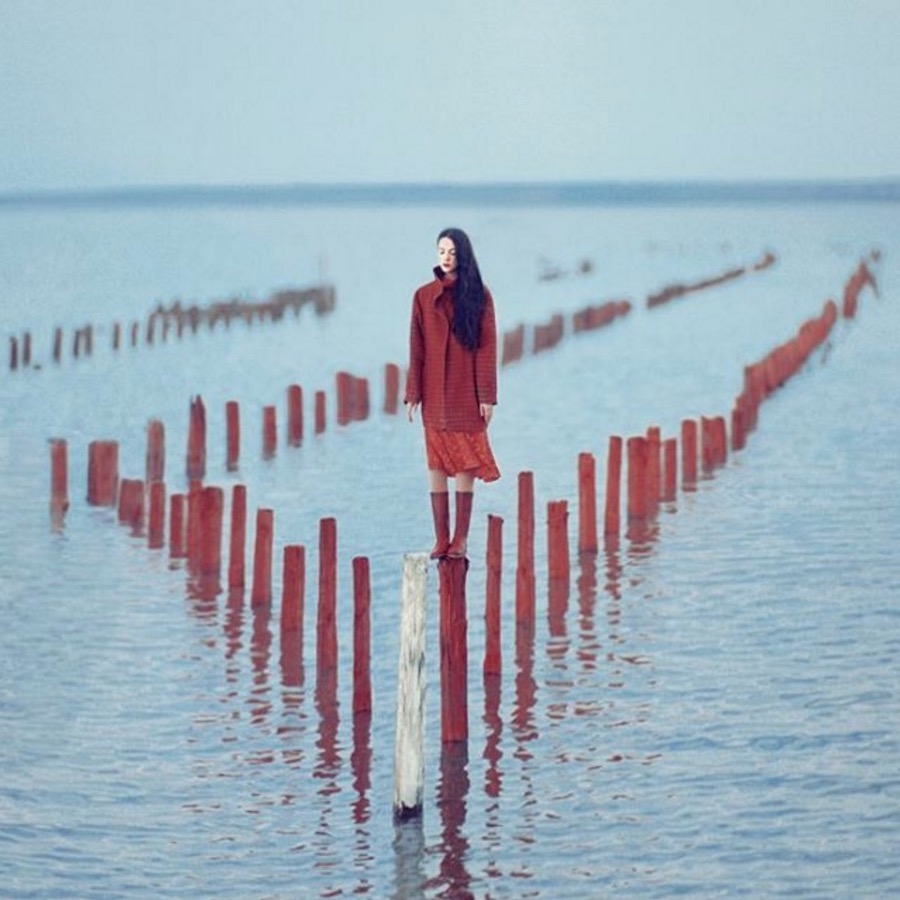
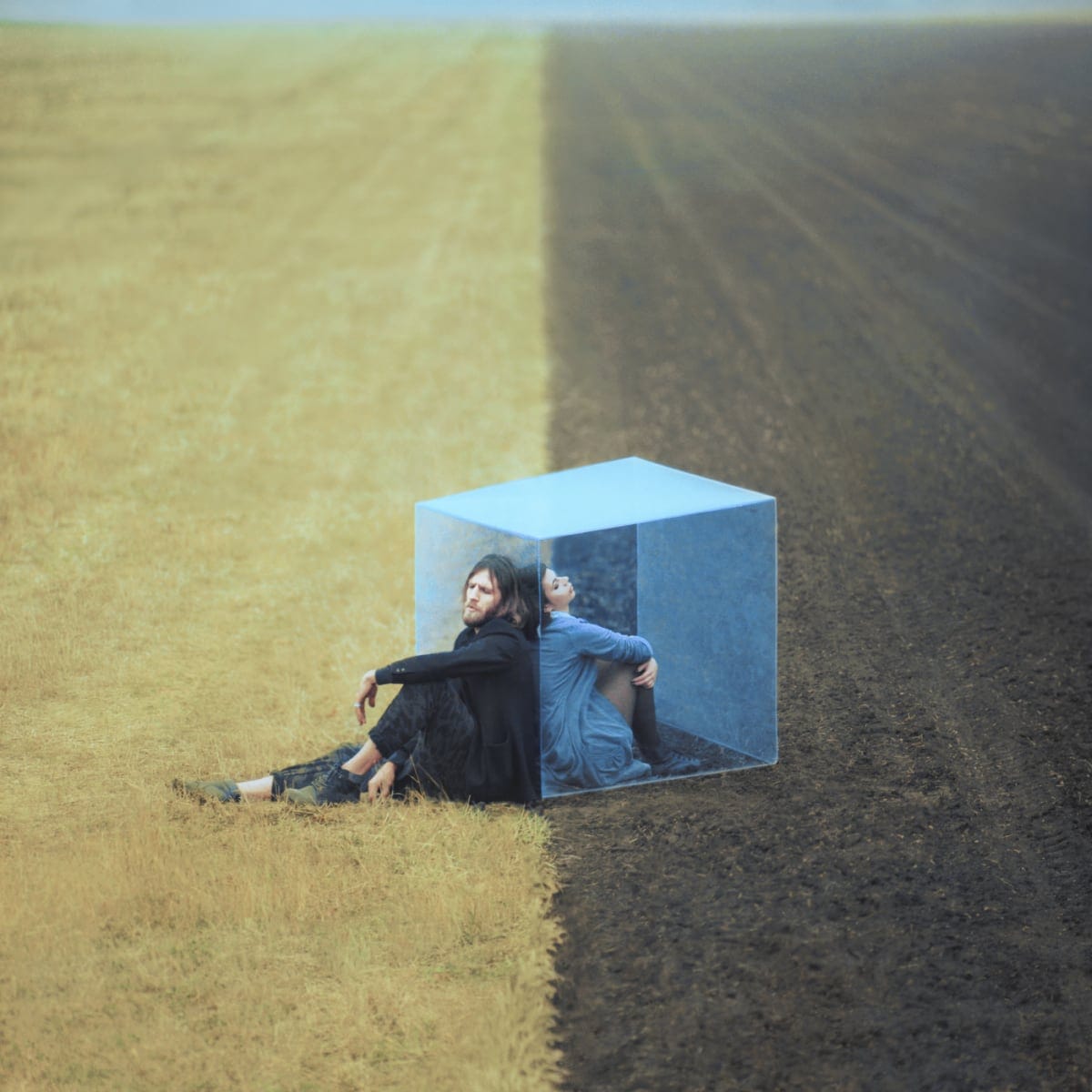
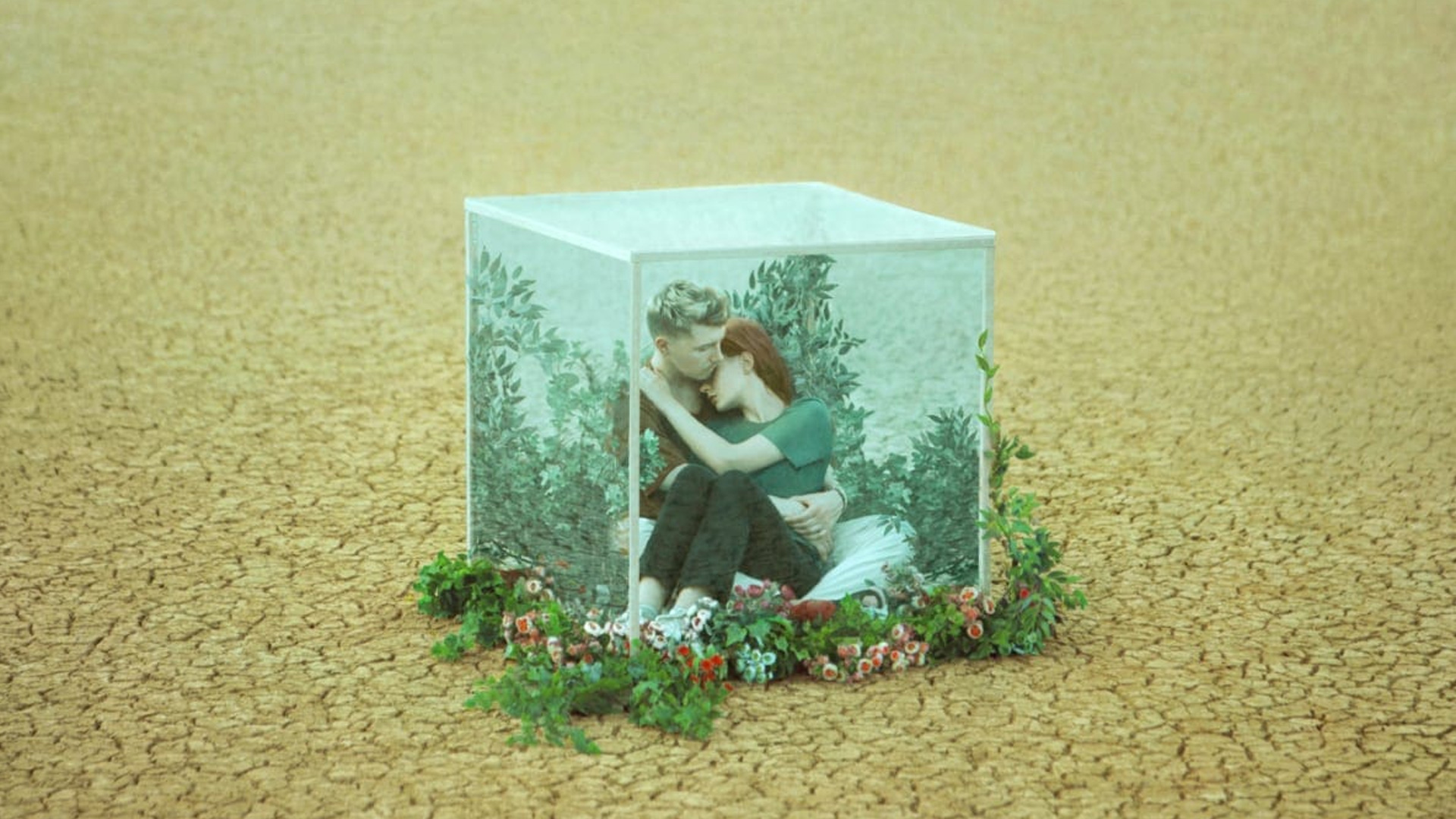
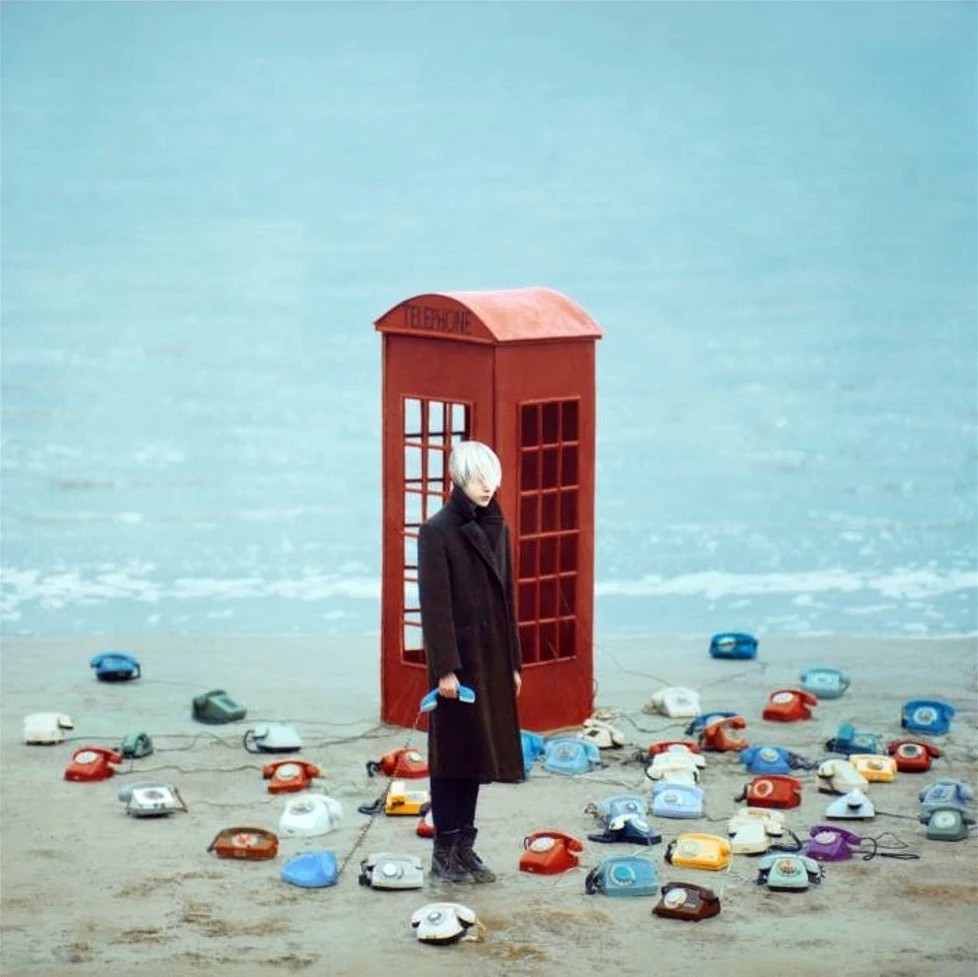
Oleg Oprisco’s photographs seem to exist somewhere between a memory and a dream. Solitary figures stand in fields, forests, libraries and city streets. Around them, familiar objects feel strangely out of place. A woman might carry an enormous book or interact with an oversized everyday object. The images remain grounded in reality, even when their stories feel impossible. Their magic comes from Oprisco’s ability to transform ordinary elements into something mysterious.

Born in Lviv, Ukraine, Oprisco developed his photographic language through technical knowledge, close observation and an instinct for storytelling. His images often feature women as central figures, surrounded by soft, muted colors, shallow depth of field and carefully constructed environments. Love, loneliness and resistance appear throughout his work. However, he deliberately leaves his photographs open to interpretation, allowing each viewer to discover a different narrative.
Learning to See in Color

Oprisco entered photography almost by accident. At sixteen, he found a job at a photo laboratory in Lviv. He began by photographing people for identification documents before becoming a printing specialist. Working with thousands of photographs every day taught him about the technical side of photography. It also helped him understand how colors, poses and compositions affect the way an image is perceived. This experience eventually encouraged him to buy his first medium-format camera, a Kiev 6C.

Later, Oprisco moved to Kyiv and worked as an assistant to two commercial photographers. That experience exposed him to different genres and gave him a better understanding of the photographic market. More importantly, it gave him room to experiment with film. During this period, he gradually developed the visual direction that would become his own. His Kiev 6C and Kiev 88 remain central to that process, alongside a selection of long lenses.

Oleg Oprisco
Oleg Oprisco
Nothing Is Quite What It Seems

Oprisco’s surrealism is remarkably physical. Instead of creating impossible objects digitally, he prefers to build them himself. He spends days preparing scenes and sometimes waits for the right weather before pressing the shutter. Notes and sketches help him plan each photograph. He also carefully considers the relationship between the model, costume, props, landscape and light. Photoshop comes later and is used mainly for minor corrections such as dust, scratches and color.

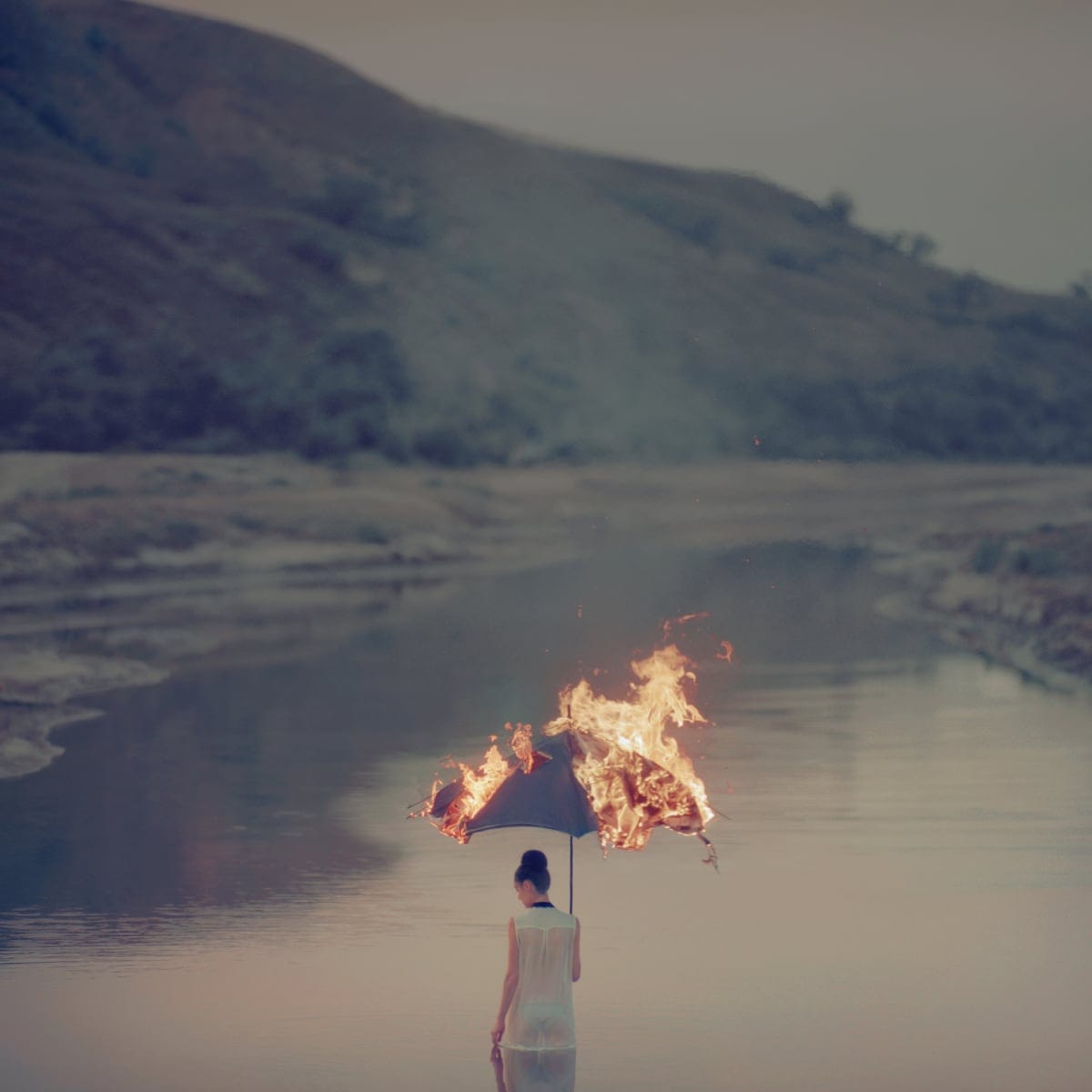
As a result, even the simplest-looking image can require extensive preparation. Oprisco once spent a month working on a photograph involving a burning umbrella. The shoot required eight attempts and around 30 ruined umbrellas before he achieved the desired result. Each attempt meant another day of preparation and another day of shooting. The patience paid off, as the finished photograph became one of his most frequently sold prints.

Twelve Chances to Get It Right

Film is not merely a technical choice for Oprisco. It is part of the discipline behind his photographs. Working with physical film means accepting uncertainty and limiting the number of opportunities to capture an image. As he explains, he has only twelve chances to get it right. Therefore, every frame has to count. He also values the distinctive depth and color produced by film. In his view, those qualities cannot be completely reproduced digitally.

That limitation fits naturally with his deliberate approach. His medium-format cameras and long-focus lenses help create the shallow depth and painterly softness that characterize his images. Natural light also plays an important role, particularly the gentle glow of dawn or the diffused light of an overcast sky. Meanwhile, fog can add another layer of atmosphere. Rather than relying on extensive post-production, Oprisco prefers to solve the photograph in front of the camera.

Oleg Oprisco

For Oprisco, finding ideas is not something reserved for rare moments of inspiration. Instead, it is an ongoing state of attention. A glass of milk, an afternoon walk or an unexpected combination of colors can become the starting point for a new scene. He does not plan his photo series too far ahead. Instead, he follows whatever captures his imagination and develops the idea through preparation and experimentation.

That openness is also reflected in his advice to other photographers. Oprisco encourages artists to pay close attention to the art they consume and to ask why a film, photograph or costume creates a particular impression. In his view, creativity grows from the combination of everything we see, hear and experience. Ultimately, his own work makes that philosophy visible. Everyday life provides the ingredients, while patience, curiosity and imagination turn them into another world.

Oleg Oprisco
Scroll