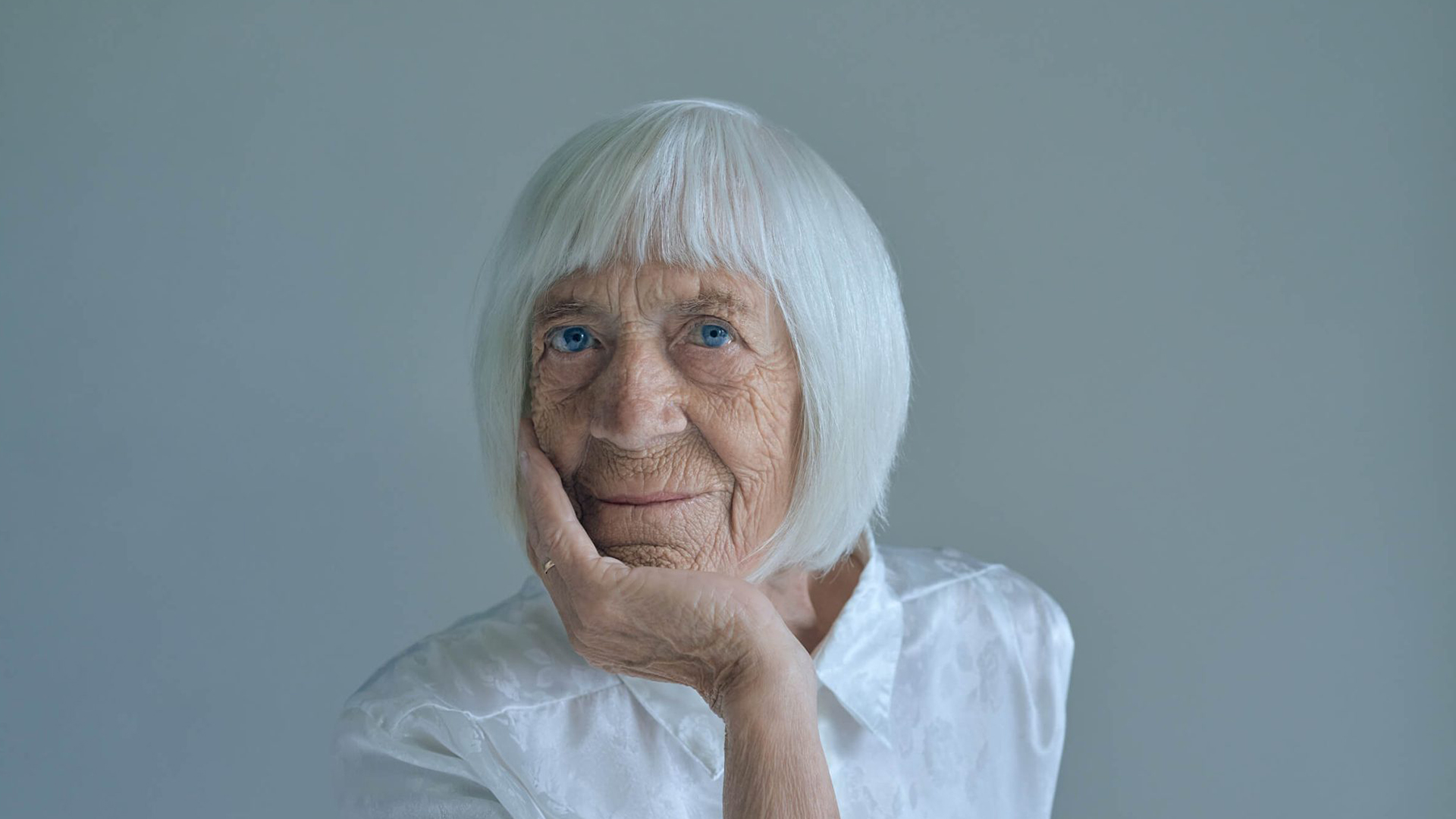
Kristina Varaksina and the Emotional Language of Portraiture
Zoë Marin
Written by Zoë Marin in Beyond the Frame Photography

Kristina Varaksina and the Emotional Language of Portraiture

Kristina Varaksina’s photographs rarely feel accidental. Every gesture, colour, expression, and fragment of light appears carefully placed, yet the images never lose their emotional immediacy. They exist somewhere between portraiture and psychological storytelling, constructing scenes that feel intimate, cinematic, and quietly surreal.

Born in Russia, educated in the United States, and now based in London, Varaksina approaches photography through a deeply personal lens. Before studying photography at the Academy of Art University in San Francisco, she worked as an art director in Moscow, a background that remains visible in the careful structure of her images and her strong attention to visual narrative.
Women at the center of the frame

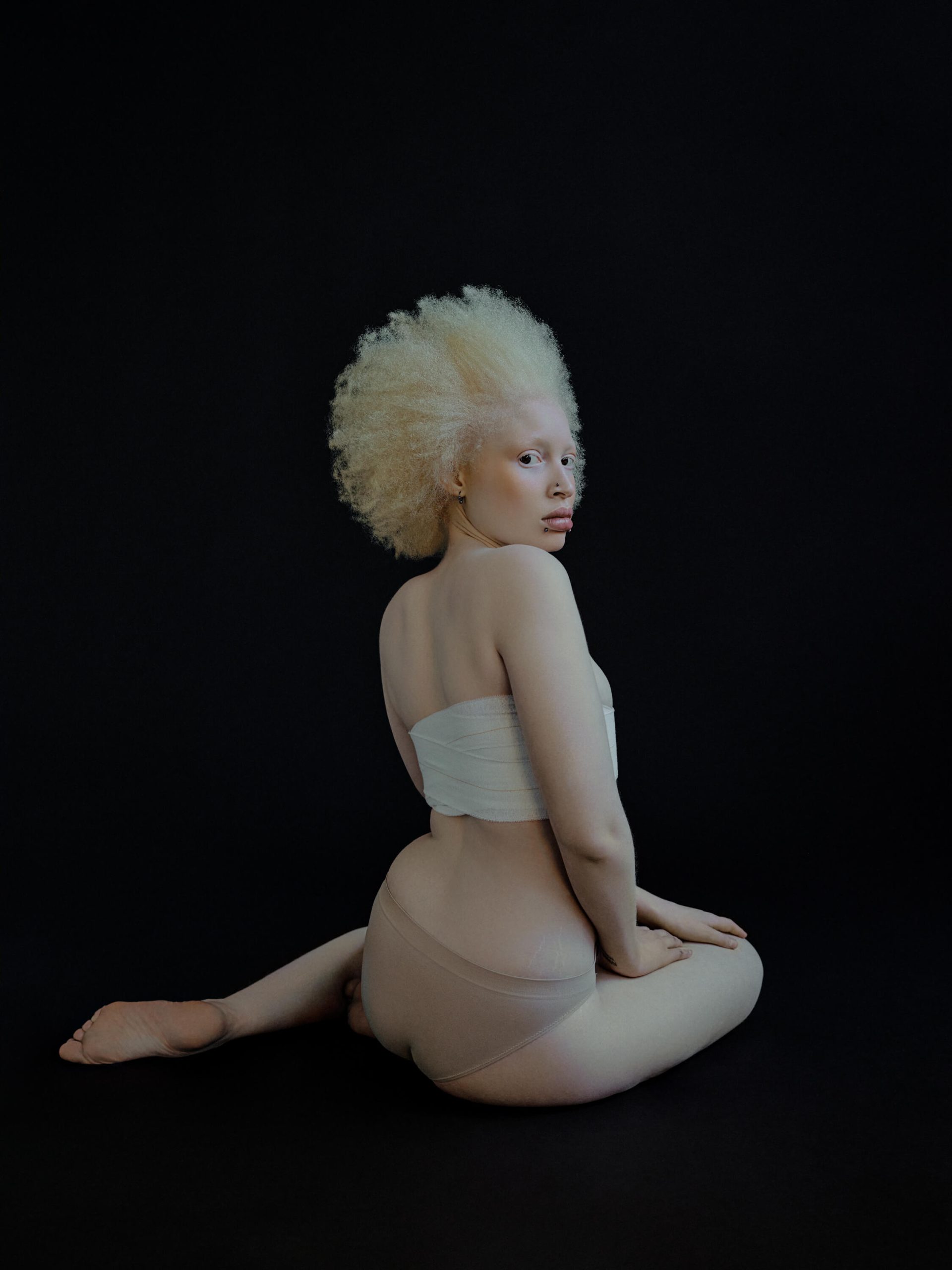
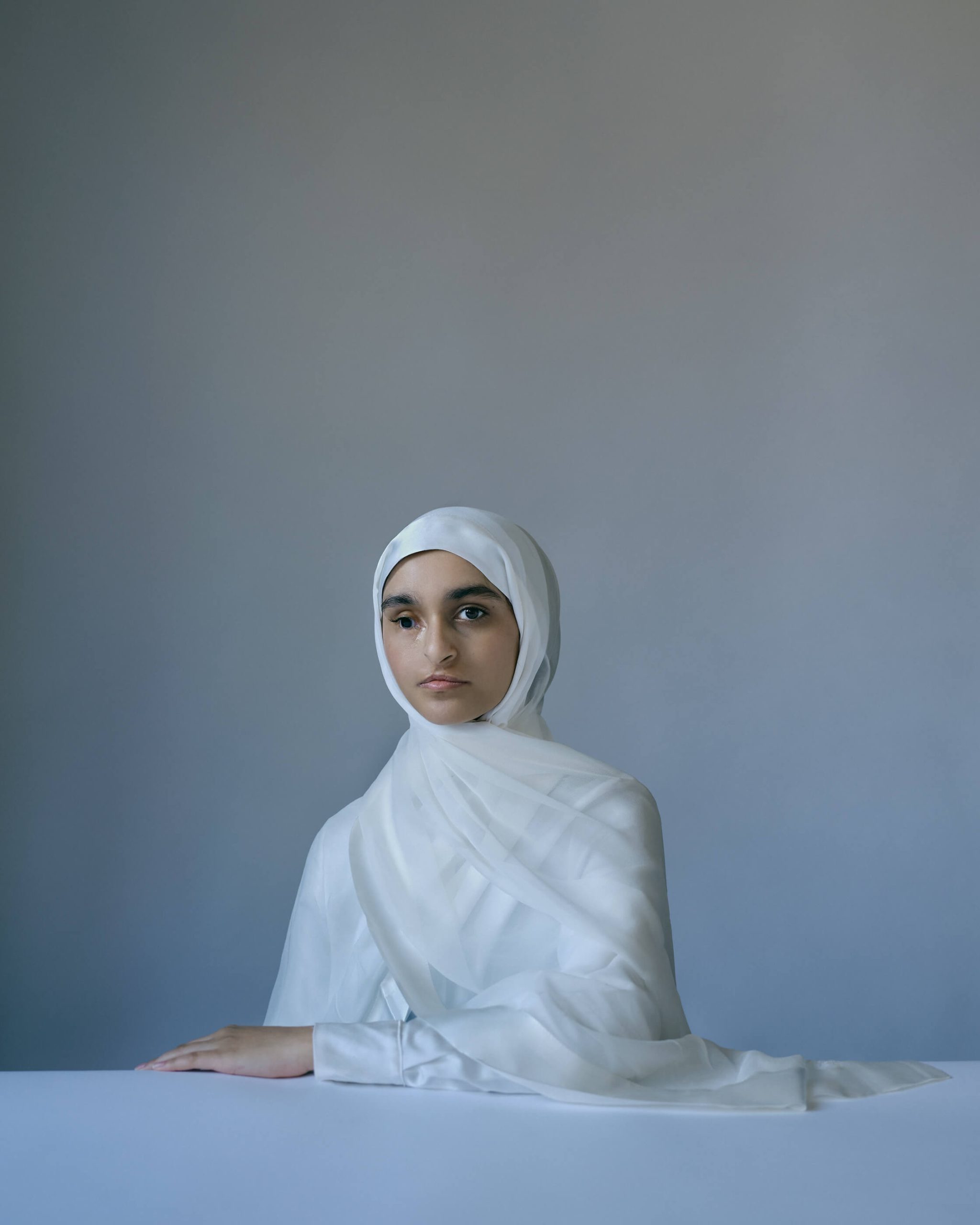
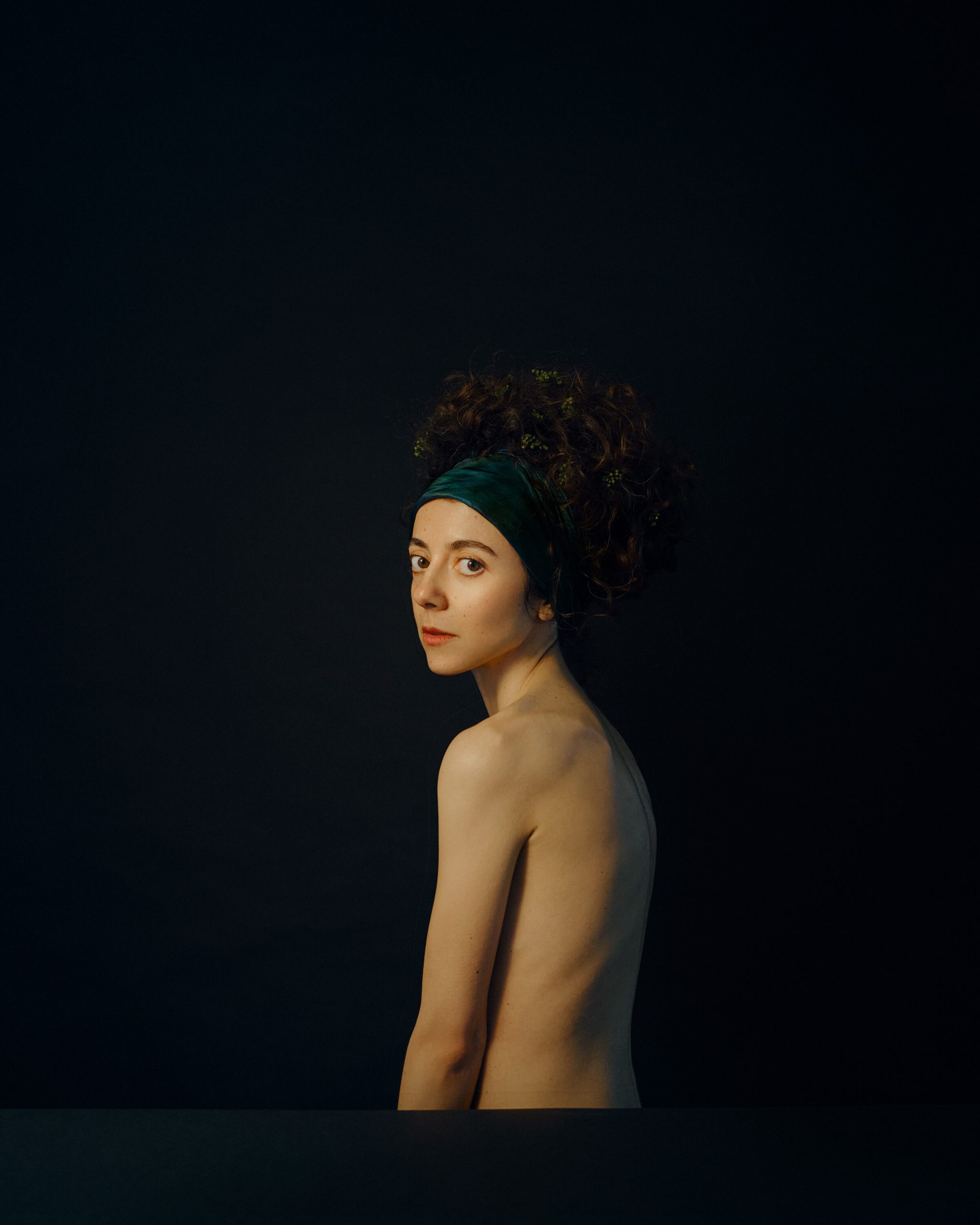
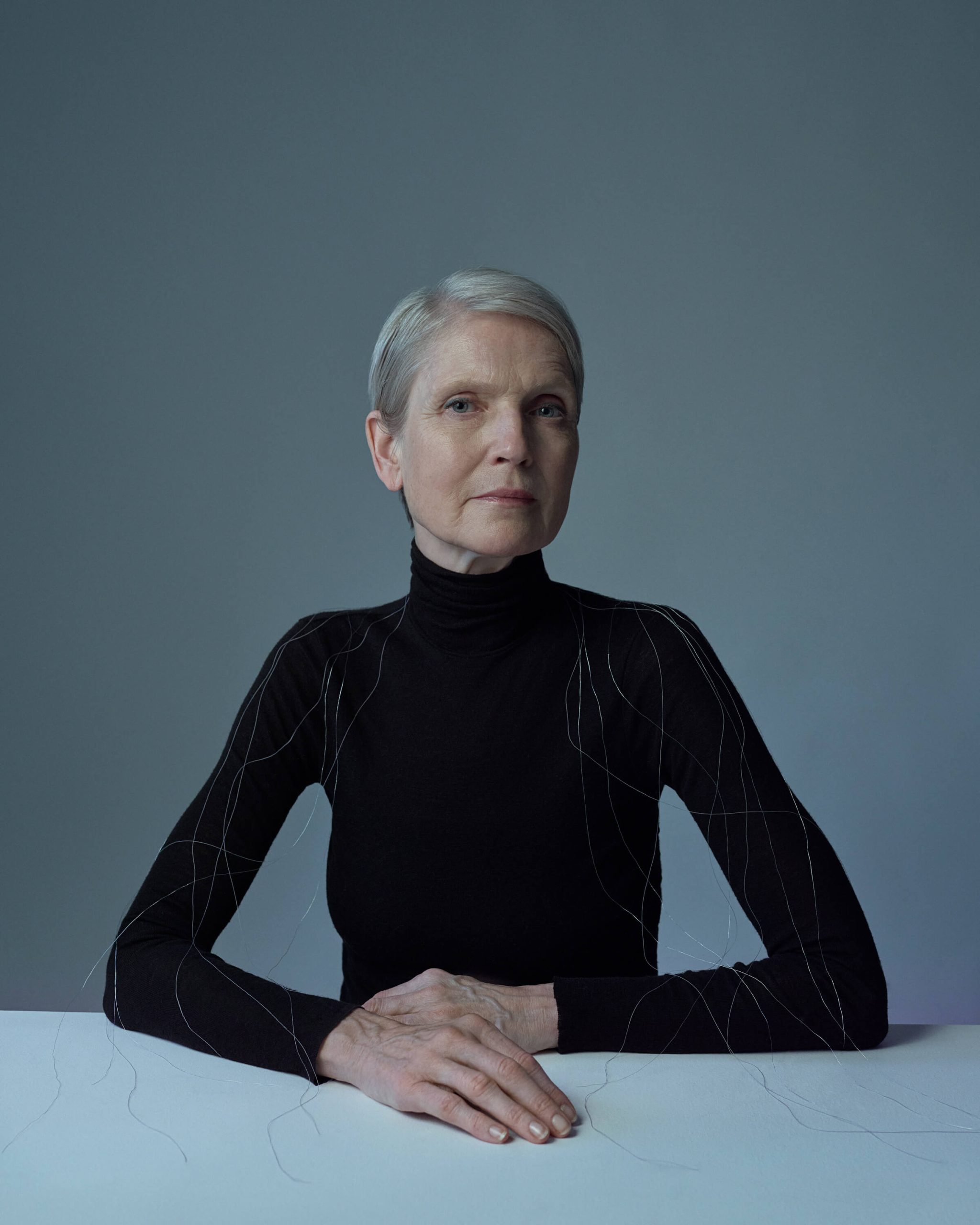
Much of Varaksina’s work focuses on women navigating vulnerability, insecurity, identity, and self-perception. Her portraits are less about documenting a subject than about creating a visual space where emotional states become visible through colour, posture, lighting, and symbolism. Rather than illustrating a literal event, the images suggest an interior condition.

That perspective is especially present in The Essence of Beauty, an ongoing project exploring how conventional beauty standards shape women’s lives. Varaksina photographs women, non-binary, and female-identifying individuals from different backgrounds, including people with disabilities and skin conditions, challenging narrow definitions of beauty while emphasizing individuality and emotional presence.

Kristina Varaksina. Laura
Kristina Varaksina. Lisskulla
Beyond conventional beauty

What makes The Essence of Beauty compelling is the way it avoids easy empowerment narratives. Varaksina is not interested in idealized confidence or simplified positivity. Instead, her portraits leave room for uncertainty, contradiction, and emotional complexity.

She has spoken openly about growing up in post-Soviet Russia during the 1990s, a period when female beauty became closely tied to ideas of value and social mobility. That experience continues to shape her understanding of gender expectations and informs the emotional undercurrent running through much of her work. Photography becomes a way of questioning those inherited pressures rather than simply illustrating them.

The constructed image

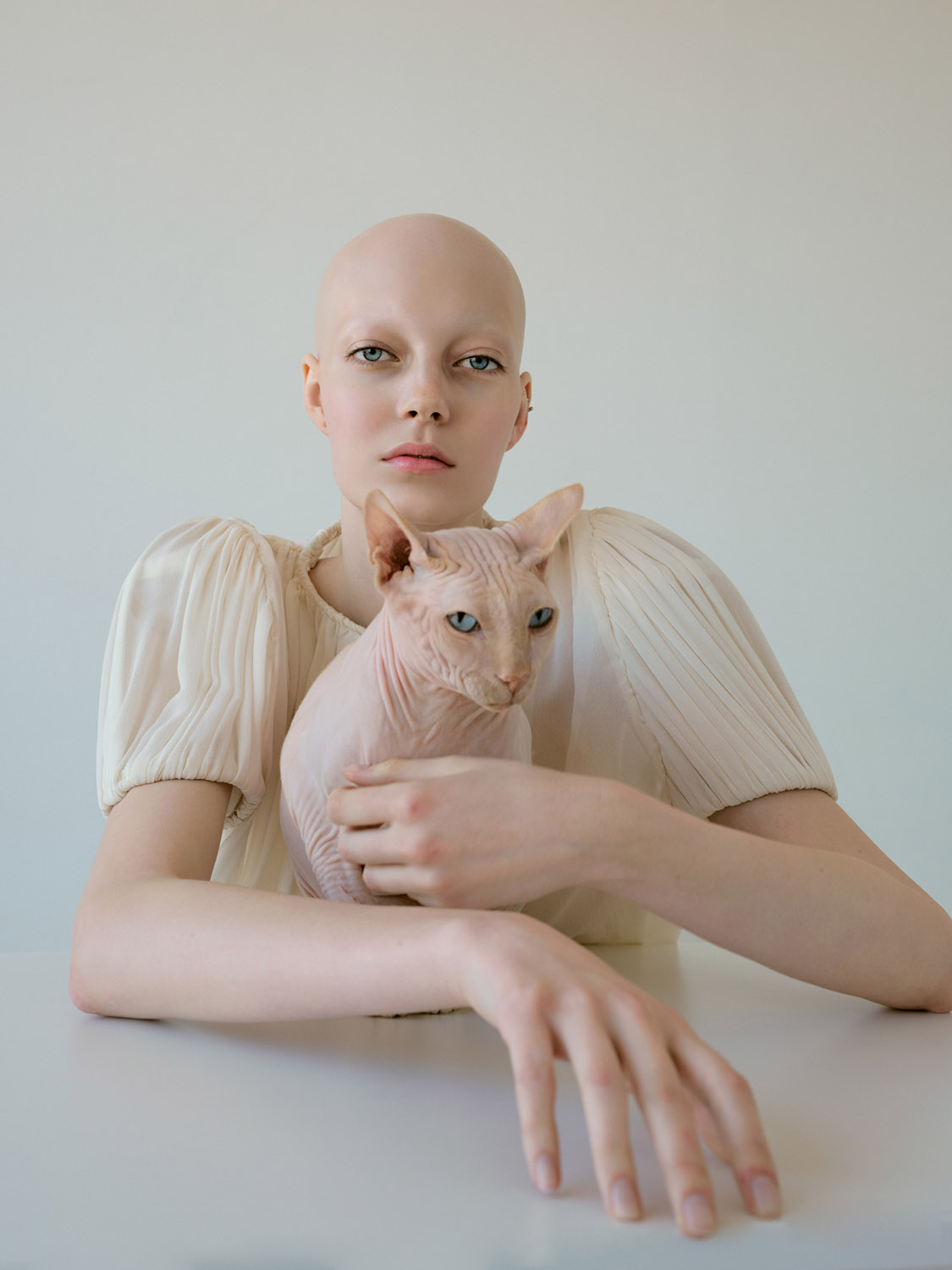
Although her photographs often feel spontaneous, Varaksina’s process is highly deliberate. She builds scenes carefully, using controlled colour palettes, cinematic lighting, and symbolic details to create what she describes as emotional storytelling. The images unfold less like traditional portraits and more like fragments from an unfinished narrative.

That balance between precision and feeling gives the work its distinctive atmosphere. Subjects appear suspended between reality and performance, inhabiting spaces that feel familiar but slightly displaced. The result is a visual language shaped as much by mood as by representation itself.

Kristina Varaksina. Nan
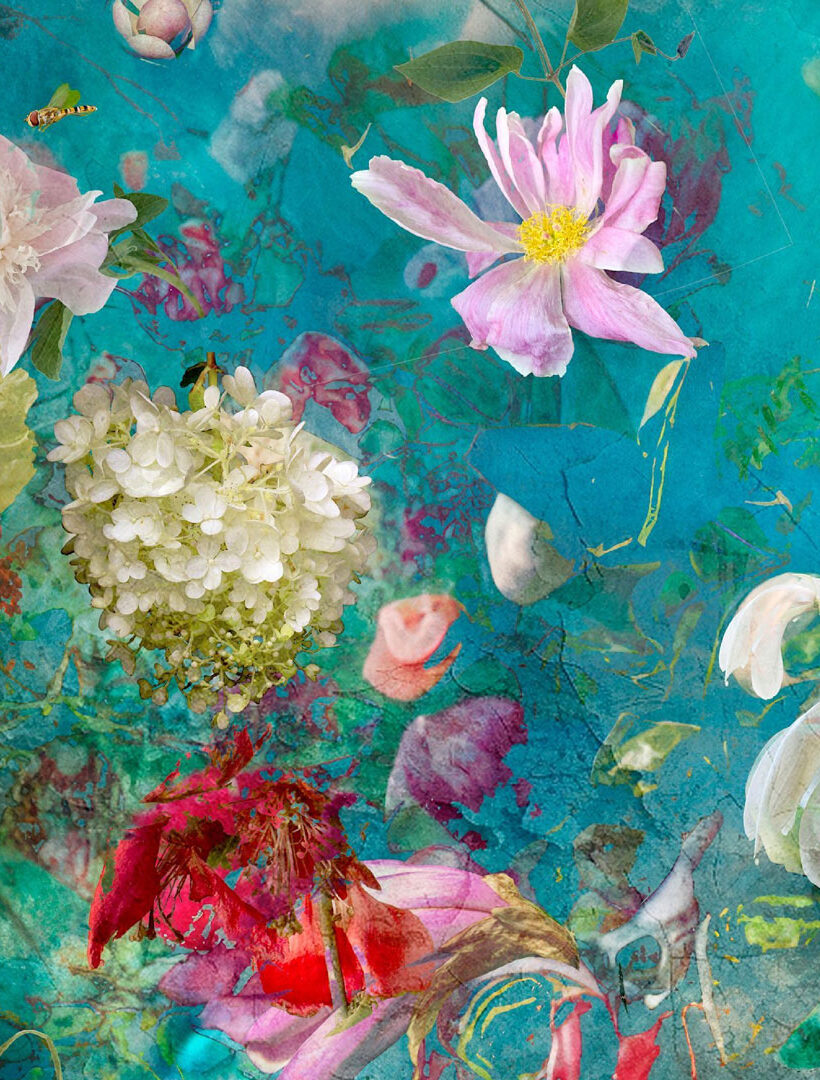
Kristina Varaksina. Sameera
Ordinary people, extraordinary presence

One of the most striking aspects of Varaksina’s work is her commitment to photographing what she calls “ordinary” women. Yet the photographs resist any sense of ordinariness. Through careful staging and emotional attention, her subjects are given a kind of monumental presence rarely afforded to people outside traditional beauty culture.

This approach extends across many of her projects, including self-portraits and socially engaged campaigns. Whether photographing strangers, collaborators, or herself, Varaksina consistently treats portraiture as a form of visibility—an attempt to create space for people who are often overlooked or pressured into invisibility.

A cinema of emotion

There is a distinctly cinematic quality running through Varaksina’s photography, though not in the conventional sense of spectacle or drama. Instead, the images feel like still moments pulled from larger emotional worlds—quiet scenes where tension lingers beneath the surface.

That atmosphere comes partly from her sensitivity to colour and lighting, but also from the emotional openness of her subjects. Even when highly stylized, the photographs remain grounded in recognizable feelings: loneliness, uncertainty, tenderness, self-consciousness, desire. Varaksina’s work reminds us that portraiture can function not only as representation, but as emotional translation.

For more about Kristina Varaksina and her work, visit her official website.

Kristina Varaksina. Yana
Scroll