A Different Kind of Extraordinary
Santina Francesca
Written by Santina Francesca in Spotlight Performing arts

A Different Kind of Extraordinary

One of the most interesting things about Pippin is the freedom it gives theatre companies to create something entirely their own.

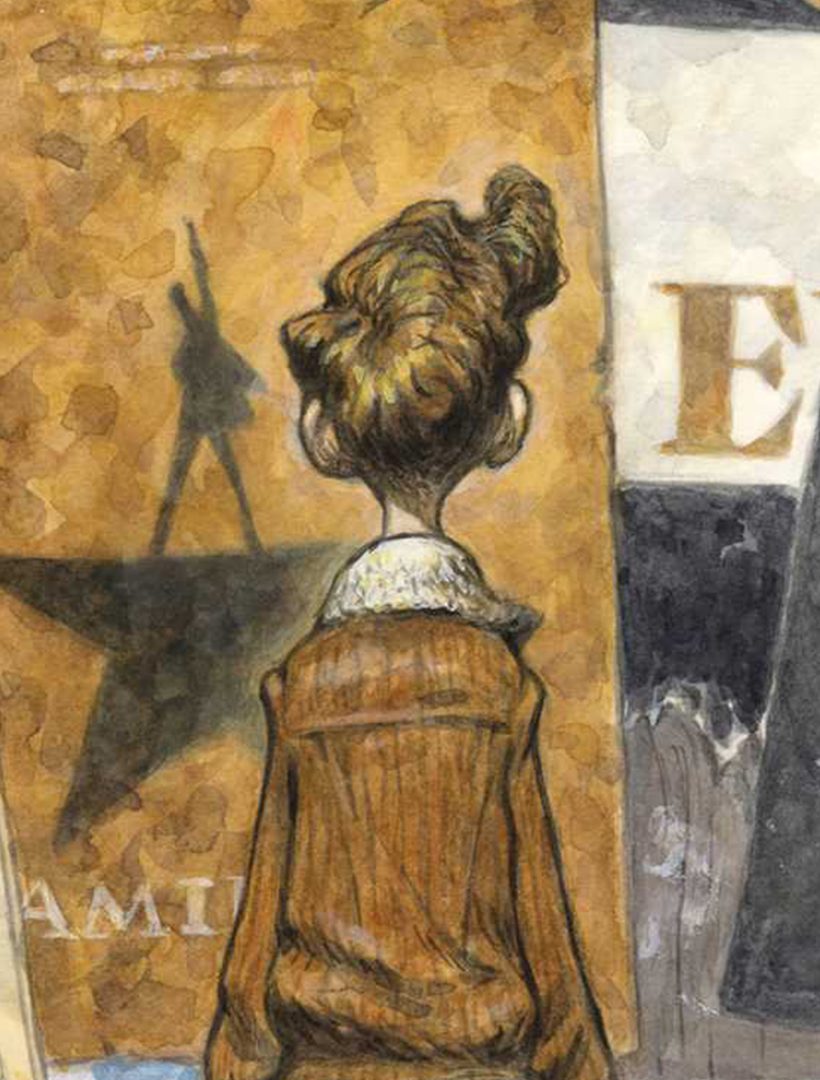
Since opening on Broadway in 1972, the Stephen Schwartz musical has taken on many different forms. The original production, famously directed and choreographed by Bob Fosse, established a distinct theatrical style, while the 2013 Broadway revival introduced the circus-inspired world that many contemporary audiences now associate with the show.
Beyond the Circus

But one of the most interesting things about Pippin is that it doesn’t necessarily have to look that way.

At its core, Pippin is a story about a young man searching for meaning. He tries war, power, love, revolution and an ordinary life, convinced that somewhere out there is the one extraordinary thing that will make him feel fulfilled. Guiding him through that journey are the Players, a mysterious group who seem to know where his story is headed before he does.

That structure leaves a surprising amount of room for interpretation.

A More Ethereal Pippin

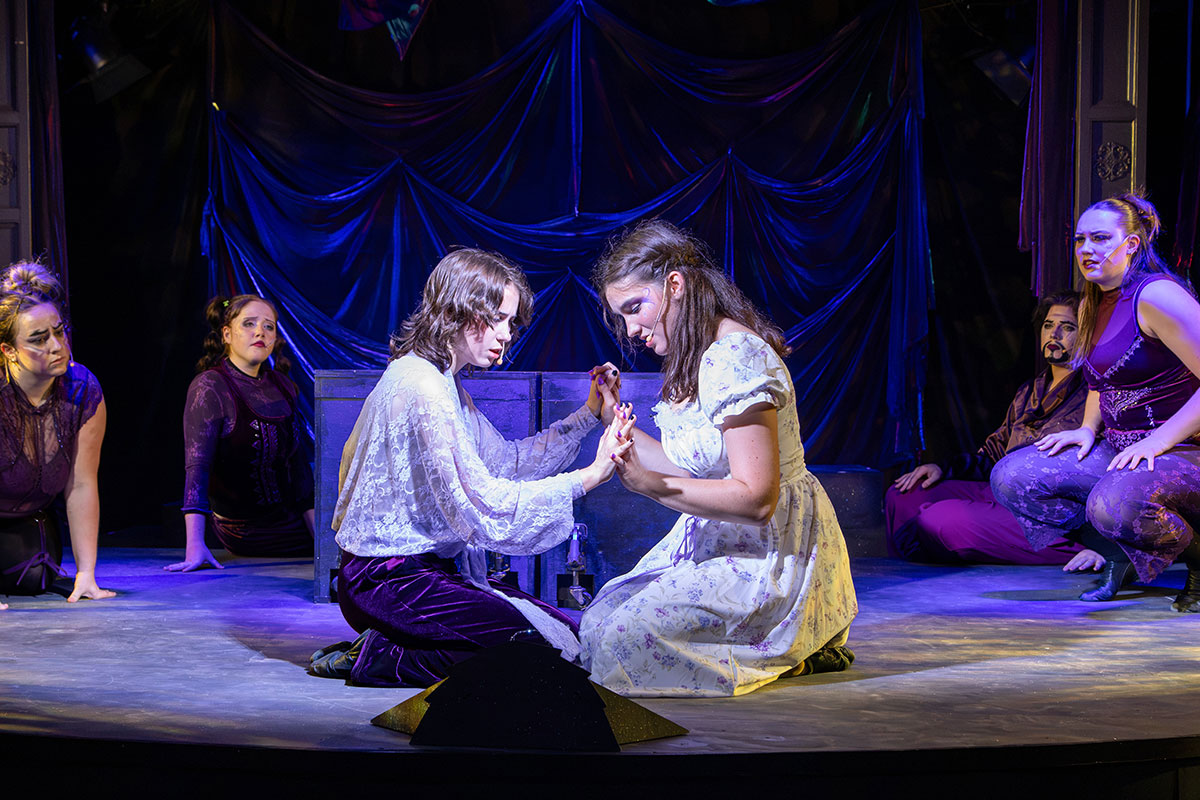
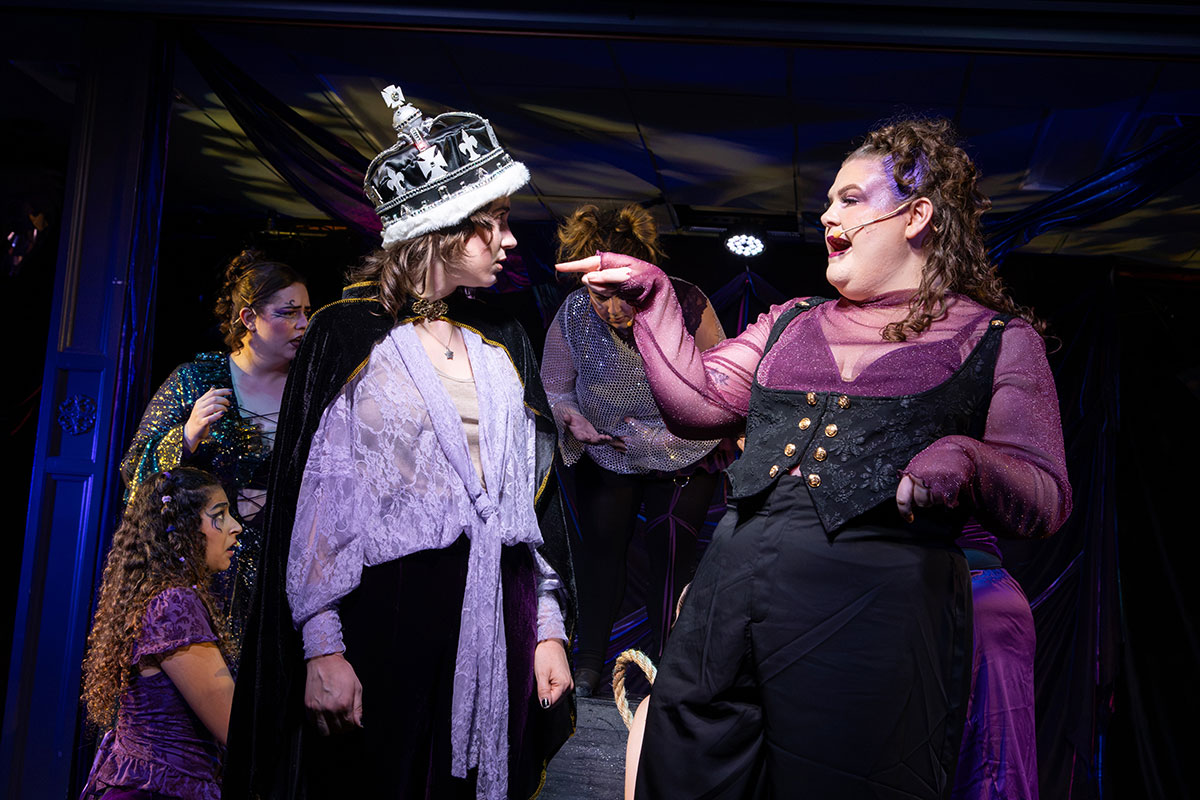
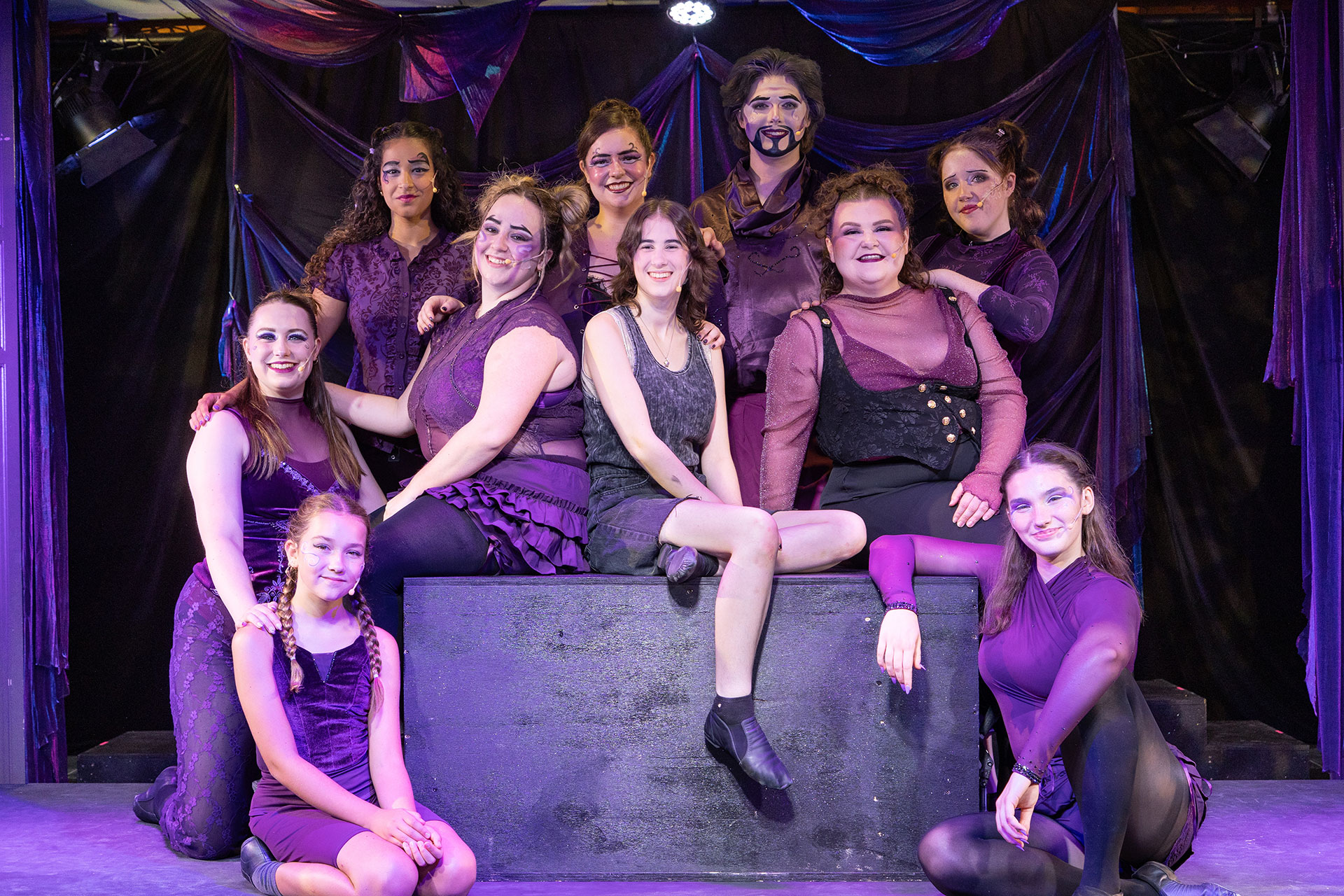
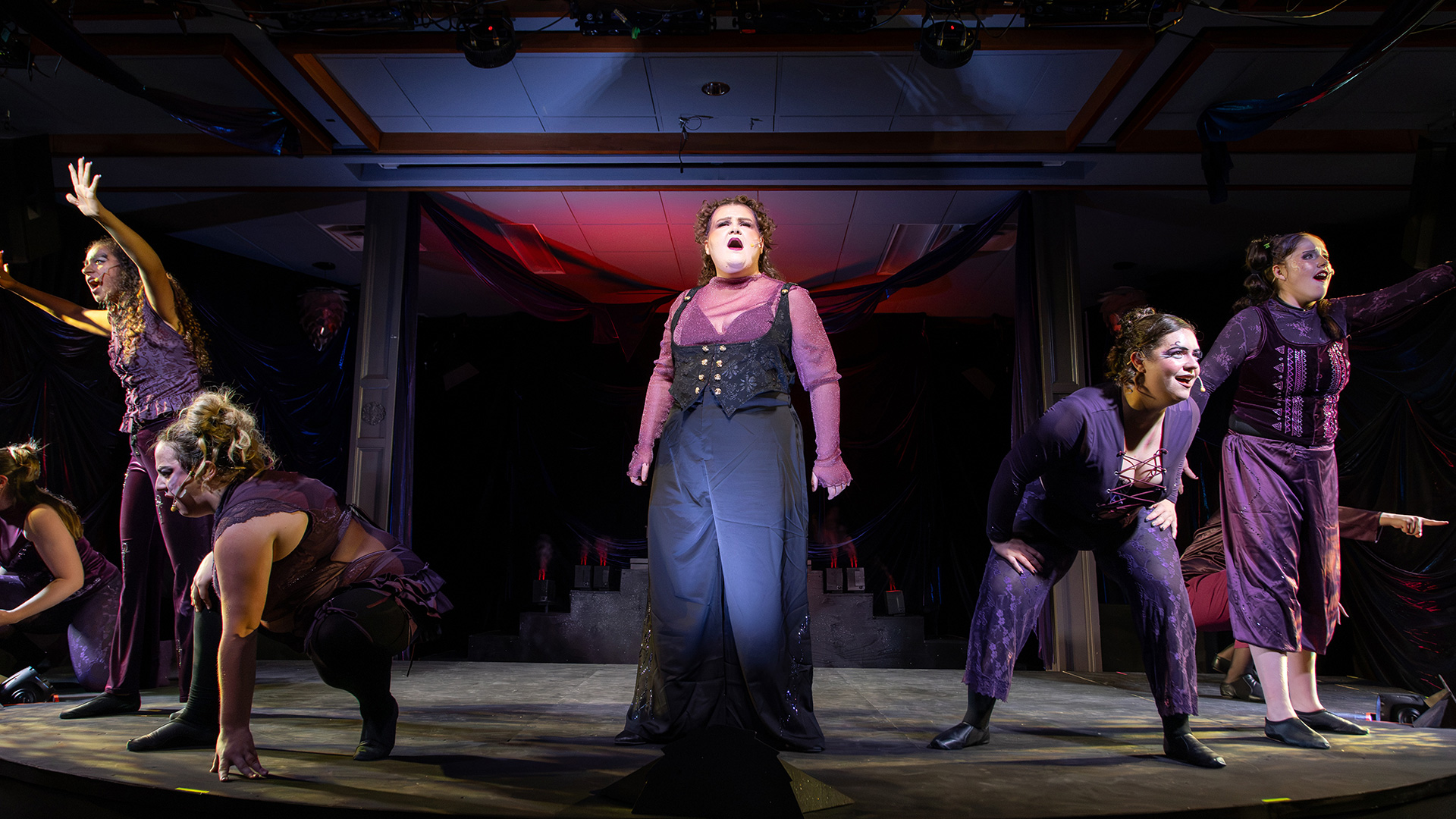
In Curtain Call Performing Arts Company’s current Passion Project production, Pippin has been reimagined with a cast of just 10 performers and a more ethereal, magical approach to the world of the Players.

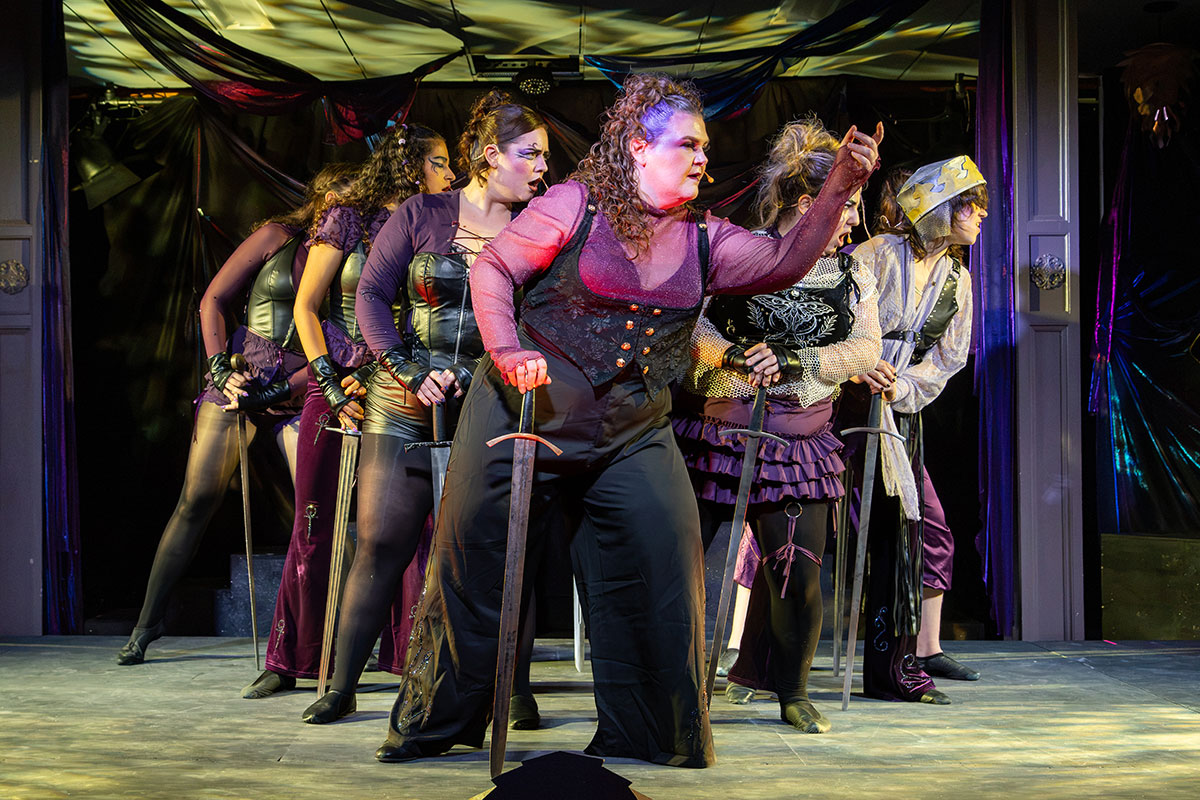
Rather than leaning heavily into the circus aesthetic audiences may associate with the show, Director Danielle Viola establishes the Players as something almost otherworldly. There’s a dreamlike quality to the world they create around Pippin, blurring the line between what is real, what is being performed and just how much control Pippin actually has over the story unfolding around him.

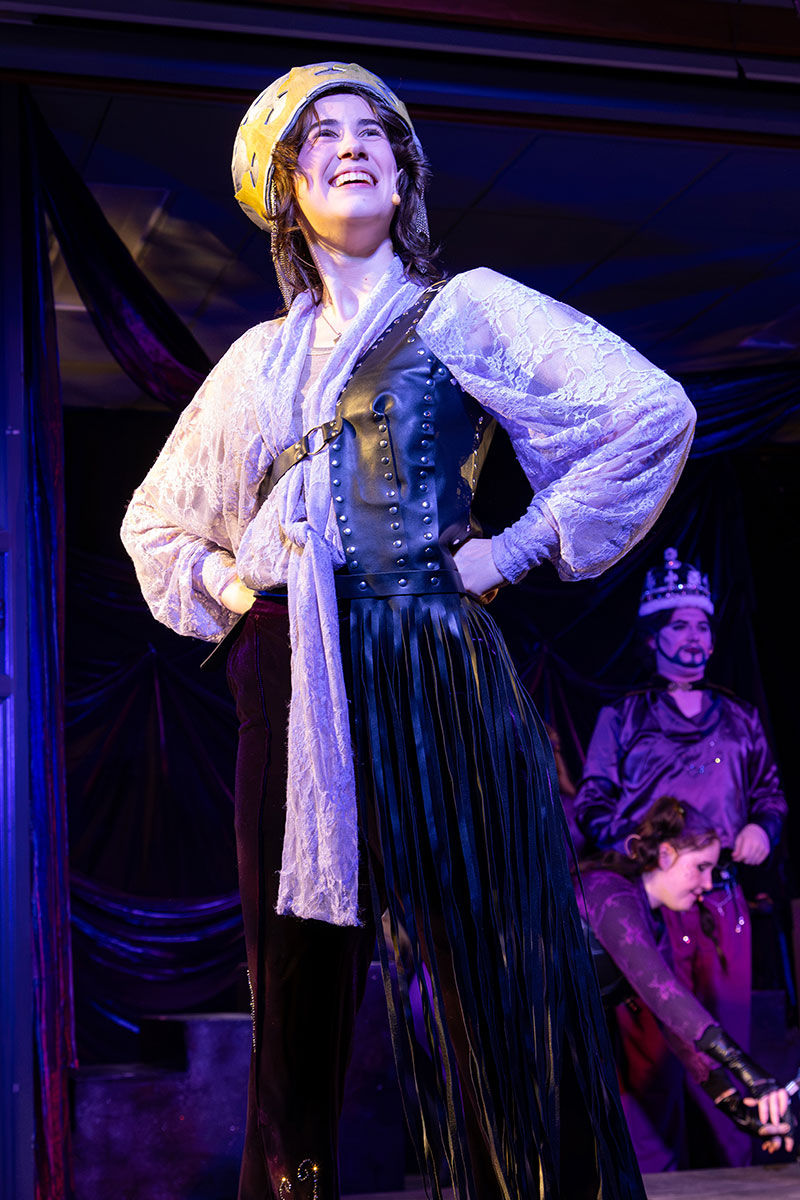
The small cast also changes the relationship between the Players and Pippin. With only 10 performers, there is nowhere for anyone to disappear into the ensemble. Each Player becomes a visible and active part of the world being created, often transforming from one character to another as Pippin moves through different stages of his journey.

Bringing the Audience Closer

Then there is the space itself.

Performed at The Gasworks in Hamilton, the space has been transformed, thanks to Technical Director Zachary Viola, into an intimate theatre setting with a curved stage that brings the audience close to the action. Instead of watching the Players create Pippin’s world from a distance, audiences are invited into it from the moment they enter the theatre. And for a show like Pippin, that closeness matters.

The musical has always played with the relationship between performer and audience. The Players know they are performing. They speak directly to them, acknowledge and, at times, make them complicit in what is happening onstage. In a smaller space, that fourth wall becomes even thinner.

What Makes a Life Extraordinary?

More than 50 years after Pippin first opened on Broadway, perhaps that is part of what keeps the show so interesting to revisit. Its central question remains recognizable: What makes a life extraordinary?

But the world surrounding that question can continue to change.

Sometimes, creating something extraordinary doesn’t require making it bigger. Sometimes, the magic is in bringing everyone a little closer.

To experience the magic for yourself, final performances of CCPAC’s Pippin run August 19th – 21st at The Gasworks in Hamilton.

Visit for more information:

Pippin Tickets | Curtain Call PAC

Scroll