Benjamin Von Wong Turns Art Into Environmental Action
Zoë Marin
Written by Zoë Marin in Beyond the Frame Art & Design Photography

Benjamin Von Wong Turns Art Into Environmental Action

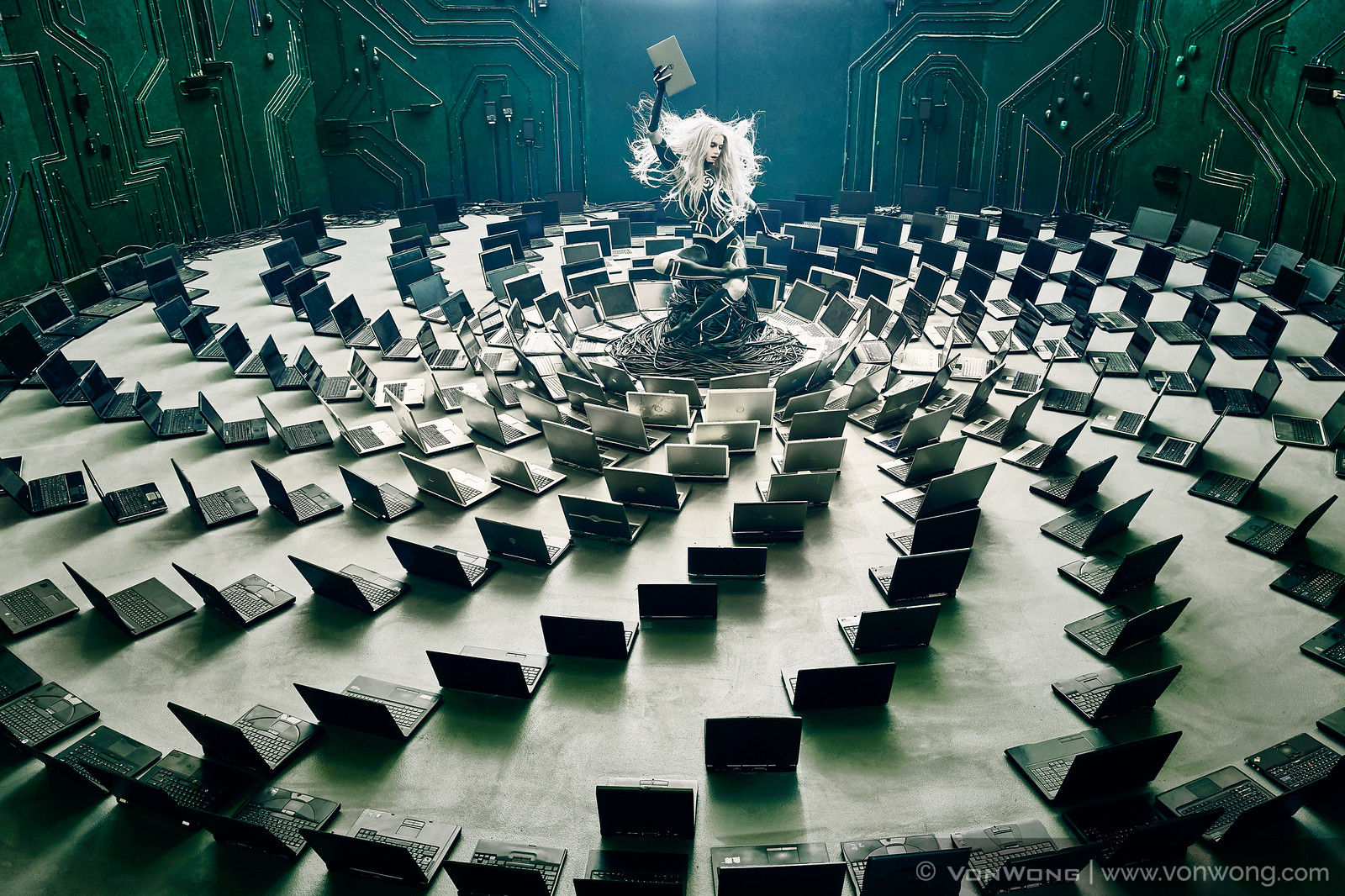
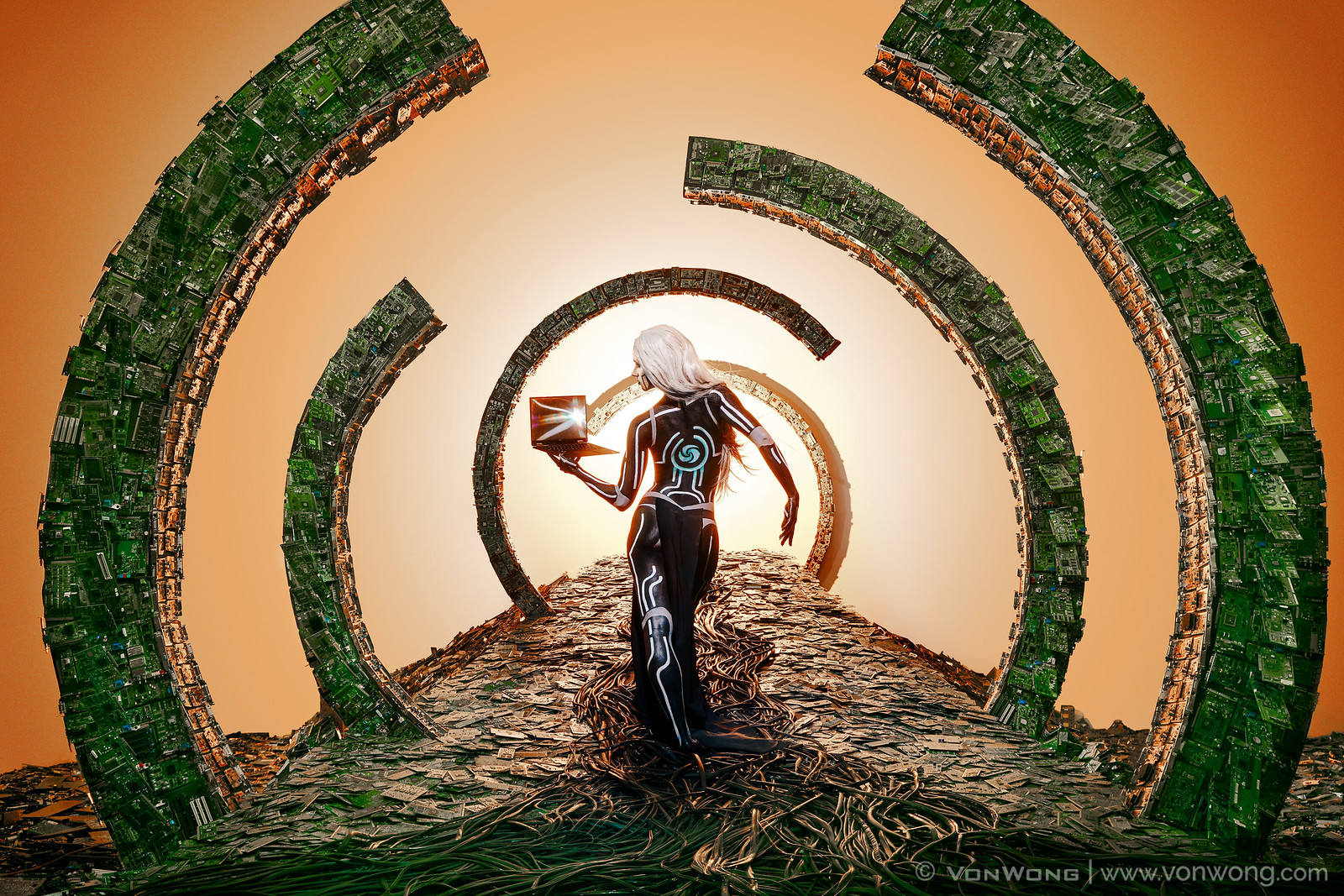
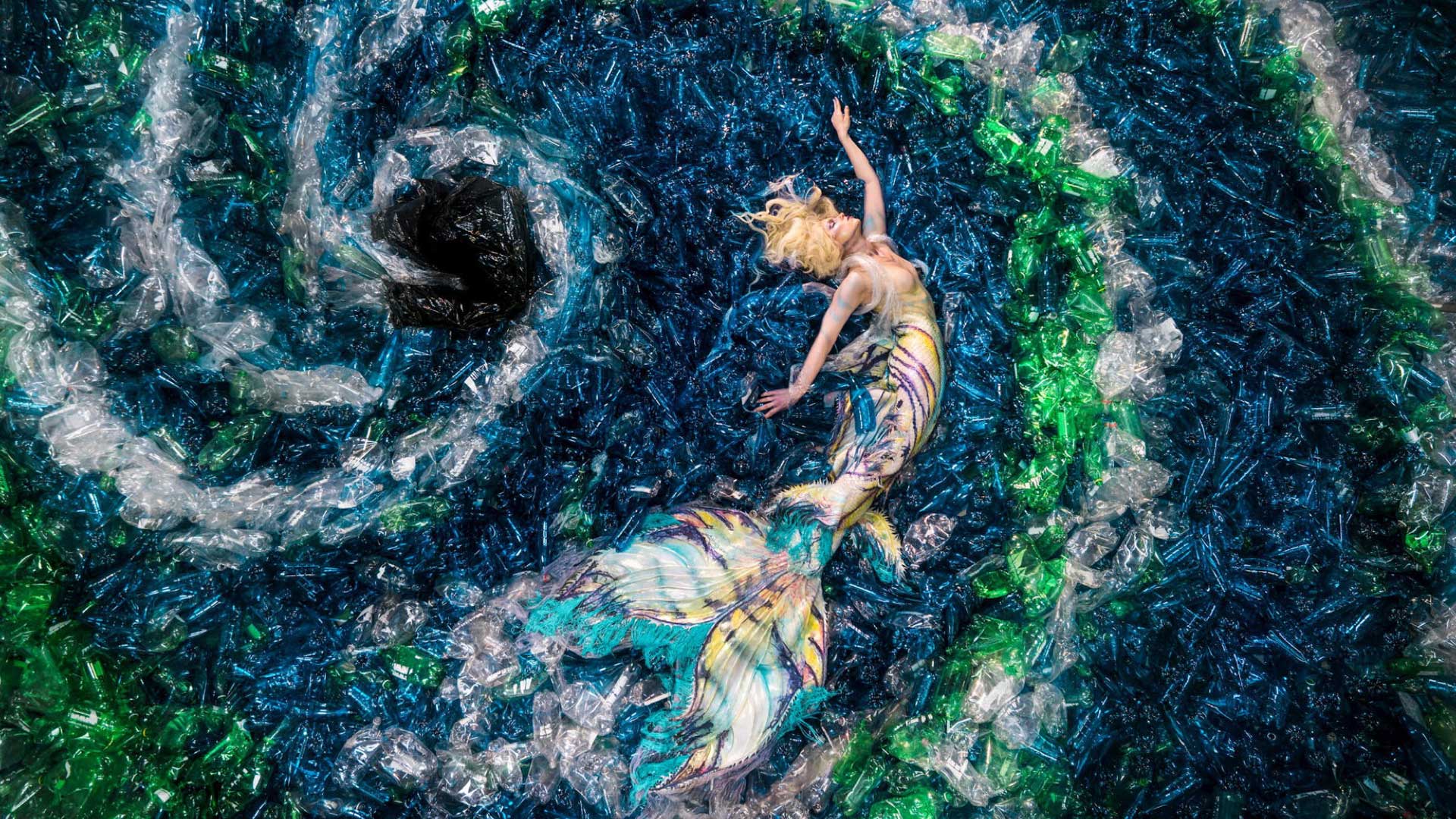
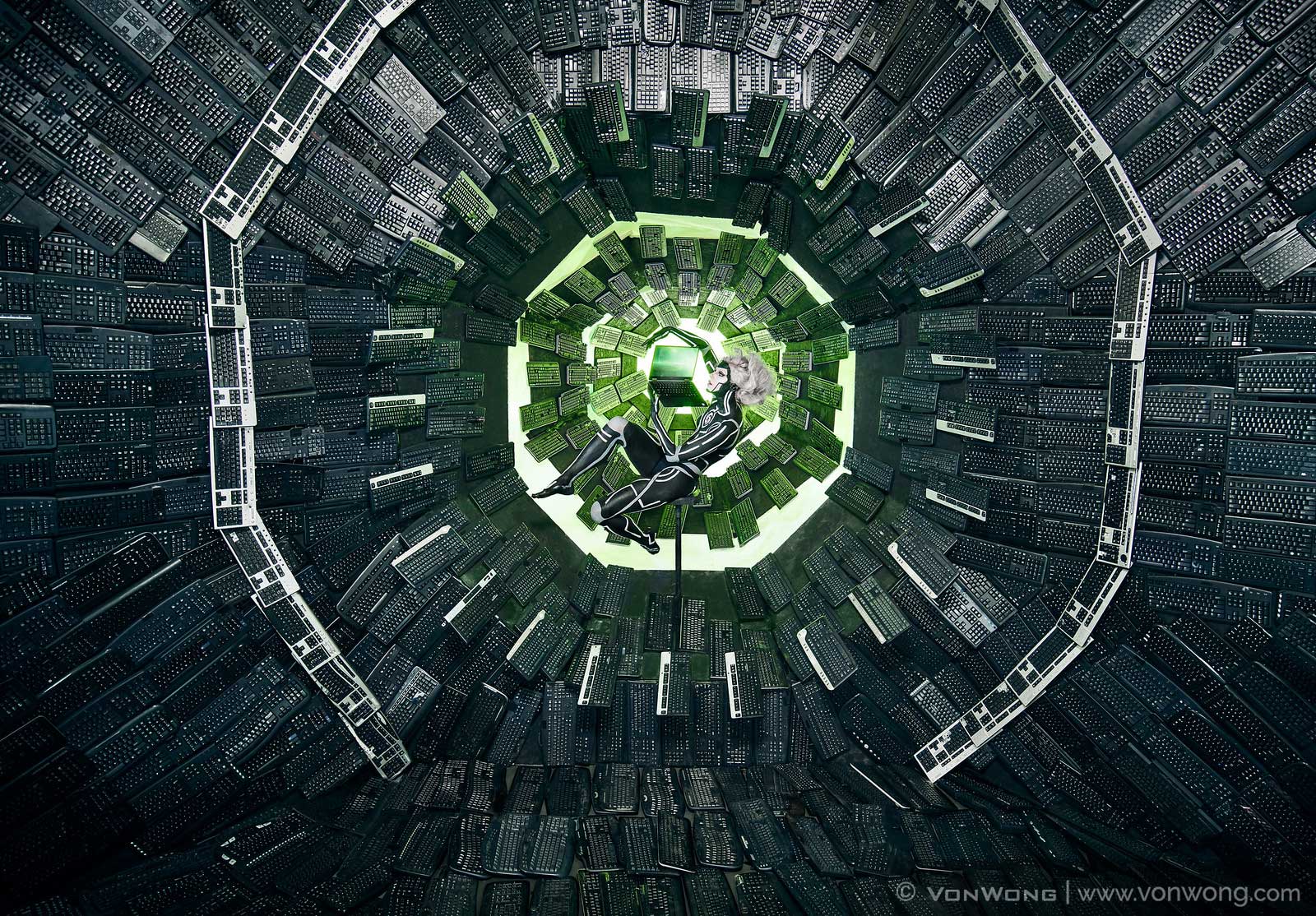
Transforming discarded waste into impossible, surreal installations, Benjamin Von Wong turns global environmental crises into unforgettable visual spectacles. Giant waves of discarded plastic straws, floating faucets pouring oceans of waste, and mountains of electronic junk transformed into monumental sculptures are carefully designed experiences that force viewers to reconsider the impact of everyday choices.

The Canadian artist, photographer, and activist has become a leading voice in environmental art, translating complex crises into unforgettable imagery. Trained as an engineer before teaching himself photography, Von Wong combines technical precision with imaginative storytelling to prove visual art can be both breathtaking and purposeful.
Engineering Wonder

Before becoming an internationally recognized artist, Benjamin Von Wong worked as an engineer—a background that still shapes his approach. Instead of beginning with aesthetics, he starts by analyzing a problem, searching for overlooked perspectives, and designing installations that communicate ideas in seconds.

His turning point came in 2016, when he shifted from fantasy photography toward work with a stronger social purpose. As he engaged with scientists, activists, and researchers, his elaborate visual style found a new mission: making environmental issues impossible to ignore.

Benjamin Von Wong
Benjamin Von Wong
Turning Waste Into Symbols

Among Von Wong’s most influential works is Turn Off The Plastic Tap, a monumental floating faucet suspended above a cascading stream of discarded plastic. The installation transformed a familiar environmental slogan into a striking visual metaphor, urging audiences to prioritize reducing plastic production over relying solely on recycling.

Every detail reinforced its message: the enormous faucet was built from reclaimed ventilation ducts, while the flowing plastics were tied with ropes woven from recycled bottles. The result felt magical at first glance, yet revealed an uncomfortable reality upon closer inspection.

Creating Experiences That Stay With You

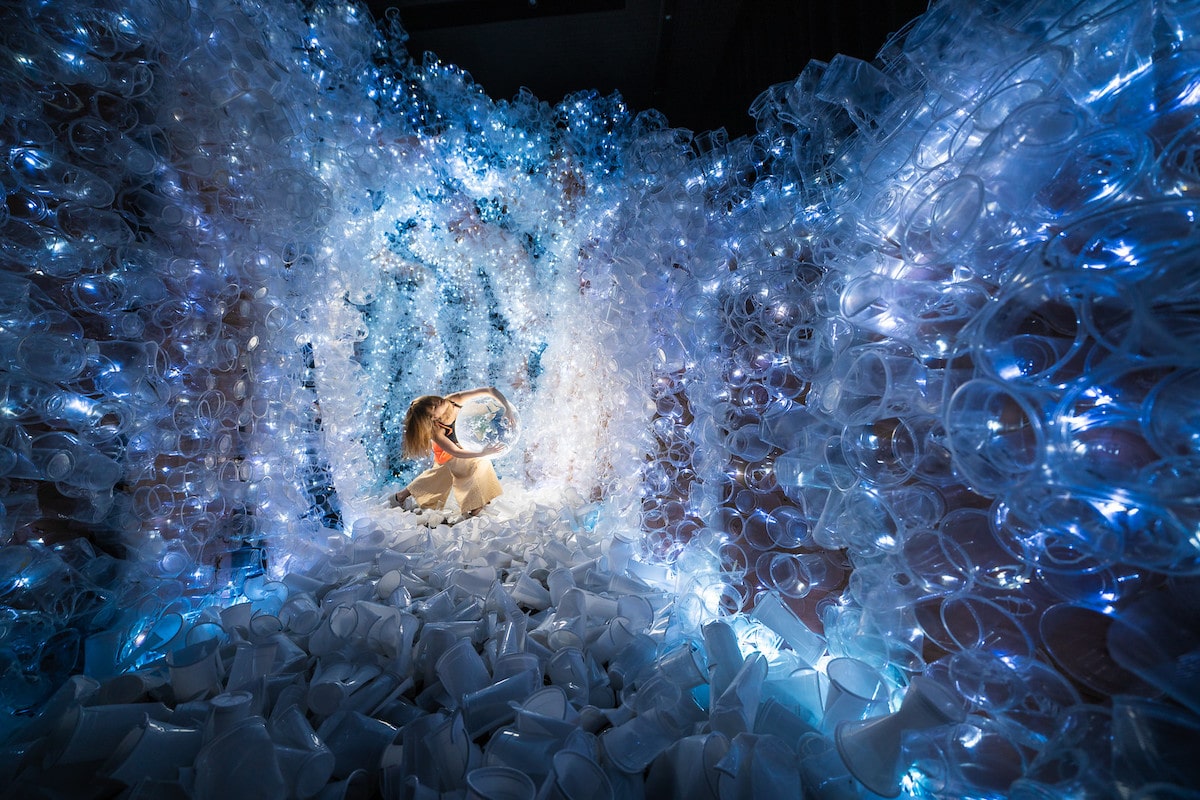
Beauty plays a strategic role in Von Wong’s work. Rather than presenting pollution strictly through grim statistics, he creates immersive environments that spark curiosity before revealing their deeper meaning. Installations like Plastikophobia, built from thousands of disposable cups collected in Singapore, deliberately blur the line between attraction and discomfort.

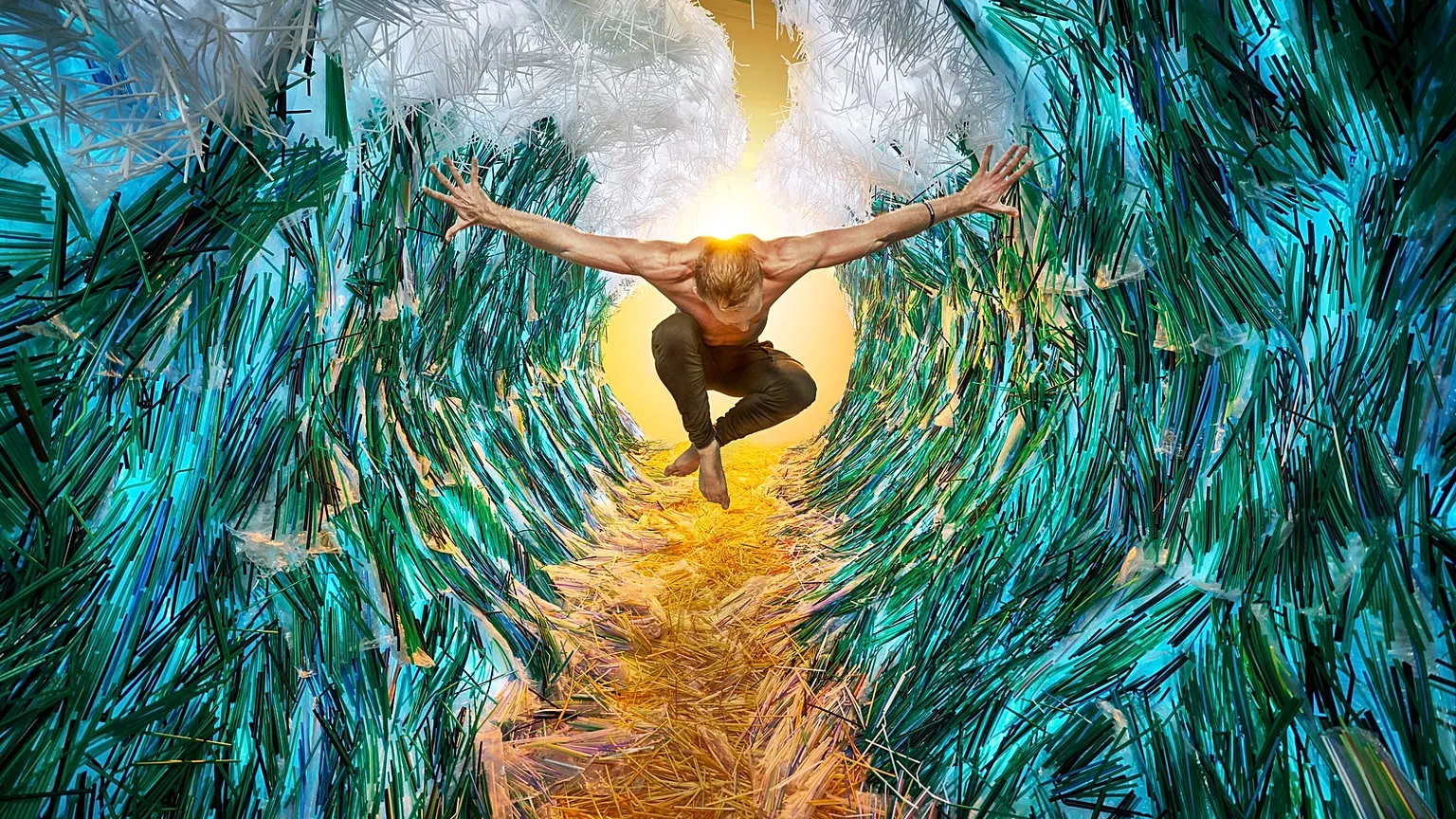
His record-breaking Strawpocalypse pushed that philosophy further. Constructed from 168,037 recycled plastic straws, the massive wave became the largest sculpture of its kind, earning a Guinness World Record. Visitors walked through a symbolic “parting of the plastic sea,” experiencing firsthand how discarded materials can become powerful storytelling tools.

Benjamin Von Wong
Benjamin Von Wong
Collaboration As Creative Fuel

Although his name is attached to these ambitious installations, Von Wong emphasizes that none are created alone. Environmental organizations, volunteers, engineers, divers, and local communities all contribute to bringing his vision to life. For him, collaboration is not an addition to the creative process—it is the process.

That spirit also shapes his technically demanding photographic projects, such as descending thirty meters into Mexico’s Angelita underwater sinkhole. Surrounded by a layer of hydrogen sulfide that mimics an underwater river, his team produced a surreal image of a traditional Chinese cormorant fisherman through months of planning, custom lighting, and precise coordination.

Von Wong’s influence extends well beyond galleries. His visual campaigns have supported organizations like Greenpeace, Nike, Starbucks, and Dell, generating over one hundred million organic views and reaching audiences that traditional reports rarely capture.

Ultimately, his greatest achievement is reminding us that art can do more than decorate a wall. By simplifying overwhelming problems and inspiring meaningful action without sacrificing imagination, Benjamin Von Wong proves that creativity becomes infinitely more powerful when it serves something larger than itself.

Benjamin Von Wong
Scroll