The Poetry of Everyday Life Through Vivian Maier’s Photography
Zoë Marin
Written by Zoë Marin in Beyond the Frame Photography

The Poetry of Everyday Life Through Vivian Maier’s Photography

Cities reveal themselves in fleeting moments. A passing glance, an unexpected gesture, a reflection in a shop window, or the quiet rhythm of people moving through familiar streets can disappear almost as quickly as they arrive. Vivian Maier spent decades paying attention to those moments, creating photographs that transformed ordinary life into something quietly extraordinary.

Born in New York City in 1926 and raised between the United States and France, Maier worked for most of her life as a nanny while photographing tirelessly during her free time. Carrying her Rolleiflex camera through the streets of Chicago and New York, she built an extraordinary archive of more than 100,000 negatives. Yet she rarely exhibited her work, leaving behind one of photography’s most remarkable bodies of work almost entirely unseen during her lifetime.
A quiet observer

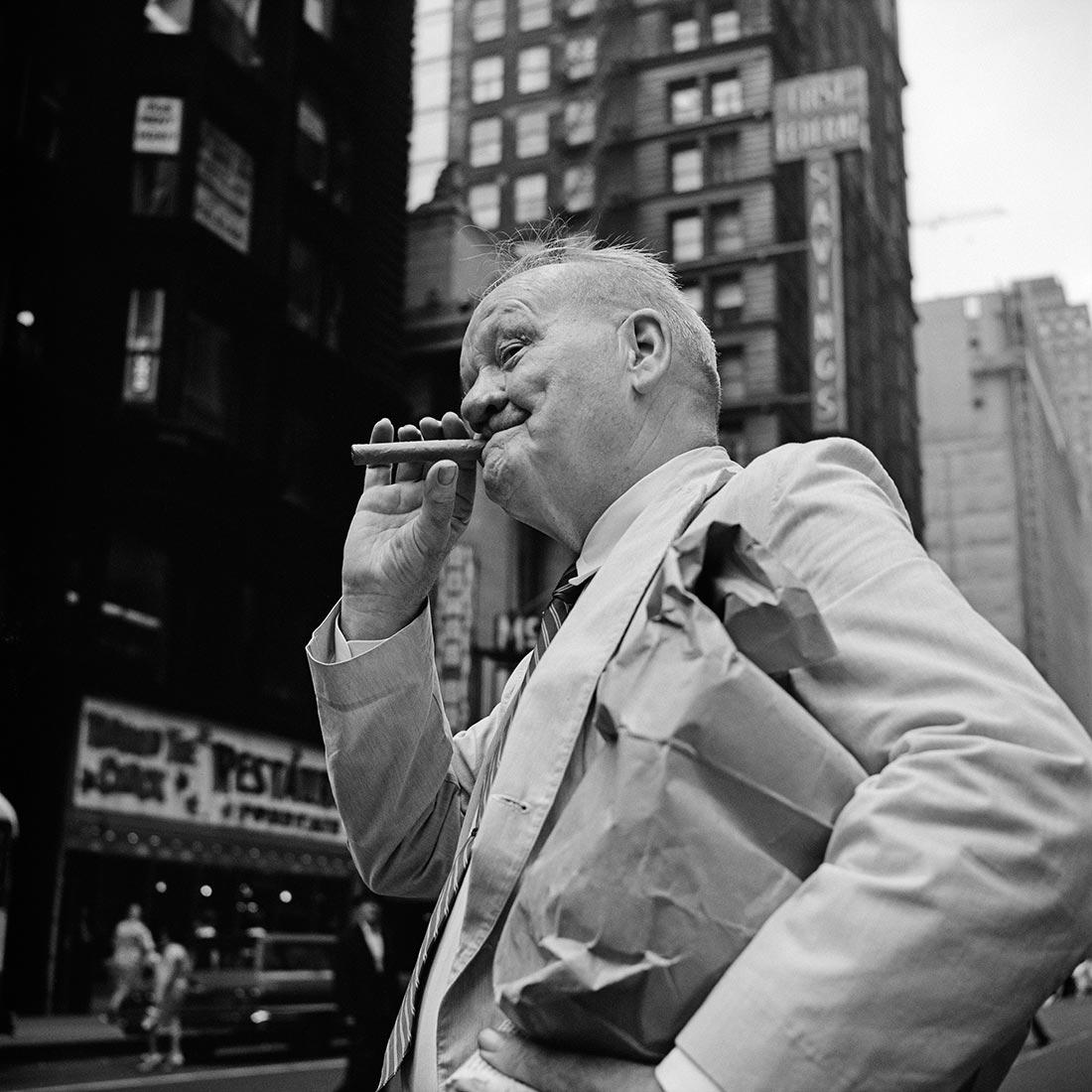
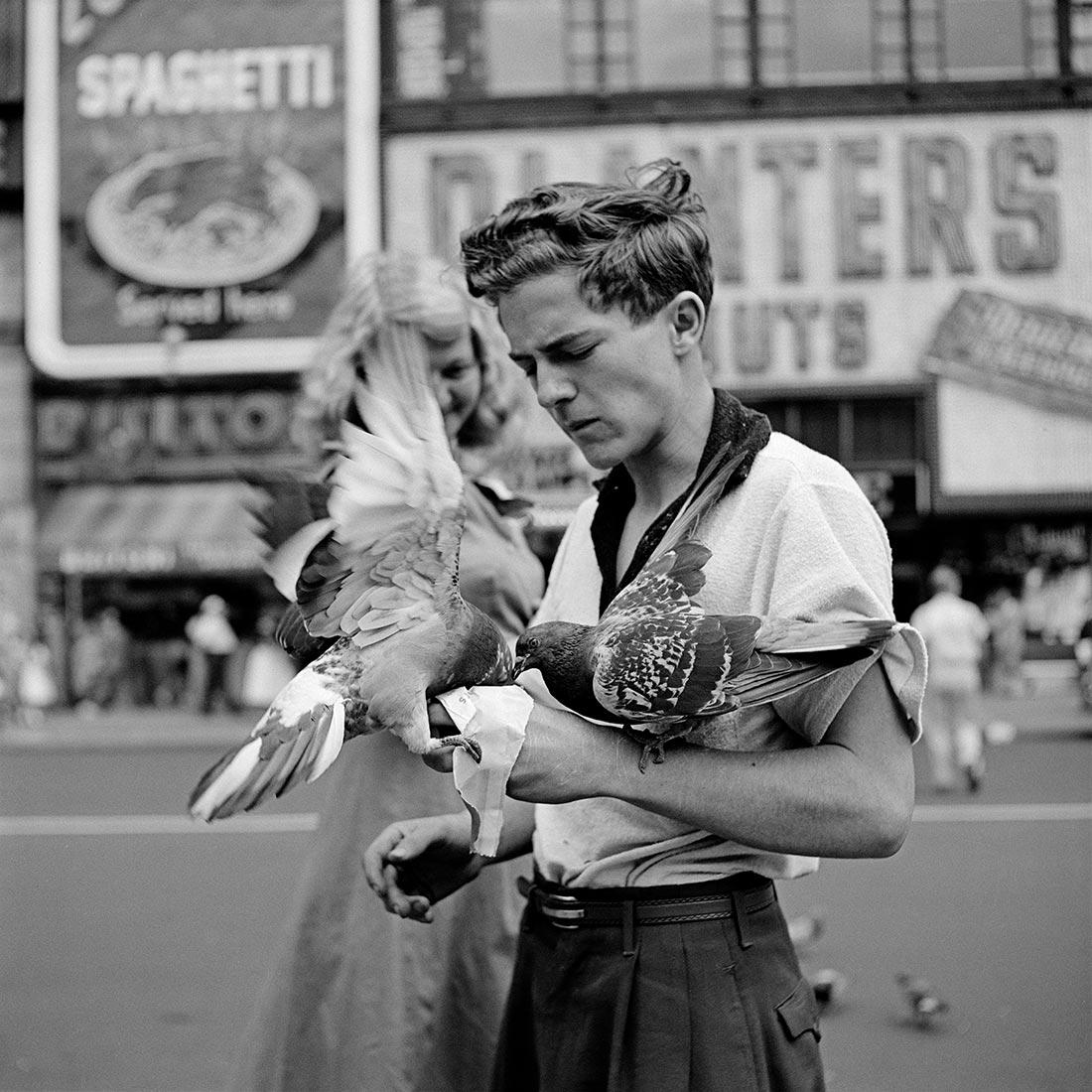
Maier photographed without seeking attention for herself. Instead, she immersed herself in the flow of everyday life, capturing strangers, children, workers, shopkeepers, and passersby with remarkable sensitivity. Her images feel spontaneous, yet they reveal an exceptional instinct for timing, composition, and human expression.

Much of that perspective came from the Rolleiflex itself. Held at waist level rather than raised to the eye, the camera allowed Maier to photograph with a sense of intimacy that feels both direct and unobtrusive. Consequently, her subjects often appear natural, absorbed in their own thoughts rather than performing for the lens.

Vivian Maier. New York, NY
Vivian Maier. March 18, 1955. New York, NY
Finding poetry in ordinary streets

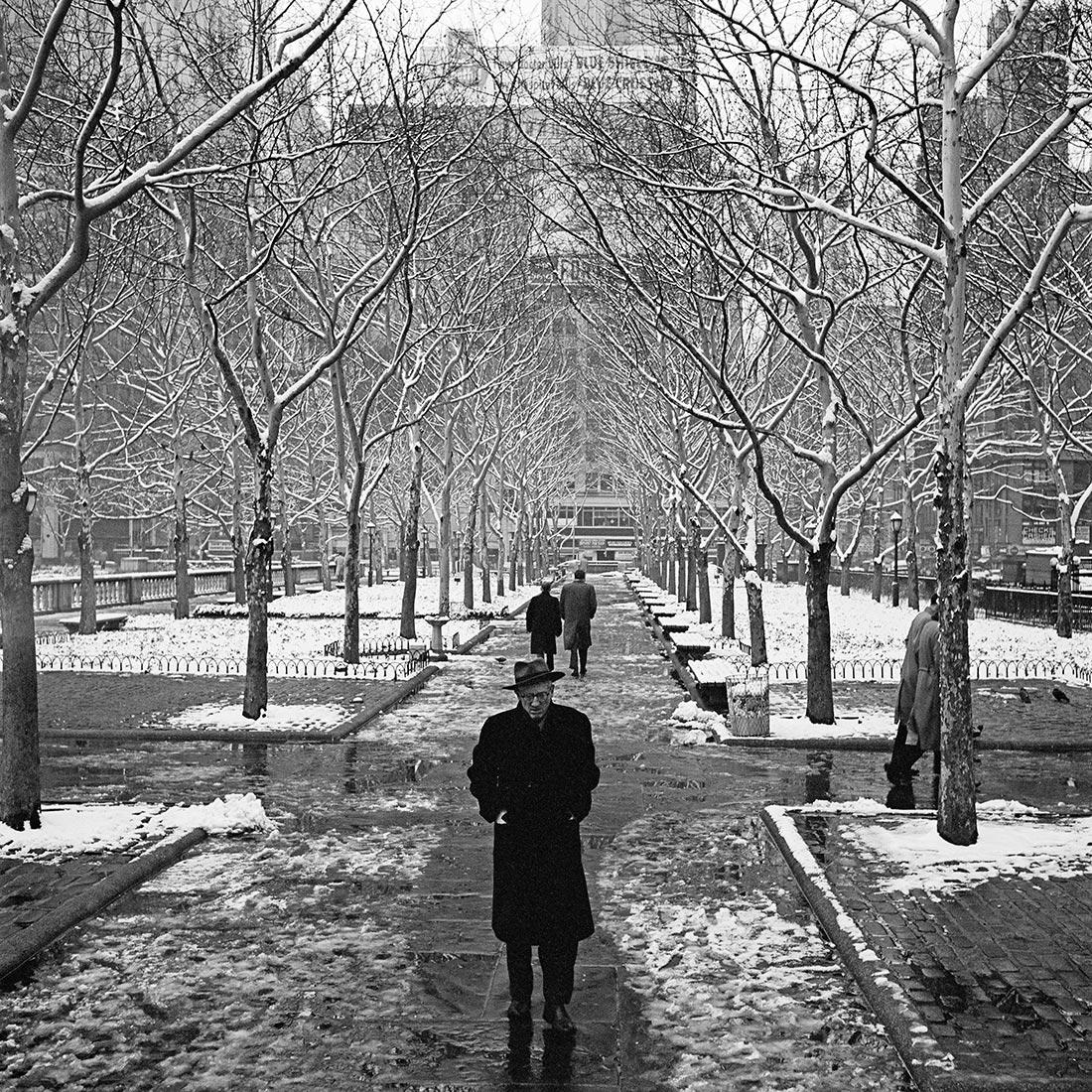
Although Maier is often described as a street photographer, her work extends beyond simple documentation. She was fascinated by reflections, shadows, architectural forms, and unexpected visual relationships that transformed familiar places into carefully balanced compositions.

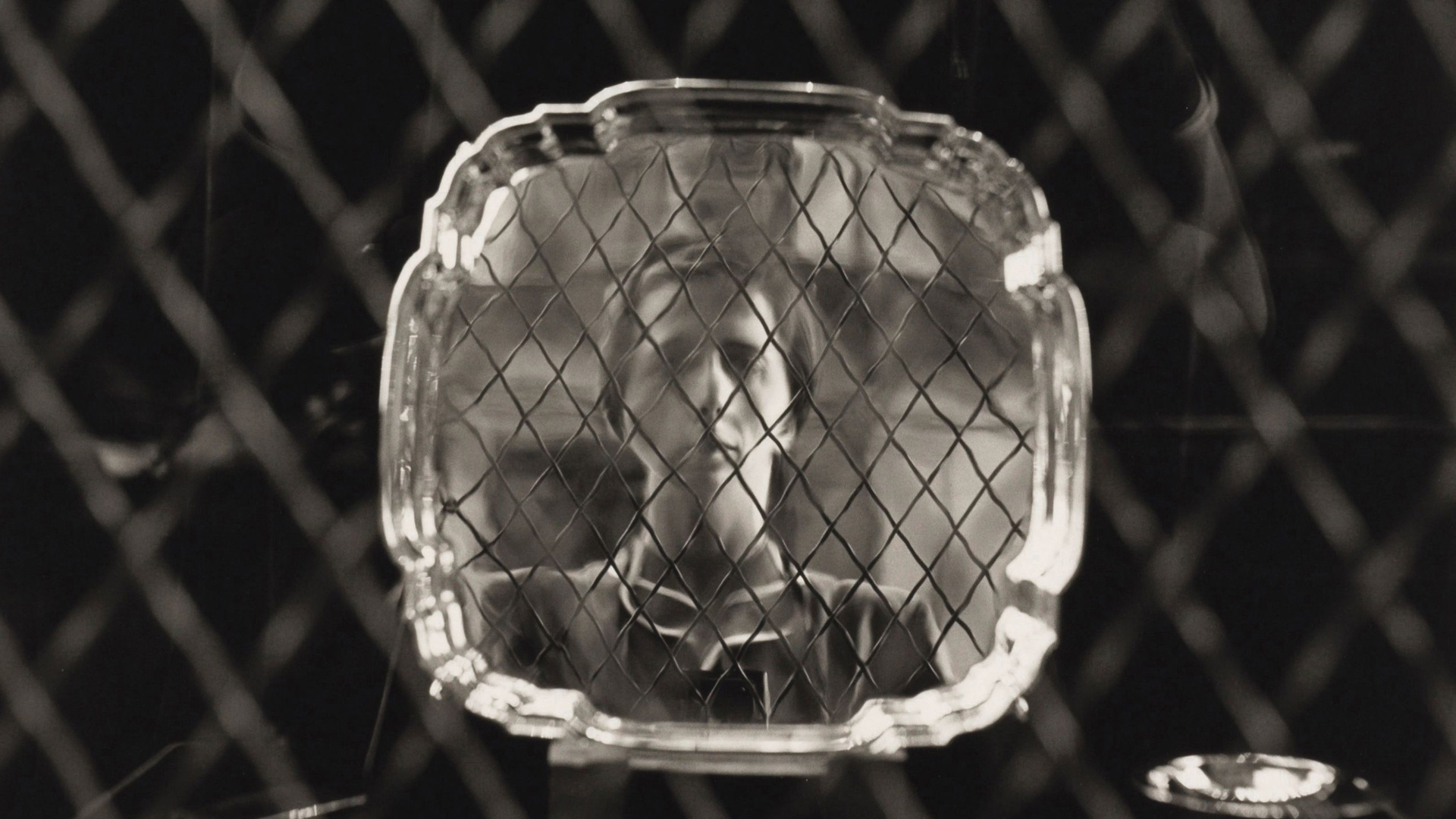
Her celebrated self-portraits reveal this curiosity particularly well. Rather than presenting straightforward likenesses, Maier frequently appears through mirrors, windows, puddles, or elongated shadows cast across city streets. These images feel playful and mysterious at once, suggesting an artist who preferred to explore identity indirectly rather than place herself at the centre of the frame.

An archive rediscovered

Vivian Maier’s photographs remained largely unknown until 2007, when boxes containing her negatives were purchased at a Chicago auction after unpaid storage fees. Among those who acquired part of the archive was historian and collector John Maloof, whose growing appreciation for the work eventually introduced Maier’s photographs to audiences around the world.

The discovery sparked exhibitions, books, documentaries, and museum acquisitions that continue to shape Maier’s legacy today. We recently explored one of those publications, Vivian Maier Developed, in our From the Shelf program. Meanwhile, her posthumous recognition continues to raise thoughtful questions about artistic intention, privacy, and the ethics of exhibiting work that its creator never chose to publish.

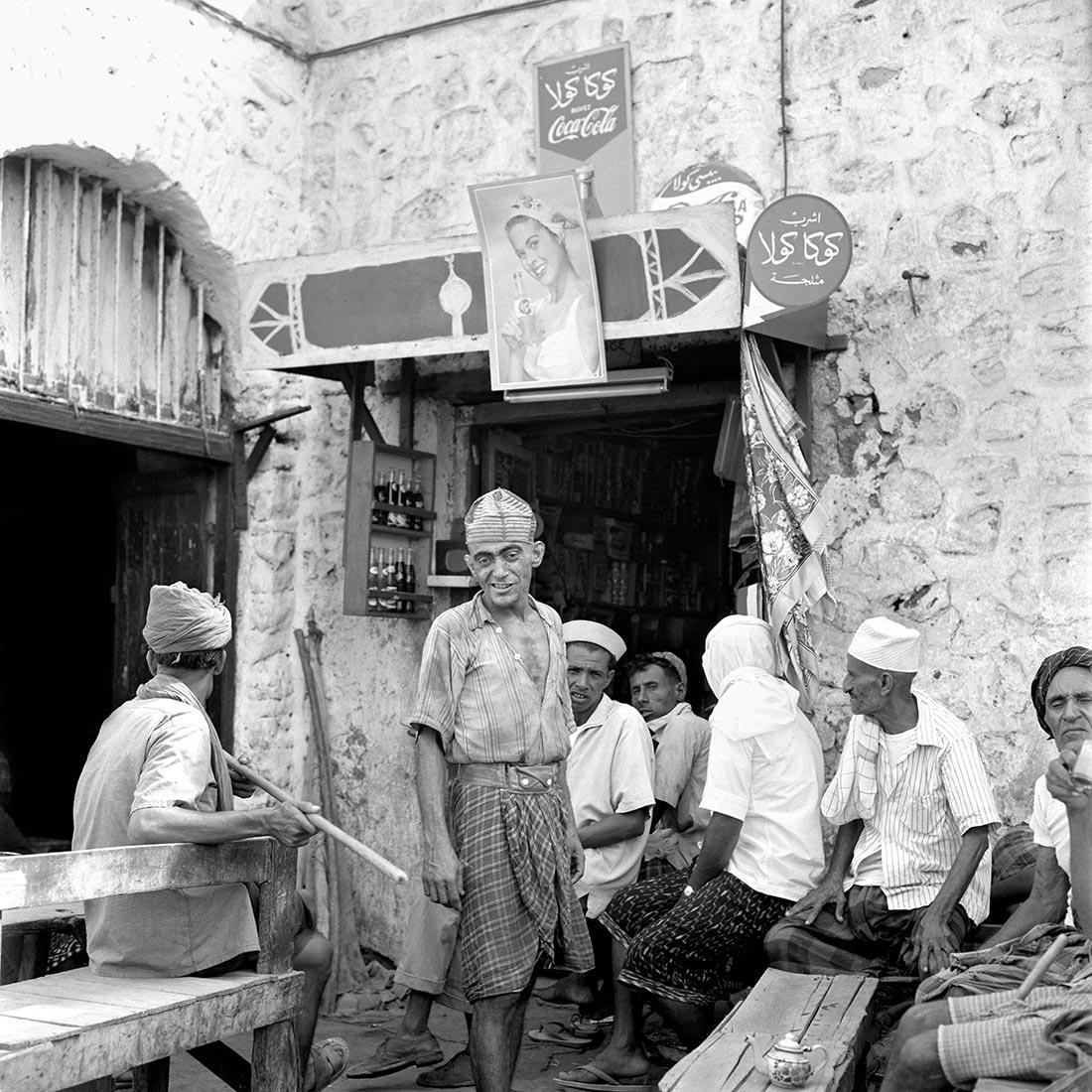
Vivian Maier. Chicago, IL
Vivian Maier. July 10, 1959. Aden, Yemen
Beyond the mystery

It is easy to become captivated by the extraordinary story surrounding Maier’s archive. However, the photographs themselves continue to hold our attention for a simpler reason: they remain profoundly human. Children play, couples argue, strangers laugh, and solitary figures drift through city streets with a quiet dignity that feels as immediate today as it did decades ago.

That emotional clarity reflects Maier’s remarkable patience as an observer. Rather than chasing dramatic events, she trusted that everyday life already contained enough complexity, humour, tenderness, and contradiction to reward those willing to look closely.

Today, Vivian Maier occupies a unique place within the history of photography. Her work continues to inspire photographers not because of the mystery surrounding her life, but because of the extraordinary care with which she observed the ordinary. Every frame suggests that attention itself can be a creative act.

Perhaps that is why her photographs continue to resonate so deeply. They remind us that remarkable images do not always depend on extraordinary subjects. Sometimes they begin with a patient eye, an open curiosity, and a willingness to notice the quiet stories unfolding all around us, long before anyone else thinks to look.

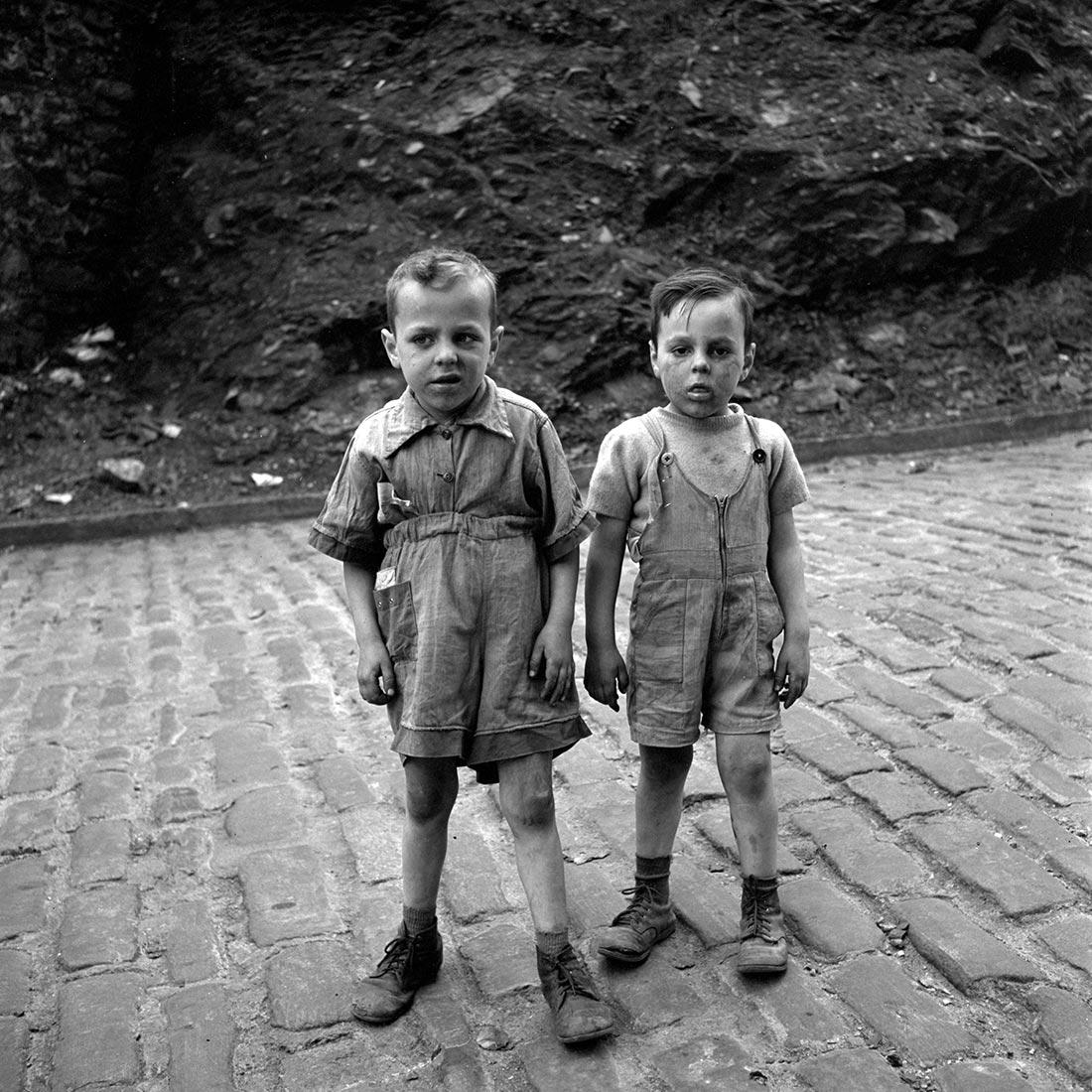
Vivian Maier. Canada
Scroll