
Neil Peart finds the Road Back with Ghost Rider
Lila Monroe
Written by Lila Monroe in From the Shelf Book Review Music

Neil Peart finds the Road Back with Ghost Rider

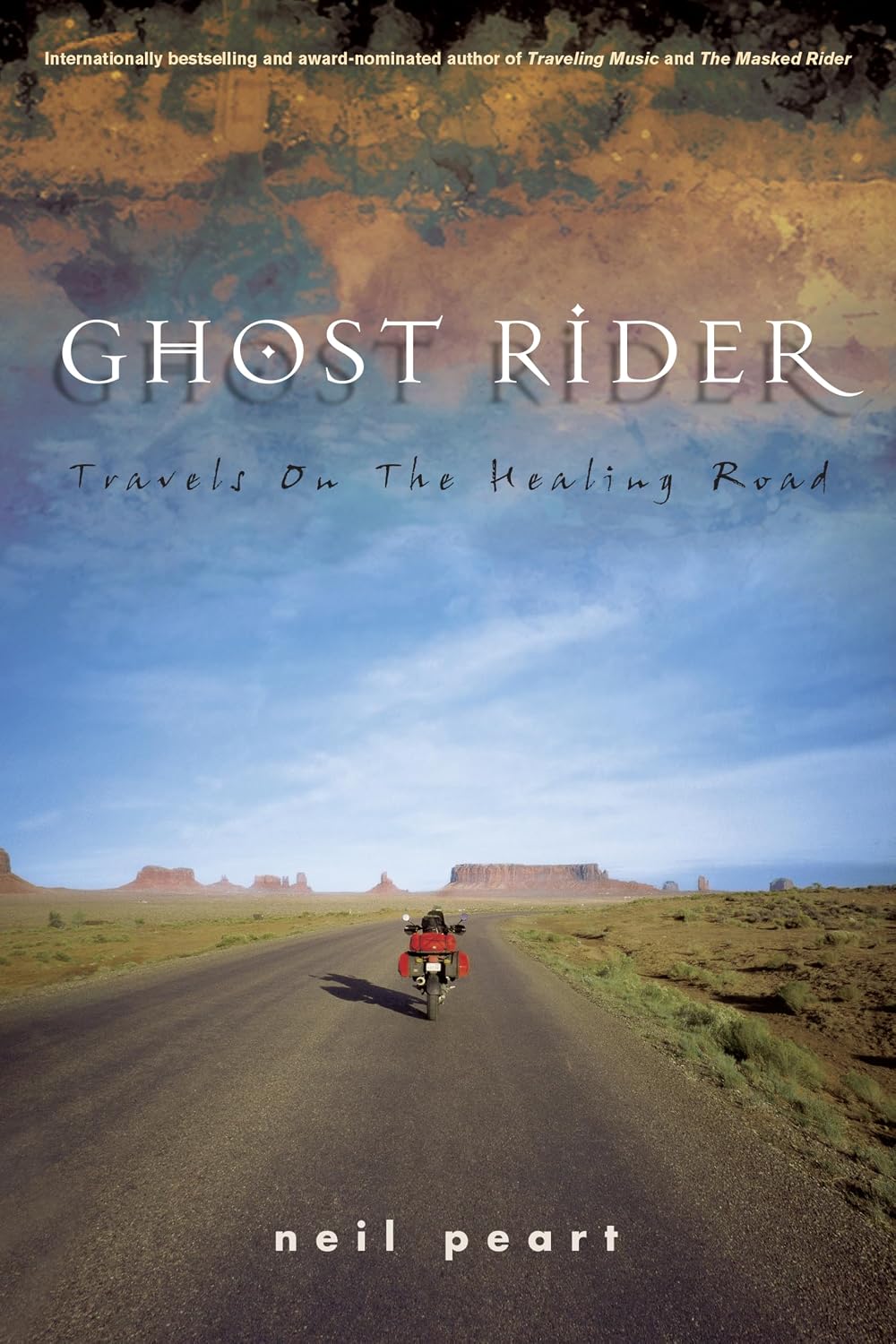
Neil Peart spent decades writing songs about time, loss, change, and the search for meaning. In Ghost Rider: Travels on the Healing Road, those themes leave the stage and become painfully real. Written after the deaths of his daughter and, less than a year later, his wife, the memoir follows the Rush drummer as he sets out alone on a motorcycle, hoping movement might succeed where words could not.

Rather than offering advice about grief, Peart simply documents the long process of living through it. Over nearly 55,000 miles, he rides across Canada, the United States, and Mexico, filling his days with winding roads, national parks, small towns, books, and handwritten letters to friends. The journey becomes less about reaching a destination than discovering whether life can still hold purpose after unimaginable loss.

Ride the healing road on Amazon
More Than a Travel Memoir

Fans of Rush will recognize Peart’s thoughtful voice immediately. The same lyricism that shaped songs like Limelight appears throughout these pages, turning ordinary landscapes into reflections on memory, solitude, and resilience. Music itself, however, remains largely in the background. Instead, the focus rests on the quiet routines that slowly help him rebuild a life.

The memoir is also refreshingly honest about grief’s contradictions. Peart doesn’t present himself as an inspirational figure or pretend healing follows a straight line. He writes with openness about anger, loneliness, and emotional exhaustion, allowing readers to witness both his setbacks and his gradual return to hope.

The Journey Within

At times, the detailed travel entries become repetitive, mirroring the endless rhythm of days spent on the road. Yet that repetition also reinforces the book’s central idea: healing often arrives through persistence rather than revelation.

Ghost Rider is ultimately less about motorcycles than survival. It offers a deeply personal portrait of a musician learning to live again, one mile at a time, and reminds us that sometimes the longest journeys happen entirely within ourselves.

Scroll