
Arriving in a new country often means carrying more than a suitcase. In Jazz Infernal, director Will Niava explores what happens when grief, memory, and expectation make that journey even heavier.
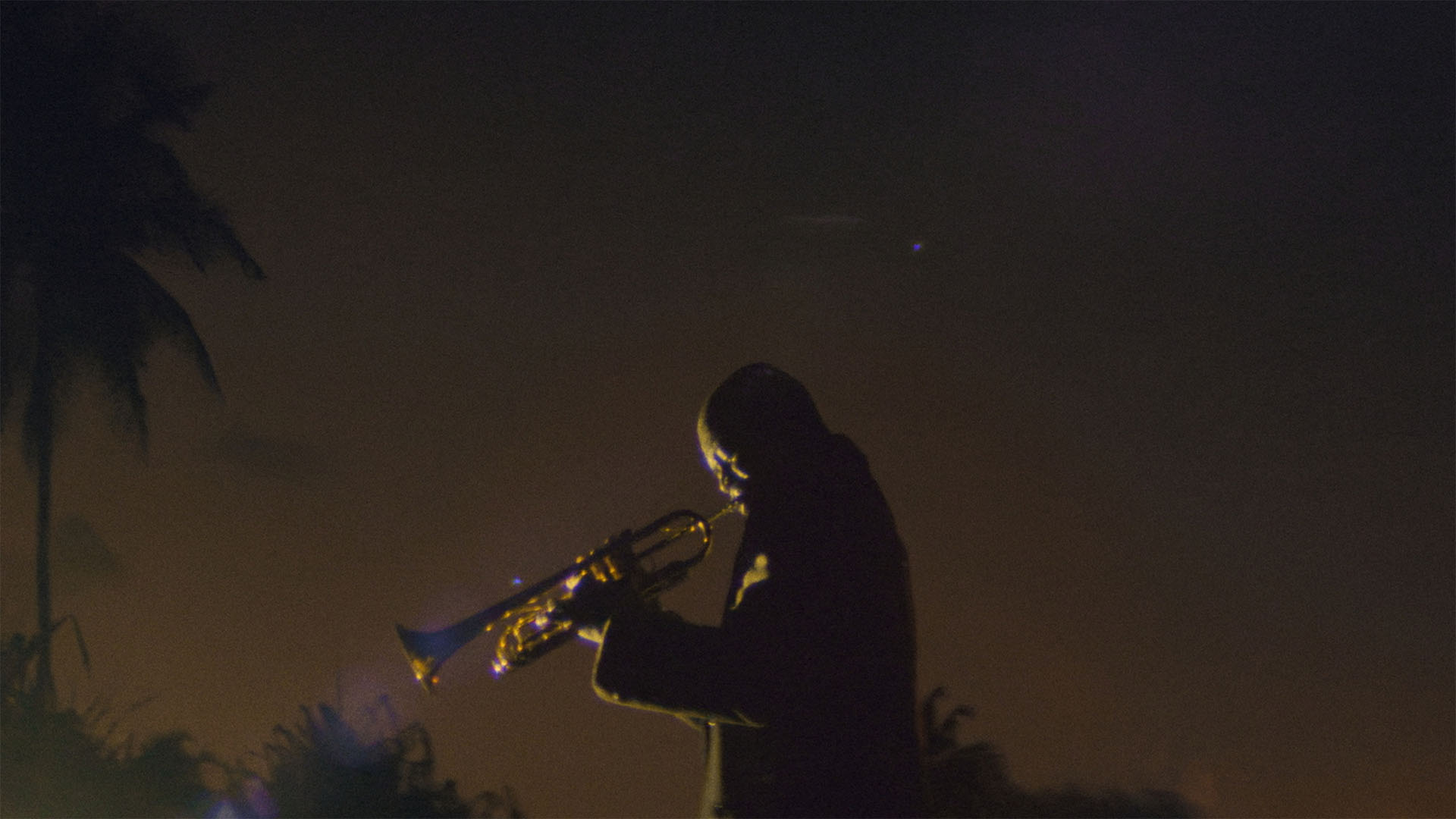
The short follows Koffi, a young Ivorian trumpeter who arrives in Montreal after the death of his father. His father was a celebrated musician. Struggling to find his place in an unfamiliar city, he also finds himself unable to play the instrument that once connected him to his family. What unfolds is more than a story about immigration. It also explores the complicated relationship between inheritance and identity.
Music as Memory
One of the film’s greatest strengths is the way it treats music as an emotional language. Jazz is never just background atmosphere here. It shapes the film’s rhythm, influences its visual style, and becomes a way for Koffi to process feelings that words cannot fully express.
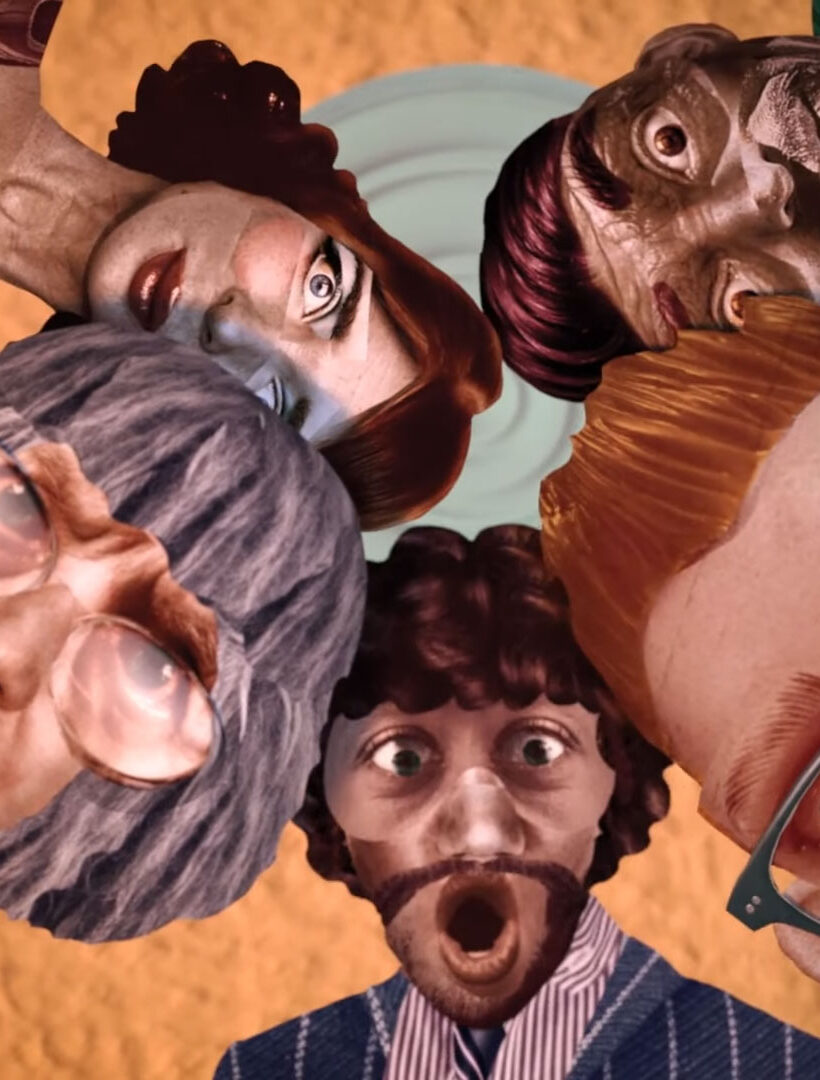
Niava captures Montreal through the eyes of a newcomer. The city feels vibrant and overwhelming at the same time, filled with unfamiliar sounds, faces, and expectations. Fast edits, expressive camera movements, and moments of visual improvisation mirror the uncertainty of Koffi’s first hours in Canada. The result is a film that feels alive with movement.
At the center of it all is a thoughtful performance from Ange-Eric Nguessan, who portrays Koffi as a young man caught between honoring his father’s legacy and discovering his own voice. The film premiered at TIFF in 2025. It later won the Short Film Jury Award: International Fiction at the 2026 Sundance Film Festival, following its premiere at the 2025 Toronto International Film Festival.
Beyond Inheritance
What makes Jazz Infernal particularly memorable is its refusal to offer easy answers. Rather than celebrating legacy as something that must always be preserved, the film asks more complicated questions. Is inheritance a gift, a responsibility, or sometimes a burden?
Niava has described the film as a love letter to his own father. That personal connection runs throughout the film. The result is a moving reflection on grief, belonging, and self-discovery.
In just a few minutes, Jazz Infernal captures a truth many migration stories overlook. Identity is not something we inherit fully formed. It is something we compose for ourselves, one note at a time.