Sayuri Ichida: Photography Between Belonging and Absence
Zoë Marin
Written by Zoë Marin in Beyond the Frame Art & Design Creative Photography

Sayuri Ichida: Photography Between Belonging and Absence

A photograph can preserve a moment, but it can also hold something far less tangible: a feeling, a memory, or the trace of a relationship that continues to resonate long after it has changed. Throughout her work, Sayuri Ichida uses photography to explore these quieter forms of experience, creating images that linger between the personal and the universal.

Born in Fukuoka, Japan, and now based in the United Kingdom, Ichida draws deeply from her own life experiences. Across projects that explore grief, migration, family relationships, and self-identity, she returns to a recurring question: how do we make sense of places, memories, and people that continue to shape us long after they seem to have disappeared?
The weight of absence

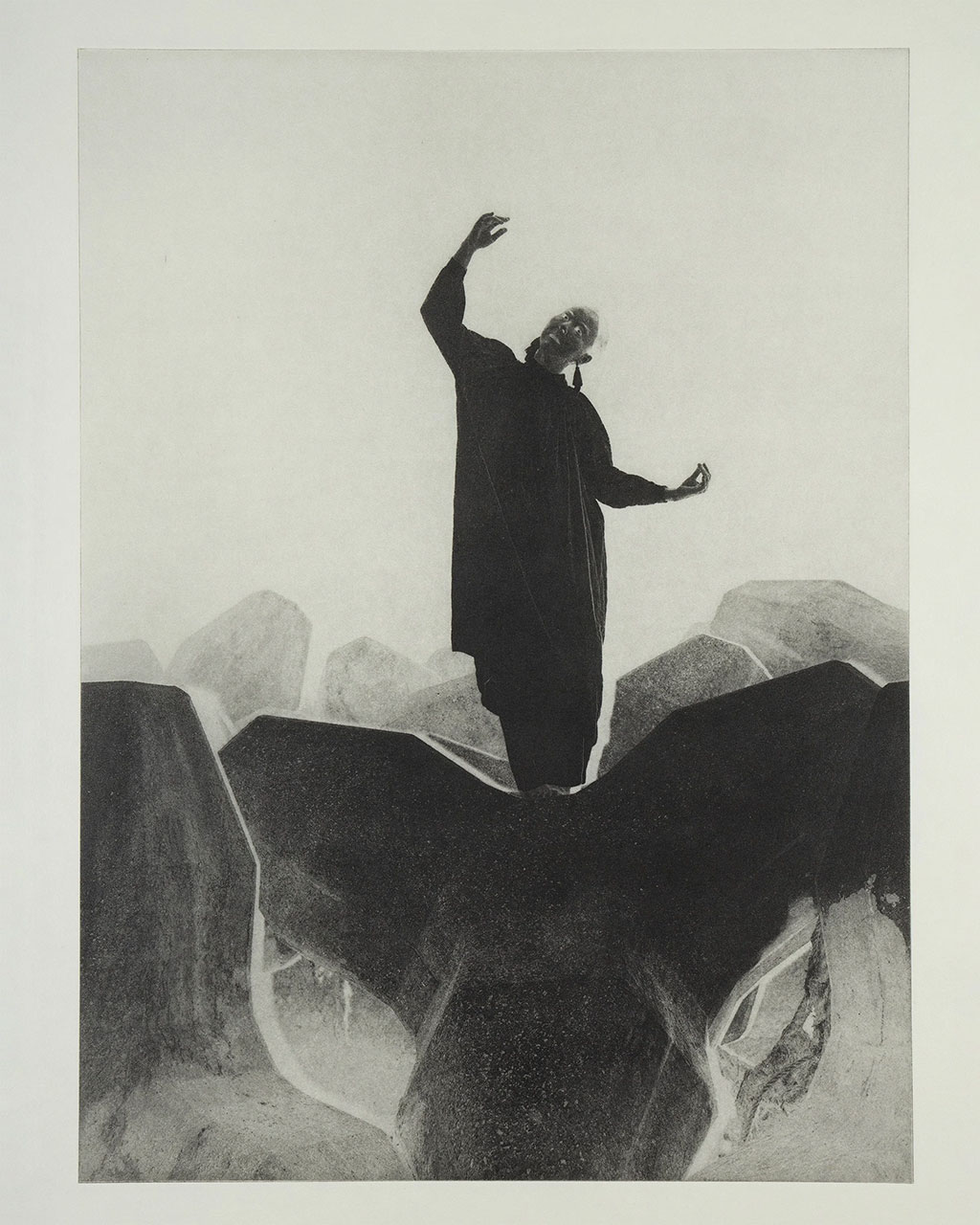
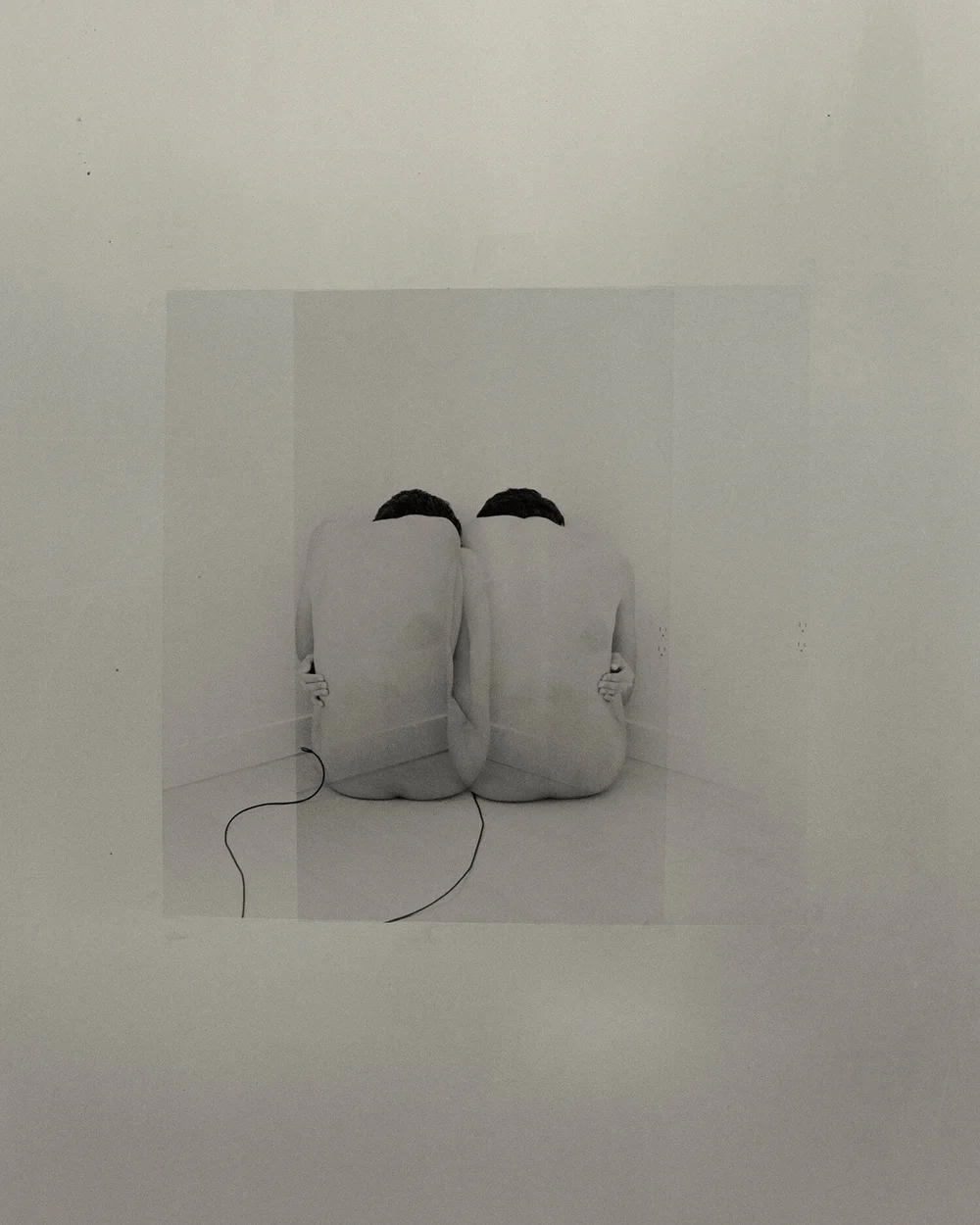
One of Ichida’s most acclaimed projects, Absentee, emerged during the COVID-19 pandemic while she was living in New York and later London. Surrounded by constant reminders of illness and mortality, she found herself confronting the grief she had carried since the death of her mother nearly two decades earlier. What began as a response to a difficult moment gradually became an exploration of absence itself.

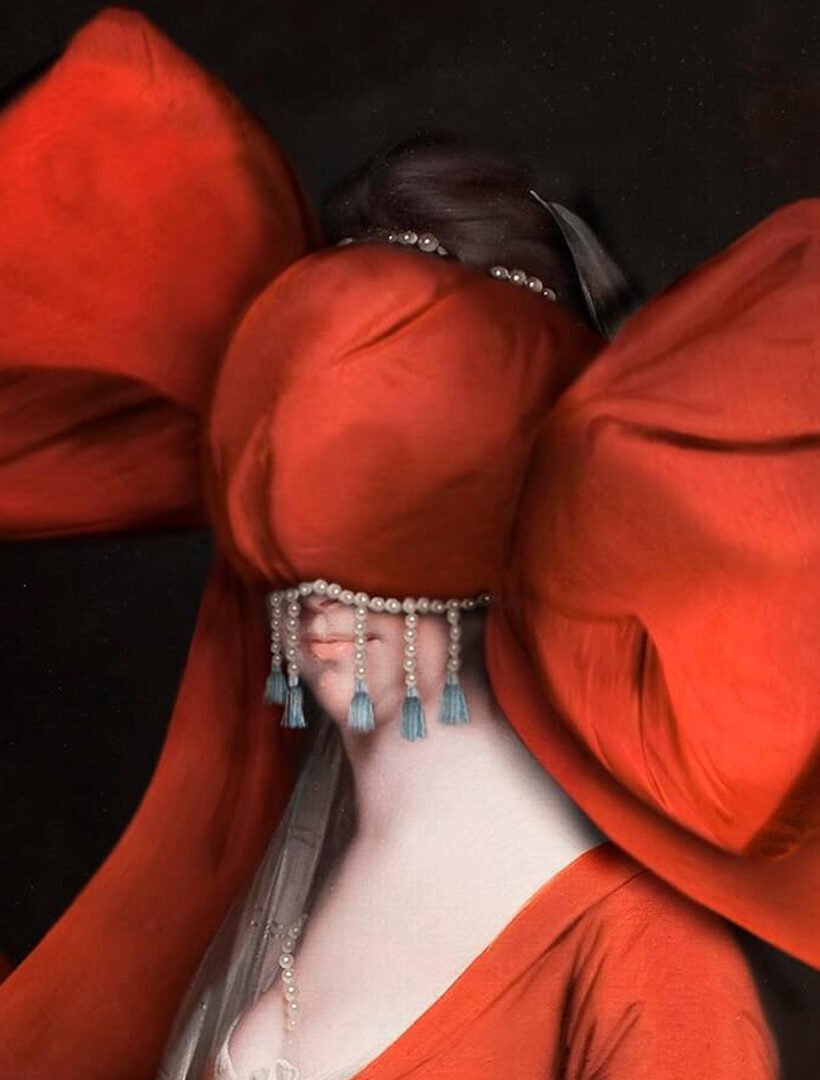
Combining photographs of her own body with industrial landscapes, architectural details, and natural forms, Ichida constructed images that feel both intimate and detached. Faces are hidden. Locations remain ambiguous. Familiar objects become strangely unfamiliar. As a result, Absentee transforms personal mourning into something broader—a meditation on fragility, memory, and the uneasy space between presence and disappearance.

Sayuri Ichida. From the series "Absentee"
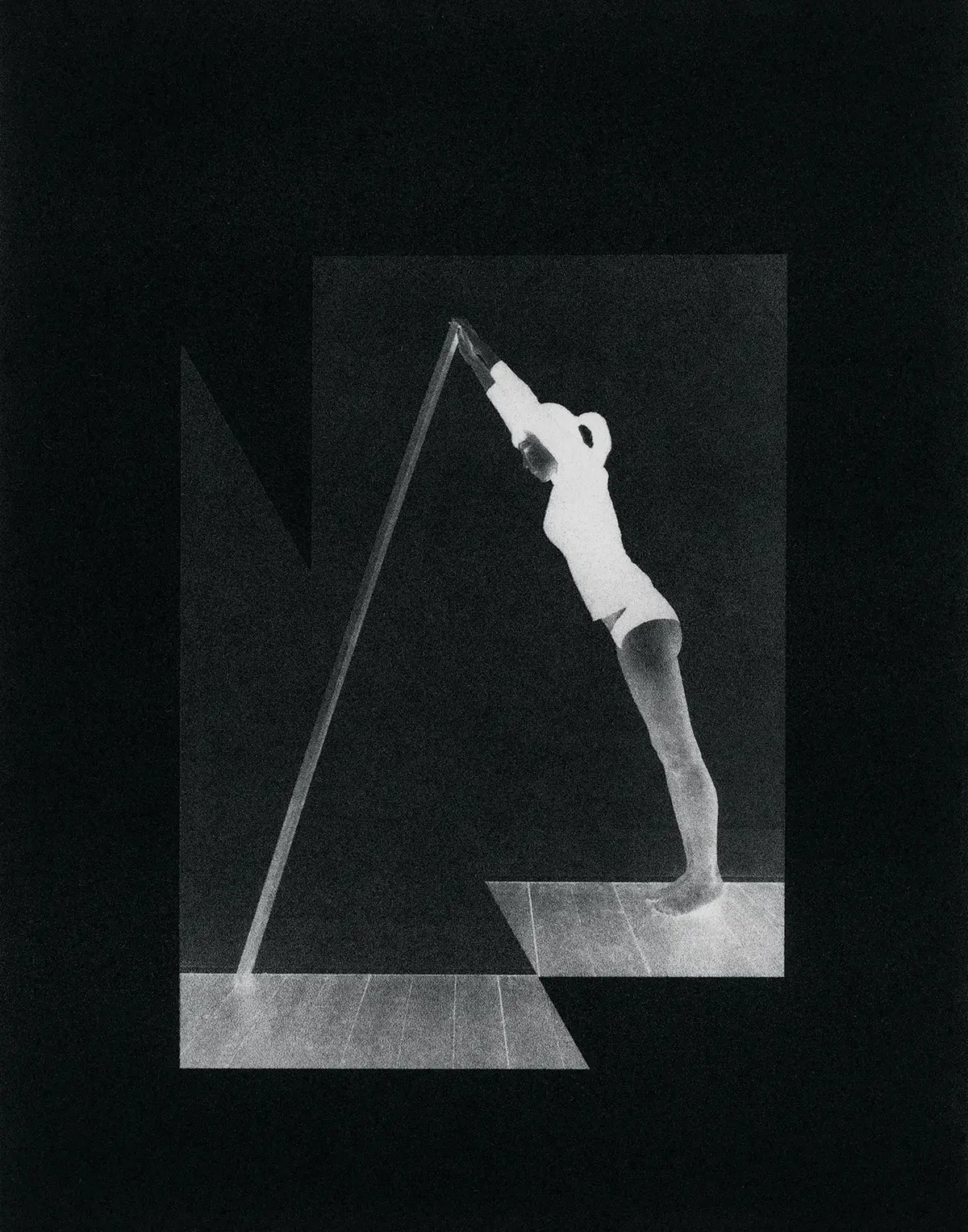
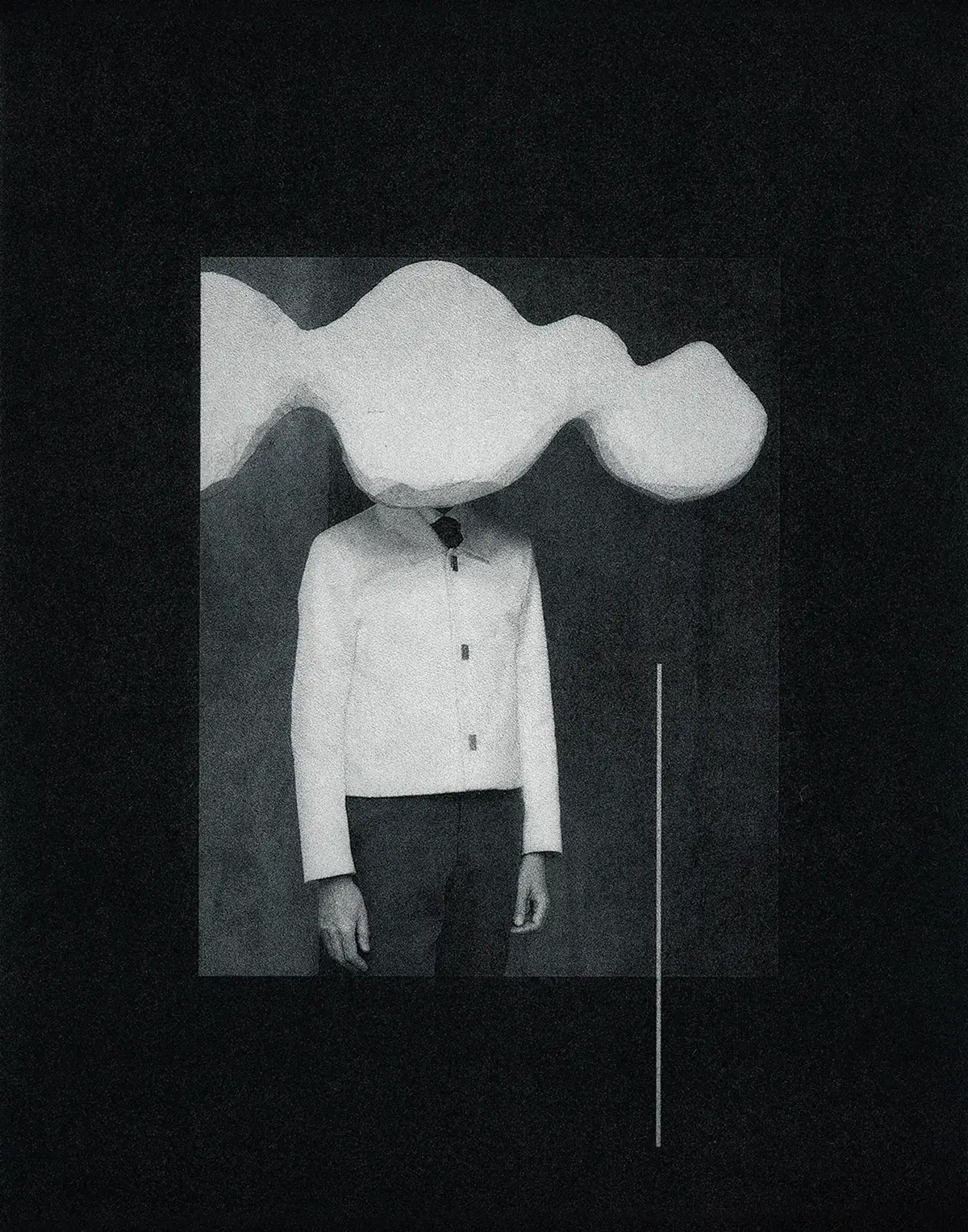
Sayuri Ichida. From the series "Ctrl Shift + J"
Searching for belonging

Questions of identity and displacement move to the foreground in Ctrl Shift + J, an ongoing project inspired by Ichida’s lifelong experience of relocation. The title references a keyboard shortcut she frequently uses when switching between Japanese and English. In turn, it becomes a subtle metaphor for the constant adjustments required when navigating multiple cultures and places.

The work draws from childhood memories, family photographs, and architectural fragments. It also incorporates the discovery that her great-great-grandfather emigrated from Britain to Japan. Geometric interventions cut across the images, disrupting familiar scenes and reinforcing a feeling of not quite fitting in. Rather than seeking definitive answers, Ichida invites viewers to reflect on their own experiences of belonging, displacement, and inherited histories.

Family, memory, and sisterhood

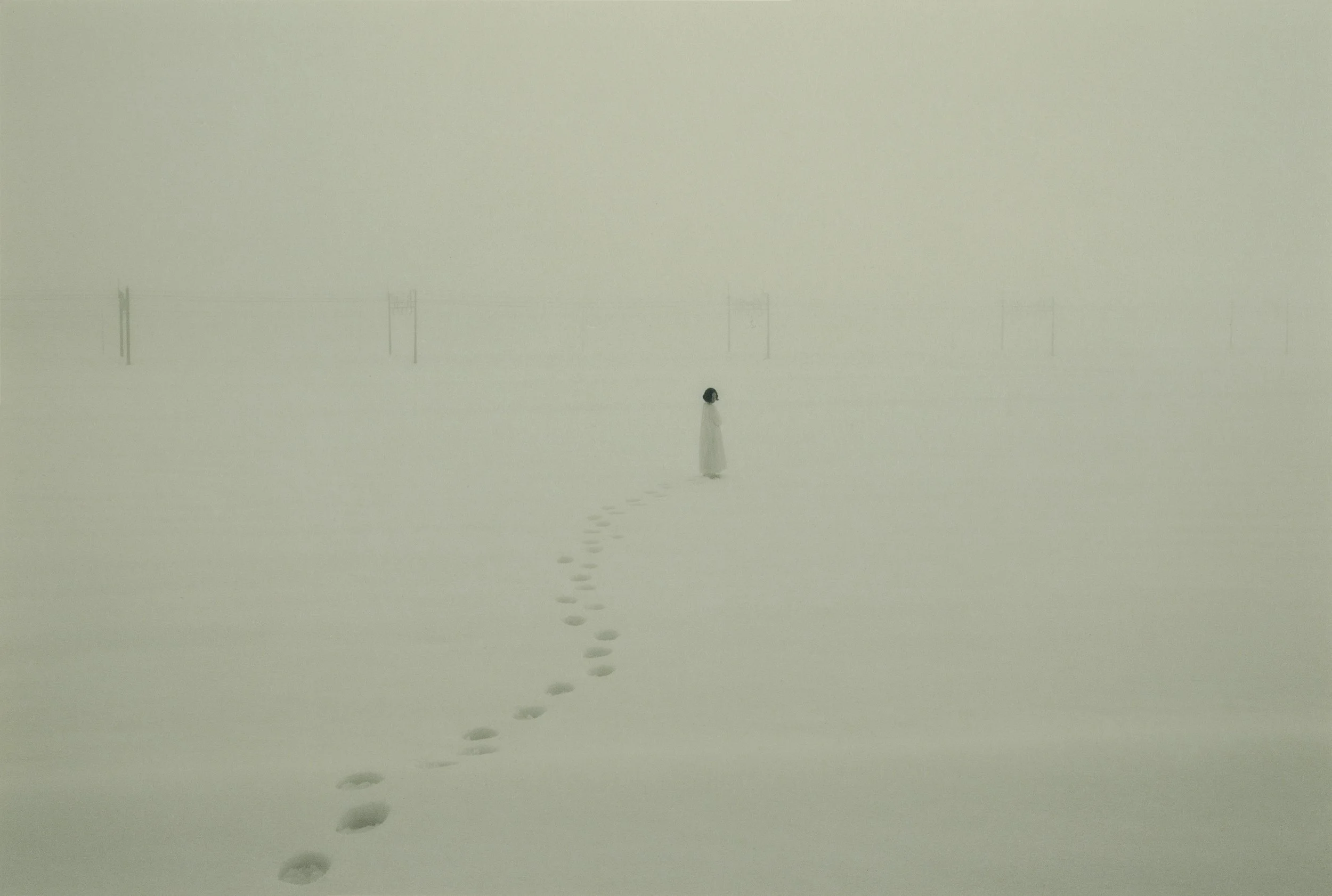
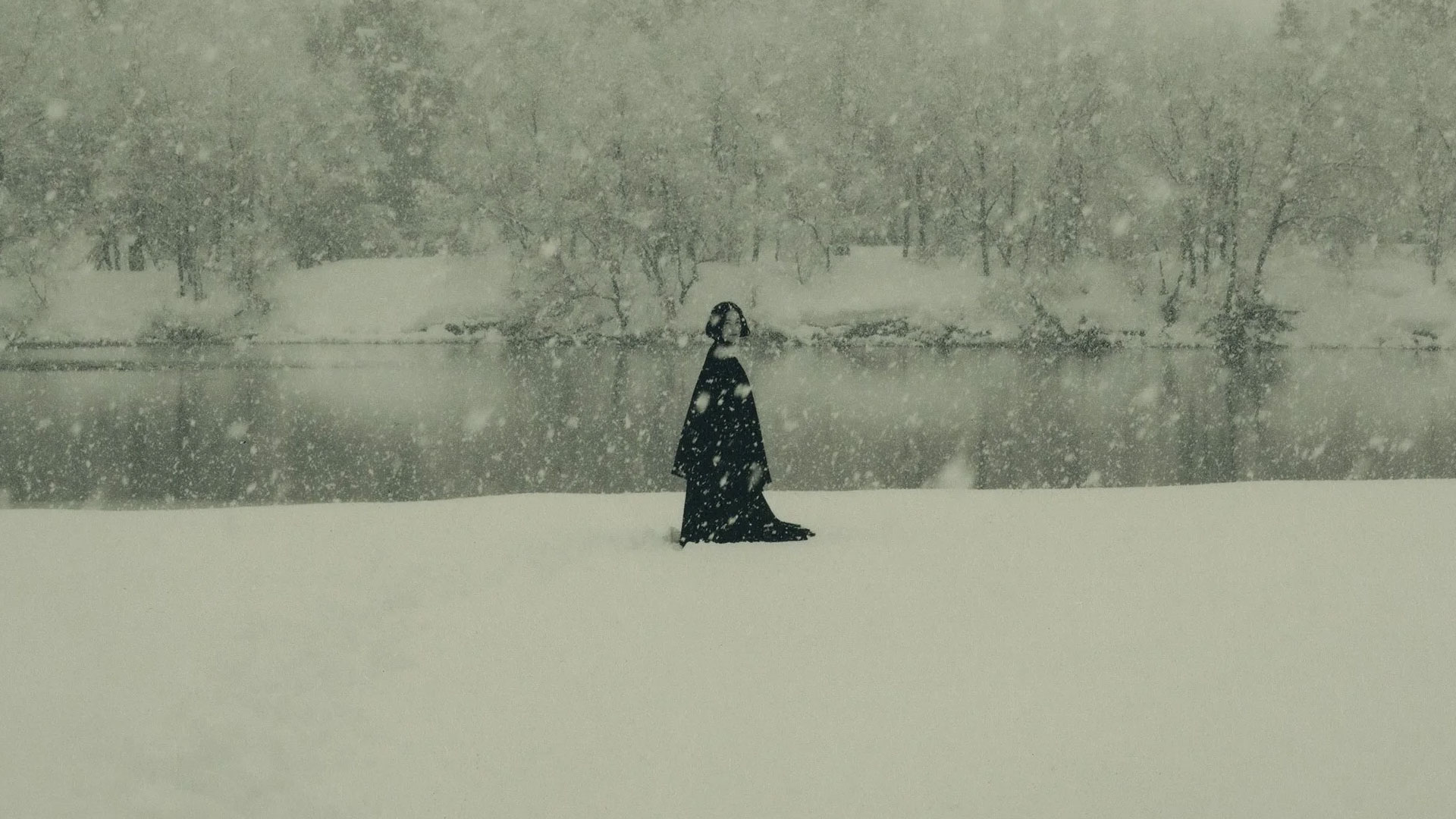
More recently, Ichida has turned her attention toward family relationships in Playing the Piano Upstairs. Set in Niigata, one of Japan’s snowiest regions, the project centers on her relationship with her sister and the memories they share of childhood, grief, and growing older together.

The title recalls the sound of her sister practicing piano for hours after school, a memory that lingered long after childhood had passed. Through portraits, snowy landscapes, fields, and seascapes, Ichida reflects on silence, conflict, and shared loss. Over time, those experiences evolved into a deeper understanding between the sisters. The region’s long winters become a visual metaphor for memory itself—softened by time, partially obscured, yet still present beneath the surface.

Sayuri Ichida. From the series "Playing the Piano Upstairs"
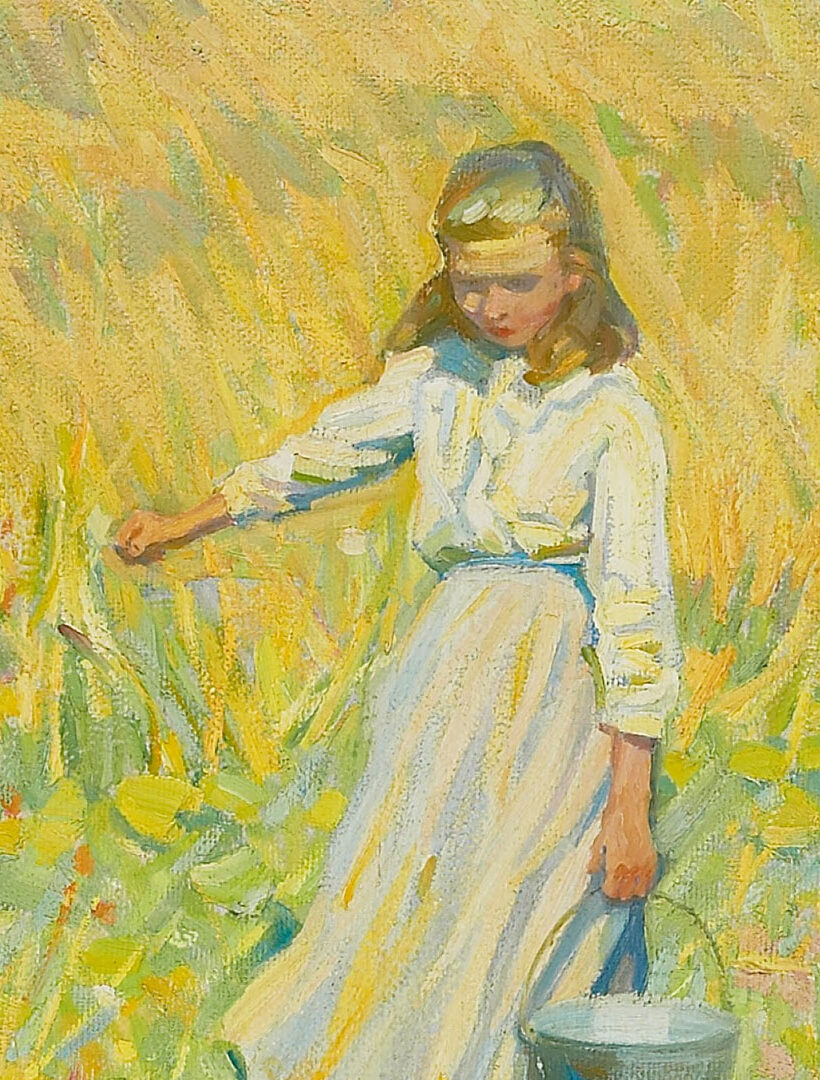
Sayuri Ichida. From the series "Ctrl Shift + J"
A language of longing

What connects Ichida’s projects is not a specific subject matter but an emotional sensibility. Whether exploring grief in Absentee, displacement in Ctrl Shift + J, or sisterhood in Playing the Piano Upstairs, she approaches photography as a way of giving form to experiences that are often difficult to articulate. Consequently, her images feel both deeply personal and universally recognizable.

Ichida works across portraiture and landscape. She often incorporates sculptural forms and handcrafted printing processes. Together, these elements create photographs that seem suspended outside ordinary time. Rather than chasing immediacy, she embraces ambiguity, inviting viewers to slow down and sit with emotions that rarely have clear boundaries or resolutions.

Before dedicating herself fully to art photography, Ichida worked in commercial and fashion photography in Tokyo and New York. However, it was only after stepping away from that path and returning to more personal image-making that her artistic voice began to emerge. Since then, her work has gained international recognition through exhibitions, photobooks, awards, and institutional collections, including recognition for both Absentee and Ctrl Shift + J.

Perhaps what makes her work so compelling is its refusal to rush. In an era defined by speed and constant visibility, Sayuri Ichida creates photographs that move at the pace of memory itself. They ask viewers not simply to look, but to linger—to inhabit the spaces between belonging and displacement, presence and absence, loss and connection, where so much of life quietly unfolds.

Sayuri Ichida. From the series "Playing the Piano Upstairs"
Scroll