Exploring the Art of Classic Sci-Fi Movies
Lila Monroe
Written by Lila Monroe in From the Shelf Art & Design Book Review Filmmaking

Exploring the Art of Classic Sci-Fi Movies

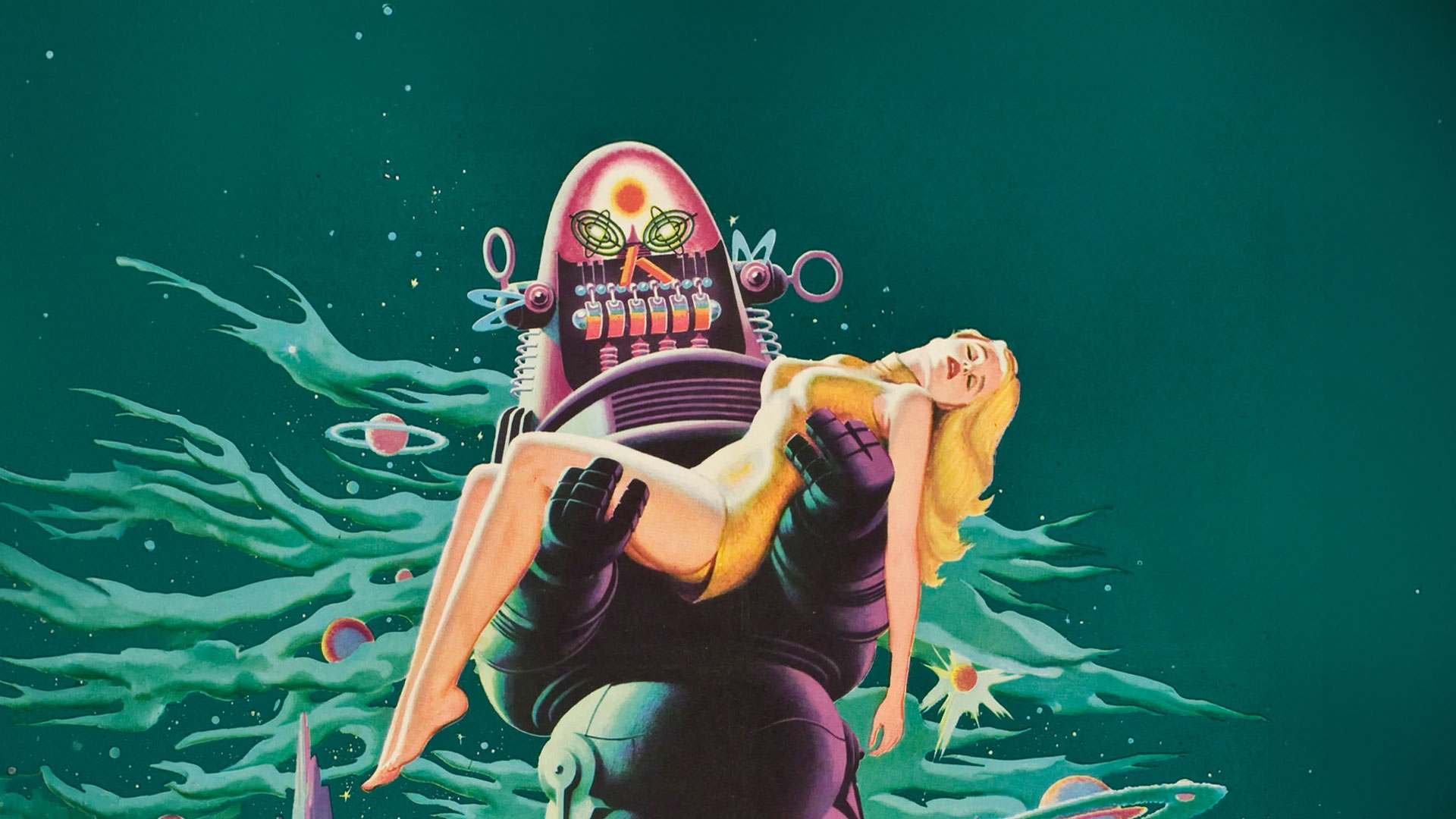
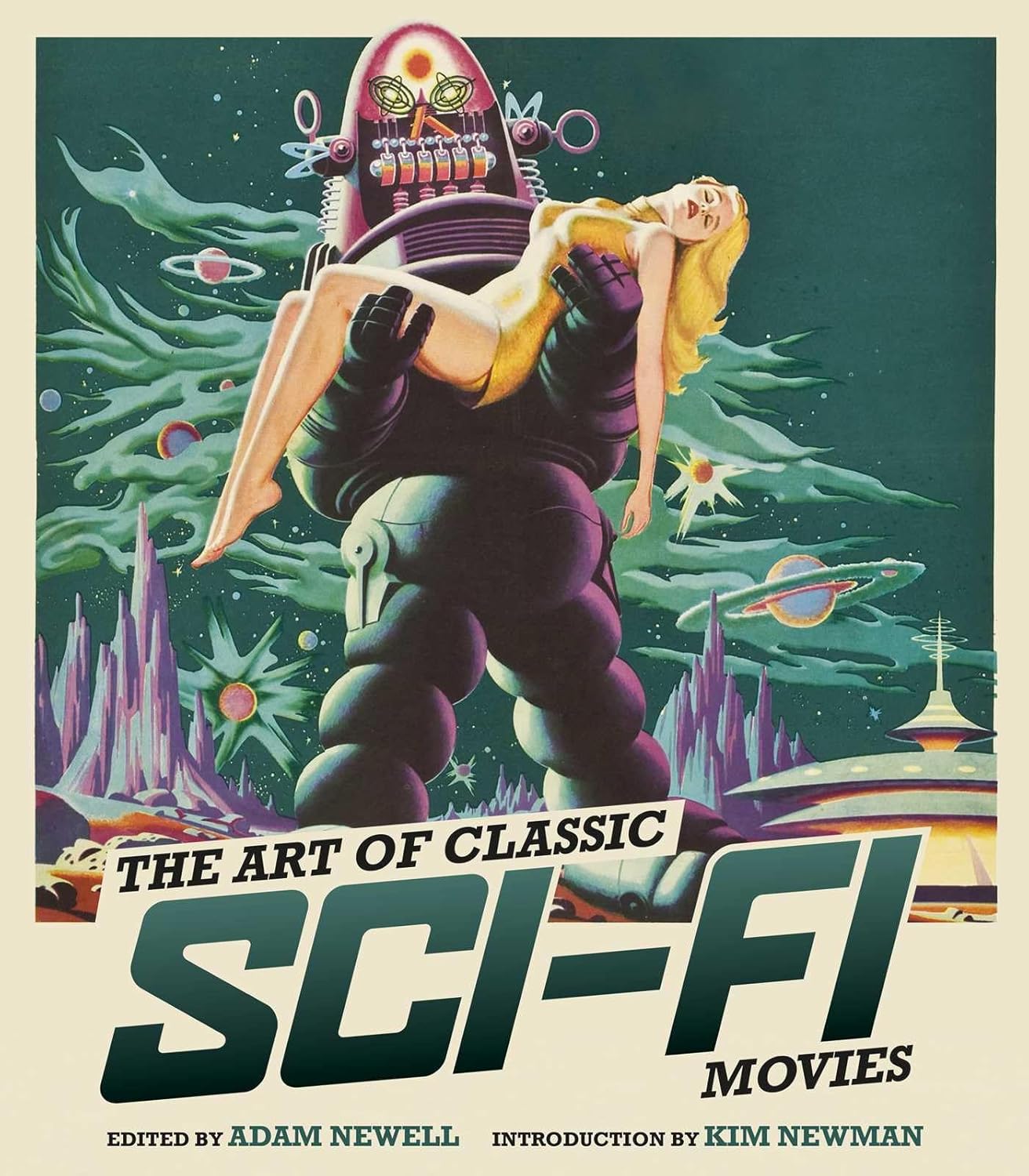
Long before streaming services recommended what to watch next, science fiction films had to capture attention with a single image. Rocket ships streaked across impossible skies. Giant monsters towered over cities. Alien worlds glowed in colors audiences had never imagined. The Art of Classic Sci-Fi Movies by Adam Newell celebrates that visual legacy through hundreds of posters, lobby cards, magazine covers, and promotional artworks spanning seventy-five years of cinematic history.

What makes the book so engaging is its scope. Rather than focusing only on familiar classics like Metropolis, 2001: A Space Odyssey, or Godzilla, Newell also highlights forgotten B-movies, obscure serials, international productions, and wonderfully strange curiosities that have largely disappeared from popular conversation.

Travel through sci-fi history on Amazon
More Than Movie Posters

The collection reveals how science fiction evolved alongside changing cultural anxieties and technological dreams. Early visions of space travel gave way to Cold War fears, atomic monsters, alien invasions, and increasingly philosophical explorations of humanity’s future. Through artwork alone, readers can trace how each decade imagined what might be waiting beyond the horizon.

One of the book’s greatest strengths is its international perspective. Alongside American releases, it showcases poster art from Japan, Italy, France, Spain, Russia, Eastern Europe, and beyond. Seeing how different countries interpreted the same films offers a fascinating reminder that science fiction has always been a global conversation.

Imagining the Future Through Design

For fans of design, illustration, cinema history, or vintage pop culture, The Art of Classic Sci-Fi Movies offers far more than nostalgia. These images reveal how artists sold wonder, fear, and possibility long before digital effects became commonplace.

The result is both an archive and a time machine. Every page captures a moment when the future still felt mysterious, when a painted poster could promise entire worlds, and when science fiction invited audiences to imagine possibilities far beyond everyday life.

Scroll