
Frankenstein, Reimagined Through Art
Lila Monroe

Frankenstein art book fans have plenty to discover here. Long before a film reaches the screen, it exists in fragments—sketches, textures, ideas taking shape behind the scenes. The Art and Making of Frankenstein by Sheila O’Malley captures that fragile, fascinating stage of creation for Guillermo del Toro’s long-awaited vision.

Built around del Toro’s adaptation of Frankenstein, this isn’t just a behind-the-scenes companion—it’s a deep dive into the kind of obsessive, detail-driven creativity that defines his work. If you’ve ever been drawn to the tactile beauty of his films—the way monsters feel human, and sets feel lived-in—this book leans all the way into that.

What stands out immediately is scale. It’s a hefty, beautifully assembled volume, packed with concept art, storyboards, costume designs, and on-set photography. But it never feels like a simple archive. There’s intention behind every page, every texture, every glimpse into the process.
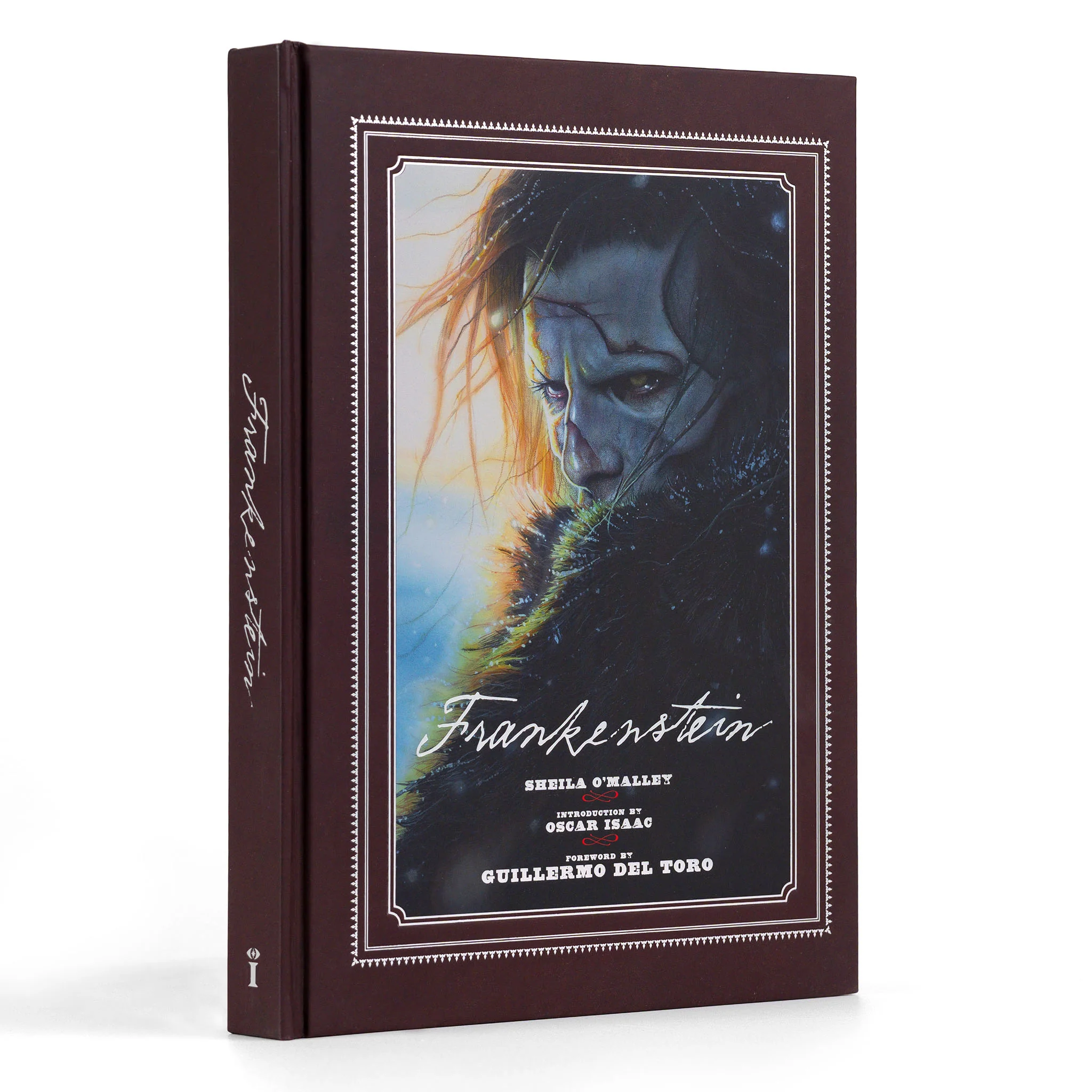
Every monster starts as an idea—find it on Amazon.
Built by Hand, Frame by Frame

One of the most compelling aspects of the book is its focus on craftsmanship. Del Toro has always been vocal about his love for practical effects, and here, that philosophy takes center stage. Sets are physically built, props are carefully designed, and even the smallest details—like jewelry or fabric—carry narrative weight.

O’Malley’s writing reflects that same care. Rather than turning the book into a collection of isolated interviews, she captures the collaborative energy behind the film. There’s a sense that everyone involved—from sculptors to costume designers—is working toward a shared vision, one that treats Frankenstein not just as a story, but as a living, breathing world.

The book also reaches back to Mary Shelley’s original novel, grounding the film in its literary roots while exploring how those themes evolve through del Toro’s lens. It’s as much about interpretation as it is about creation.

And maybe that’s what makes it so compelling.

This isn’t just a record of how a film was made—it’s a reminder of why these stories continue to matter. Of how something written over two centuries ago can still be reshaped, reimagined, and brought to life in entirely new ways.

For anyone fascinated by the intersection of art, storytelling, and cinema, this is more than a companion piece.

It’s part of the story itself.

Scroll