Mingyi Gan Illustration Builds Surreal Visual Worlds
Elliott Brooks
Written by Elliott Brooks in Dimensions Art & Design Creative

Mingyi Gan Illustration Builds Surreal Visual Worlds

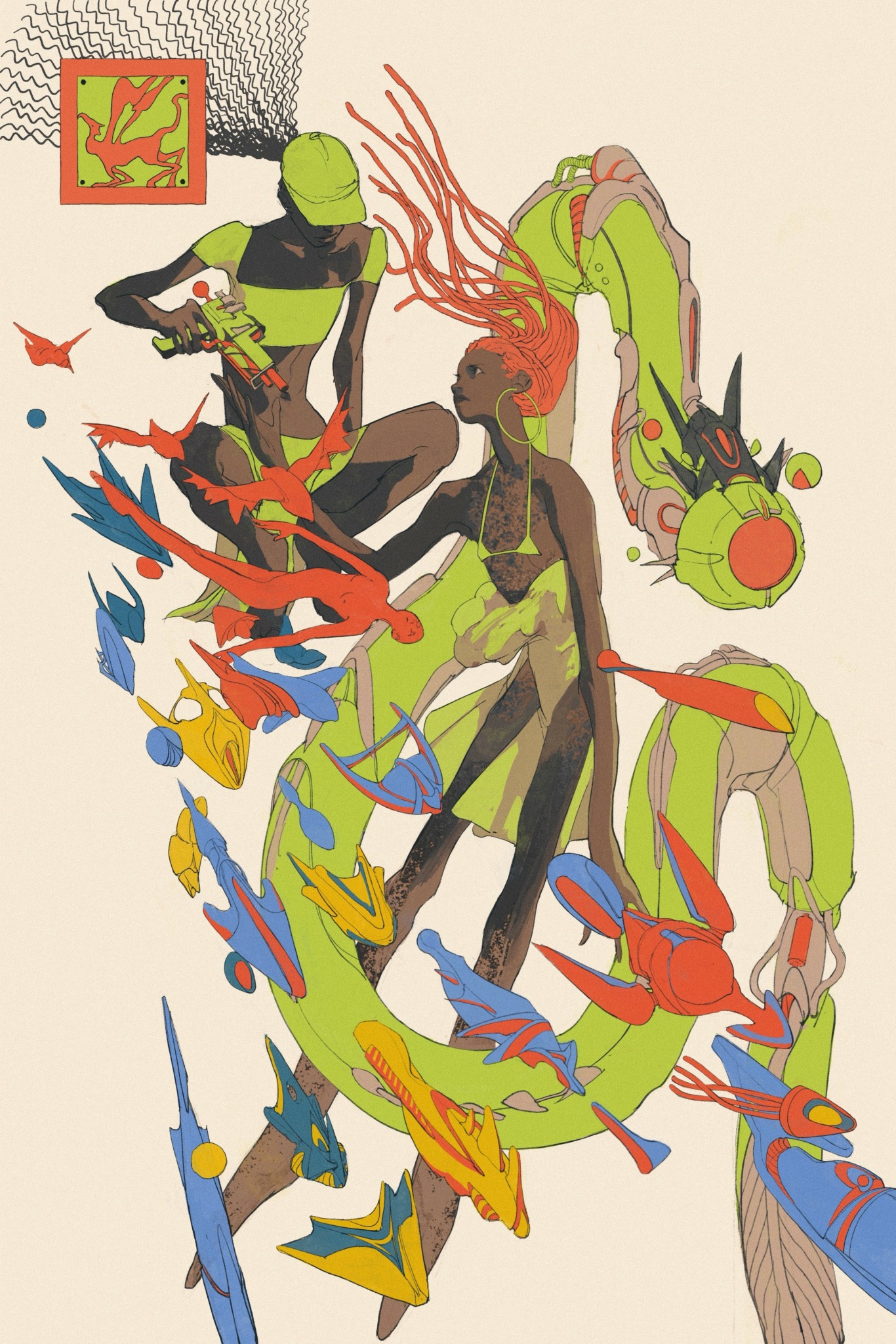
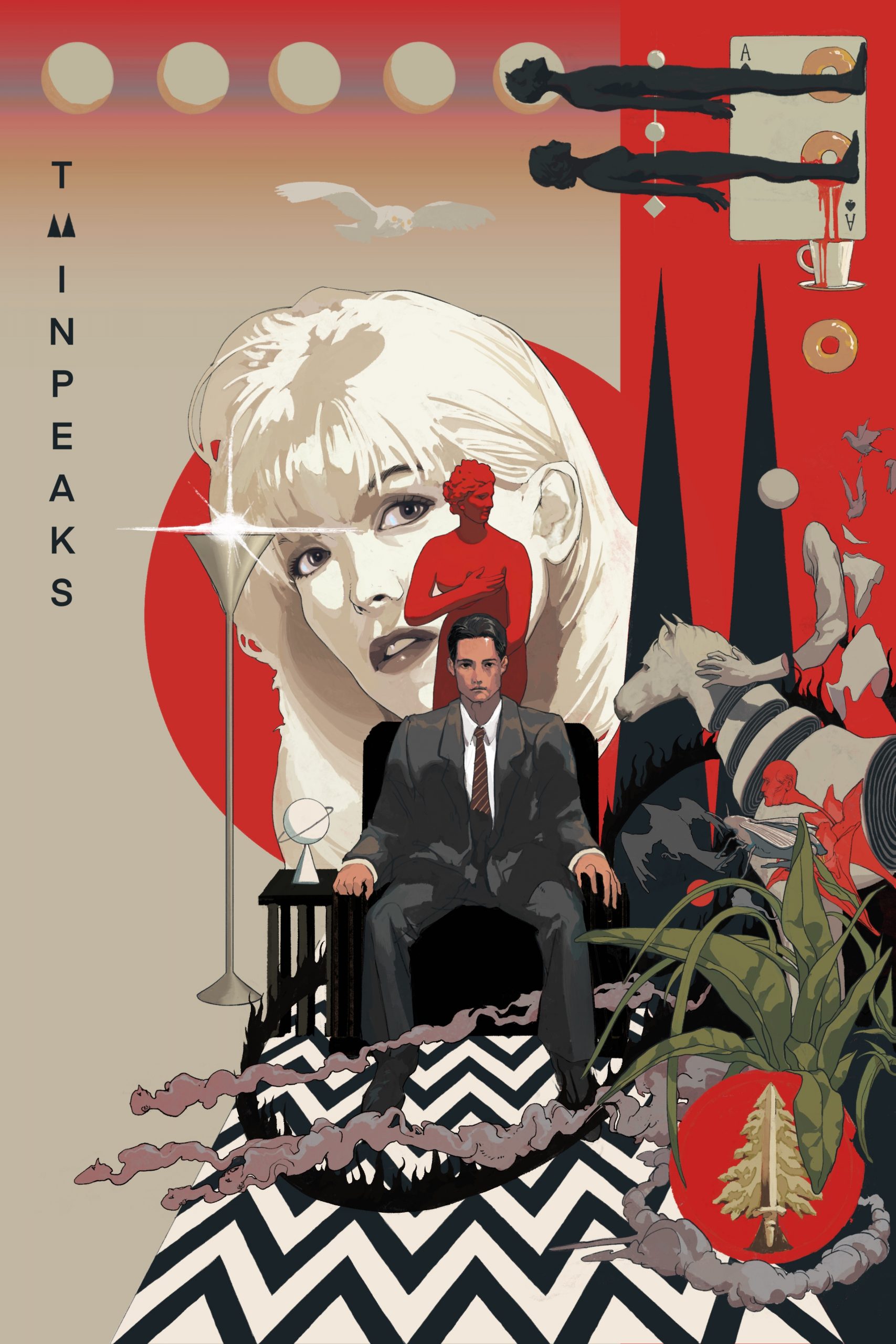
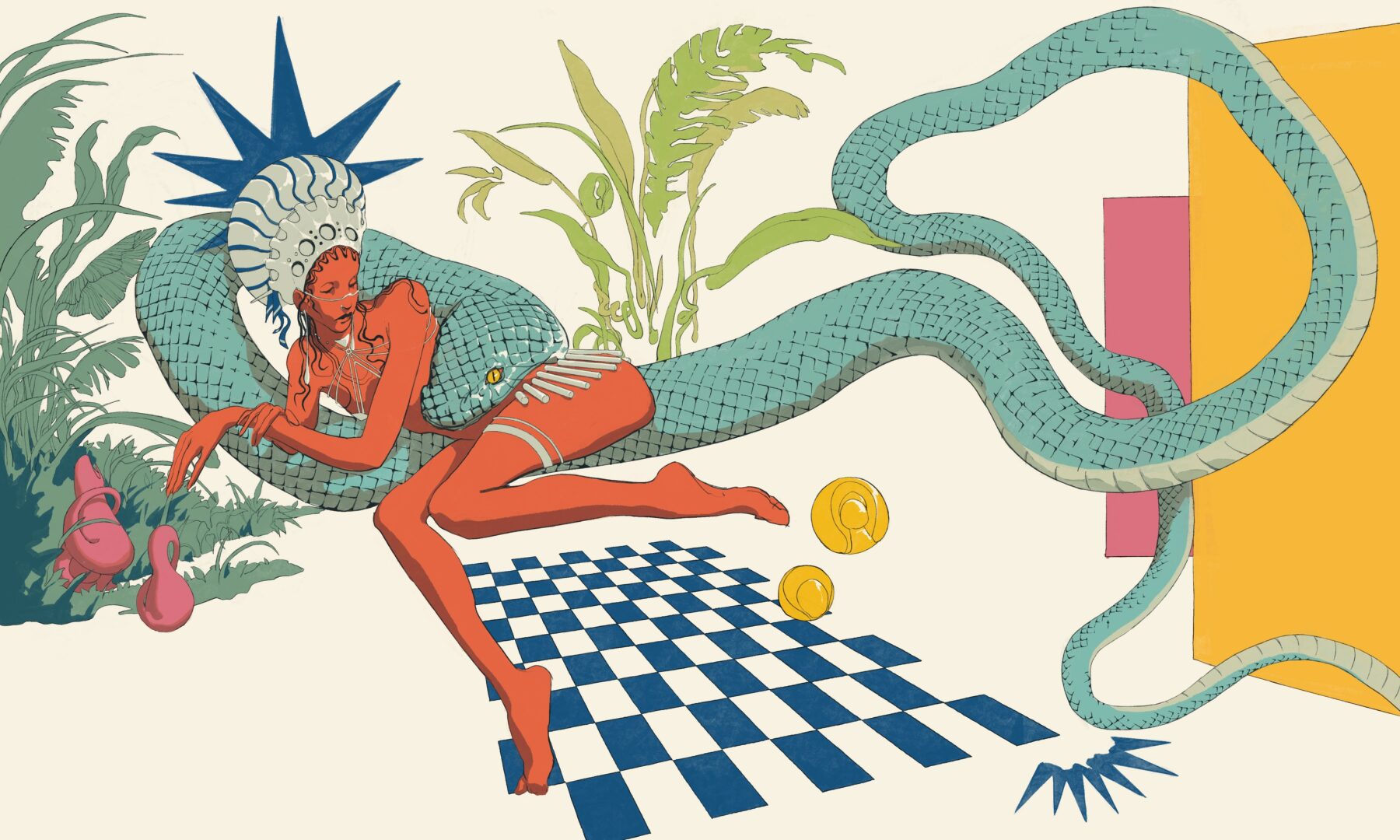
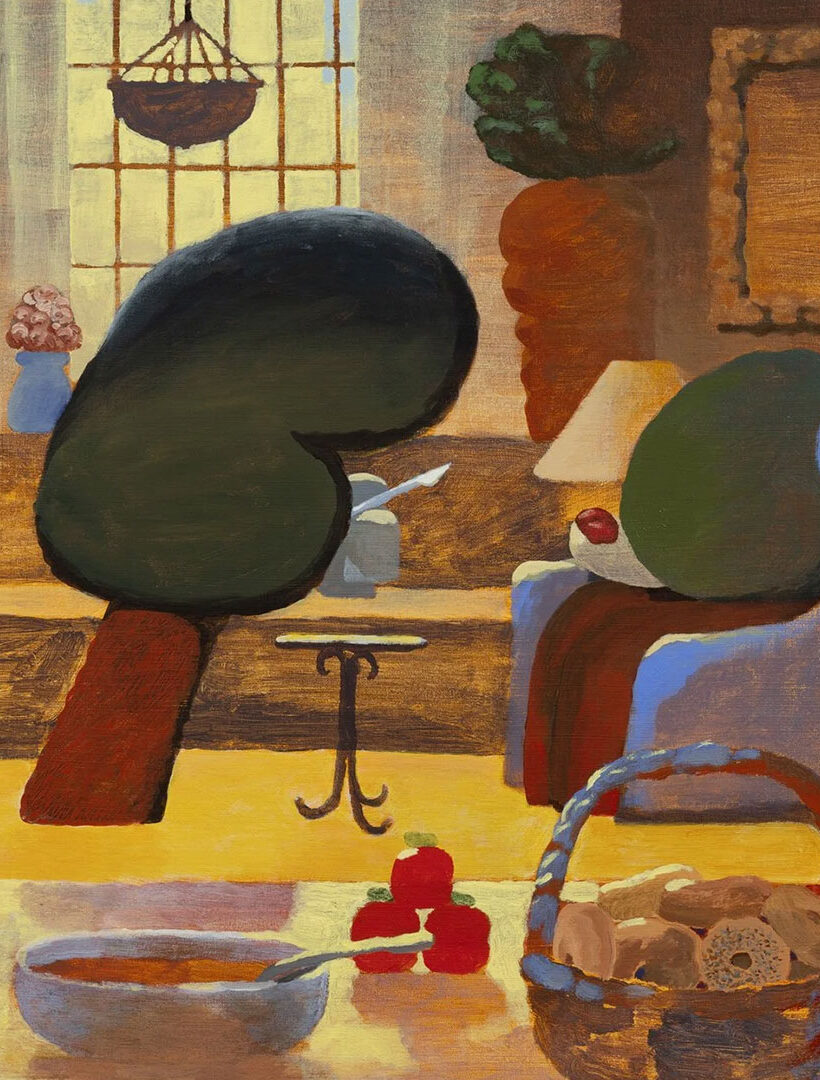
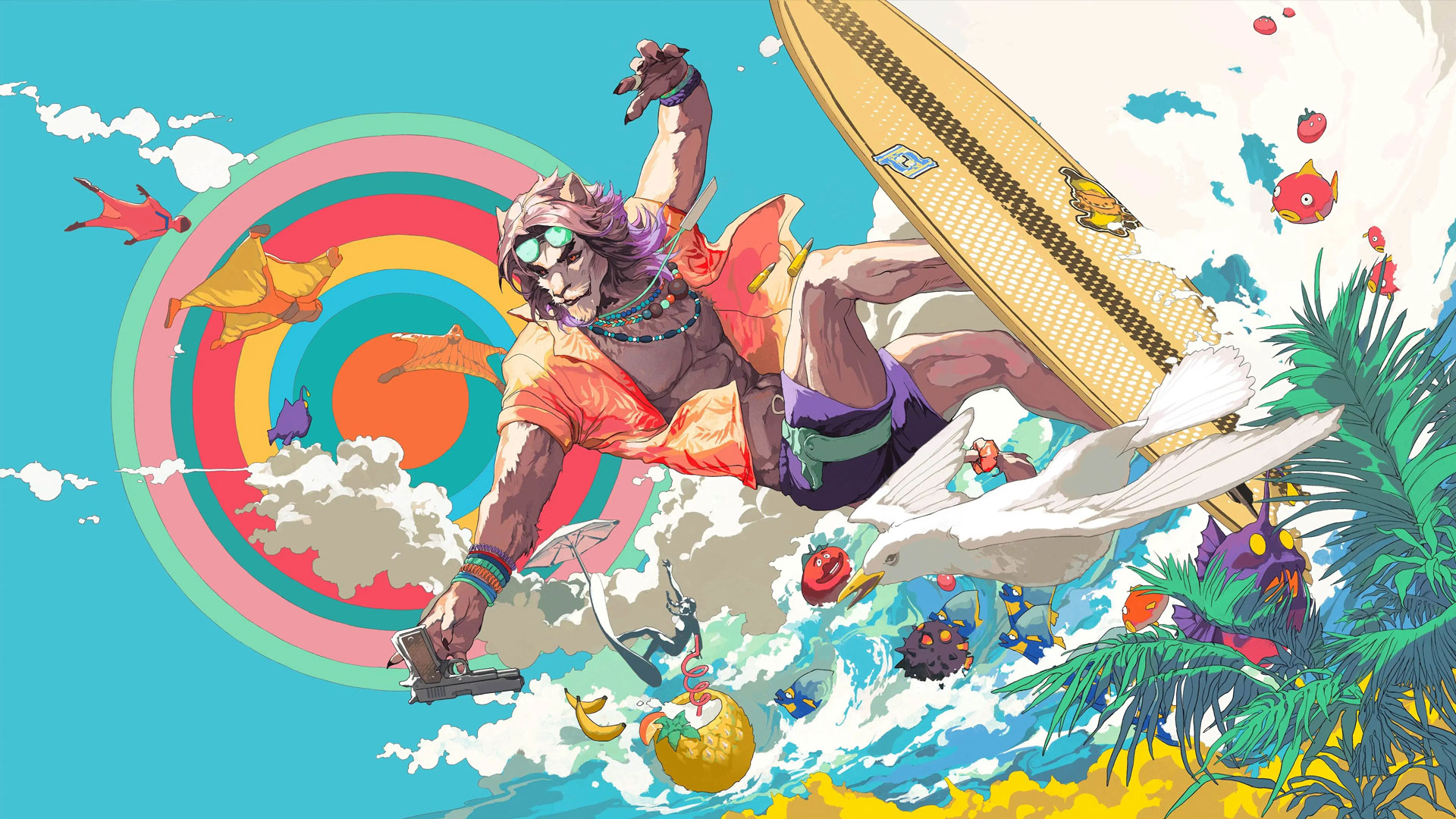
Mingyi Gan’s illustrations don’t sit still. Her compositions pulse with movement, layered symbolism, and sharp visual tension, pulling together surrealism, fashion, architecture, comics, and graphic design into something that feels unmistakably contemporary.

Based in New York, Gan works across illustration, publishing, posters, graphic design, and self-directed projects, building a visual language shaped as much by instinct as technical precision. Whether through magazine projects, Marvel covers, or self-published zines, her work consistently carries the same energy: restless, ambitious, and intensely alive.
Building a Personal Visual Language

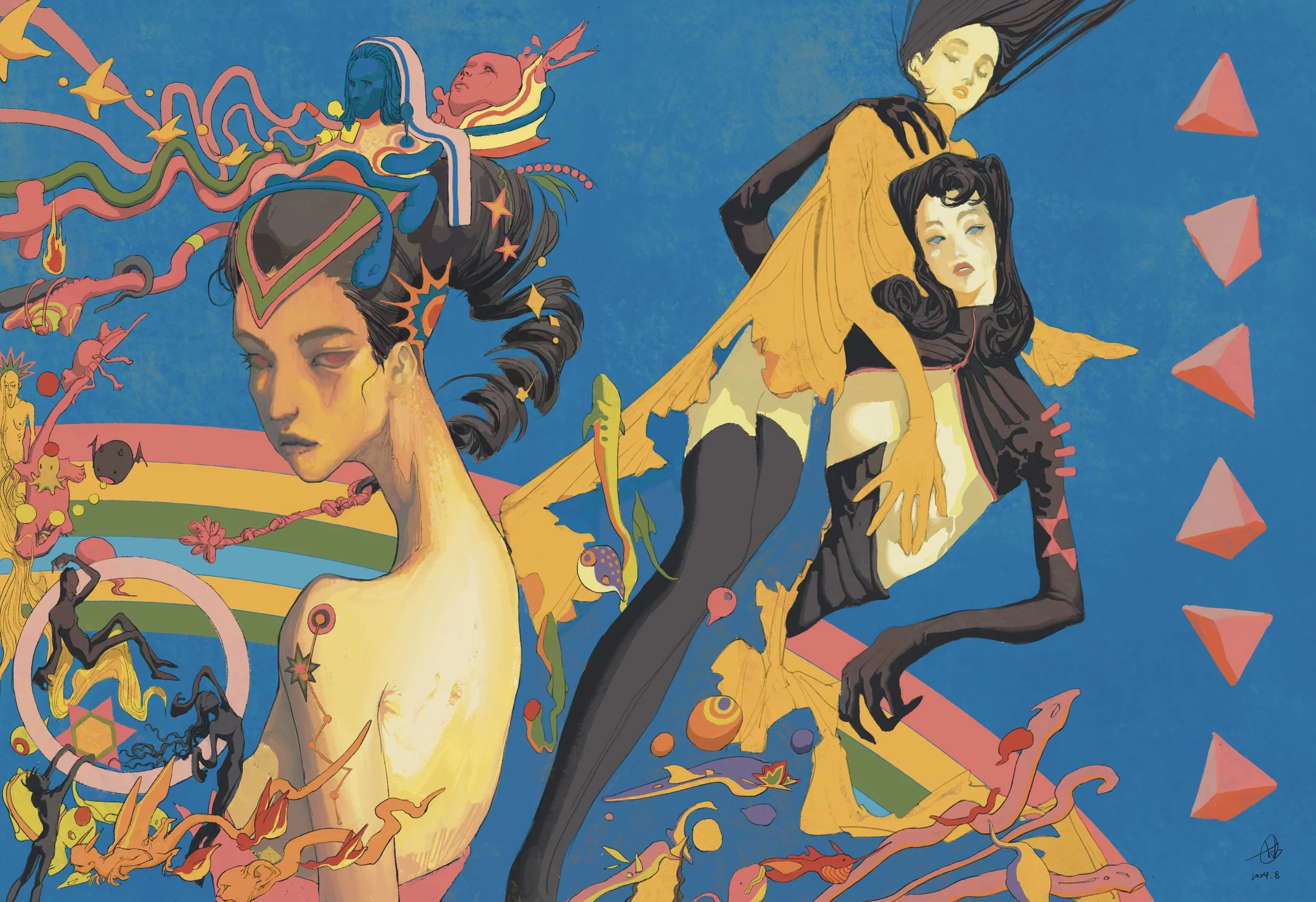
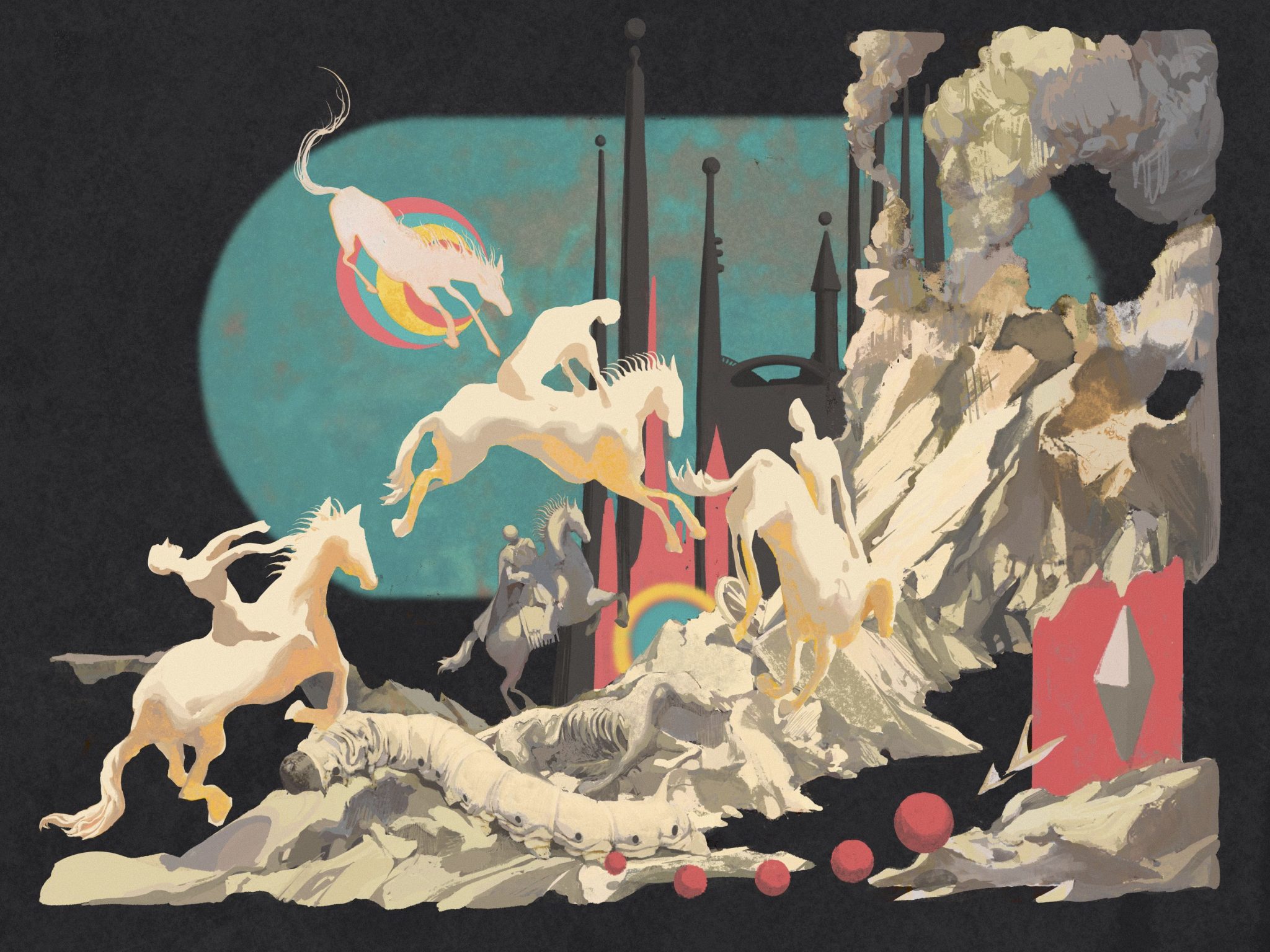
Gan describes her work as rooted in “neoteric surrealism,” but the term only partially captures what makes her imagery distinctive. Her compositions feel theatrical without becoming static, using vibrant color, dynamic anatomy, and layered spatial construction to create illustrations that seem to unfold in multiple dimensions at once.

Rather than drawing inspiration mainly from other illustrators, she looks outward—to music, architecture, fashion, graphic design, and the visual overload of urban life. New York itself becomes part of the process. Graffiti, underground culture, immigrant neighborhoods, posters, typography, and street movement all feed into the visual systems she builds on the page.

The City as Survival Mechanism

Much of Gan’s recent work has developed alongside the realities of surviving as a young artist in New York. In interviews, she speaks openly about balancing artistic ambition with visas, freelance instability, rent, and the constant pressure to remain visible within the creative industry.

That tension gives her perspective unusual honesty. Success, in her view, isn’t romanticized. It exists somewhere between artistic fulfillment and practical endurance. There’s an awareness that creative careers are shaped not only by talent, but also by timing, luck, financial pressure, and persistence.

Self-Publishing as Foundation

At the center of Gan’s practice are her self-published projects, particularly Lady Silkworm and NOVISION. Rather than treating them as side experiments, she describes these publications as the “anchors” of her work—spaces where her visual identity can evolve without external constraints.

That independence matters. Even while collaborating with companies like Marvel Entertainment, Epic Games, and NetEase Games, Gan continues returning to self-directed publishing as a way of protecting experimentation and personal expression.

An Artist Shaped by Movement

Gan grew up in Wuhan before moving to New York at eighteen, and that transition appears repeatedly throughout her reflections on creativity and identity. She describes both cities through movement, urgency, and contradiction—qualities that also define her compositions.

There’s little nostalgia in the way she talks about artistic growth. Instead, her interviews reveal someone constantly negotiating ambition, instability, exhaustion, and momentum all at once. That emotional friction becomes part of the work itself, giving her images their sense of intensity and forward motion.

What makes Mingyi Gan’s work compelling isn’t simply technical skill, though the precision of her line work and compositions is striking. It’s the sense that every project exists inside a much larger personal system of references, observations, anxieties, and aspirations.

Even at an early stage in her career, her practice already feels expansive. Posters lead into publishing, graphic design merges with surrealist storytelling, and commercial illustration becomes inseparable from personal exploration. The result is work that doesn’t just aim to attract attention—it builds entire visual environments around the viewer.

Scroll