Larry Fink: Social Graces & Runway
Zoë Marin
Written by Zoë Marin in Beyond the Frame Photography

Larry Fink: Social Graces & Runway

Few photographers captured human interaction with the intensity of Larry Fink. His photographs are crowded, tactile, and full of movement, yet beneath that energy lies a sharp awareness of performance—of how people construct themselves in front of others and in front of the camera.

Presented at The Image Centre, Larry Fink: Social Graces & Runway brings together two defining series from the photographer’s career. Moving between society galas, rural gatherings, and backstage fashion shows, the exhibition reveals Fink’s enduring fascination with what happens when public image begins to crack.
Social Graces and the choreography of class

Photographed between 1974 and 1982, Social Graces contrasts two social worlds: Manhattan high society and the working-class environment of Martins Creek, Pennsylvania. Museum parties and Studio 54 scenes are placed alongside birthdays, graduations, and local gatherings, creating a portrait of class through parallel forms of social ritual.

Despite their differences, Fink’s subjects share the same desire to be seen. That impulse allowed the photographer to move fluidly through both spaces, using the camera less as a barrier than as a point of connection between himself and the people he photographed.

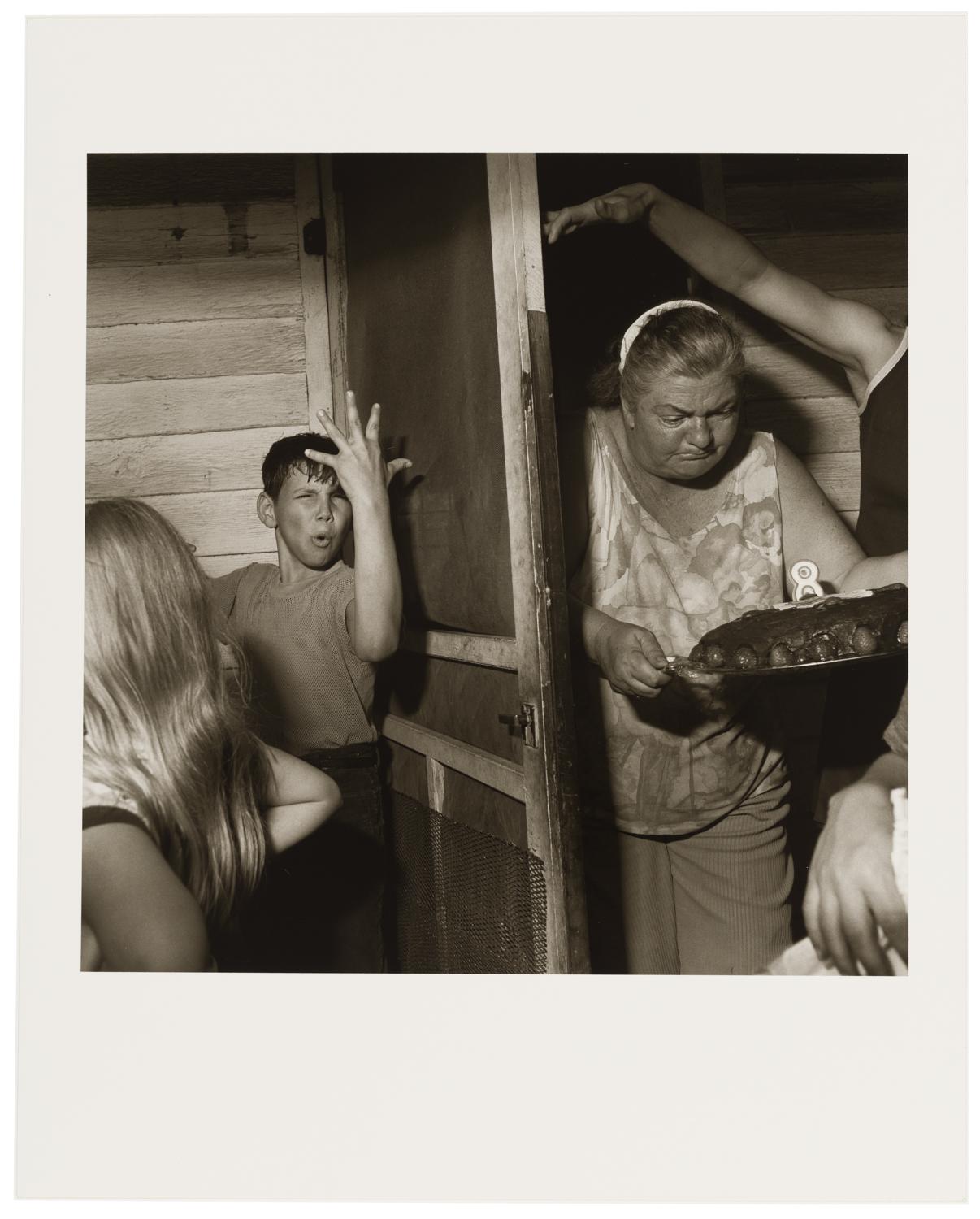
Larry Fink, Pat Sabatine's Eighth Birthday Party, PA, 1977 (printed later), gelatin silver print © Larry Fink/MUUS Collection. The Image Centre, Gift of Gordon Fenwick, 2021
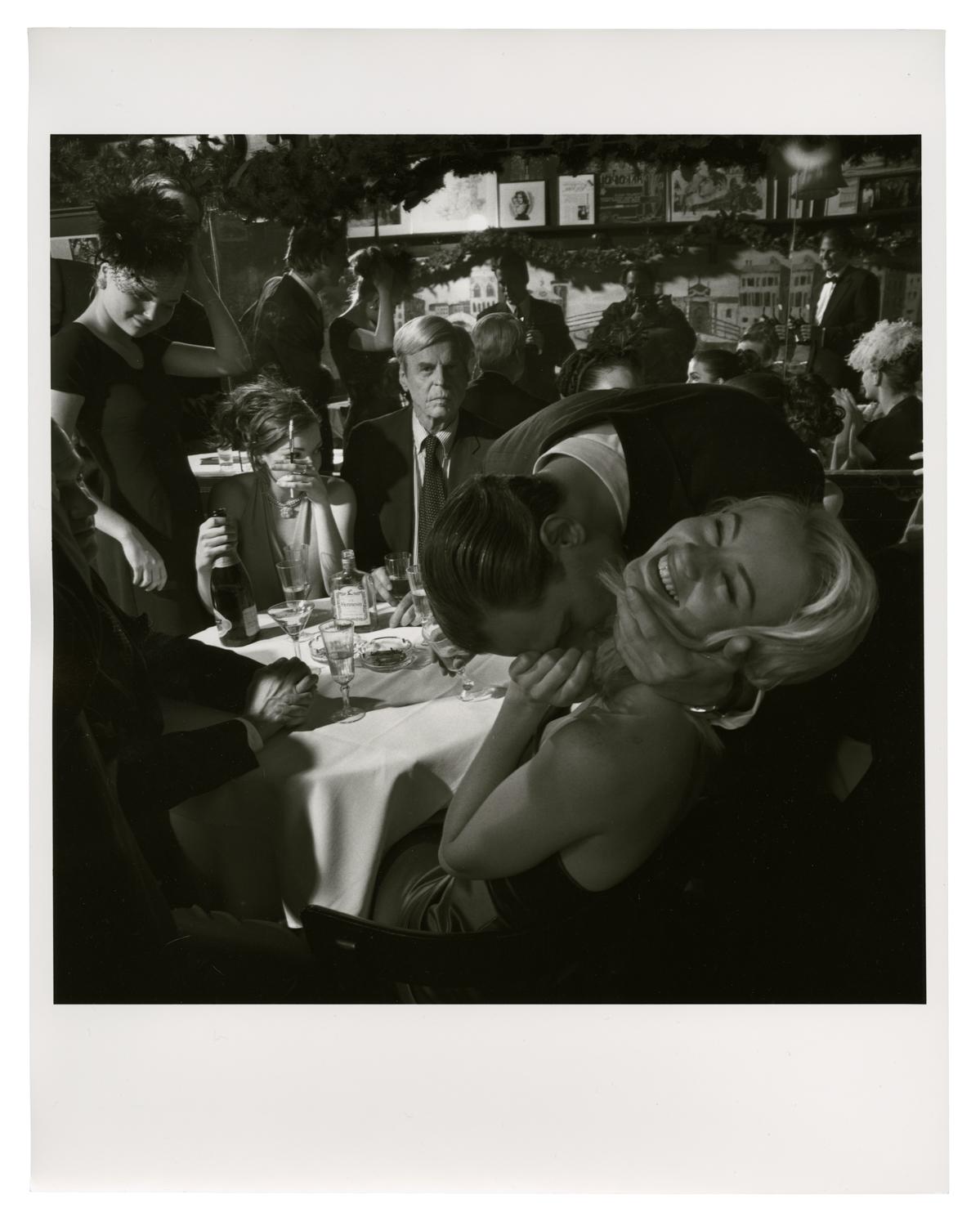
Larry Fink, George Plimpton, Jared Paul Stern, and Cameron Richardson, Fashion Shoot, Elaine's, New York City, 1999 (printed later), gelatin silver print. The Image Centre Collection, Gift of Brenda Coleman, in memory of Matthew Coleman, 2017 © Larry Fink/MUUS Collection
Participation over observation

Fink worked from inside the crowd. Carrying a handheld flash, he moved directly into the physical energy of parties and gatherings, producing images that feel immediate and immersive rather than distant or observational.

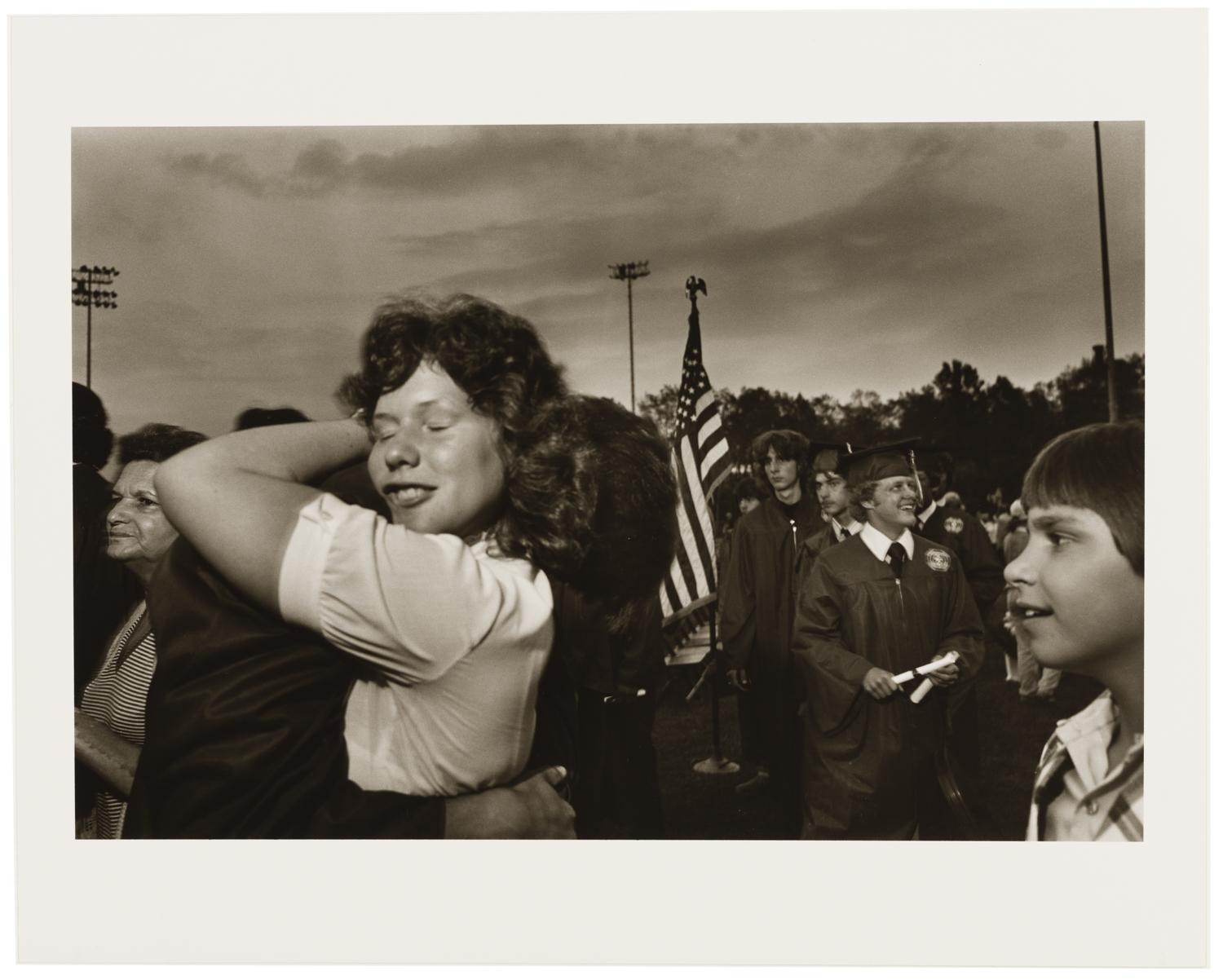
That intimacy becomes especially visible in his photographs of the Sabatine family in Pennsylvania. Over years of shared meals, celebrations, and everyday encounters, Fink’s camera became part of the environment itself, allowing moments of tenderness, tension, and exhaustion to emerge naturally.

Flash, shadow, and physicality

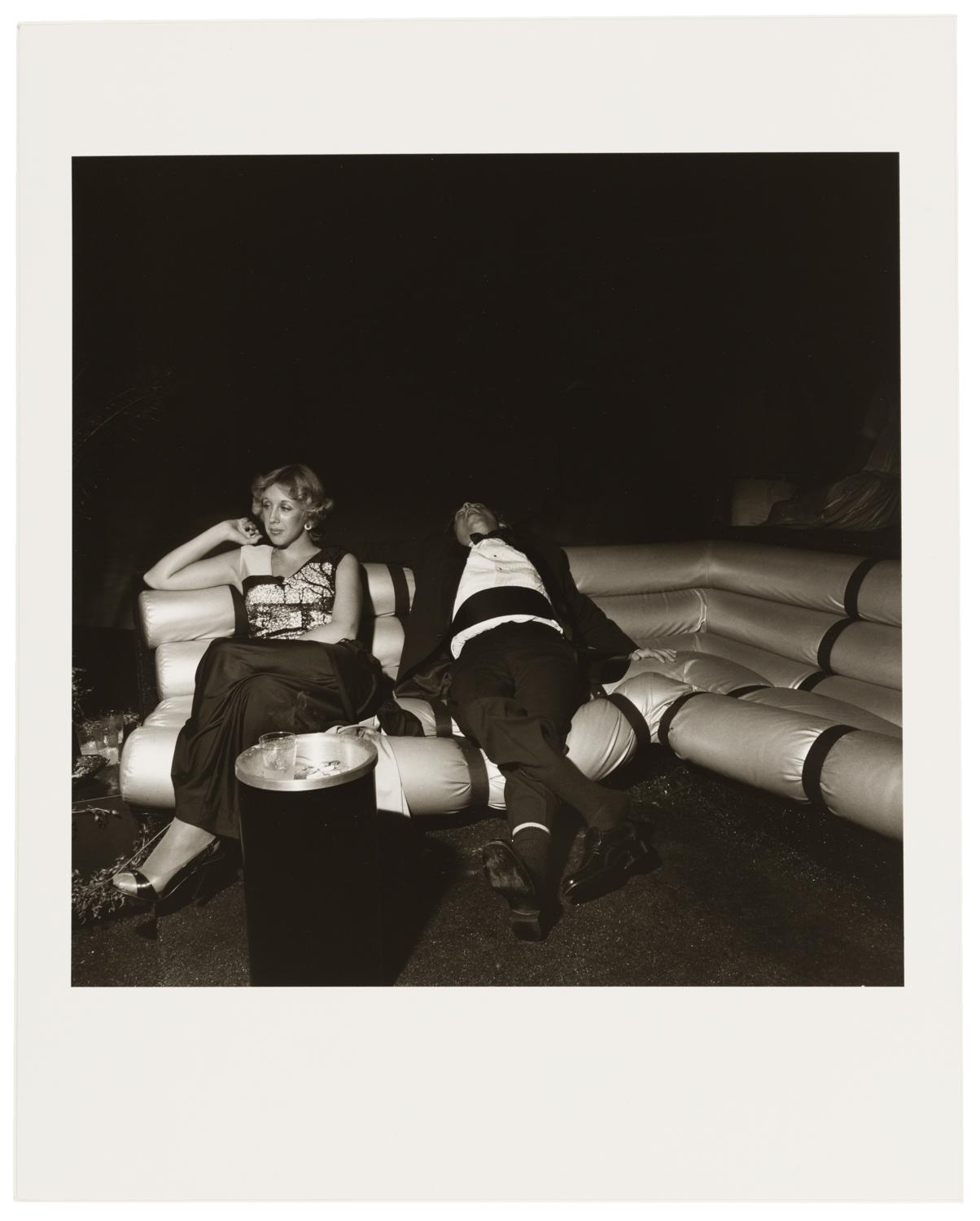
Fink’s signature use of flash defines much of the exhibition. Faces emerge from darkness, bodies overlap, and gestures become heightened through dramatic black-and-white contrast. Influenced by artists like Weegee and Goya, he used light to amplify the theatrical nature of social interaction.

Yet the photographs never reduce their subjects to caricature. Whether documenting wealthy patrons or exhausted partygoers, Fink balanced critique with empathy, revealing vulnerability beneath spectacle and performance.

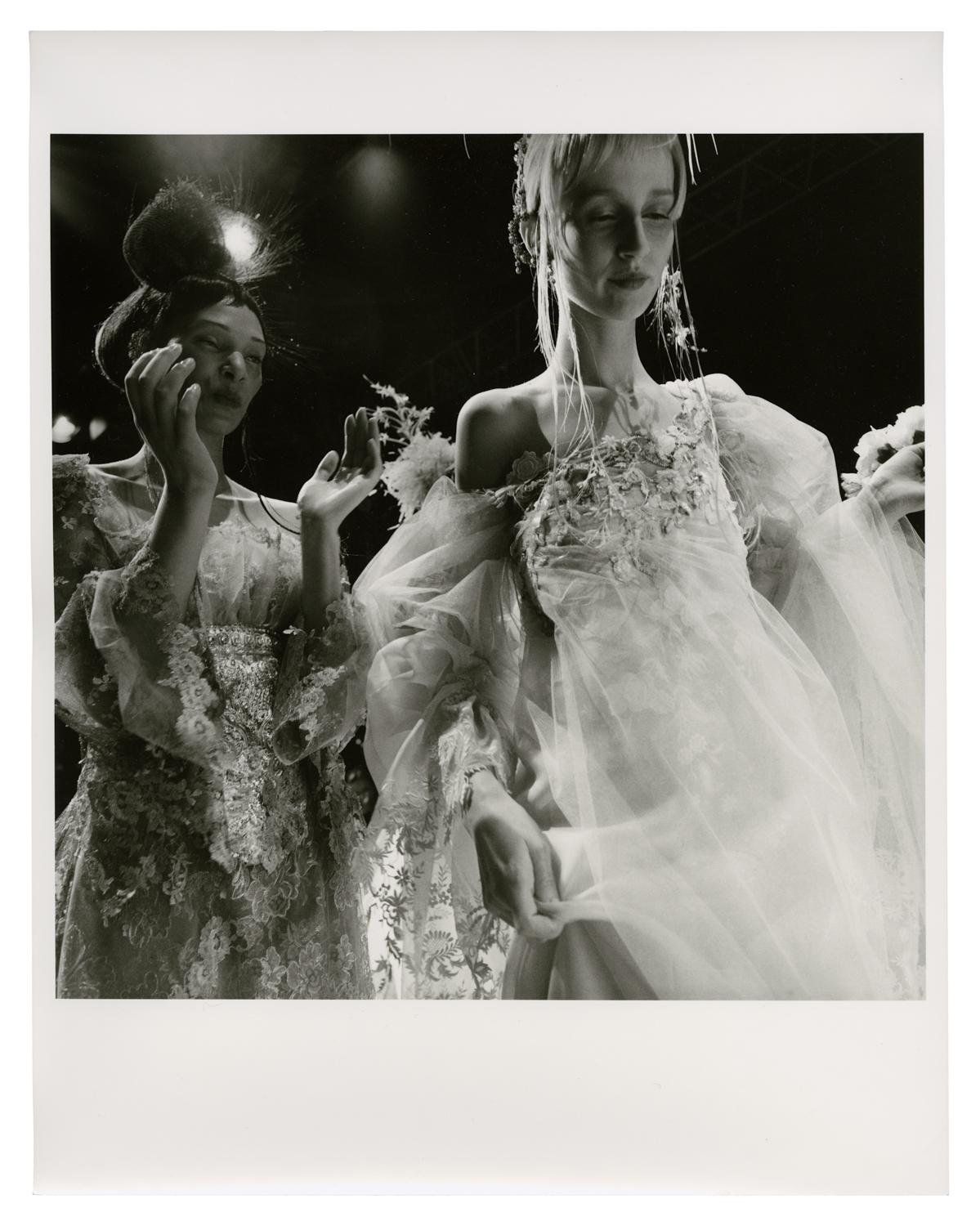
Larry Fink, Esther de Jong and Julia Schonberg, Christian Lacroix (Haute Couture Summer 98), Paris, 1998 (printed later) © Larry Fink/MUUS Collection. The Image Centre Collection, Gift of Brenda Coleman, in memory of Matthew Coleman, 2017
Larry Fink, Graduation, Bangor High School, PA, 1981 (printed later), gelatin silver print © Larry Fink/MUUS Collection. The Image Centre, Gift of Gordon Fenwick, 2021
Behind the runway

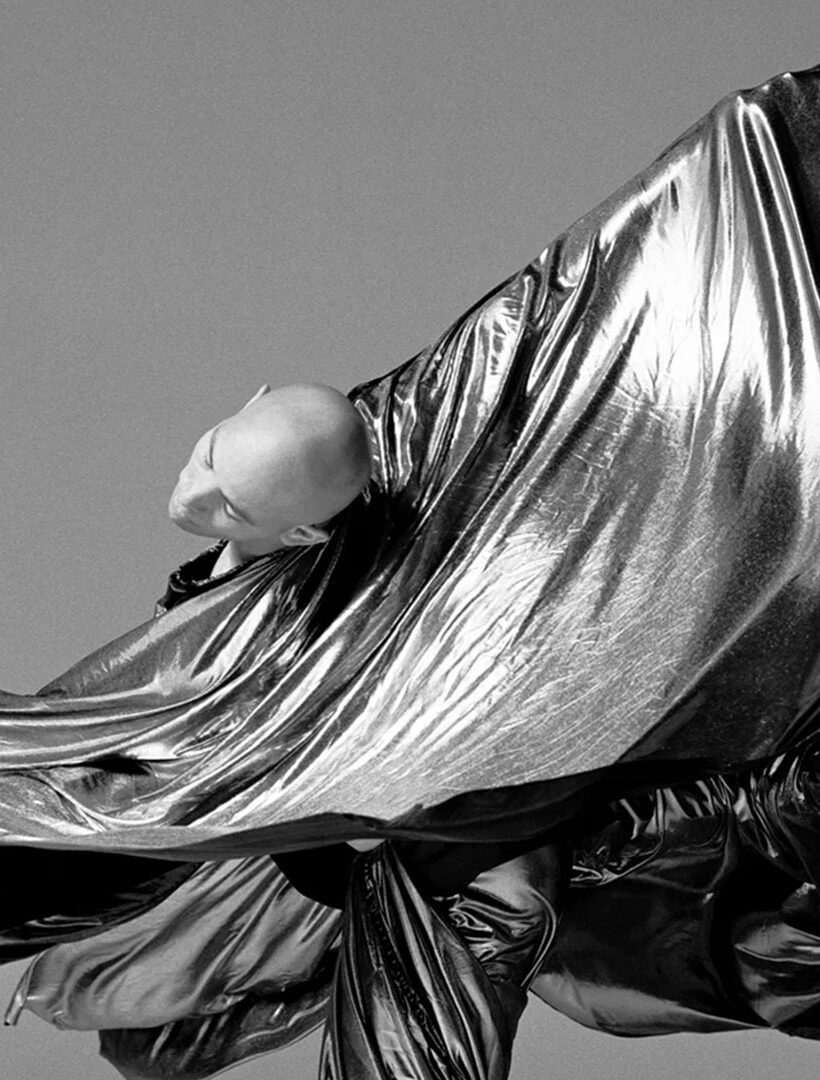
In Runway, photographed during the 1990s in Paris, Milan, and New York, Fink turns his attention to the fashion industry. Rather than focusing on polished runway presentations, he photographs the unstable world behind them—crowded backstage spaces filled with anticipation, labor, and exhaustion.

Designers, models, makeup artists, and assistants move through tightly packed environments where glamour feels constantly on the verge of unraveling. Fink’s direct flash and unconventional framing intensify that atmosphere, exposing fashion as both performance and construction.

The human beneath the image

What gives Runway its force is the way it uncovers moments that feel unexpectedly human. A tired expression, a distracted gesture, or a brief exchange between figures becomes more compelling than the spectacle surrounding it.

Even within environments built around image-making, Fink remains focused on physical presence. His photographs reveal not perfection, but the strain, vulnerability, and desire that exist underneath systems of appearance.

Larry Fink, Passed Out, Studio 54, New York City, 1977 (printed later), gelatin silver print © Larry Fink/MUUS Collection. The Image Centre, Gift of Gordon Fenwick, 2021

Across both Social Graces and Runway, Fink approaches photography as participation rather than observation. His images place viewers inside the crowd, close enough to feel the instability and intensity of social performance.

That tension between empathy and exposure gives the work its lasting power. Whether photographing celebrities, aristocrats, or working-class families, Fink remained drawn to the same fragile space where performance gives way to something real.

For more information about Larry Fink: Social Graces & Runway, visit the exhibition website.

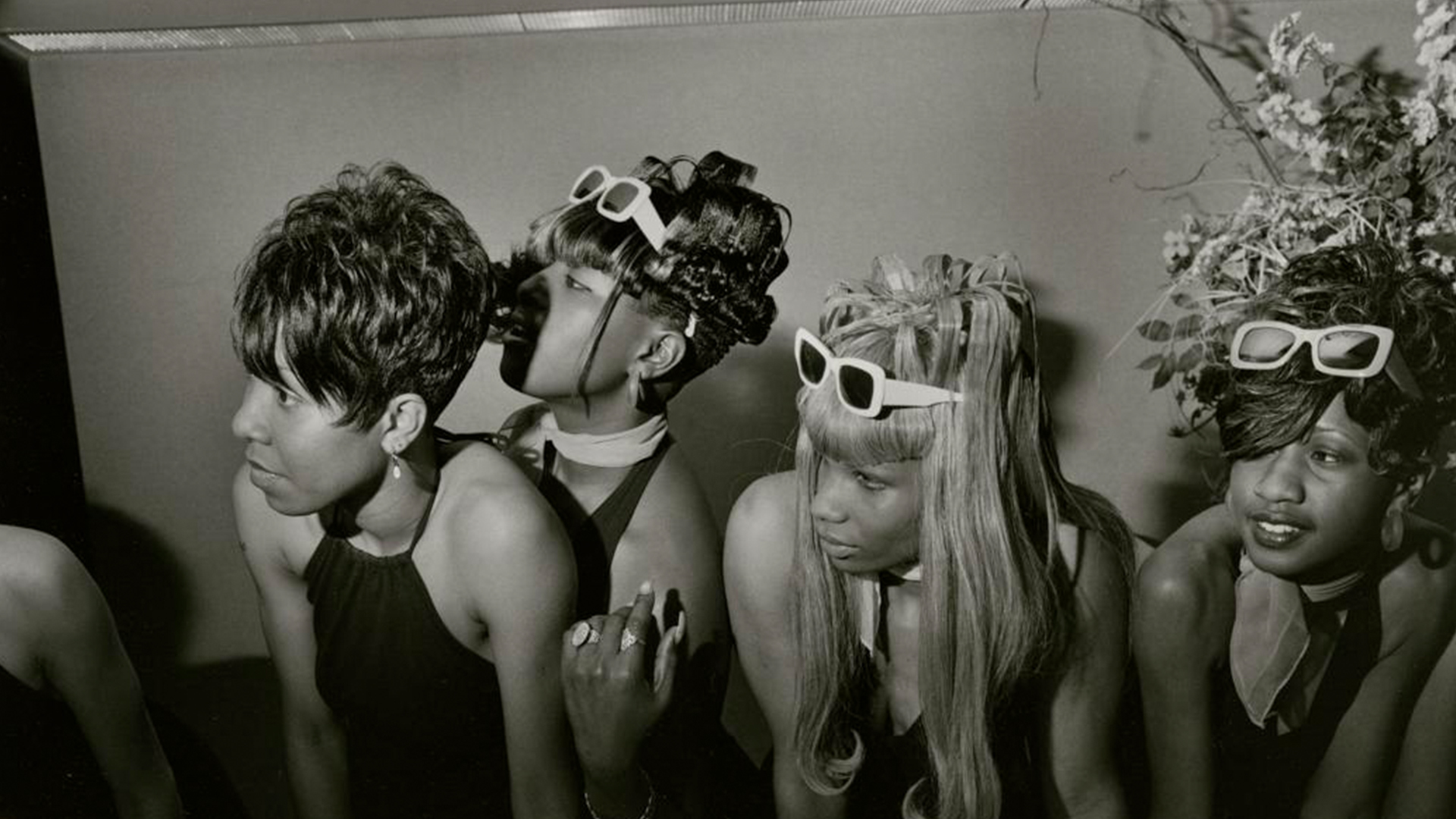
Image at the top: Larry Fink, Hair Wars, Detroit, Michigan, 1997 (printed later), gelatin silver print © Larry Fink/MUUS Collection. The Image Centre, Gift of Brenda Coleman, in memory of Matthew Coleman, 2017

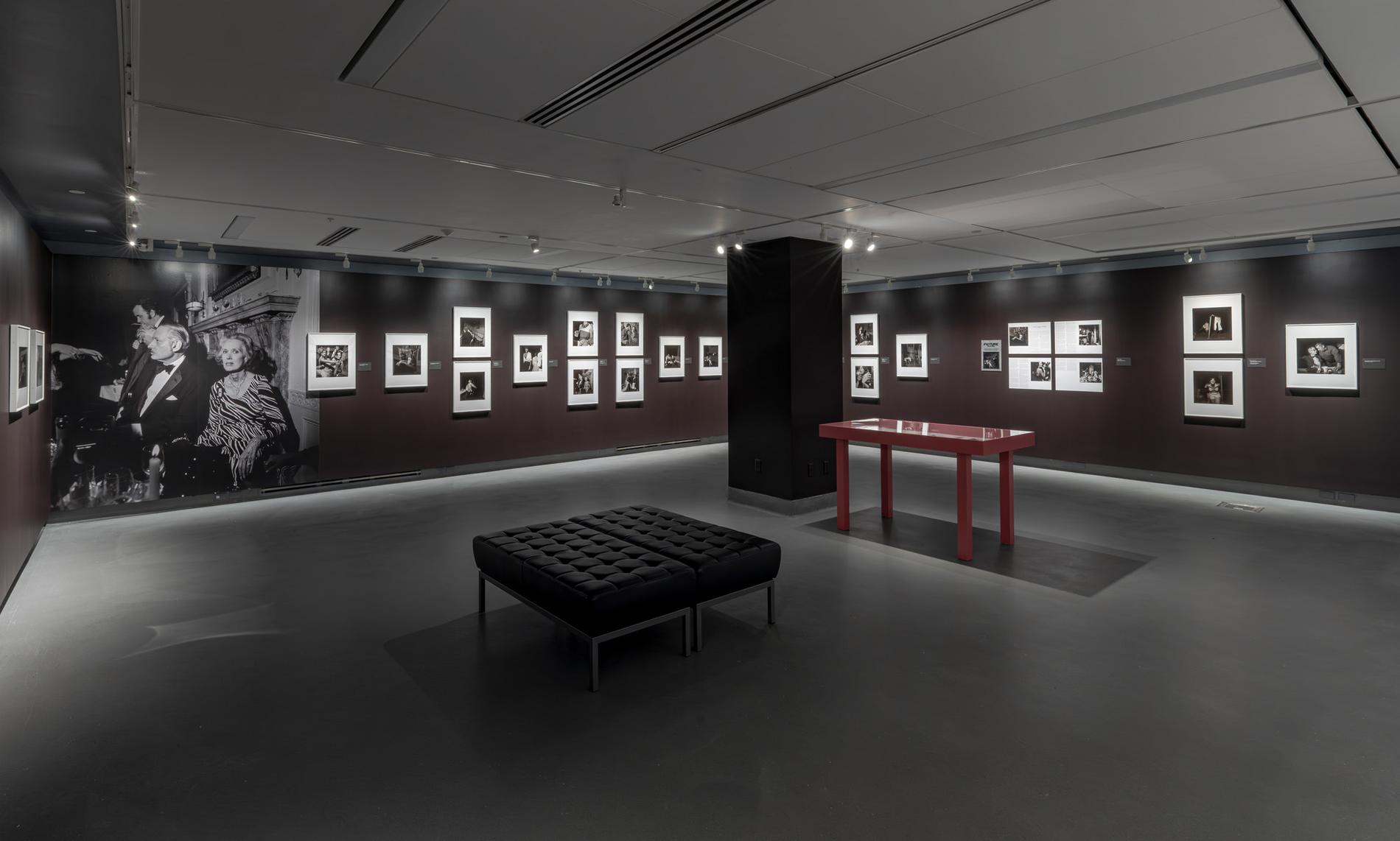
Larry Fink: Social Graces & Runway (installation view) © Toni Hafkenscheid, The Image Centre, 2026
Scroll