
A Room That Holds Everything
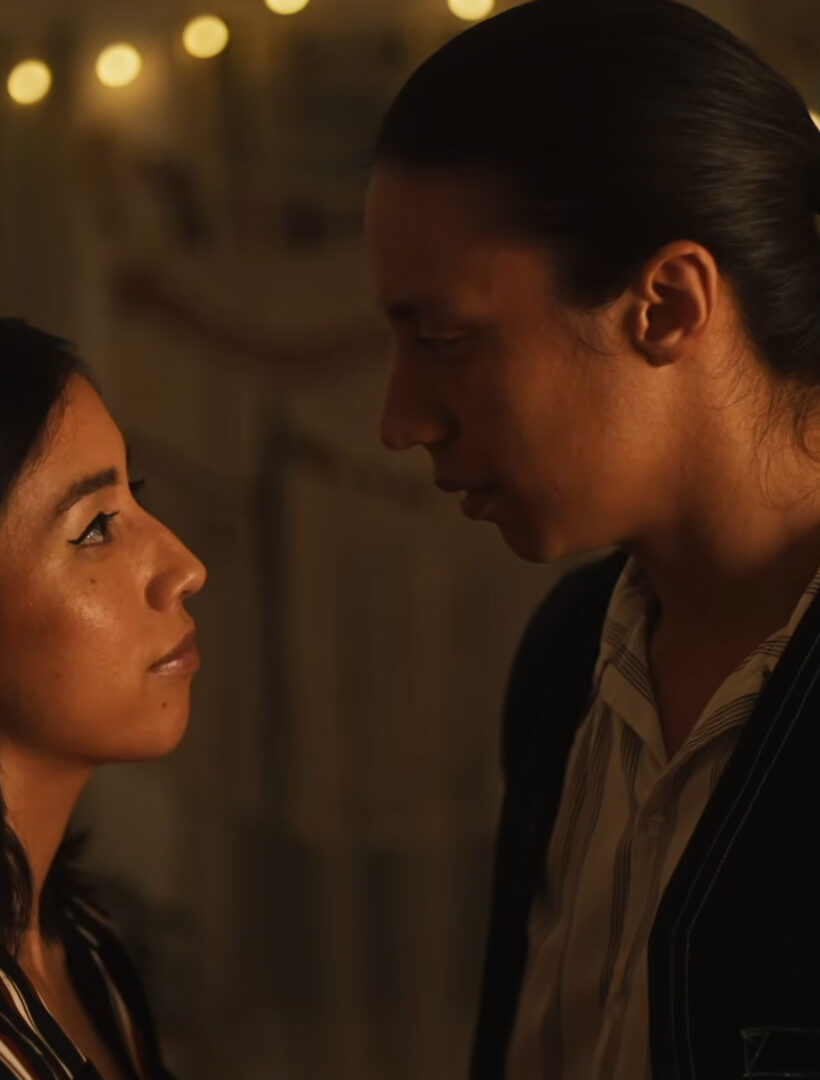
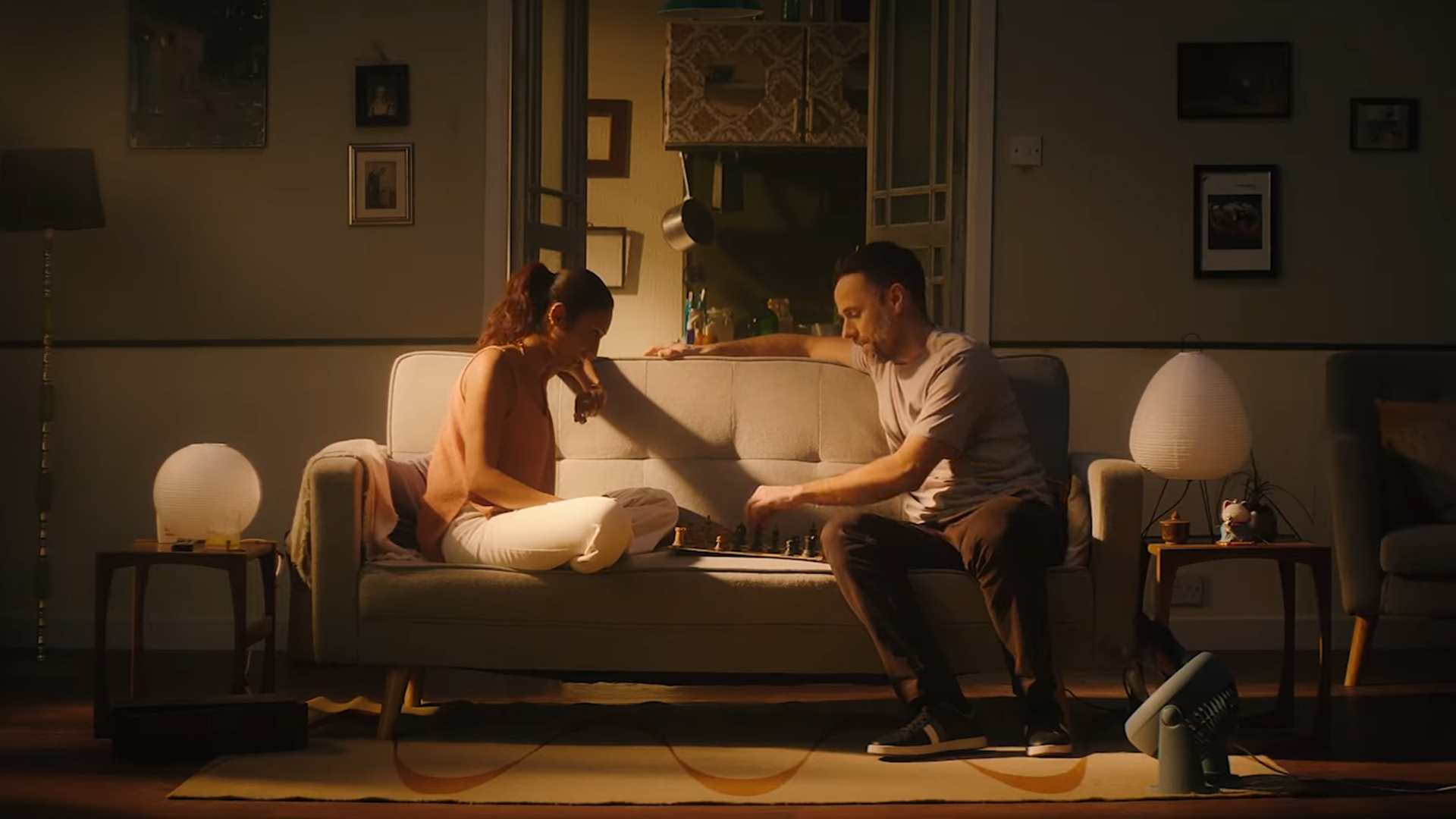
OK/NOTOK unfolds almost entirely within a single space—but it never feels small. Written and directed by Pardeep Sahota, the short follows Loretta, a working-class British Asian woman trying to navigate a world that feels increasingly unstable, both outside her window and within her own relationships.
At first, the setup feels deceptively simple. A cramped apartment, a relationship under quiet strain, and fragments of everyday life slipping by. But there’s something slightly off from the beginning. Conversations feel too precise, too controlled, as if emotion is being filtered through something more mechanical. It’s subtle, but it lingers.
When Technology Feels Human
What makes OK/NOTOK so interesting is how it approaches the idea of artificial intelligence—not as something distant or dystopian, but as something strangely familiar. The dialogue carries a rhythm that feels almost robotic, yet never fully detached. It’s purposeful, logical, and at times unsettlingly calm.
The film leans into its limitations in a way that feels intentional. With a locked-off camera and a stage-like setup, the focus shifts to performance, lighting, and time itself. Small changes in color and atmosphere quietly signal emotional shifts, allowing the story to evolve without ever needing to move the frame.
Bairavi Manoharan brings a quiet vulnerability to Loretta, grounding the film in something deeply human. Even when the world around her feels constructed, her loneliness doesn’t.
A Quiet Kind of Isolation
Revisiting OK/NOTOK now, it feels uncomfortably close to where we are. The film touches on something many of us recognize—the way we build small, contained worlds for ourselves, even as everything outside feels uncertain.
There’s humor here, and warmth too, but it’s always balanced by a sense of distance. Connections feel real, but also fragile, as if they could dissolve at any moment.
By the time it ends, OK/NOTOK doesn’t offer clear answers. Instead, it leaves you sitting with a question that feels increasingly relevant: are we connecting more, or just getting better at simulating it?