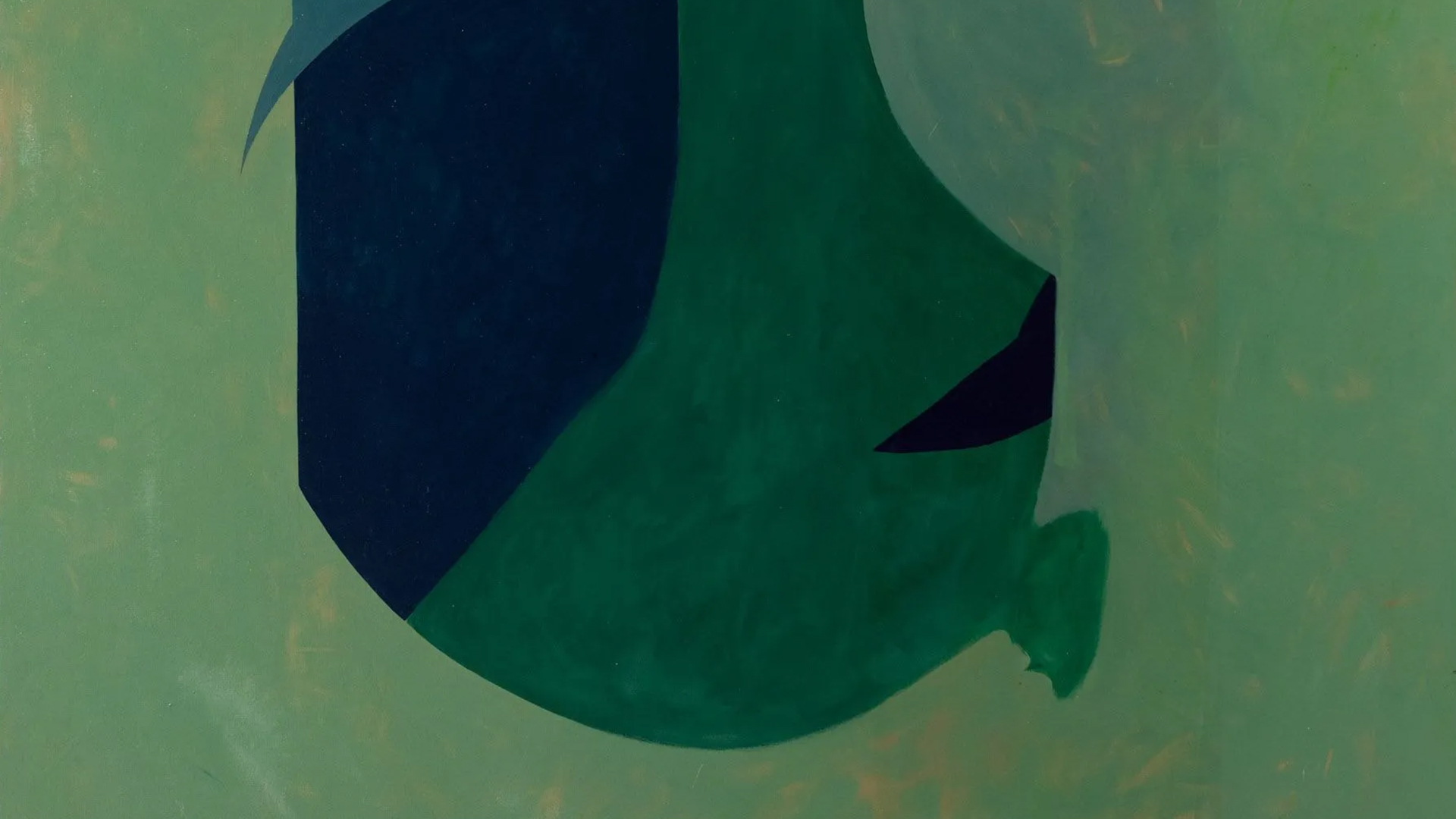
Leopold Plotek and the Architecture of Feeling
Elliott Brooks
Written by Elliott Brooks in Dimensions Art & Design Creative

Leopold Plotek and the Architecture of Feeling

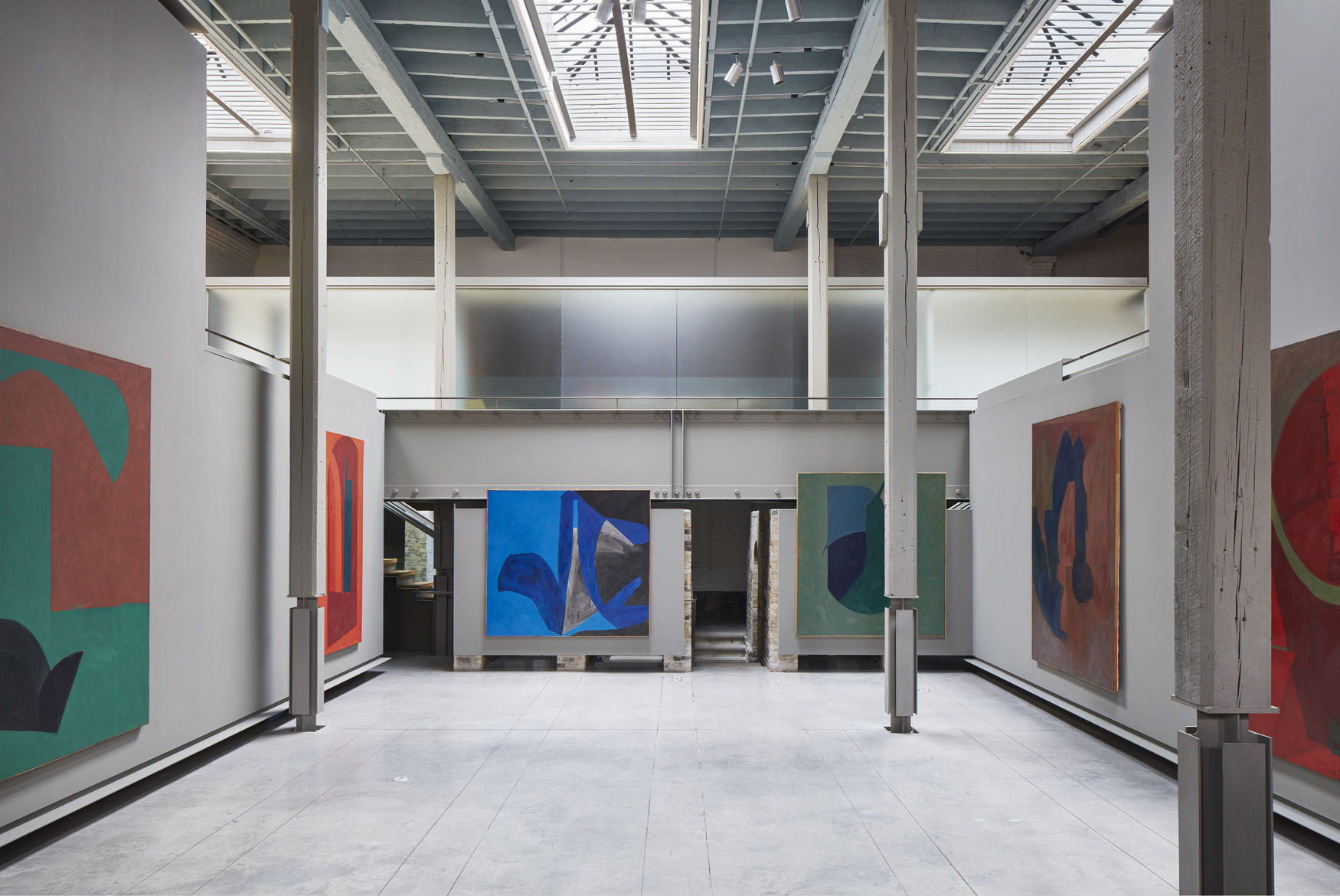
There’s something quietly defiant about Leopold Plotek’s In the Eighties, now on view at Corkin Gallery. Not loud or attention-seeking, but deeply independent—paintings that don’t try to impress so much as they insist on being experienced.

Running from 4 October 2025 to 25 April 2026, the exhibition is now nearing its final weeks. It captures a moment of renewed confidence in the artist’s career, where clarity emerges—but never at the expense of complexity.
When Doubt Becomes Direction

Before this body of work, Plotek nearly walked away from painting altogether. In the late 1970s, frustrated with his own process, he closed his studio and left—physically and creatively.

Italy became the turning point. Not because of painting, but because of architecture—the quiet details of buildings, the weight of walls, the way light moves across surfaces. That experience didn’t give him answers; it gave him a new way to see.

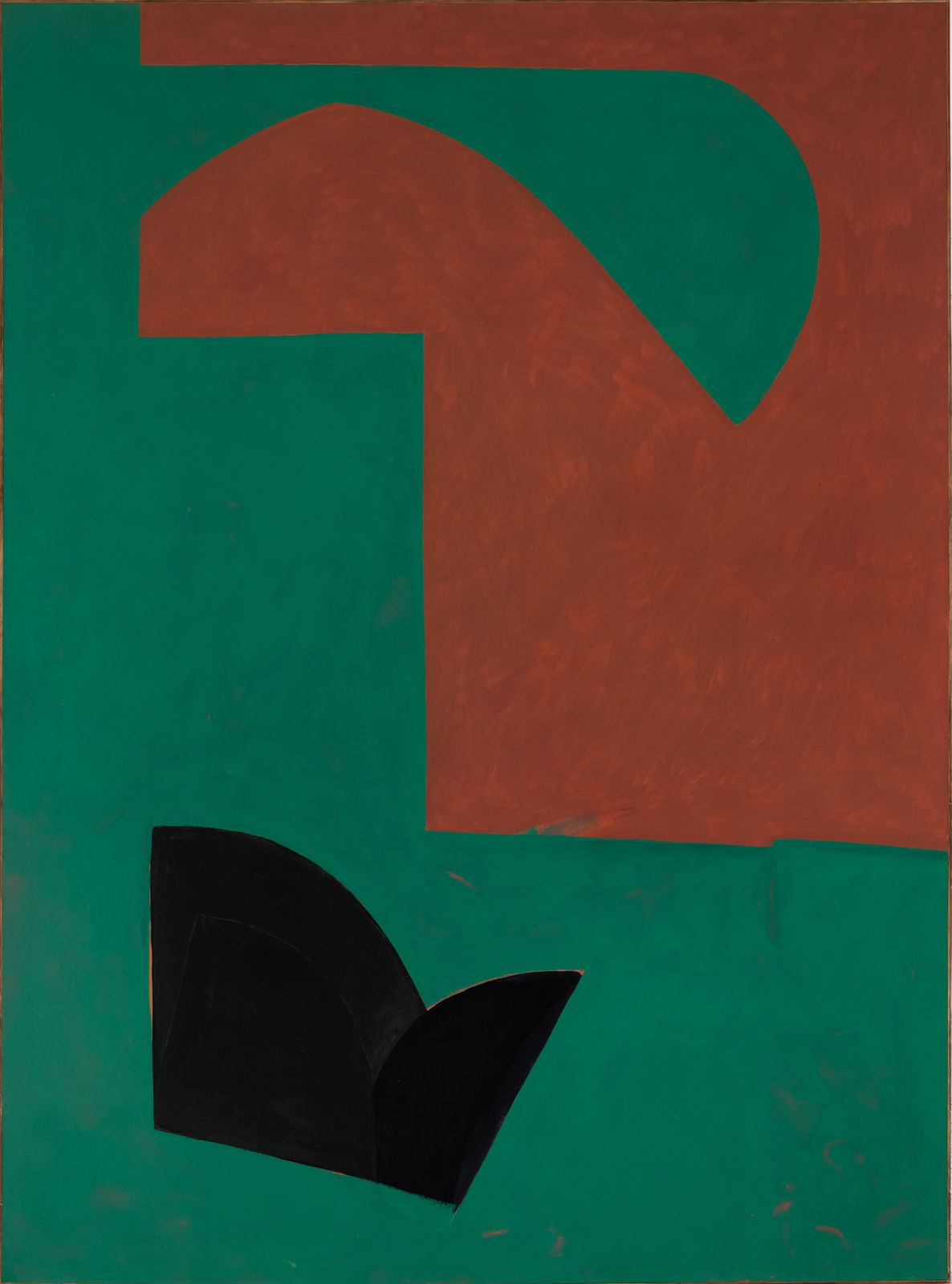
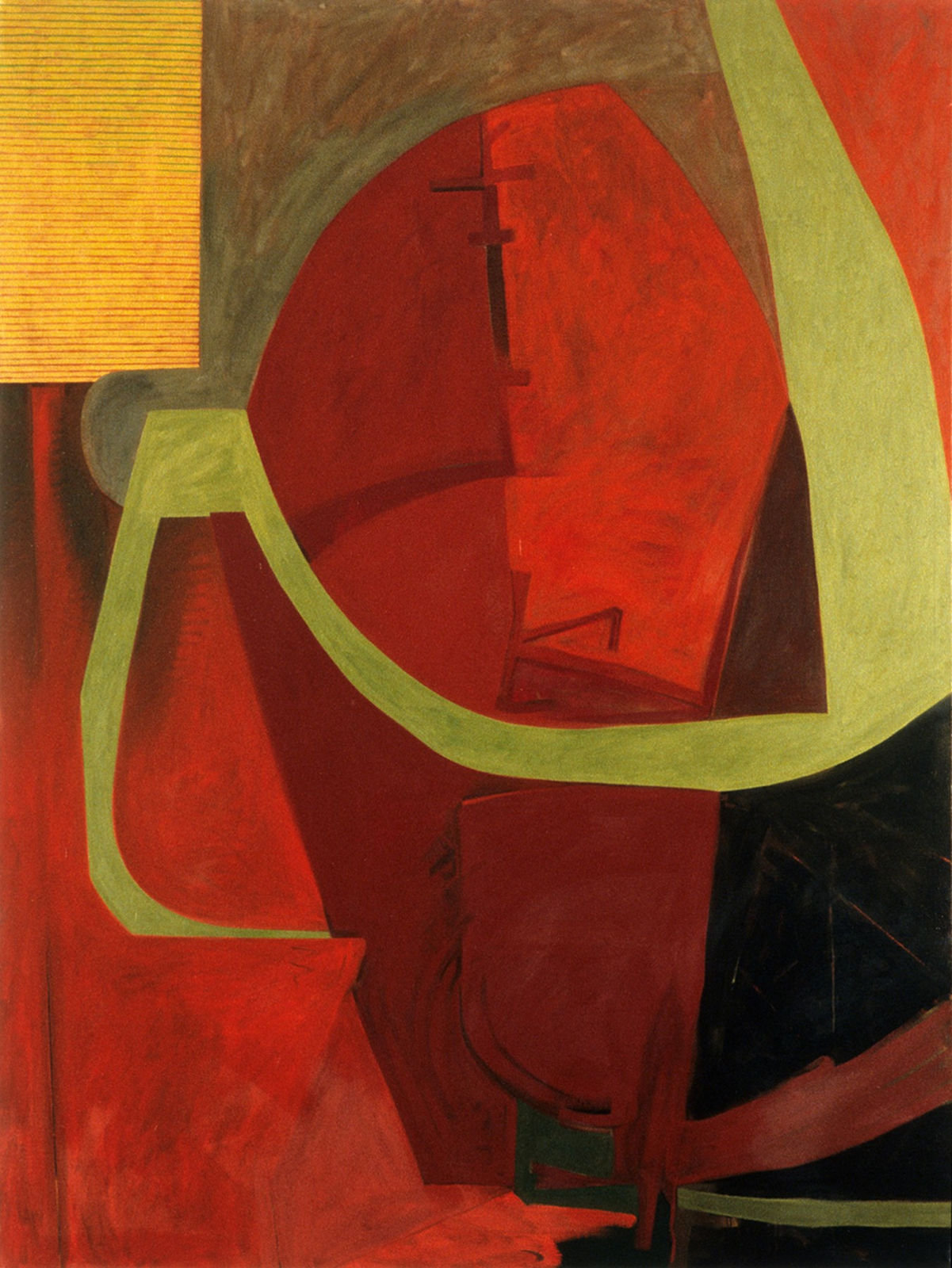
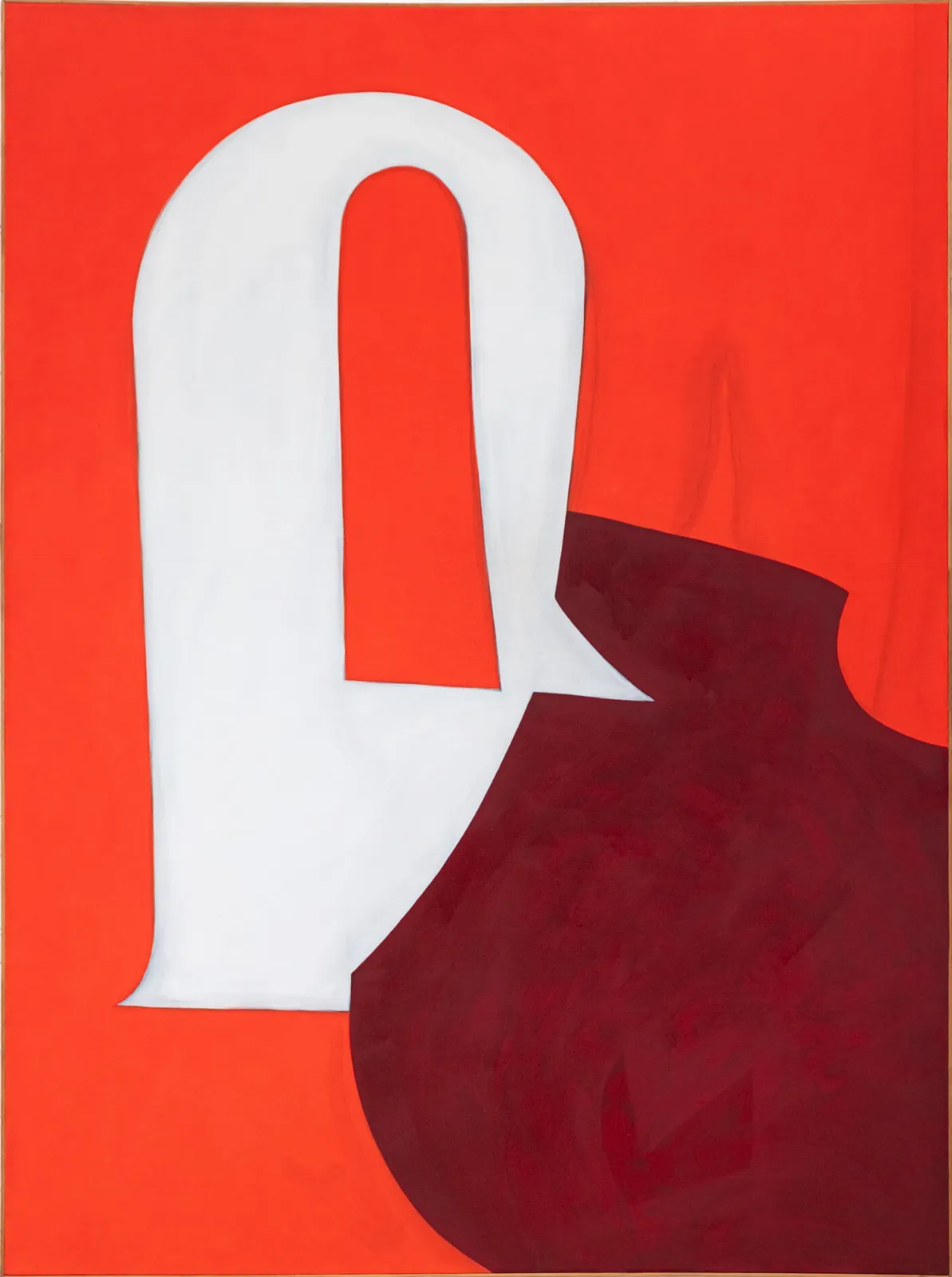
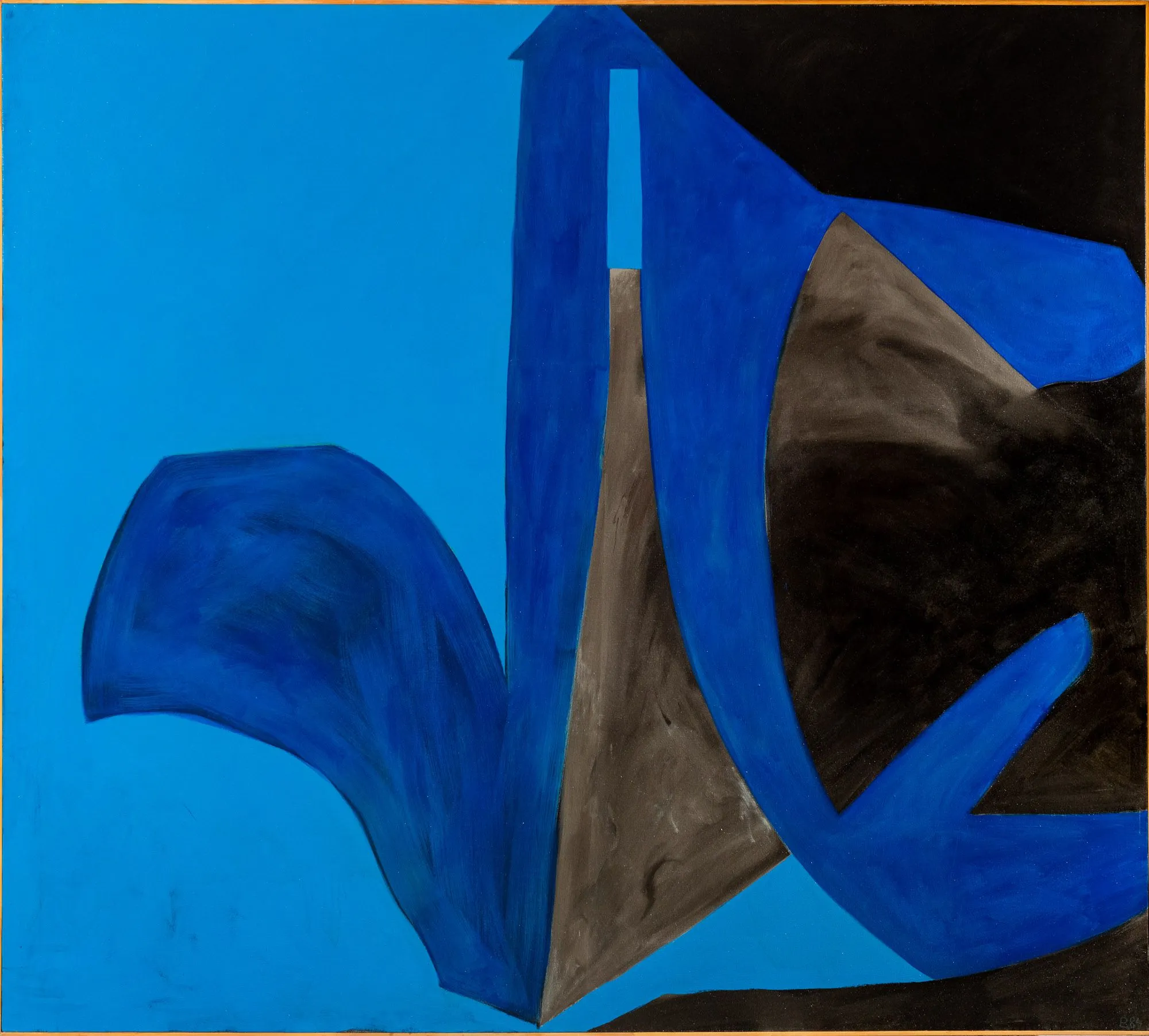
Leopold Plotek. Mneme, 1984
Leopold Plotek. Kastalia, 1984
Painting from Memory, Not Observation

What emerges in In the Eighties isn’t representation, but sensation. Plotek isn’t painting what he saw—he’s painting what it felt like to see it.

The canvases carry traces of architecture, but only indirectly. Structure becomes rhythm, space becomes emotion, and the viewer is left to navigate something that feels familiar yet impossible to fully pin down.

Color as Structure

For Plotek, color isn’t decorative—it’s relational. A single color holds no meaning on its own; it only begins to speak when placed beside another.

Across the exhibition, these relationships unfold slowly. Muted tones push and pull against each other, while warmer hues occasionally surface, hinting at memory, light, and place. It’s less about palette and more about tension—like chords resolving and breaking apart.

Leopold Plotek. Aiode, 1979
Leopold Plotek. The Citys Fiery Parcels All Undone, 1987
Improvisation and Hidden Narratives

Plotek’s process resembles improvisation more than construction. He often begins with a subject—drawn from literature, history, or personal memory—but allows it to dissolve as the painting evolves.

Narrative remains, but in fragments. Painting doesn’t move through time the way storytelling does, yet these works carry histories within them—cultural, personal, and emotional—compressed into a single, layered moment.

A Painting That Keeps Moving

What makes these works compelling is their refusal to settle. They shift depending on how long you look, revealing new relationships, new tensions, new possibilities.

With the exhibition approaching its closing date, there’s a certain urgency to experiencing these works in person. To explore more details about In the Eighties, visit the Corkin Gallery website and plan your visit before it comes to an end.

Leopold Plotek. In the Eighties. Corkin Gallery
Scroll