The Goldfinch — Art, Loss, and the Things We Carry
Lila Monroe
Written by Lila Monroe in From the Shelf Art & Design Book Review Filmmaking

The Goldfinch — Art, Loss, and the Things We Carry

Closing The Goldfinch feels less like finishing a book and more like leaving a place you weren’t ready to abandon. Donna Tartt’s novel settles in slowly, then refuses to leave you alone.

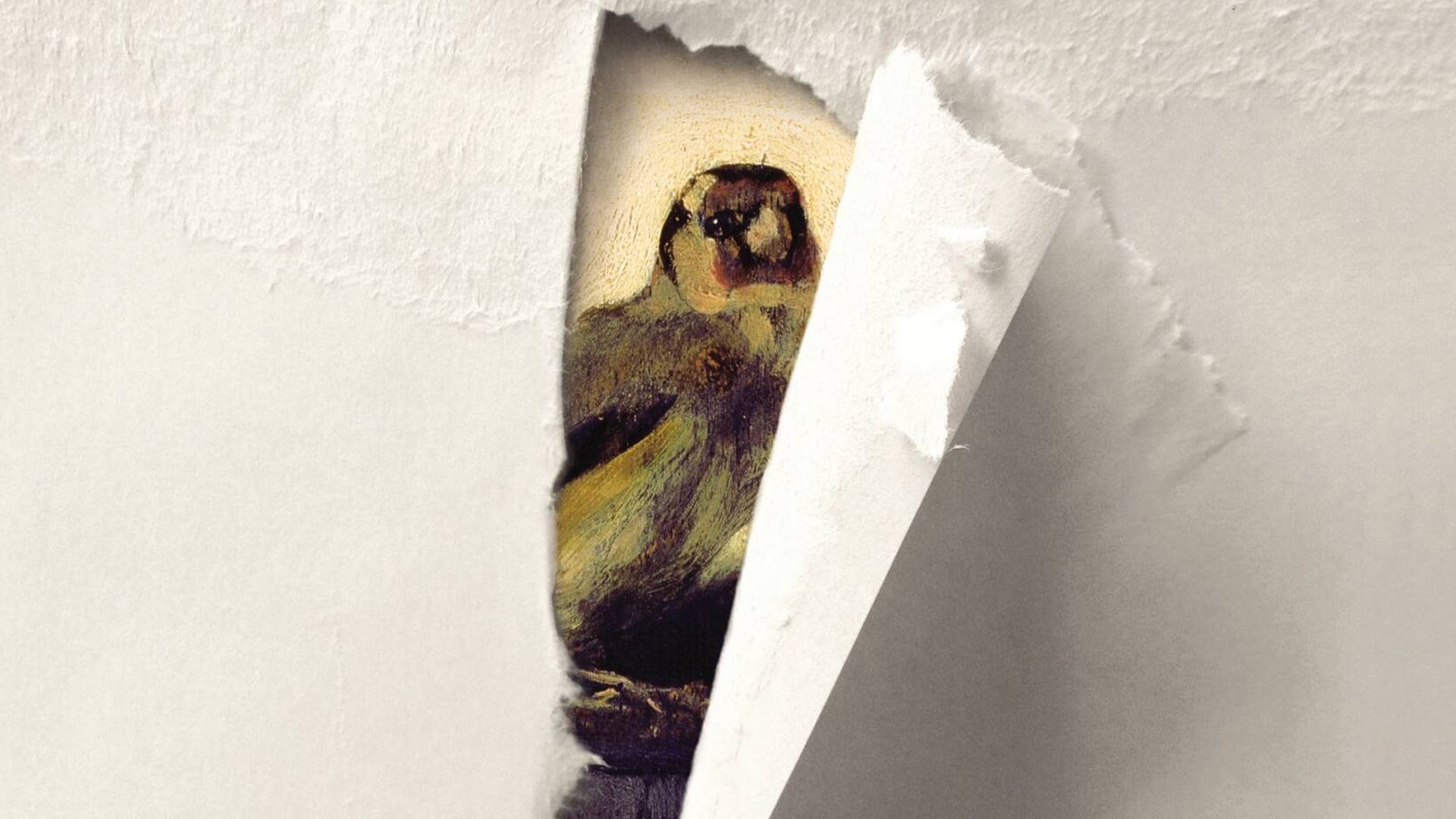
The story begins with catastrophe: thirteen-year-old Theo Decker survives an explosion at the Metropolitan Museum of Art that kills his mother. In the chaos, he leaves the museum carrying something he never intended to take — a small painting by Dutch artist Carel Fabritius, The Goldfinch. That impulsive act becomes the quiet axis of his life, shaping everything that follows.

What makes the novel so absorbing isn’t just the drama of Theo’s journey through grief, privilege, addiction, friendship, and survival. It’s the way Tartt understands how objects hold memory. The painting becomes Theo’s secret, his burden, his comfort — proof that beauty can survive disaster, even when people struggle to do the same.

Tartt writes with a patience that mirrors memory itself. Scenes stretch and linger; cities feel lived in rather than visited. New York, Las Vegas, Amsterdam — each location feels like a different version of Theo, as if geography itself becomes emotional terrain. And at the heart of it all sits that small chained bird, painted centuries earlier, watching as Theo grows into someone both haunted and stubbornly alive.
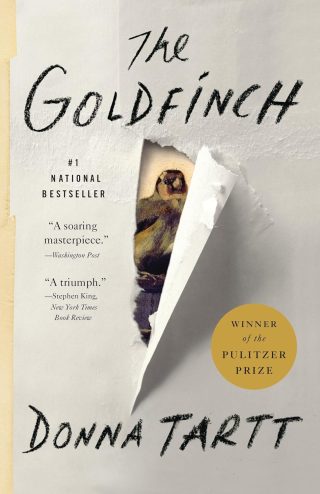
Click to follow the painting’s journey on Amazon

The 2019 film adaptation faced the near-impossible task of translating such an interior novel to screen. Directed by John Crowley, the film captures the story’s shifting moods and settings while compressing its long emotional arc. One highlight is Finn Wolfhard — familiar to many from Stranger Things — who appears as the young Boris, Theo’s chaotic and magnetic friend. Boris brings humor and danger into Theo’s life, and Wolfhard’s performance captures that reckless charm that makes the character unforgettable.

Film can recreate spaces and faces, but what makes both versions compelling is the same question: how do we live with loss? Theo’s attachment to the painting isn’t just about art; it’s about holding onto something untouched when everything else feels broken. The story understands that grief rarely disappears — it just changes shape as we grow.

By the end, The Goldfinch feels less like a mystery or coming-of-age story and more like a meditation on survival. On the strange ways beauty enters our lives. On how art, memory, and chance encounters leave marks we carry forward, whether we mean to or not.

Like Fabritius’s bird, tethered but still luminous, the novel suggests we’re all trying to stay perched through forces we never chose. And sometimes, the things we cling to are what keep us from falling completely.

Scroll